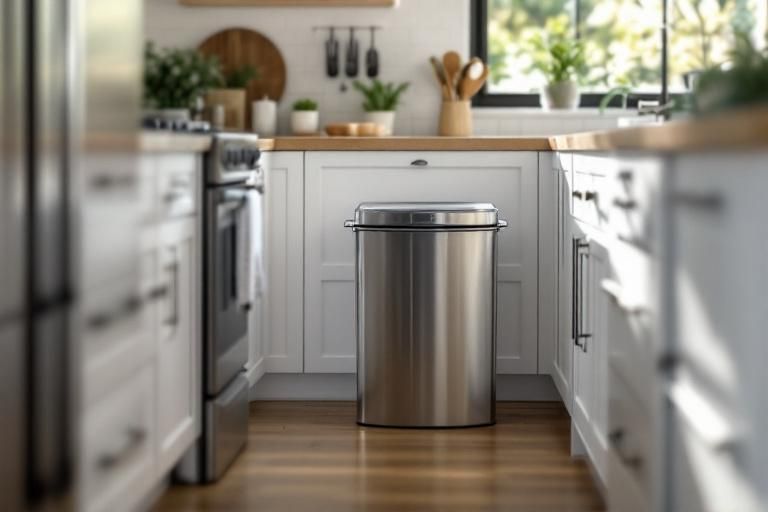
Are you struggling to find the best spot for your trash can in the kitchen? The right placement can significantly enhance your kitchen’s functionality and aesthetics. According to kitchen design experts, a well-placed trash can can reduce clutter and streamline meal prep, making your cooking experience more enjoyable. With over 15 years of experience in kitchen organization, I will guide you through the best practices for trash can placement that suits both your space and lifestyle. In this article, you will learn about the ideal locations for your trash can, tips for maximizing space, and common mistakes to avoid. Let’s dive into creating a more efficient kitchen layout.
Understanding Kitchen Layouts
When deciding where to put a trash can in the kitchen, it’s essential to consider the overall layout. The kitchen triangle concept—comprising the stove, sink, and refrigerator—can guide your decision. A trash can should ideally be placed within this triangle to ensure ease of access while cooking and cleaning. This placement minimizes unnecessary movement, saving time and effort during meal preparation and cleanup.
Proximity to the Sink
Placing the trash can near the sink can significantly enhance efficiency. This location allows for easy disposal of scraps while washing vegetables or dishes, reducing the risk of messes around the kitchen. Additionally, it encourages prompt cleanup, as it eliminates the need to walk across the kitchen with waste.
Accessibility During Meal Prep
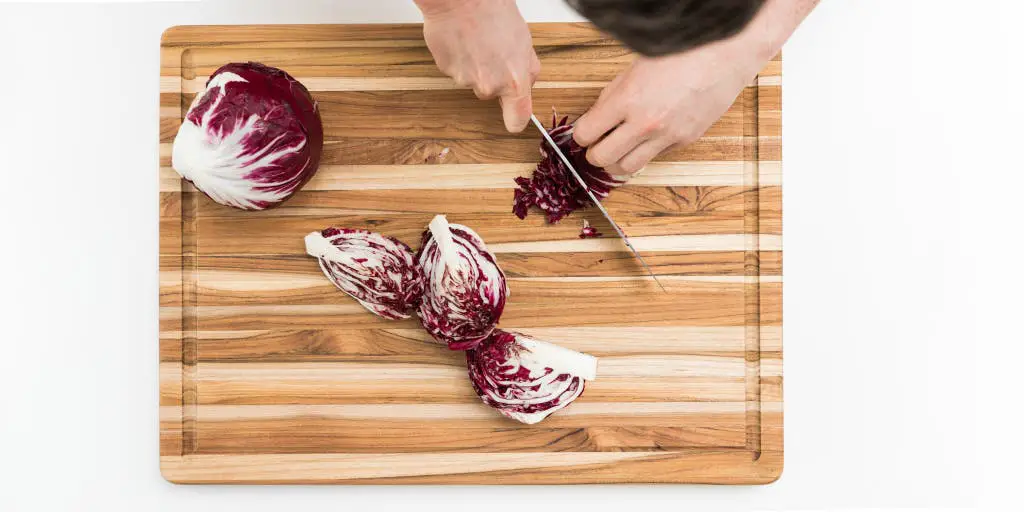
Consider placing the trash can in a spot that remains accessible during meal preparation. This could mean positioning it near the prep area or cutting board. This setup ensures that you can quickly discard packaging or food waste, keeping your workspace organized and hygienic.
Key Points:
- Consider the kitchen triangle for optimal placement
- Proximity to the sink aids in efficient cleanup
Types of Trash Can Placement
There are various ways to integrate a trash can into your kitchen design. Each method has its advantages and can cater to different cooking styles and kitchen layouts. By understanding the options available, you can choose a placement that best fits your needs and aesthetics.
Freestanding Trash Cans
Freestanding trash cans are the most common option. They can be placed against walls or in corners, providing easy access without the need for installation. This flexibility allows for simple relocation if your kitchen layout changes or if you want to optimize space.
Built-In Cabinets
Integrated trash cans within cabinetry offer a sleek and tidy appearance. These can be designed as pull-out drawers or doors that conceal the trash can when not in use. This option is particularly appealing for modern kitchens, as it maintains a clean aesthetic while keeping waste out of sight.
Under-Sink Placement
Hiding the trash can under the sink is another effective strategy, especially in smaller kitchens. This placement maximizes floor space and keeps the trash can out of sight. However, ensure there’s adequate ventilation and that it doesn’t interfere with plumbing or cleaning supplies stored underneath.
Key Points:
- Freestanding cans offer flexibility
- Built-in options provide a cleaner look
- Under-sink placement maximizes space
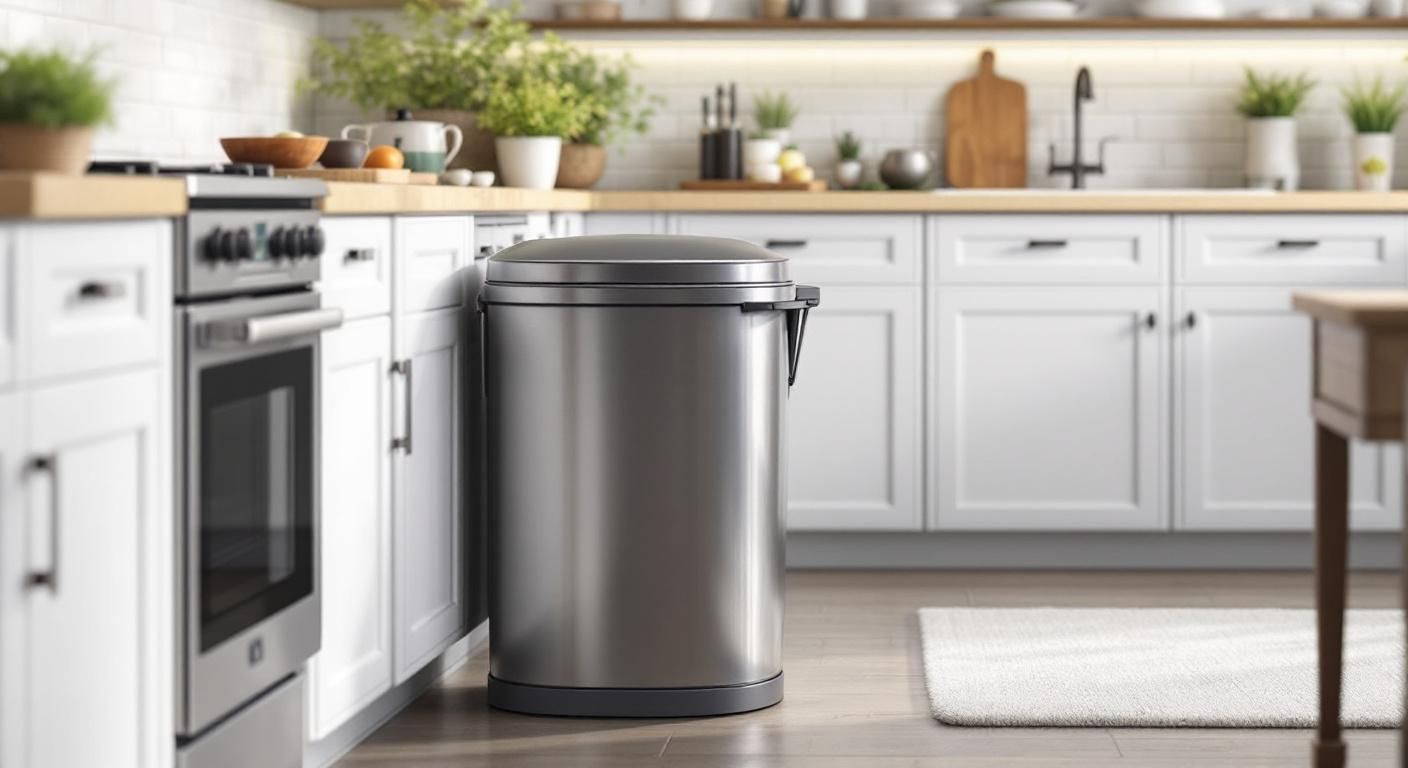
Optimal Trash Can Locations in the Kitchen
Finding the right place for your trash can is crucial for maintaining a clean and efficient kitchen. One of the best locations is under the sink, where it can be easily accessed while preparing food. This placement minimizes mess and keeps the trash out of sight. Another effective option is next to the kitchen island or counter where most food prep occurs, allowing for quick disposal of scraps. Additionally, consider positioning a smaller bin near the cooking area for quick access during meal preparations.
Under the Sink
Placing a trash can under the sink is a classic choice. It keeps the can hidden and out of the way while allowing easy access for disposing of food waste. Ensure that the area is well-ventilated to avoid odors and that the can is lined for hygiene.
Next to the Counter
Positioning a trash can next to the main food prep area can streamline the cooking process. This placement makes it convenient to toss away scraps without interrupting your workflow. Opt for a can with a lid to contain odors and maintain cleanliness.
In-Cabinet Solutions
For a sleek look, consider installing a pull-out trash bin inside a cabinet. This keeps the trash can concealed while providing easy access. Ensure the cabinet is sturdy enough to support the bin and is close to the prep areas to maximize efficiency.
Key Points:
- Trash can placement impacts kitchen efficiency.
- Accessibility is key to maintaining cleanliness.
💡 Consider the frequency of use when choosing the location.
💡 Ensure the trash can is easily accessible to all kitchen users.
💡 Regularly assess the location based on changes in kitchen layout or usage.
Design Considerations for Kitchen Trash Can Placement
When deciding where to put your trash can in the kitchen, consider both functionality and aesthetics. The trash can should complement the kitchen’s design while remaining practical. Choose a location that maintains traffic flow and does not disrupt movement in the kitchen. Additionally, ensure that the placement allows for easy cleaning around the area to prevent accumulation of crumbs and spills.
Maintaining Aesthetic Appeal
Select a trash can that matches your kitchen decor—this can be a decorative bin or one that fits within a cabinet. A visually appealing trash can can enhance the overall look of the kitchen while serving its purpose effectively.
Traffic Flow Considerations
The trash can should not obstruct pathways or be placed in high-traffic areas. It’s important to keep the kitchen functional. Place it in a way that allows for easy access without causing congestion during meal prep or while entertaining guests.
Cleaning and Maintenance
Choose a location that allows for easy cleaning. Ensure the area around the trash can is accessible for regular cleaning to prevent odors and pests. Consider a location that doesn’t require moving other items to clean effectively.
Key Points:
- Functionality should not compromise aesthetics.
- Proper placement ensures a clean and organized kitchen.
💡 Evaluate your kitchen layout regularly for optimal placement.
💡 Use decorative bins to seamlessly integrate the trash can into your kitchen design.
💡 Regularly clean the area around the trash can to enhance hygiene.
EXPERT TIPS Pro Advice
Utilize Vertical Space
If floor space is limited, consider using vertical storage solutions to mount a trash can inside cabinets or on walls. This keeps the can accessible without taking up precious floor space.
Think About Recycling
Incorporate a separate bin for recyclables. Placing it near the main trash can encourages recycling habits and keeps the kitchen organized.
Assess Usage Frequency
Regularly evaluate how often you use the trash can and adjust its location accordingly. If you frequently find yourself moving to reach it, consider relocating for convenience.
Choose the Right Size
Select a trash can size that fits your kitchen needs without overwhelming the space. A can that’s too large can take up valuable space, while one that’s too small may require constant emptying.
Involve the Family
Ensure that everyone who uses the kitchen agrees on the trash can location. This promotes consistent usage and keeps the area tidy.
Frequently Asked Questions
Conclusion
Selecting the right location for your kitchen trash can is essential for efficiency and cleanliness. Consider ease of access, aesthetics, and waste management needs when choosing the spot. Hiding the can and opting for a cover can enhance both functionality and hygiene.
🎯 Key Takeaways:
- Position the trash can near prep areas for easy access.
- Consider hiding options to maintain a clean look.
- A covered bin helps reduce odors and pests.
- Choose a size based on your household waste output.
Expert Advice: Evaluate your kitchen layout and waste habits to find the best trash can placement. Prioritize convenience and cleanliness to enhance your cooking space.
Take a moment to assess your kitchen and consider these tips for optimal trash can placement.