How to Make Compost at Home with Kitchen Waste: A Simple Guide
Are you tired of throwing away kitchen scraps that could be transformed into nutrient-rich compost? According to the EPA, food waste accounts for nearly 30-40% of the U.S. food supply. By learning how to make compost at home with kitchen waste, you can not only reduce landfill contributions but also enrich your garden soil. With over 15 years of experience in sustainable gardening practices, I will guide you through the easy steps of composting, from what materials to use to how to maintain your compost pile. In this article, you will discover the essential techniques and tips for creating your own compost at home, empowering you to contribute to a healthier environment while growing vibrant plants.
Understanding Composting Basics
Composting is a natural process that transforms organic matter, such as kitchen waste, into nutrient-rich soil. This process not only reduces waste but also enriches garden soil, promoting plant health. Understanding the essentials of composting is crucial for success. The decomposition process involves microorganisms breaking down organic material in a controlled environment, which can be achieved in your backyard or kitchen. A balanced mix of ‘greens’ and ‘browns’ is vital for effective composting. Greens provide nitrogen, while browns supply carbon, both necessary for microbial growth.
What Can Be Composted?
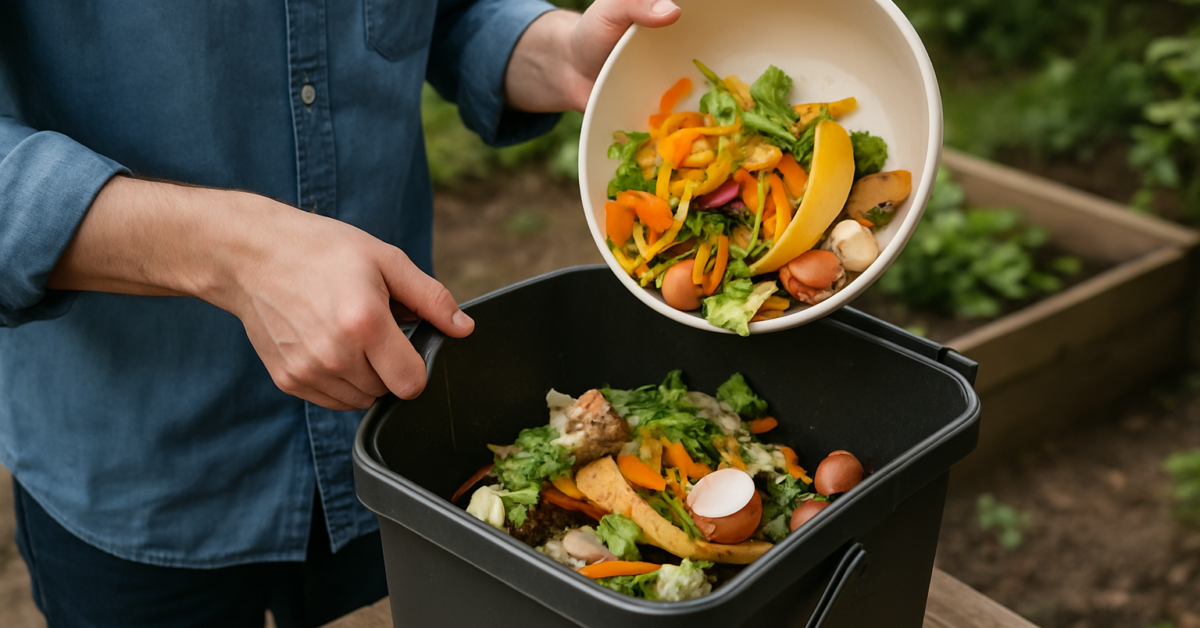
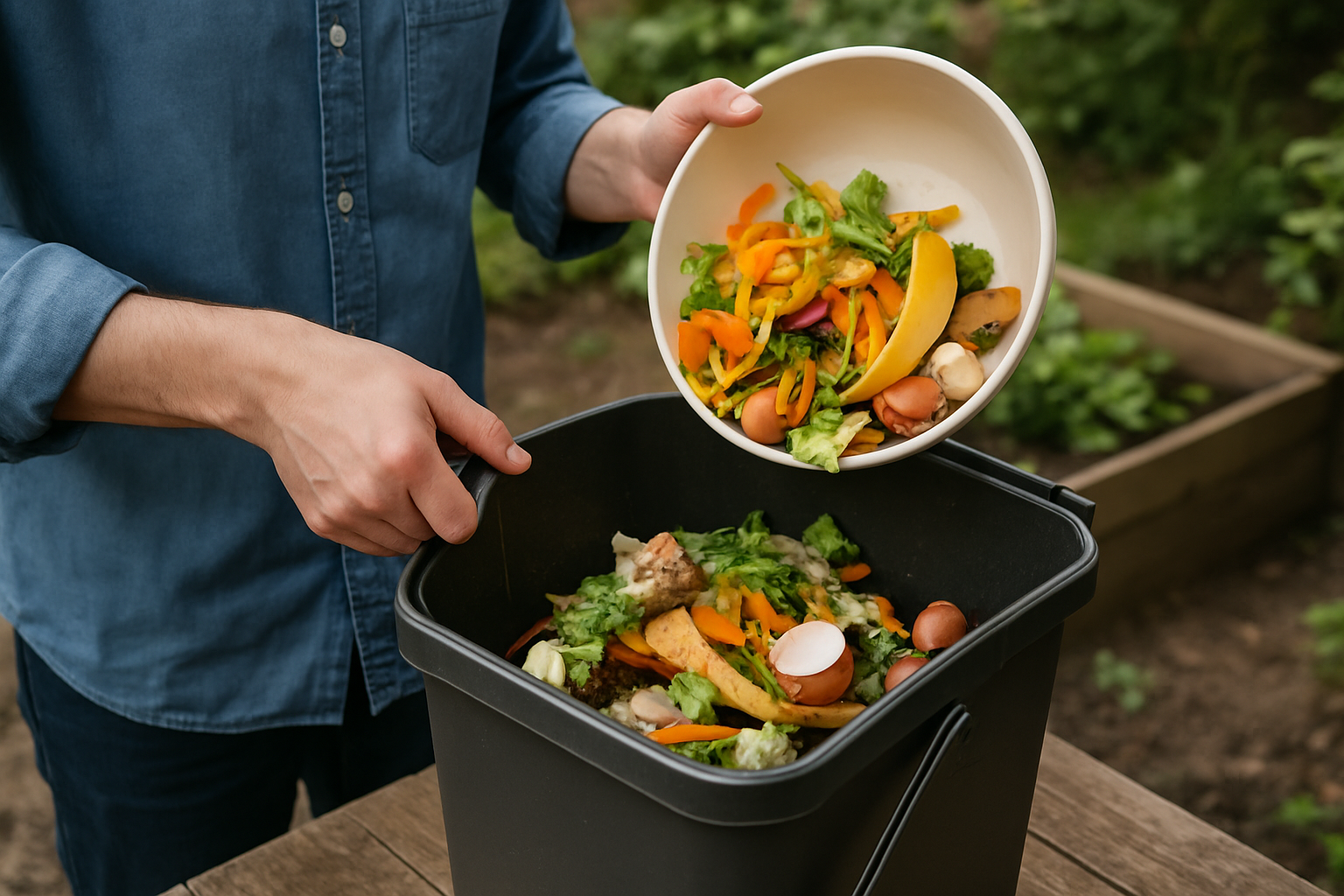
Most kitchen scraps can be effectively composted, including fruit and vegetable peels, coffee grounds, and eggshells. However, it’s important to avoid certain items like meat, dairy, and oily foods, as they can attract pests and create odors. Understanding what constitutes kitchen waste is key to creating a healthy compost pile.
Composting Methods
There are several methods for composting at home, including traditional compost piles, bins, and vermicomposting with worms. Each method has its benefits depending on available space and desired speed of compost production. Traditional piles require more space but can handle larger amounts, while bins are cleaner and more contained. Vermicomposting can be done indoors and is quick, producing nutrient-rich worm castings.
💡 Balance greens and browns for optimal composting
💡 Turn your compost regularly to aerate it
Setting Up Your Composting System
Establishing a composting system at home is an accessible way to manage kitchen waste. The first step is to select an appropriate location that is convenient yet unobtrusive. Ideally, the site should receive some sunlight and be well-drained. Next, choose a composting method that suits your lifestyle, whether it be a compost bin or a simple pile. Make sure to layer materials properly, starting with coarse browns at the bottom to ensure aeration, followed by alternating layers of greens and browns. Regularly monitoring moisture and temperature will also enhance decomposition efficiency.
Choosing the Right Location
Select a dry, shaded area in your yard or a spot on your balcony if composting indoors. The location should be easily accessible for adding materials and turning the compost. Avoid areas that become waterlogged, as excess moisture can hinder the decomposition process. A well-chosen spot will promote better airflow and heat retention.
Layering Your Compost
Proper layering is essential for effective composting. Start with a layer of coarse materials like twigs or straw to facilitate airflow. Then add alternating layers of green materials, such as vegetable scraps, and brown materials, like dried leaves. This layering technique helps maintain the right moisture and aeration levels, speeding up decomposition while reducing odors.
💡 Monitor moisture levels; compost should be damp but not soggy
💡 Turn your compost every few weeks to promote aeration
Understanding the Composting Process
Composting is a natural process that transforms kitchen waste and yard debris into nutrient-rich soil. Understanding the composting process is essential for successful composting at home. The primary components of compost are carbon-rich materials (browns) and nitrogen-rich materials (greens). Balancing these components is key to creating a healthy compost pile. The decomposition process is influenced by factors such as moisture, aeration, and temperature, which need to be monitored. Regularly turning the compost helps to aerate it, allowing microorganisms to thrive and break down the material more efficiently. For those new to composting, starting with a small pile and gradually adding materials can help manage the process effectively.
Essential Ingredients for Compost
To create effective compost, you’ll need a mix of browns and greens. Browns include materials like dried leaves, cardboard, and straw, providing carbon. Greens consist of kitchen scraps like vegetable peels, coffee grounds, and grass clippings, supplying nitrogen. A good ratio is about three parts browns to one part greens. Additionally, avoid adding meat, dairy, and oily foods, as they can attract pests and create odors. The right mix will accelerate decomposition and yield high-quality compost.
Monitoring the Compost Pile
Regularly checking your compost pile is crucial for successful composting. Monitor moisture levels; the compost should be as damp as a wrung-out sponge. If it’s too dry, add water or more greens. If too wet, incorporate more browns to absorb excess moisture. Temperature is another critical factor; a hot compost pile (130-160°F) indicates active decomposition. Use a compost thermometer to check the heat. Turning the pile every few weeks introduces oxygen, which is essential for aerobic bacteria and speeds up the composting process.
💡 Start small with kitchen scraps to avoid overwhelming yourself
💡 Balance materials carefully for efficient decomposition
Advanced Composting Techniques
For those looking to enhance their composting skills, advanced techniques can optimize the process. Hot composting, for instance, involves maintaining higher temperatures to accelerate decomposition. This method requires a larger pile, ideally at least three feet in all dimensions. Additionally, using a compost bin can help retain heat and moisture while keeping pests out. Another technique is vermicomposting, which utilizes worms to break down kitchen waste. This method is particularly useful for indoor composting and produces nutrient-rich worm castings that enhance soil fertility.
Hot Composting Method
Hot composting relies on maintaining temperatures between 130-160°F to promote rapid breakdown of materials. Start by layering browns and greens and ensure the pile reaches at least three feet tall. Monitor the temperature regularly and turn the pile every few days to maintain aeration and heat. This method can produce finished compost in as little as 4-6 weeks, significantly faster than traditional composting.
Vermicomposting Basics
Vermicomposting uses worms, particularly red wigglers, to decompose organic waste. Set up a worm bin with bedding materials like shredded newspaper and add kitchen scraps. Keep the bin moist and well-ventilated. The worms will break down the waste and produce nutrient-rich castings, which can be used as a natural fertilizer. This method is perfect for small spaces and can be done indoors.
💡 Experiment with different composting methods to find what works best for you
💡 Maintain a diverse mix of materials for balanced compost
EXPERT TIPS Pro Advice
Layer your compost materials
Layering helps create air pockets and improves drainage, fostering a more efficient composting process.
Keep a compost journal
Documenting what you add and how your pile changes over time can help you refine your composting technique.
Use a compost thermometer
Monitoring the temperature helps you understand the decomposition process and ensures your compost is working effectively.
Consider bokashi composting
This method ferments kitchen waste, making it easier to compost and allows for the inclusion of meat and dairy.
Regularly check for pests
Keeping an eye out for pests allows for early intervention, ensuring your compost remains healthy and odor-free.
Frequently Asked Questions
Conclusion
Composting at home with kitchen waste is an effective way to reduce waste and enrich your garden. By using the right materials and maintaining an ideal environment, you can produce nutrient-rich compost. Remember to balance greens and browns, and regularly turn your pile for best results.
🎯 Key Takeaways:
- Use vegetable scraps, fruit peels, and yard waste for composting.
- Avoid meat and dairy to prevent pests.
- Maintain a moisture level similar to a damp sponge.
- Turn your compost pile every few weeks for aeration.
- Aim for a 1:3 ratio of greens to browns.
Expert Advice: Start small and gradually increase your composting efforts as you learn. Track your progress and adjust your methods for optimal results. Composting can be a rewarding and sustainable practice that benefits both your garden and the environment.
Begin your composting journey today by collecting kitchen scraps and setting up your composting area!