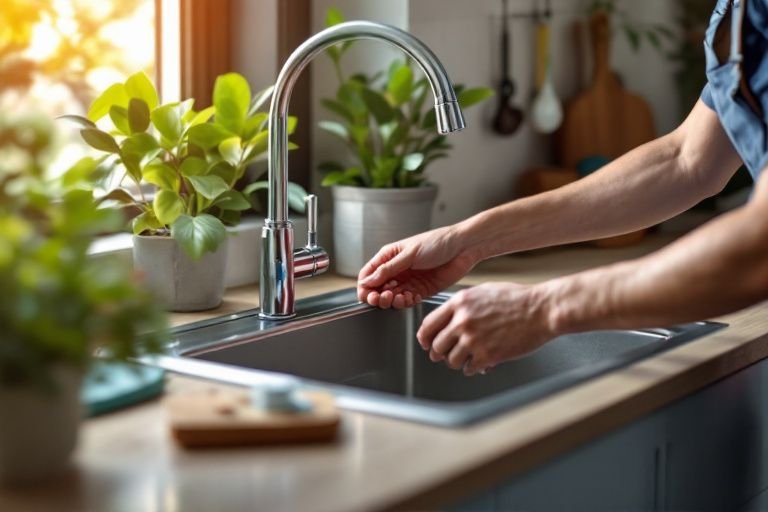
Are you tired of your old kitchen sink and ready for an upgrade? Installing a new kitchen sink can seem daunting, but with the right guidance, it can be a manageable DIY project. In this comprehensive article on how to install a kitchen sink, we will walk you through each step of the process, ensuring you have the knowledge and confidence needed to tackle this home improvement task. With over 15 years of experience in home renovation and plumbing, I will share essential tips and common pitfalls to avoid. By the end, you’ll not only understand the installation process but also feel empowered to enhance your kitchen space with a functional and stylish sink.
Understanding the Basics of Kitchen Sink Installation
Installing a kitchen sink is a common home improvement task that can enhance both functionality and aesthetics. Before diving into the installation process, it’s crucial to grasp the fundamental components involved. The primary elements include the sink itself, the faucet, the drainage system, and the supply lines. Each component plays a vital role in ensuring a smoothly functioning kitchen. Understanding these elements helps in identifying the right tools and materials needed for the installation. Moreover, it’s beneficial to familiarize yourself with local plumbing codes to ensure compliance and avoid potential issues.
Types of Kitchen Sinks
There are several types of kitchen sinks, including top-mount, under-mount, and farmhouse sinks. Each type has its own installation requirements and aesthetics. Top-mount sinks are installed above the counter, making them easier to replace. Under-mount sinks offer a seamless look but require more precise measurements during installation. Farmhouse sinks, known for their depth and unique style, often require modifications to existing cabinetry. Knowing the type of sink you want is essential for a successful installation.
Essential Tools and Materials
To install a kitchen sink, you will need a range of tools and materials. Basic tools include a wrench, screwdriver, and pliers for plumbing adjustments. Additionally, you’ll need plumbing tape, silicone sealant, and possibly new supply lines. Having all necessary tools at hand before starting will streamline the process and prevent interruptions. Ensure you also have a clean workspace and protective gear, such as gloves and safety glasses, for safety during the installation.
Key Points:
- Understanding sink types aids in selecting the right one for your kitchen.
- Having the right tools ready makes the installation process more efficient.
💡 Measure your space accurately before purchasing a sink to avoid fitting issues.
💡 Familiarize yourself with local plumbing codes to ensure compliance during installation.
Step-by-Step Kitchen Sink Installation Process
Once you’ve gathered your tools and chosen your sink, it’s time to begin the installation process. Start by turning off the water supply to avoid leaks and flooding. Next, remove the old sink and clean the area thoroughly to ensure a proper fit for the new unit. Follow manufacturer instructions carefully, as different sink types may have specific requirements. The installation typically involves positioning the sink, securing it with brackets or clips, and connecting the plumbing components. Careful attention to each step is crucial for a leak-free installation.
Removing the Old Sink
To remove the old sink, first disconnect the water supply lines and drain pipes. Use a wrench to loosen any fittings. Gently lift the sink from its position, taking care not to damage the countertop. If the sink is sealed with caulk, you may need a utility knife to cut through the seal. Once removed, inspect the plumbing to ensure it is in good condition before proceeding with the installation of the new sink.
Installing the New Sink
Begin by placing the new sink in the designated area and ensuring it fits properly. Apply silicone sealant around the edges of the sink to create a watertight seal. Secure the sink using the provided brackets or clips, following the manufacturer’s guidelines. Connect the drain and supply lines, ensuring all connections are tight to prevent leaks. Finally, turn on the water supply and test for any leaks, making adjustments as necessary.
Key Points:
- Proper removal of the old sink is essential for a smooth installation process.
- Sealing and securing the new sink correctly prevents future leaks.
💡 Always turn off the water supply before starting to avoid accidents.
💡 Double-check all connections before testing the water to ensure everything is secure.
Preparing for Installation
Before diving into the installation of your kitchen sink, it’s crucial to gather the necessary tools and prepare the workspace. Start by shutting off the water supply and removing the old sink, if applicable. Use a basin wrench and screwdriver for this task. Clean the countertop area thoroughly to ensure a good seal with the new sink. Measure the sink opening to confirm that the new sink fits properly. This step is essential to avoid any last-minute surprises during installation.
Gather Necessary Tools
Equip yourself with basic plumbing tools like a basin wrench, adjustable wrench, plumber’s putty, and a screwdriver. Having these tools ready will streamline the installation process. A cutting tool may also be necessary if adjustments to the countertop are required. Ensure you have a bucket on hand to catch any residual water during the removal of the old sink.
Measure and Prepare the Workspace
Accurate measurements are vital for a successful sink installation. Measure the dimensions of the sink opening and ensure that your new sink matches these measurements. Clear the area around the sink to provide ample working space and minimize the risk of damage during installation. A clean workspace increases efficiency and helps you stay organized.
Key Points:
- Preparing the workspace is as crucial as the installation itself.
- Accurate measurements prevent complications during the installation.
💡 Always wear gloves to protect your hands from sharp edges while working on the sink.
💡 Consider having a helper assist you with lifting and positioning the sink for better accuracy and safety.
Installing the Sink
With the preparation complete, it’s time to install the kitchen sink. Begin by applying plumber’s putty around the sink’s edge before lowering it into the countertop opening. Ensuring a proper seal is critical to prevent leaks. Secure the sink with mounting clips or brackets as specified in the installation instructions. After the sink is in place, connect the plumbing, including the water supply lines and drain. This stage requires careful attention to avoid leaks and ensure functionality.
Securing the Sink
After placing the sink into the opening, use mounting clips or brackets to secure it firmly to the countertop. Tightening these clips ensures that the sink does not shift over time. Check the manufacturer’s instructions for specific guidance on how to correctly install these fixtures. Proper securing is essential to avoid future leaks or sink movement.
Connecting Plumbing Components
Once the sink is secured, connect the plumbing components, including the water supply and drainage systems. Make sure to use Teflon tape on threads to ensure a watertight seal. Turn the water supply back on slowly and check for any leaks around the connections. Testing your connections promptly can save you from larger issues down the line.
Key Points:
- A watertight seal is essential to prevent leaks from the sink.
- Testing connections after installation can reveal issues before they escalate.
💡 Always test for leaks immediately after installation; early detection can prevent extensive water damage.
💡 If you’re unsure about plumbing connections, consult a professional to avoid costly mistakes.
EXPERT TIPS Pro Advice
Double-check measurements before purchasing a new sink.
This ensures that your new sink will fit properly, avoiding the hassle of returns or modifications.
Use plumber’s putty generously but not excessively.
A proper amount helps create a watertight seal without making a mess, ensuring effective installation.
Have a towel handy for spills.
This allows you to quickly manage any water that escapes during the installation process, keeping your workspace clean.
Familiarize yourself with local plumbing codes.
Understanding these regulations can prevent legal issues and ensure a compliant installation.
Take your time with each step.
Rushing can lead to mistakes; a careful approach ensures a successful and durable installation.
Frequently Asked Questions
Conclusion
Installing a kitchen sink can be a rewarding DIY project if approached with the right tools and preparation. By understanding the necessary steps, such as using plumber’s putty and ensuring proper sealing, you can achieve a successful installation. Take your time and follow guidelines carefully for the best results.
🎯 Key Takeaways:
- Gather essential tools like wrenches and putty.
- Prepare the work area by clearing and cleaning.
- DIY installation is feasible with basic plumbing skills.
- Use plumber’s putty for effective sealing.
- Check for leaks after installation.
Expert Advice: Approach your kitchen sink installation methodically, and don’t rush the process. Ensure each step is completed correctly for long-lasting results, and don’t hesitate to seek help if needed.
Start your kitchen sink installation journey by researching specific guides and preparing your workspace today!