How Can I Get Rid of Gnats in the Kitchen Effectively?
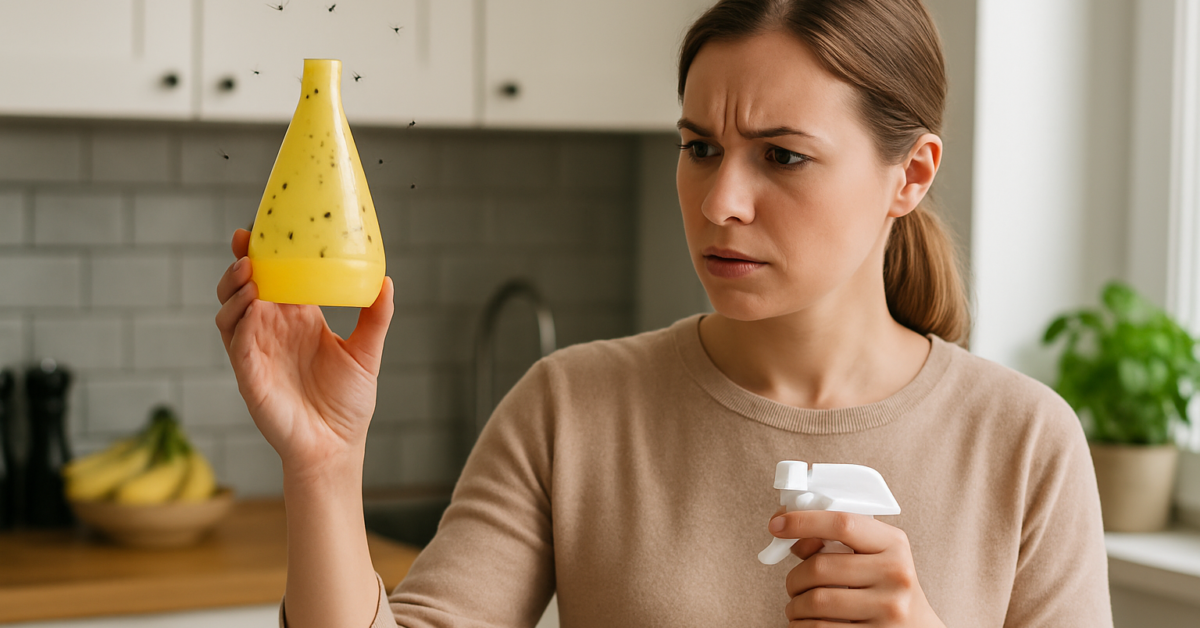
Are you frustrated by tiny flying pests invading your kitchen? Gnats can be an annoying presence, often attracted to food and moisture. According to pest control experts, gnats breed quickly, making it essential to take swift action. In this article, we will delve into effective strategies on how can I get rid of gnats in the kitchen and restore your peace of mind. You’ll learn about the common causes of gnat infestations, practical preventive measures, and simple DIY solutions to eliminate them. Whether you’re dealing with fruit flies or drain flies, we have the tips you need to tackle this problem effectively.
Understanding Gnats: Types and Behavior
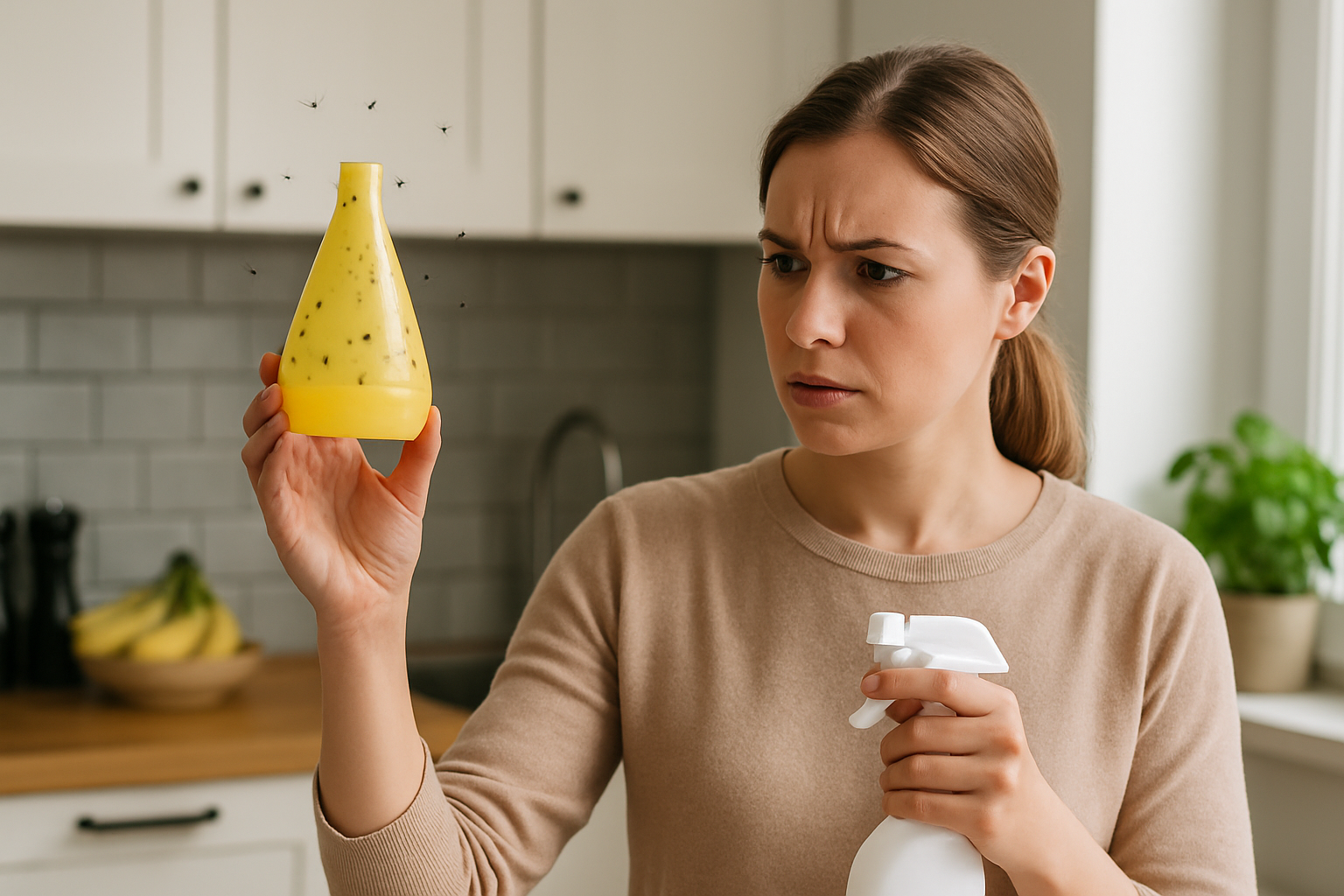
Gnats are small flying insects that can be a nuisance in the kitchen. The most common types include fruit flies, fungus gnats, and drain flies. Understanding their behavior is crucial for effective eradication. Gnats are attracted to moisture, decaying organic matter, and food residues. They reproduce quickly, making their populations grow rapidly if not addressed promptly. Identifying the specific type of gnat will help tailor your approach to removal and prevention. For instance, fruit flies are often found near ripe or rotting fruits, while fungus gnats thrive in overwatered plants.
Common Types of Kitchen Gnats
Fruit flies, with their tan bodies and red eyes, are often found around fruits and vegetables. Fungus gnats are small, dark flies that commonly infest houseplants, while drain flies appear as fuzzy, moth-like insects around sinks and drains. Each type has unique breeding grounds and habits that dictate the best eradication methods.
Life Cycle and Reproduction
Gnats reproduce quickly, with females laying hundreds of eggs in moist environments. The life cycle progresses from egg to larva to adult, with the entire process taking only a week in ideal conditions. Understanding this cycle can help you time your interventions effectively, as eliminating breeding sites is crucial for breaking the cycle.
💡 Keep surfaces clean to prevent attracting gnats
💡 Regularly check and manage indoor plants to avoid fungus gnats
Identifying and Eliminating Gnat Breeding Grounds
To effectively combat gnats in the kitchen, it is essential to identify and eliminate their breeding grounds. Common sources include overripe fruits, unsealed food containers, and damp areas. Regularly inspecting your kitchen for these potential attractants can significantly reduce gnat populations. Additionally, ensure that garbage cans are tightly sealed and cleaned regularly, as they can be a prime breeding ground. Drain flies, for example, thrive in the organic buildup found in sinks and drains, making it vital to maintain cleanliness in these areas.
Inspecting Your Kitchen for Attractants
Begin by examining all food items, particularly fruits and vegetables. Discard any that are overripe or damaged. Check pantry staples, such as grains and flour, to ensure they are sealed and free from pests. Regular inspections help identify problem areas before they escalate into larger infestations.
Cleaning Strategies for Effective Control
Implement a thorough cleaning routine that includes wiping down surfaces, cleaning out drains, and taking out the trash regularly. Use a mixture of vinegar and water to clean surfaces, as this can deter gnats. Pay special attention to areas where moisture accumulates, as gnats thrive in damp environments. A clean kitchen is less inviting to these pests.
💡 Use a mixture of vinegar and water for cleaning surfaces
💡 Regularly dispose of garbage to reduce attractants
Understanding the Gnat Problem in Your Kitchen
Gnats are small flying insects often found in kitchens, particularly fruit flies, drain flies, and fungus gnats. Understanding their life cycle and breeding grounds is crucial for effective removal. Gnats thrive in damp environments, making kitchens an ideal habitat. They are attracted to ripe fruits, vegetables, and any organic matter that can decompose. Regularly inspecting your kitchen for sources of attraction is the first step in getting rid of these pests. This includes checking for overripe produce, spills, and even moisture in drains that can lead to infestations.
Identifying Different Types of Gnats
Different types of gnats require different approaches for elimination. Fruit flies are attracted to fermenting fruits and vegetables. Drain flies prefer the organic matter found in drains. Fungus gnats are often found in potted plants. Identifying the type of gnat can help in pinpointing the source of infestation and applying the right control methods effectively.
Causes of Gnat Infestations
Gnats are drawn to moist surfaces and decomposing organic material. Common causes of infestations in the kitchen include leaving food uncovered, spills on countertops, and unclean garbage disposals. Additionally, overwatering houseplants can create a haven for fungus gnats. Identifying these causes is essential for preventing future infestations.
Key Points:
- Gnats thrive in damp and organic-rich environments.
- Identifying the type of gnat helps in targeting the source effectively.
💡 Keep kitchen surfaces clean and free of food debris to reduce attraction.
💡 Regularly check and remove overripe fruits and vegetables from countertops.
Effective Strategies to Eliminate Gnats
Once you’ve identified the type of gnat and its breeding ground, you can implement effective strategies to eliminate them. This may involve a combination of cleaning, trapping, and preventive measures. Cleaning is paramount; ensuring that all surfaces are sanitized and any potential breeding areas are addressed will significantly reduce gnat populations. Additionally, traps can be effective in catching adult gnats and decreasing their numbers quickly. Regular maintenance and preventive tactics will help keep your kitchen gnat-free in the long term.
Cleaning and Sanitizing
Thoroughly clean your kitchen by wiping down surfaces, emptying trash cans, and cleaning out drains. Use a mixture of vinegar and water to sanitize surfaces and eliminate any lingering food odors that might attract gnats. Pay special attention to areas where food particles can accumulate, such as under appliances and in crevices.
Setting Traps and Baits
Create homemade traps using vinegar, sugar, and dish soap to lure and capture adult gnats. Fill a bowl with a mixture of apple cider vinegar and a few drops of dish soap. The vinegar attracts the gnats while the soap traps them. Place these traps in areas where you frequently see gnats to reduce their numbers effectively.
Key Points:
- Regular cleaning is essential to eliminate gnat breeding grounds.
- Homemade traps can significantly reduce adult gnat populations.
💡 Ensure your garbage disposal is clean to avoid attracting gnats.
💡 Use homemade traps with vinegar to catch adult gnats effectively.
EXPERT TIPS Pro Advice
Monitor moisture levels in your kitchen.
Gnats are attracted to moisture; keeping humidity levels low will make your kitchen less hospitable to them.
Seal gaps and cracks in kitchen surfaces.
Sealing entry points can prevent gnats from finding their way into your kitchen.
Regularly inspect houseplants for signs of fungus gnats.
Checking plants frequently can help catch infestations early before they spread.
Use essential oils as a natural repellent.
Certain essential oils, like peppermint and eucalyptus, can deter gnats. Use them in a diffuser or as a spray.
Frequently Asked Questions
Conclusion
Gnats in the kitchen can be a nuisance but can be effectively managed through natural methods. By identifying what attracts them and maintaining cleanliness, you can significantly reduce their presence. Implementing preventive measures will keep your kitchen gnat-free over time.
🎯 Key Takeaways:
- Gnats are attracted to overripe fruits and moist environments.
- Natural traps using vinegar can effectively catch gnats.
- Maintaining cleanliness is key to preventing gnats.
- Essential oils can serve as a natural repellent.
- Avoid chemical sprays unless necessary.
Expert Advice: Stay vigilant in maintaining a clean kitchen and promptly address any signs of gnats. Consistent efforts in hygiene and preventive measures will yield lasting results.
Take the first step by cleaning your kitchen thoroughly today to help eliminate any existing gnat problems.