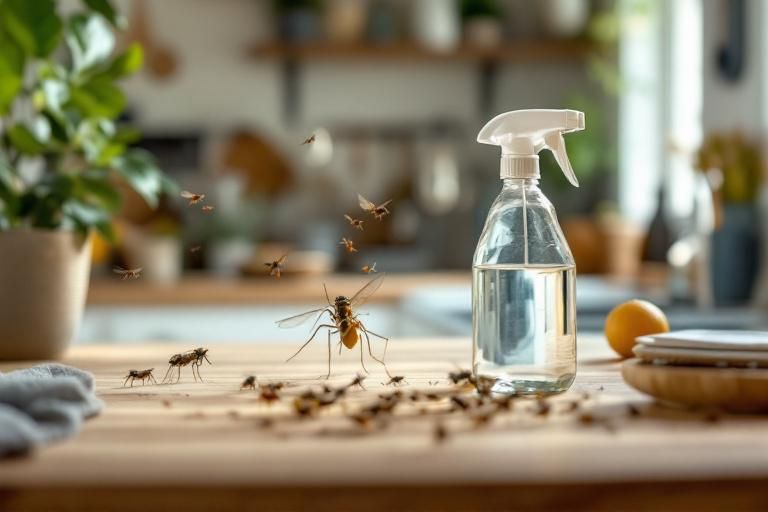
Are you tired of battling a gnat invasion in your kitchen? These tiny pests can quickly become a nuisance, buzzing around your food and creating an unhygienic environment. Understanding how can you get rid of gnats in your kitchen is essential for maintaining a clean and healthy space. With over 15 years of experience in pest control solutions and home maintenance, I can guide you through effective strategies to eliminate these unwanted guests. In this article, you will learn about the common causes of gnat infestations, proven methods to get rid of them, and preventative measures to keep your kitchen gnat-free in the future.
Understanding Gnats: Identification and Behavior
Gnats are small flying insects that often invade kitchens, particularly in warmer months. They are typically attracted to moist environments and decaying organic matter. Identifying the specific type of gnat is crucial for effective control. Common types include fruit flies, fungus gnats, and drain flies. Each type has distinct breeding grounds and behaviors, making targeted intervention essential. Gnats reproduce rapidly, with females laying hundreds of eggs, leading to swift infestations. They thrive in areas where food is exposed or waste is present, making kitchens a prime location for their activities.
Types of Gnats
Understanding the different types of gnats can help you tailor your approach to eliminate them. Fruit flies are attracted to overripe fruits and vegetables, while fungus gnats are drawn to moist soil in houseplants. Drain flies usually breed in stagnant water found in drains. Identifying the type will guide your cleaning and prevention strategies.
Life Cycle of Gnats
Gnats have a quick life cycle, typically lasting about eight to ten days from egg to adult. They lay eggs in moist areas, and the larvae feed on organic matter. Knowing this cycle can help you time your interventions more effectively. Regular cleaning can disrupt their lifecycle, making it harder for them to reproduce.
Attraction Factors
Gnats are primarily attracted to food sources, moisture, and decaying organic material. Common kitchen attractions include exposed food, dirty dishes, spills, and even houseplants with damp soil. Identifying these sources in your kitchen can help in developing an effective elimination strategy.
Key Points:
- Identify the type of gnat for targeted control
- Understand the life cycle to time interventions
- Recognize attraction factors to eliminate breeding grounds
Preventive Measures to Keep Gnats at Bay
Prevention is a key strategy in managing gnat populations in your kitchen. By eliminating potential breeding grounds and maintaining cleanliness, you can significantly reduce the likelihood of an infestation. Start by sealing food items properly and ensuring that all spills are cleaned immediately. Regularly check and clean drains, as stagnant water can be a breeding ground for drain flies. Additionally, consider reducing moisture levels in your kitchen, particularly around plants and sinks, to deter these pests from settling in.
Proper Food Storage
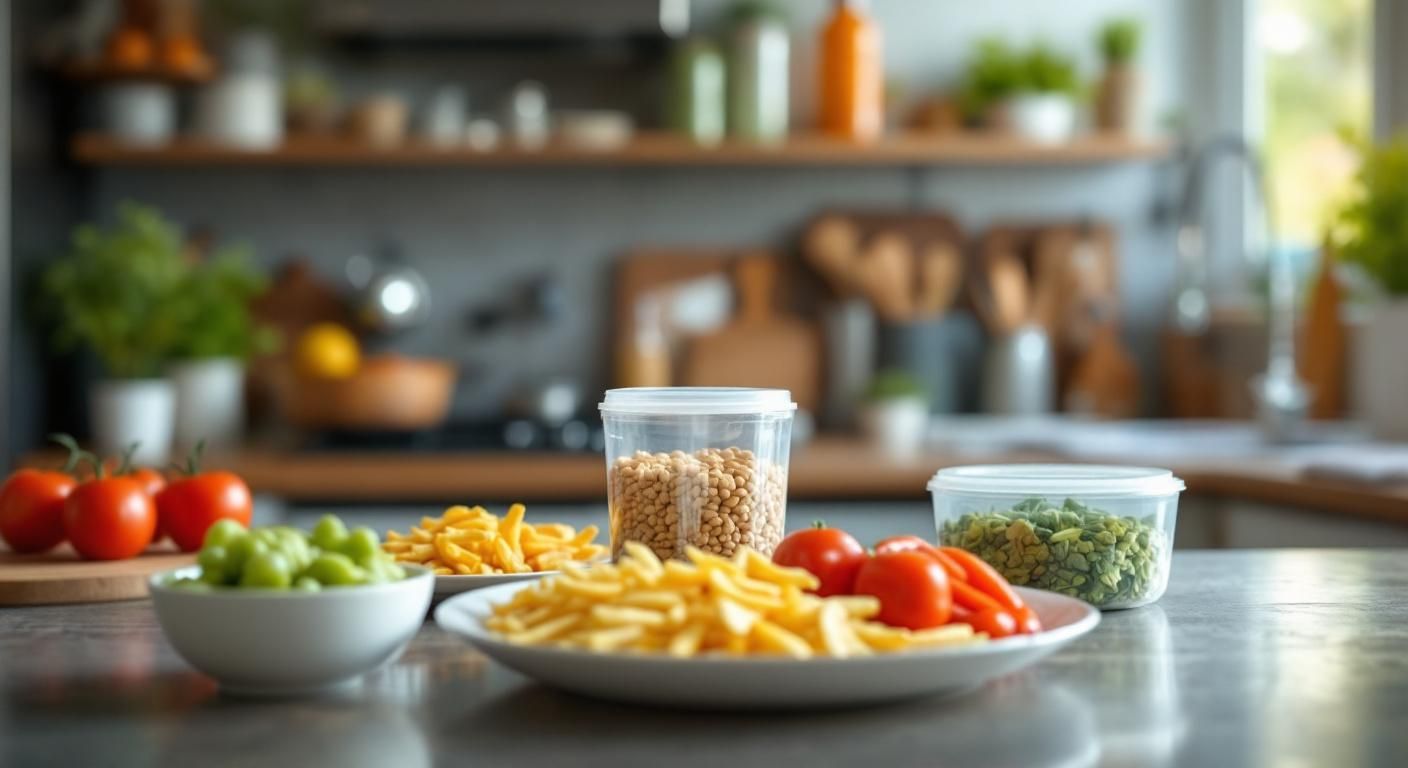
Store fruits and vegetables in the refrigerator to prevent attracting fruit flies. Use airtight containers for pantry items to keep them safe from gnats. Regularly check for overripe produce and dispose of it promptly to minimize attractants in your kitchen.
Regular Cleaning Routines
Establish a routine for cleaning kitchen surfaces, including countertops and sink areas. Wipe down surfaces daily to remove any food particles or spills. Don’t forget to clean inside cabinets and under appliances, where crumbs and moisture can accumulate, creating a perfect habitat for gnats.
Moisture Control
Reduce excess moisture around your kitchen by fixing leaky faucets and ensuring good ventilation. Avoid overwatering houseplants, as soggy soil can attract fungus gnats. Keeping your kitchen dry and well-aired helps to deter gnats from making it their home.
Key Points:
- Implement proper food storage techniques
- Establish a consistent cleaning routine
- Control moisture levels to deter gnat attraction
Understanding Gnat Infestations
Gnats are small flying insects that can invade your kitchen, particularly in warm, moist environments. They are often attracted to decaying organic matter, such as overripe fruits, vegetables, and damp areas. Understanding their life cycle and behavior is crucial for effective eradication. Adult gnats lay eggs in moist soil or decaying matter, leading to rapid population growth if not addressed promptly. Identification of the specific type of gnat—fruit flies, drain flies, or fungus gnats—can help tailor your approach for elimination. Recognizing their breeding sites and food sources is essential for a comprehensive strategy.
Identifying the Source
To effectively eliminate gnats, start by locating their breeding grounds. Check for overripe fruits stored on countertops, stagnant water in plant saucers, or unclean kitchen drains. These areas are common hotspots for gnat infestations. By identifying the source, you can target your cleaning efforts and prevent future outbreaks. Regular inspections can help catch infestations early and keep your kitchen gnat-free.
Recognizing Gnat Types
Different types of gnats may require different elimination tactics. Fruit flies are attracted to fermenting foods and typically hover around fruit bowls, while drain flies breed in sewage and decaying organic matter found in drains. Fungus gnats thrive in potting soil and can damage houseplants. By understanding the specific gnat type, you can apply the most effective control measures to eradicate them.
Key Points:
- Gnats thrive in moist, decaying environments.
- Identifying the source is key to effective elimination.
💡 Regularly inspect and remove potential food sources to limit gnat attractions.
💡 Maintain cleanliness in your kitchen to disrupt gnat breeding cycles.
Practical Elimination Techniques
Once you’ve identified the sources of gnats in your kitchen, the next step is to implement effective removal techniques. These methods range from simple home remedies to more advanced strategies. Home remedies like vinegar traps can effectively capture adult gnats, while thorough cleaning of drains can eliminate breeding sites. For persistent issues, consider using insecticidal soap or essential oils that repel gnats. Combining multiple methods often yields the best results, making it crucial to adopt a comprehensive approach to gnat control.
Homemade Traps
Creating homemade traps can be an effective way to catch adult gnats. A simple vinegar trap involves placing a bowl of apple cider vinegar covered with plastic wrap, punctured with small holes. Gnats are attracted to the vinegar but cannot escape. This method not only captures gnats but also helps monitor their population, allowing you to adjust your cleaning strategy as needed.
Deep Cleaning Techniques
Deep cleaning your kitchen is essential for gnat eradication. Focus on areas often overlooked, such as under appliances, inside cabinets, and around drains. Use a mixture of hot water and soap to scrub drains and eliminate organic buildup. Regularly cleaning your kitchen can drastically reduce gnat populations and deter future infestations.
Key Points:
- Homemade traps can effectively reduce adult gnat populations.
- Deep cleaning is crucial for eliminating breeding sites.
💡 Combine homemade traps with deep cleaning for maximum effectiveness.
💡 Regularly empty and clean kitchen waste bins to prevent gnat attraction.
EXPERT TIPS Pro Advice
Use essential oils like peppermint or eucalyptus as repellents.
These oils not only repel gnats but also provide a pleasant aroma, making your kitchen more inviting.
Seal entry points to prevent gnats from entering.
Ensuring windows and doors are properly sealed reduces the chances of gnats finding their way into your kitchen.
Keep kitchen surfaces dry and clutter-free.
Damp surfaces and clutter can provide ideal breeding grounds for gnats, so maintaining dryness is essential.
Rotate fruits and vegetables frequently.
This practice prevents overripe produce from attracting gnats and helps maintain freshness.
Implement a regular cleaning schedule.
Consistent cleaning reduces organic waste accumulation, making it less likely for gnats to find suitable breeding conditions.
Frequently Asked Questions
Conclusion
Eliminating gnats in your kitchen requires a multifaceted approach, including cleaning and trapping. By addressing food waste, moisture, and using natural remedies, you can effectively reduce their presence. Consistent maintenance is key to preventing future infestations.
🎯 Key Takeaways:
- Identify and eliminate food and moisture sources.
- Use traps like apple cider vinegar to catch gnats.
- Avoid chemical sprays in food areas.
- Regularly clean kitchen surfaces and drains.
- Seal food in airtight containers to prevent access.
Expert Advice: Stay vigilant about cleanliness and moisture control in your kitchen to keep gnats at bay. Regular checks and preventive measures are essential for long-term results.
Start implementing these strategies today to create a gnat-free kitchen environment.