Are you tired of overflowing trash cans in your kitchen? Choosing the right size trash can for kitchen can significantly improve your waste management experience. With a wide range of sizes and styles available, it can be overwhelming to determine which one suits your needs best. As an expert in home organization and waste solutions, I’ll guide you through the essential considerations for selecting the perfect kitchen trash can. In this article, you will learn about the factors influencing size selection, common dimensions available, and tips for maximizing functionality while maintaining your kitchen’s aesthetic. Say goodbye to clutter and hello to a cleaner, more organized kitchen space.
Understanding Kitchen Trash Can Sizes
Choosing the right size trash can for your kitchen is essential for efficient waste management. Kitchen trash cans come in various sizes, typically ranging from 3 to 13 gallons. The appropriate size depends on your household’s waste generation, cooking habits, and the frequency of trash disposal. A smaller can may suffice for singles or couples, while families may require larger options. Additionally, consider the layout of your kitchen; a larger can might be impractical in a small space. Assessing your needs will help you select a can that balances convenience and space efficiency.
Factors Influencing Size Selection
Several factors can influence the size of the trash can needed in your kitchen. Firstly, the number of occupants in your household is a primary consideration. Larger families naturally produce more waste, necessitating a bigger can. Secondly, cooking frequency plays a role; avid cooks may generate more food scraps and packaging. Lastly, the available space in your kitchen can restrict your options; ensure to measure your designated area before purchasing.
Common Trash Can Sizes
Kitchen trash cans typically come in a variety of sizes. The most common sizes include 3-gallon, 5-gallon, 7-gallon, and 13-gallon options. A 3-gallon can is suitable for small kitchens or individuals, while a 5- to 7-gallon can is practical for smaller families. A 13-gallon can is often the standard for most households, providing ample capacity for daily waste without frequent emptying. Understanding these sizes helps in evaluating your specific needs.
Key Points:
- Choose a size based on household size and waste generation
- Consider kitchen space when selecting a trash can
Assessing Your Kitchen Waste Needs
Evaluating your kitchen waste needs is crucial in selecting the proper trash can size. Start by monitoring your waste output over a week. This practice will give you insights into how much trash you typically generate, allowing you to make an informed decision. Also, think about the types of waste you produce, such as recyclables, compostables, or general trash, as this can influence the size and type of bins needed. A well-assessed waste profile will lead to a more efficient waste management system in your kitchen.
Monitoring Waste Output
To determine the right trash can size, track your kitchen waste for a week. Take note of how often you need to empty your current trash can and the volume of waste produced. This data will help you gauge whether a larger or smaller size would better suit your needs. During this monitoring phase, consider keeping a log of waste types to further refine your requirements.
Identifying Waste Types
Different types of waste may require different handling practices. For instance, compostable materials may need a separate bin, while recyclables can be sorted out. Understanding the proportion of food waste, recyclables, and general trash will assist in choosing the right size can. If a large portion of your waste is compostable, consider a smaller kitchen trash can for non-compostables to optimize your waste management.
Key Points:
- Track waste output to determine needs
- Identify types of waste for better can selection
Understanding Kitchen Trash Can Sizes
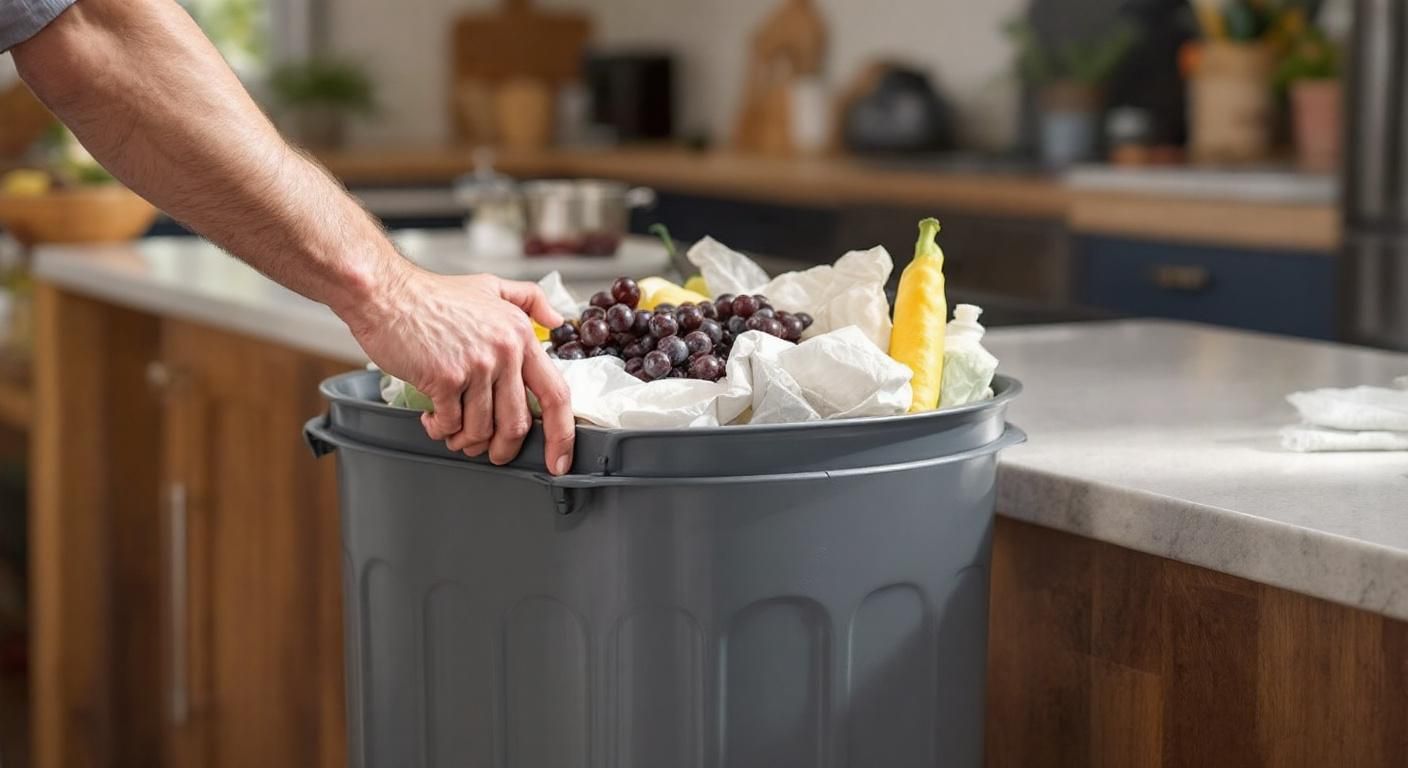
When choosing a trash can size for your kitchen, consider both the available space and your household’s waste generation. Common sizes for kitchen trash cans range from 10 to 13 gallons, which are suitable for most households. However, larger families or those who cook frequently may require bigger capacities, up to 20 gallons or more. Assess your kitchen layout to identify where the trash can will be stored, ensuring it fits without obstructing movement or access to other areas.
Assessing Household Waste Generation
Your household’s waste output plays a crucial role in determining the appropriate trash can size. Track your waste for a week to gauge how much you produce. If you find yourself frequently emptying a smaller can, consider upgrading to a larger size to save time and reduce the number of trips to the outside bin.
Consider Kitchen Layout and Space
Evaluate the layout of your kitchen to find a suitable location for your trash can. Whether under the sink, in a pantry, or in a corner, ensure there is enough space for the can to open easily. A compact model may be appropriate for smaller kitchens, while larger spaces can accommodate bulkier options.
Key Points:
- Household waste generation is a key factor in determining trash can size.
- Kitchen layout can greatly influence the choice of trash can.
💡 Measure your available space before buying a trash can to ensure it fits comfortably.
💡 Opt for a size that suits your waste habits; larger cans may be beneficial for frequent cooks.
Types of Kitchen Trash Cans and Their Capacities
Kitchen trash cans come in various types, each with different capacities suited for specific needs. The most common types include standard, step-on, and pull-out bins. Standard trash cans typically range from 10 to 13 gallons, ideal for average-sized households. Step-on models offer hands-free operation, while pull-out bins hidden in cabinetry maximize space and maintain aesthetics.
Standard Trash Cans
Standard trash cans are versatile and available in sizes from 10 to 13 gallons. They are suitable for most kitchens and can handle daily waste from cooking, packaging, and other household activities. If your kitchen often generates more waste, consider a larger size for efficiency.
Step-on and Sensor Trash Cans
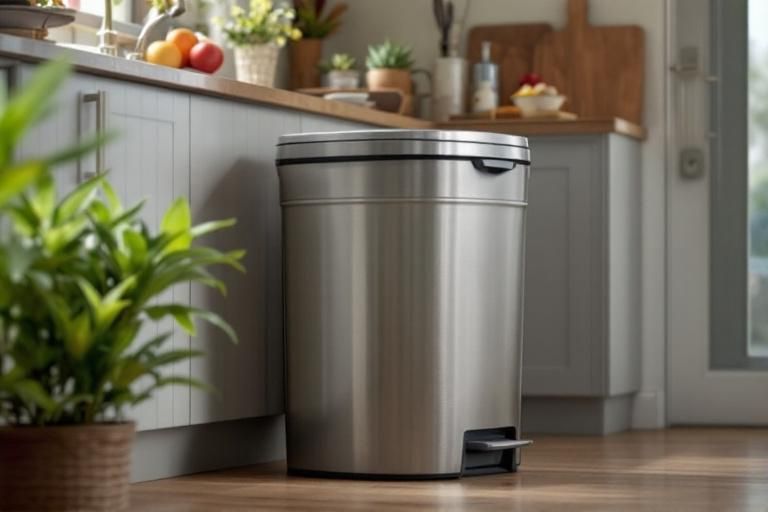
Step-on and sensor trash cans provide convenience, especially when your hands are full. These types typically come in similar sizes as standard cans but offer the added benefit of hygiene by reducing contact with the can’s surface. They are perfect for busy kitchens where quick access is essential.
Key Points:
- Different types of trash cans cater to various needs and preferences.
- Size and features should align with your kitchen habits for optimal use.
💡 Choose a can with a lid for odor control, especially in warmer climates.
💡 Consider a dual-compartment design for recycling and trash to promote eco-friendliness.
EXPERT TIPS Pro Advice
Evaluate your cooking habits.
Understanding how often you cook and the kind of waste you generate can help you select the most suitable size.
Choose a can with a removable liner.
A removable liner simplifies bag changes and cleaning, making maintenance easier and more efficient.
Incorporate recycling bins into your kitchen design.
Having separate bins for waste and recycling encourages responsible disposal practices and can influence the size of your main trash can.
Look for features that enhance usability.
Trash cans with features like foot pedals or touchless sensors improve convenience and hygiene, especially in busy kitchens.
Regularly reassess your needs.
As your household changes, so might your waste production; reassessing can help you determine if you need a different size.
Frequently Asked Questions
Conclusion
Selecting the right size trash can for your kitchen is crucial for efficiency and cleanliness. A 13-gallon size is generally ideal, but consider your specific needs and kitchen space. Features like a lid and foot pedal enhance usability and hygiene.
🎯 Key Takeaways:
- A 13-gallon trash can is often the best choice for kitchens.
- Assess your waste generation to choose the right size.
- Covered trash cans help contain odors and pests.
- Look for functional features like foot pedals and removable buckets.
- Empty trash regularly to maintain a clean kitchen.
Expert Advice: Evaluate your kitchen habits and space to select a trash can that fits seamlessly into your routine. Prioritize functionality and ease of use to enhance your kitchen’s cleanliness.
Take a moment to assess your kitchen’s waste needs and consider upgrading to a more suitable trash can for better efficiency.