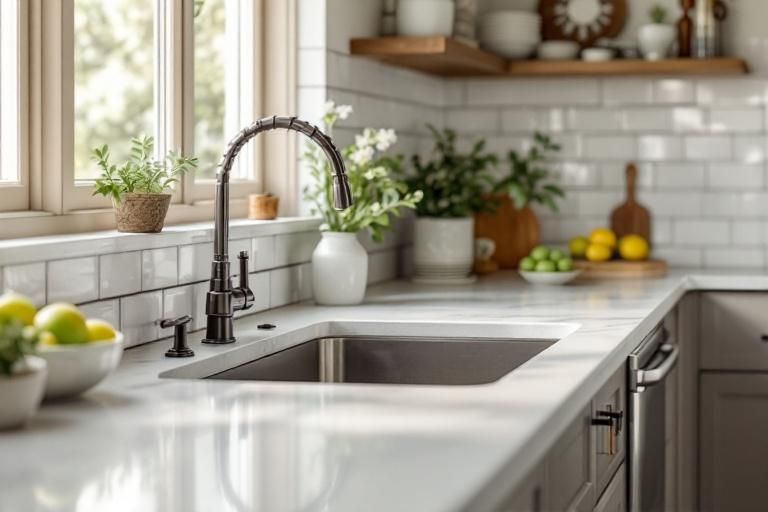
Have you ever wondered, ‘Can I paint my kitchen countertops?’ You’re not alone—many homeowners seek cost-effective ways to refresh their kitchen surfaces. Painting countertops can be an appealing option, but understanding the process and potential pitfalls is crucial. With over 15 years of experience in home improvement and DIY projects, this article will provide you with expert insights into the feasibility of painting your kitchen countertops. You’ll learn about the materials needed, the step-by-step process, and the common mistakes to avoid, ensuring your project is a success. Let’s dive into the world of countertop painting and discover if it’s the right choice for your kitchen renovation.
Understanding the Basics of Painting Kitchen Countertops
Painting kitchen countertops is a viable option for homeowners looking to refresh their kitchen without a complete renovation. While it can be a cost-effective solution, it requires careful consideration of materials, techniques, and the surface’s current condition. Not all countertops are suitable for painting, and some preparation can significantly impact the outcome. Understanding the types of countertops that can be painted and the necessary steps is crucial to achieving a durable and aesthetically pleasing finish.
Types of Countertops Suitable for Painting
Certain countertop materials are more conducive to painting than others. Laminate and wood countertops can typically be painted successfully, while granite and quartz may require specialized treatment or are better left unpainted. Assessing your countertop’s material is the first step in determining if painting is a feasible option. Researching the specific properties of your countertop material is essential to avoid unnecessary complications.
Preparation Steps for Painting Countertops
Proper preparation is vital for a successful paint job. Start by thoroughly cleaning the countertop to remove grease and grime. Next, lightly sand the surface to create a texture that helps the paint adhere better. Applying a primer designed for the specific material can also enhance adhesion and durability. Taking the time to prepare correctly can make a significant difference in the longevity and appearance of the paint.
💡 Evaluate your countertop material before deciding to paint.
💡 Invest time in preparation to ensure long-lasting results.
The Painting Process: Step-by-Step Guide
Once you’ve determined that your kitchen countertops can be painted and have prepared the surface, it’s time to focus on the painting process itself. This involves selecting the right paint, applying it correctly, and ensuring proper curing time to achieve a durable finish. Following a systematic approach can help ensure a successful outcome, minimizing the risk of damage and maximizing the aesthetic appeal of your countertops.
Choosing the Right Paint
Selecting the right paint is crucial for durability and finish. Look for paints specifically formulated for countertops or high-traffic surfaces. These paints are designed to withstand wear and tear, providing a long-lasting finish. Additionally, consider the finish—matte, satin, or glossy—based on your desired aesthetic and practicality.
Application Techniques for Best Results
Applying paint correctly can significantly influence the final appearance. Use a high-quality brush or roller to apply the paint evenly, avoiding drips and streaks. Multiple thin coats are often better than a single thick layer, as they reduce drying times and help prevent peeling. Allow adequate drying time between coats for optimal results.
💡 Opt for countertop-specific paint for durability.
💡 Apply paint in thin layers to prevent drips and ensure a smooth finish.
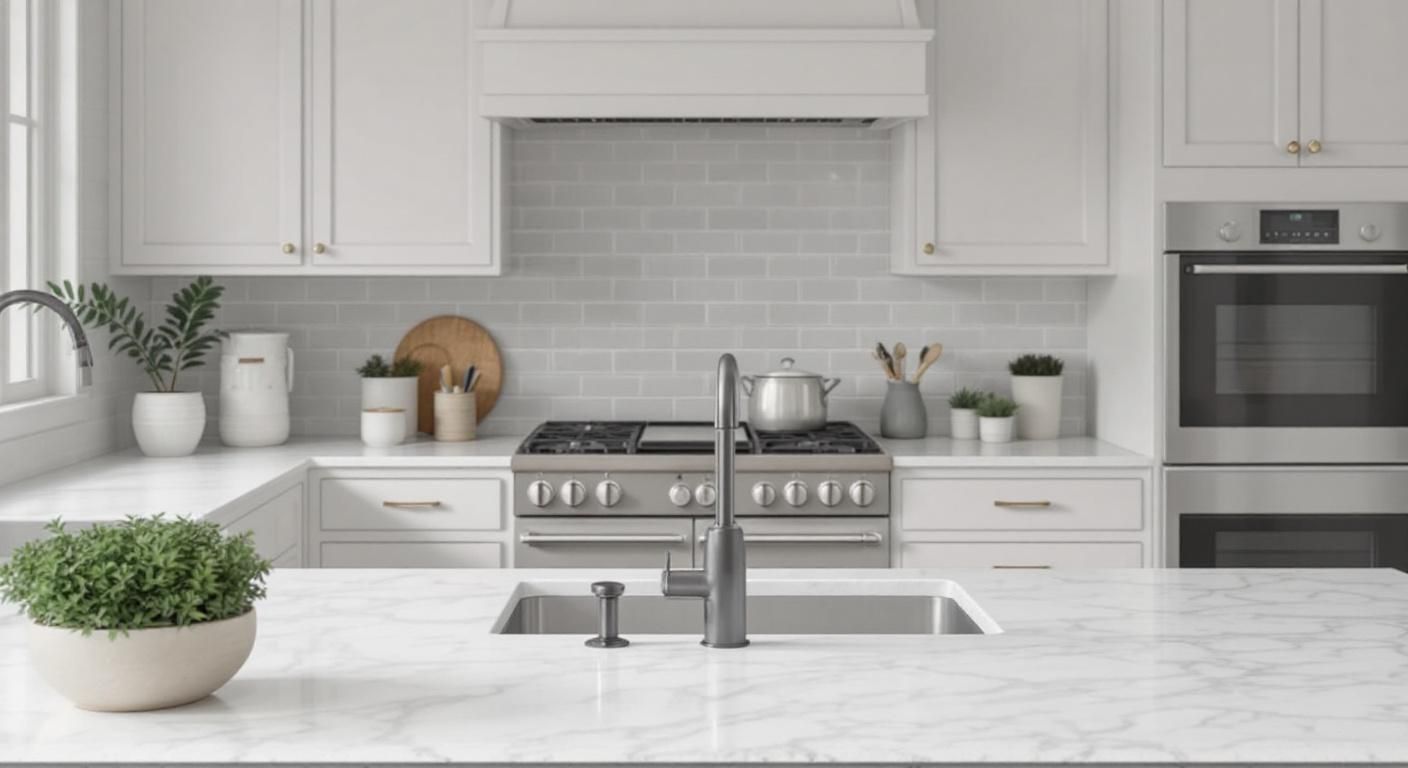
Understanding the Feasibility of Painting Kitchen Countertops
Before deciding to paint your kitchen countertops, it’s crucial to understand the materials you’re working with and the painting process involved. Not all countertops are suitable for painting. For instance, laminate, wood, and concrete surfaces tend to accept paint better than granite or quartz. Assessing the current condition of your countertops is essential; smooth and clean surfaces yield the best results. Additionally, consider the long-term implications of painted countertops, such as durability and maintenance, as painted surfaces may require more care compared to traditional countertops.
Material Suitability
Different countertop materials respond differently to paint. Laminate surfaces can be painted with special primers and paints designed for adhesion. Wood can be stained or painted, while concrete may require a specific preparation process. Ensure that the chosen paint is compatible with your countertop material to achieve optimal results.
Surface Preparation
Proper surface preparation is critical for paint adherence. Clean the countertop thoroughly, removing grease, dirt, and old finishes. Sanding the surface lightly can improve adhesion. For laminate and wood, using a primer can significantly enhance the paint’s durability and finish, setting the stage for a successful painting project.
Key Points:
- Evaluate the material of your countertops for paint suitability.
- Thorough surface preparation enhances paint adhesion and longevity.
💡 Always test a small area first to gauge adhesion and finish quality before committing to the entire surface.
Executing the Painting Process Effectively
Once you’ve determined that painting your kitchen countertops is feasible, it’s time to execute the process effectively. A well-planned approach includes selecting the right tools, paint, and techniques. Using a roller or brush designed for smooth finishes can help achieve an even application. Moreover, applying multiple thin coats rather than one thick coat prevents drips and ensures a more durable finish. Lastly, allowing adequate drying time between coats is essential for the best results.
Choosing the Right Paint
Selecting a high-quality paint designed specifically for countertops is crucial. Look for paints that offer durability, water resistance, and scratch resistance. Often, epoxy-based or acrylic paints are preferred for their robust finish and longevity. Read label instructions carefully to ensure compatibility with your countertop material.
Application Techniques
When applying paint, use a smooth roller or a quality brush for an even finish. Apply thin layers, allowing each coat to dry completely before adding another. This technique not only prevents runs but also builds a stronger, more resilient surface. A light sanding between coats can promote better adhesion and a smoother finish.
Key Points:
- Use thin layers for better adherence and finish quality.
- Choose paint specifically formulated for countertop durability.
💡 Keep a consistent environment by maintaining temperature and humidity levels while painting for optimal drying conditions.
EXPERT TIPS Pro Advice
Consider a protective topcoat after painting.
Applying a clear protective topcoat can increase the durability of painted countertops, making them more resistant to scratches and stains.
Plan for downtime.
Remember that painted countertops may take several days to cure fully. Plan your kitchen usage around the project timeline to avoid inconvenience.
Maintain a clean workspace.
A tidy workspace helps prevent dust and debris from settling on wet paint, leading to a smoother finish and reduced imperfections.
Use painter’s tape for clean edges.
Applying painter’s tape along edges and seams ensures clean lines and prevents paint from bleeding onto adjacent surfaces.
Consult professional resources or guides.
Referencing professional guides or tutorials can provide valuable insights and tips that enhance the quality of your painting project.
Frequently Asked Questions
Conclusion
Painting kitchen countertops is a feasible and cost-effective option for refreshing your space. With proper preparation, the right type of paint, and a protective sealant, you can achieve a beautiful finish that lasts for years. Regular maintenance will further enhance durability.
🎯 Key Takeaways:
- Use high-quality paint designed for high-traffic surfaces.
- Proper surface preparation is crucial for adhesion.
- Sealing painted countertops enhances longevity and durability.
- Regular maintenance helps prolong the life of painted surfaces.
Expert Advice: If you’re considering painting your countertops, take your time with preparation and application. A well-executed project can transform your kitchen and provide a fresh, modern look.
Explore resources and guides on DIY home improvement to start your countertop makeover today!