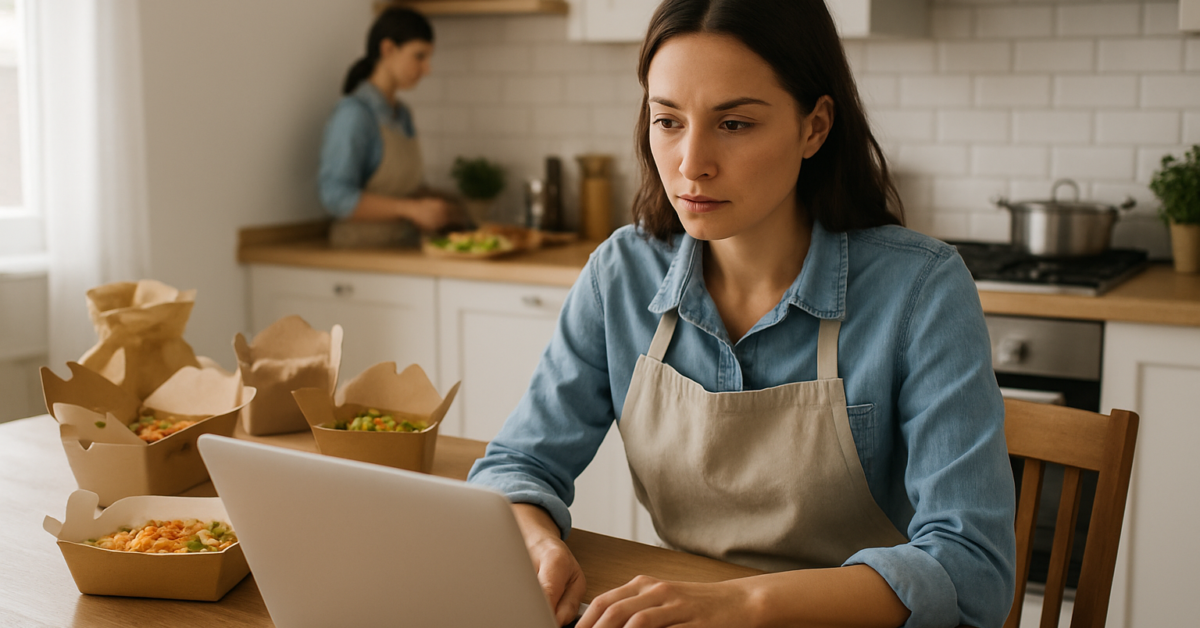
Can We Open Cloud Kitchen at Home? A Complete Guide
Have you ever wondered, can we open a cloud kitchen at home? With the rise of food delivery services, many aspiring chefs and food enthusiasts are exploring the potential of starting their own cloud kitchens from the comfort of their homes. As an expert in culinary entrepreneurship, I will guide you through the essential steps, benefits, and challenges of launching a home-based cloud kitchen. In this article, you will learn about the critical requirements for setting up your kitchen, effective menu planning, and navigating local regulations. Whether you’re looking to turn your passion for cooking into a profitable venture or simply want to explore the food business landscape, this comprehensive guide will provide you with the knowledge you need to succeed.
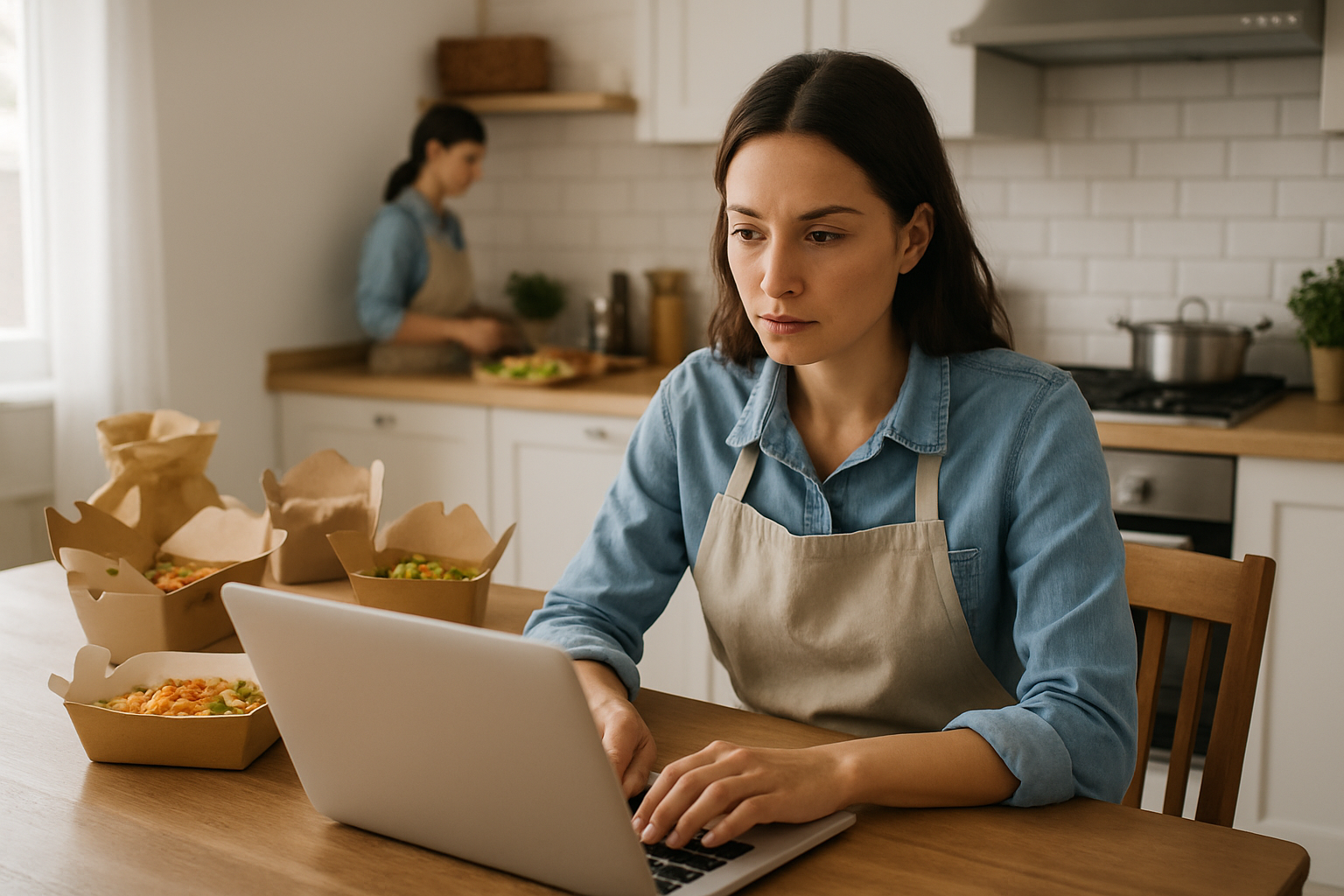
Understanding Cloud Kitchens
A cloud kitchen, also known as a ghost kitchen or virtual kitchen, is a food service model that operates without a traditional dine-in space. It primarily relies on online orders and delivery, leveraging commercial kitchen spaces. For those considering starting a cloud kitchen at home, it’s essential to understand the logistics, regulations, and market demand involved. This model allows entrepreneurs to reduce overhead costs associated with traditional restaurants while tapping into the growing food delivery market. However, potential operators must be aware of local health regulations and zoning laws that dictate whether a home-based kitchen can be legally established.
Key Features of Cloud Kitchens
Cloud kitchens operate on a delivery-only model, which means there are no physical dining spaces. They focus on efficiency, utilizing technology for order management and customer engagement. Many cloud kitchens cater to specific cuisines or dietary preferences, allowing them to target niche markets effectively. This flexibility and specialization can help differentiate your kitchen from competitors.
Benefits of Operating from Home
Starting a cloud kitchen at home can significantly reduce initial investments, as you can utilize your kitchen space instead of renting commercial property. Additionally, the lower overhead costs permit more competitive pricing strategies. Operating from home also provides the flexibility of managing your schedule while maintaining a work-life balance, which is particularly appealing for new entrepreneurs.
Key Points:
- Cloud kitchens operate primarily on delivery and online orders.
- Starting from home can reduce costs and increase flexibility.
Legal Considerations for Home-Based Cloud Kitchens
Before launching a cloud kitchen from home, it’s crucial to research and comply with local laws and regulations. Each region has specific rules regarding food safety, health inspections, and licensing that must be adhered to. Home kitchens may have additional restrictions compared to commercial kitchens. Ensuring compliance with these laws not only protects your business but also builds trust with customers who prioritize food safety and hygiene.
Licensing Requirements
Most areas require food businesses to obtain specific licenses and permits. This may include a food handler’s permit, business license, and possibly a food establishment license. Researching local regulations is essential to determine what documentation is necessary for operating a cloud kitchen from home legally.
Health and Safety Regulations
Health regulations often dictate how food is prepared, stored, and served. Home kitchens must meet local health department standards, which may involve inspections. Maintaining a clean and safe kitchen environment is vital for food safety and customer satisfaction, as violations can lead to penalties or even business closure.
Key Points:
- Research local laws before starting a cloud kitchen.
- Compliance with health regulations is critical for operations.
Understanding the Concept of Cloud Kitchens
A cloud kitchen, also known as a ghost kitchen or virtual kitchen, operates without a traditional storefront and focuses exclusively on food delivery. Opening a cloud kitchen at home is a feasible option for aspiring chefs and food entrepreneurs. It allows you to leverage your culinary skills while keeping overhead costs low. Before starting, research your local market to assess demand for specific cuisines and delivery services. This understanding can help tailor your offerings to meet consumer preferences, ensuring a higher chance of success.
Legal Considerations
Before setting up a cloud kitchen at home, familiarize yourself with local food safety regulations and licensing requirements. Most areas require a food service establishment permit, and health inspections may be necessary. Additionally, check if zoning laws permit food preparation in residential areas. Ensuring compliance with these regulations not only legitimizes your business but also builds consumer trust.
Setting Up Your Kitchen Space
Designating a specific area in your home for food preparation is crucial for efficiency and cleanliness. Ensure that your kitchen is equipped with necessary appliances, storage solutions, and sanitation supplies. Consider investing in commercial-grade equipment that suits your menu, as it can improve food quality and preparation speed. A well-organized kitchen layout can significantly enhance productivity and minimize errors.
Key Points:
- Cloud kitchens operate without a storefront, focusing on delivery.
- Understanding local regulations is essential for legal compliance.
💡 Conduct thorough market research to identify gaps and opportunities in your area.
💡 Utilize social media to create buzz about your cloud kitchen before launching.
💡 Keep detailed records of expenses and income to track profitability and adjust your business model as needed.
Marketing Your Cloud Kitchen Effectively
Marketing plays a pivotal role in the success of a cloud kitchen. Unlike traditional restaurants, cloud kitchens rely heavily on online presence and delivery apps to reach customers. Create a user-friendly website and optimize it for local search engines to attract potential diners. Consider offering special promotions or discounts to entice first-time customers. Engaging visuals and a strong brand identity can set your cloud kitchen apart in a competitive market.
Leveraging Social Media
Social media platforms are invaluable for promoting a cloud kitchen. Use Instagram and Facebook to showcase your dishes, share customer reviews, and engage with your audience. Regularly posting high-quality images and videos can drive interest and encourage sharing among users. Additionally, consider collaborating with food influencers to expand your reach and credibility within your target market.
Utilizing Delivery Platforms
Partnering with popular food delivery services is essential for visibility. Many consumers rely on these platforms to discover new dining options. Ensure your cloud kitchen is listed on multiple delivery apps to maximize exposure. Pay attention to your menu descriptions, as compelling content can entice more orders. Additionally, monitor customer feedback on these platforms to make necessary adjustments to your offerings.
Key Points:
- An effective online presence is crucial for attracting customers.
- Engaging visuals and promotions can set your cloud kitchen apart.
💡 Create visually appealing content for social media to capture user attention.
💡 Engage with customers by responding to reviews and comments promptly.
💡 Track marketing performance metrics to refine your strategies and improve ROI.
EXPERT TIPS Pro Advice
Focus on niche cuisines.
Identifying a unique cuisine can help you stand out in a saturated market, attracting specific customer segments.
Create a robust menu.
A diverse yet focused menu can cater to various tastes while ensuring that you can maintain quality and efficiency in preparation.
Emphasize food presentation.
Even for delivery, the way food is packaged and presented can enhance the customer experience and encourage repeat orders.
Implement a loyalty program.
Creating a loyalty program can incentivize repeat business and foster a community of regular customers.
Stay adaptable.
Be ready to modify your menu and marketing strategies based on customer feedback and emerging trends in the food industry.
Frequently Asked Questions
Conclusion
Opening a cloud kitchen at home is a feasible venture if you comply with local regulations and obtain necessary permits. By investing in marketing and efficient delivery services, you can successfully reach a larger audience, all while enjoying the flexibility of a home-based business.
🎯 Key Takeaways:
- Compliance with local health and safety regulations is essential.
- Required licenses vary by location; check with local authorities.
- Marketing through social media and local partnerships is vital.
- Flexible hours make part-time operation possible.
- Invest in reliable delivery services to enhance customer experience.
Expert Advice: Thoroughly research your local market and regulations to create a well-informed business plan. Staying adaptable and responsive to customer feedback will also help you thrive in the competitive food delivery landscape.
Begin your journey by researching local regulations and drafting a solid business plan for your cloud kitchen.