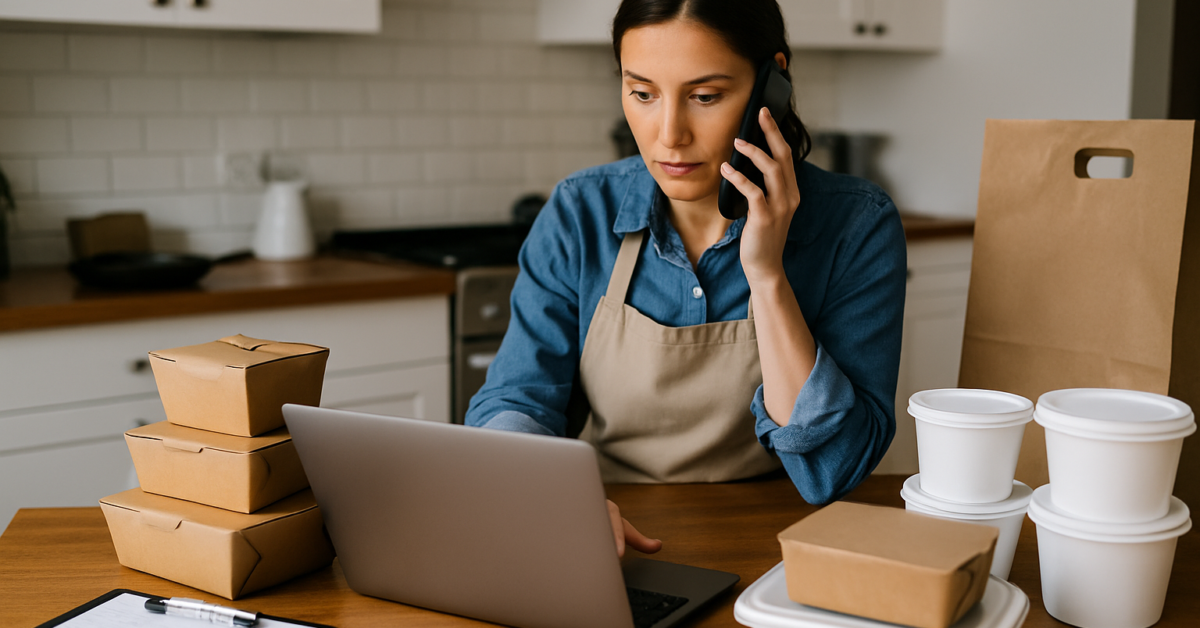
Can You Run a Ghost Kitchen from Home? Key Insights Revealed
Have you ever wondered if you can run a ghost kitchen from home? With the rise of food delivery services, many aspiring chefs and entrepreneurs are exploring this innovative business model. Ghost kitchens, which operate without a storefront and focus solely on food delivery, offer a unique opportunity to enter the culinary world with lower overhead costs. However, understanding the legal requirements, kitchen regulations, and operational challenges is crucial for success. In this article, we will delve into what it takes to run a ghost kitchen from home, including the benefits, potential pitfalls, and essential strategies to thrive in this growing market. Whether you’re a seasoned chef or a passionate food lover, this guide will equip you with the knowledge needed to launch your own ghost kitchen venture.
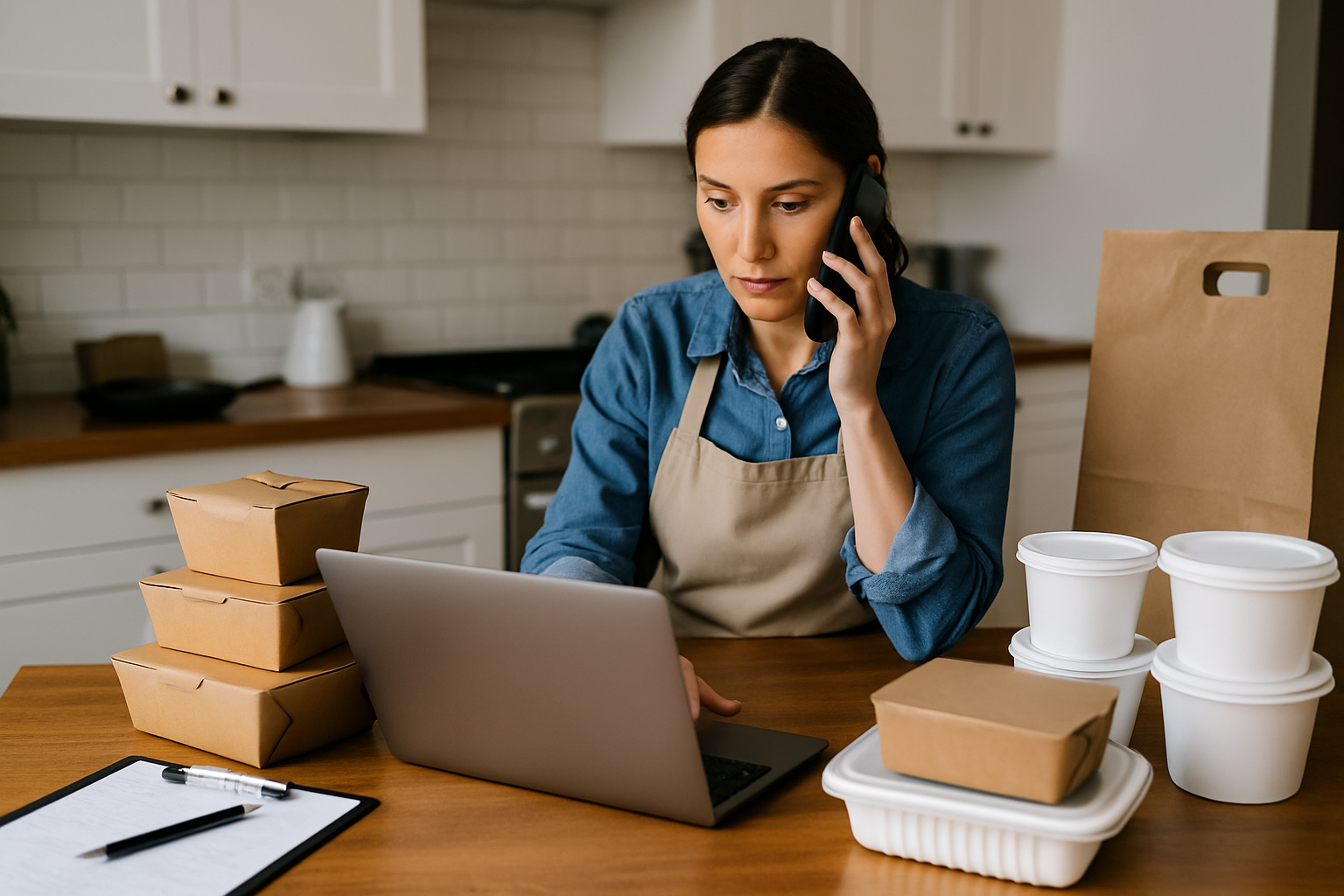
Understanding Ghost Kitchens
Ghost kitchens, also known as virtual kitchens or cloud kitchens, are food preparation facilities that serve delivery-only meals. These kitchens operate without a traditional storefront, allowing chefs and entrepreneurs to reduce overhead costs and reach a wider customer base through delivery apps. The appeal of ghost kitchens lies in their flexibility and scalability, making them an attractive option for many aspiring food business owners. However, running a ghost kitchen from home presents unique challenges and considerations that must be addressed before diving in.
What is a Ghost Kitchen?
A ghost kitchen is a commercial kitchen without a dining area, designed solely for food preparation and delivery. It often houses multiple brands or concepts under one roof, maximizing kitchen space and resources. This model allows for a diverse menu without the need for a physical restaurant, appealing to consumers who favor convenience and variety.
Benefits of Running a Ghost Kitchen
Operating a ghost kitchen can significantly lower startup costs compared to traditional restaurants. Entrepreneurs can test new culinary concepts with minimal risk. Additionally, ghost kitchens can quickly adapt to market trends, making them an agile option in the food industry, especially in the age of online food delivery.
Challenges of Home-Based Ghost Kitchens
While running a ghost kitchen from home may seem appealing, it comes with challenges such as zoning regulations, health codes, and the need for a well-equipped kitchen. Home kitchens often lack the necessary infrastructure to meet commercial food safety standards, which can complicate operations and pose health risks if not addressed properly.
Key Points:
- Ghost kitchens are delivery-only operations without physical dining spaces.
- They offer lower startup costs and greater market adaptability.
- Home-based ghost kitchens face zoning and health regulation challenges.
Legal and Operational Considerations
Before launching a ghost kitchen from home, it’s crucial to understand the legal framework and operational requirements. Each location has specific regulations governing food service operations, and compliance is essential to avoid fines or shutdowns. This involves securing the necessary permits and licenses, understanding local health department regulations, and ensuring that the kitchen meets safety standards. Additionally, establishing efficient operational practices is key to success in this competitive landscape.
Permits and Licenses
To legally operate a ghost kitchen, one must obtain the necessary permits and licenses, which vary by location. Common requirements include a food service permit, business license, and sometimes a home occupation permit. Research local regulations to ensure compliance and avoid operational disruptions.
Meeting Health and Safety Standards
Health and safety regulations are critical for ghost kitchens. This includes maintaining cleanliness, proper food storage, and cooking practices. Familiarize yourself with local health codes, as violations can lead to penalties or loss of your food service license. Regular inspections may also be required.
Setting Up Efficient Operations
Efficient operations are vital for a successful ghost kitchen. This includes streamlining order processing, ensuring timely deliveries, and managing inventory effectively. Implementing technology solutions can help track orders and optimize kitchen workflows, enhancing overall productivity and customer satisfaction.
Key Points:
- Understand local regulations for permits and licenses.
- Ensure compliance with health and safety standards.
- Optimize operations for efficiency and customer satisfaction.
Understanding Ghost Kitchens
Ghost kitchens, also known as virtual kitchens or cloud kitchens, are food service operations that serve customers exclusively through delivery and takeout. Running a ghost kitchen from home is not only feasible but increasingly popular, especially with the rise of food delivery apps. However, it requires a clear understanding of local regulations, food safety standards, and operational logistics. Home kitchens can be transformed into commercial kitchens if they meet specific health and safety codes. It’s essential to research your local laws regarding home-based food businesses, as they can vary significantly.
Local Regulations and Licensing
Before starting a ghost kitchen from home, you must obtain the necessary permits and licenses. This often includes a food handling permit, a business license, and sometimes zoning approval. Check with your local health department to ensure compliance with food safety regulations. Understanding these requirements beforehand can save you from legal issues down the line.
Adapting Your Kitchen Space
Transforming your home kitchen into a ghost kitchen involves optimizing your space for efficiency. Consider layout adjustments to enhance workflow, such as organizing utensils and ingredients for quick access. Additionally, invest in commercial-grade equipment if necessary, ensuring that everything meets health and safety standards for food preparation.
Key Points:
- Ghost kitchens operate on a delivery-only model.
- Compliance with local regulations is crucial for success.
💡 Research local food laws to avoid costly fines later.
💡 Regularly clean and sanitize your kitchen to maintain food safety compliance.
💡 Create a streamlined cooking process to increase efficiency.
Operational Strategies for Home-Based Ghost Kitchens
Running a ghost kitchen from home involves more than just cooking; it requires effective operational strategies to ensure success. Focus on menu development, marketing, and efficient delivery logistics. A well-planned menu can help minimize food waste and streamline cooking processes, while smart marketing can attract customers. Additionally, coordinating with delivery services is essential for timely service and customer satisfaction.
Menu Design and Efficiency
Design a menu that is both appealing and manageable within your kitchen’s capabilities. Focus on items that can be prepared quickly and maintain quality during delivery. Consider seasonal offerings or limited-time specials to keep the menu fresh and exciting. This approach can also help in forecasting inventory needs, reducing waste, and increasing profit margins.
Marketing Your Ghost Kitchen
Effective marketing is essential for attracting customers to your ghost kitchen. Utilize social media platforms to showcase your food, run promotions, and engage with your audience. Partnering with local food influencers can also boost visibility. Leverage food delivery platforms’ marketing tools, as they often provide customer insights and promotional opportunities.
Key Points:
- Menu efficiency can significantly impact profitability.
- Effective marketing strategies are crucial for visibility and customer engagement.
💡 Keep your menu simple to maintain consistency and quality.
💡 Engage with customers on social media for direct feedback and loyalty.
💡 Utilize data analytics from delivery platforms to refine your offerings.
EXPERT TIPS Pro Advice
Understand your local food safety regulations
Knowing the regulations will help you avoid fines and ensure your kitchen meets health standards, which is vital for customer trust.
Streamline your operations
An organized kitchen with a clear workflow boosts efficiency, allowing you to handle orders more quickly and reduce wait times.
Leverage data from delivery services
Using analytics can help you understand customer preferences and refine your menu offerings for better sales.
Engage with your community
Building local relationships can enhance word-of-mouth marketing and create loyal customers who support your business.
Seasonally adapt your menu
Changing your menu based on seasonal ingredients can attract customers looking for fresh and unique options while managing costs.
Frequently Asked Questions
Conclusion
Running a ghost kitchen from home is feasible with proper planning and adherence to local regulations. By focusing on efficient operations, effective marketing, and menu selection, you can tap into the growing demand for delivery-based food services.
🎯 Key Takeaways:
- A ghost kitchen operates without a dine-in space, focusing on delivery.
- Local permits and health regulations are essential for operation.
- Marketing strategies should leverage social media and local SEO.
- Cuisine offering should cater to delivery preferences for success.
- Using a shared kitchen can reduce startup costs and risks.
Expert Advice: Stay informed about local regulations and continuously adapt your menu and marketing strategies to meet consumer demands. Efficiency and customer satisfaction are key to thriving in the ghost kitchen model.
Explore local regulations and start planning your ghost kitchen today to enter this growing market!