How Many Gallons is a Kitchen Trash Can? Essential Insights
Have you ever wondered how many gallons is a kitchen trash can? Understanding the capacity of your kitchen trash can is crucial for efficient waste management and keeping your kitchen organized. With the average household generating a significant amount of waste each week, selecting the right size can help minimize overflow and reduce frequent trips to the curb. In this article, we will explore the standard sizes of kitchen trash cans, factors to consider when choosing one, and tips for optimizing your kitchen space. Whether you’re moving into a new home or simply looking to upgrade your current setup, this guide will provide you with the insights you need to make an informed decision.
Understanding Kitchen Trash Can Sizes
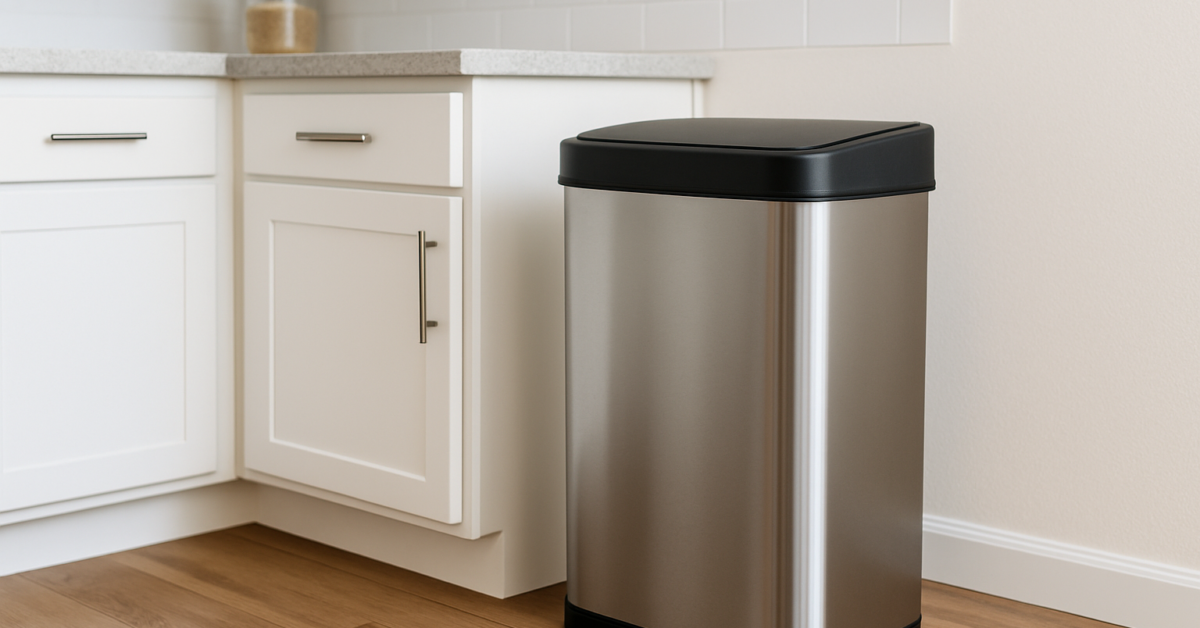
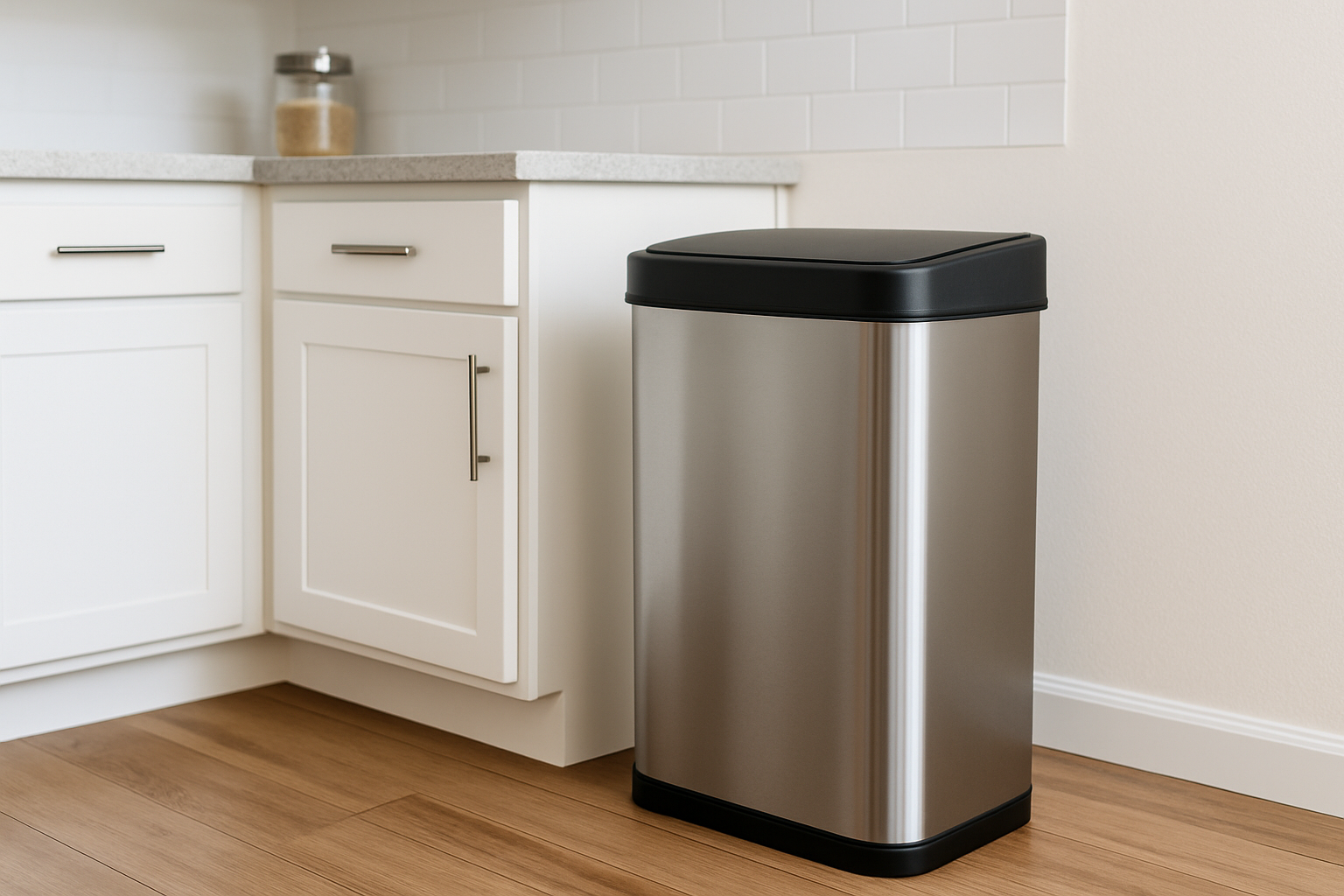
Kitchen trash cans come in a variety of sizes, typically measured in gallons. The standard sizes range from 10 to 20 gallons, with variations designed for specific household needs. A smaller 10-gallon can is ideal for compact kitchens or apartments, while larger 13 to 20-gallon options are popular in families or larger cooking spaces. Knowing the size of your kitchen trash can is essential for effective waste management, as it helps determine how often you will need to empty it. Additionally, size impacts the type of trash bag needed, ensuring a snug fit that prevents leaks and messes.
Common Sizes and Their Uses
The most common sizes for kitchen trash cans are 10, 13, and 20 gallons. A 10-gallon can is suitable for small households, while a 13-gallon can is the industry standard, fitting most kitchen trash bags. A 20-gallon can is often used in larger families or high-use kitchens where waste accumulates quickly. Understanding these sizes can assist homeowners in selecting the right can for their needs.
Factors Influencing Trash Can Size Selection
Choosing the right trash can size involves several factors such as household size, cooking habits, and waste types. For instance, families that cook frequently or host gatherings may require larger cans to accommodate food waste. Conversely, individuals or couples might find smaller cans sufficient. Additionally, consider the frequency of garbage collection; if it’s less frequent, a larger can may be necessary to manage overflow. Assessing these factors ensures you select a trash can that meets your needs.
💡 Determine your household size to assess trash can needs
💡 Consider space available in your kitchen for the can
💡 Think about the types of waste produced for optimal size selection
Choosing the Right Trash Bag for Your Kitchen Can
The size of your kitchen trash can directly influences the type of trash bag you’ll need. Most kitchen trash cans, especially those sized 10 to 20 gallons, have corresponding bag sizes to ensure a proper fit. Using the correct bag size not only prevents leaks and odors but also makes disposal more manageable. Additionally, the thickness of the bag matters; heavier-duty bags are ideal for wet waste, while regular bags suffices for dry waste. Understanding these bag specifications is crucial for maintaining hygiene and convenience in your kitchen.
Common Trash Bag Sizes
Trash bags are typically categorized by their gallon capacity, matching the size of the trash can. A 10-gallon bag fits perfectly in a 10-gallon can, while a 13-gallon bag is suitable for standard kitchen cans. Larger 20-gallon bags are available for bigger cans. Knowing which bag size corresponds to your trash can ensures a snug fit, preventing spills and messes during disposal.
Selecting the Right Thickness and Material
Trash bags come in various thicknesses, typically measured in mils. A thicker bag (around 1.5 to 2 mils) is ideal for heavy or wet waste, while standard bags (around 0.9 mils) are fine for light, dry waste. Choosing the appropriate thickness minimizes the risk of bag failure and unpleasant messes. Furthermore, consider biodegradable options for environmentally conscious disposal, which can help reduce landfill waste.
💡 Ensure bag size matches your trash can to prevent leaks
💡 Select thicker bags for heavier waste types
💡 Consider eco-friendly options to reduce environmental impact
Understanding Kitchen Trash Can Capacities
Kitchen trash cans come in various sizes, typically ranging from 10 to 30 gallons. The most common sizes for household kitchens are 13-gallon and 20-gallon cans. Choosing the right size depends on your household size, waste generation, and kitchen space. A 13-gallon can is suitable for smaller households or those who frequently take out the trash, while a 20-gallon can may be better for larger families or those who generate more waste. Understanding these capacities can help you select a trash can that meets your needs without taking up unnecessary space.
Common Sizes and Their Uses
The 13-gallon kitchen trash can is a popular choice due to its balance between capacity and space efficiency. It is ideal for most households, especially in urban settings where space is limited. On the other hand, a 20-gallon can is beneficial for larger families, catering to increased waste from cooking and entertaining. Knowing these sizes helps in making an informed decision based on the specific needs of your household.
Factors Influencing Size Selection
When selecting a trash can size, consider factors such as the number of household members, frequency of trash disposal, and the types of waste generated. For instance, if you frequently generate recyclables or food waste, a larger capacity may be necessary. Additionally, evaluate your kitchen layout to ensure the can fits well within your available space without obstructing movement.
Key Points:
- Common kitchen trash can sizes are 13 and 20 gallons.
- Choose a size based on household needs and kitchen space.
💡 Measure your kitchen space before purchasing a trash can to ensure a proper fit.
💡 Consider using a transparent liner to easily gauge when the trash can needs emptying.
Maintenance and Organization of Kitchen Trash Cans
Proper maintenance and organization of your kitchen trash can can enhance hygiene and efficiency. Regular cleaning and the use of liners are essential to prevent odors and spills. Additionally, organizing waste by using separate bins for recyclables and compost can streamline disposal and reduce landfill contributions. These practices not only keep your kitchen clean but also promote responsible waste management.
Cleaning and Maintenance Practices
To maintain hygiene, empty your trash can regularly and clean it with a mild disinfectant. This practice helps to eliminate odors and bacteria buildup. Additionally, consider using a liner to simplify the cleaning process and protect the can’s interior. Regular maintenance ensures your kitchen remains a healthy environment.
Organizing Waste for Efficiency
Implementing a waste separation system can improve your kitchen’s efficiency. Use separate bins for recyclables, compost, and general waste. This not only makes it easier to dispose of trash but also promotes recycling and reduces overall waste. Educating household members on this system encourages participation and accountability.
Key Points:
- Regular maintenance prevents odors and keeps the kitchen hygienic.
- Organizing waste promotes recycling and efficient disposal.
💡 Clean your trash can weekly to avoid odors and bacteria.
💡 Label separate bins to encourage proper waste segregation among family members.
EXPERT TIPS Pro Advice
Choose a trash can with a foot pedal.
Foot pedals allow for hands-free operation, helping to maintain hygiene and prevent the spread of germs in your kitchen.
Opt for a trash can with a lid.
Lids help contain odors and keep pests at bay, ensuring a cleaner kitchen environment.
Consider a trash can with a removable inner bucket.
This feature simplifies the cleaning process and makes it easier to transport waste for disposal.
Utilize odor-neutralizing products.
Using these products in your trash can can significantly reduce unpleasant smells, enhancing your kitchen’s atmosphere.
Regularly assess your waste generation habits.
Monitoring your waste can help you adjust the size of your trash can and improve recycling practices, ultimately reducing waste.
Frequently Asked Questions
Conclusion
Choosing the right size kitchen trash can is essential for efficient waste management. Standard sizes range from 10 to 13 gallons, ideal for most homes, while larger options can suit bigger households. Assess your needs and available space when selecting a can.
🎯 Key Takeaways:
- Standard kitchen trash cans hold 10-13 gallons.
- Common sizes include 5 to 50 gallons, with 10-20 being most popular.
- Proper size prevents overflow and cleaning issues.
- Larger cans are suitable for bigger households.
- Foot pedal cans enhance hygiene and convenience.
Expert Advice: Evaluate your kitchen space and waste habits to choose the most suitable trash can size. Prioritize convenience and efficiency to maintain a clean and organized kitchen environment.
Take a moment to assess your kitchen needs and consider what size trash can will best support your daily activities.