How Much Heat Can Kitchen Cloth Withstand? Essential Insights
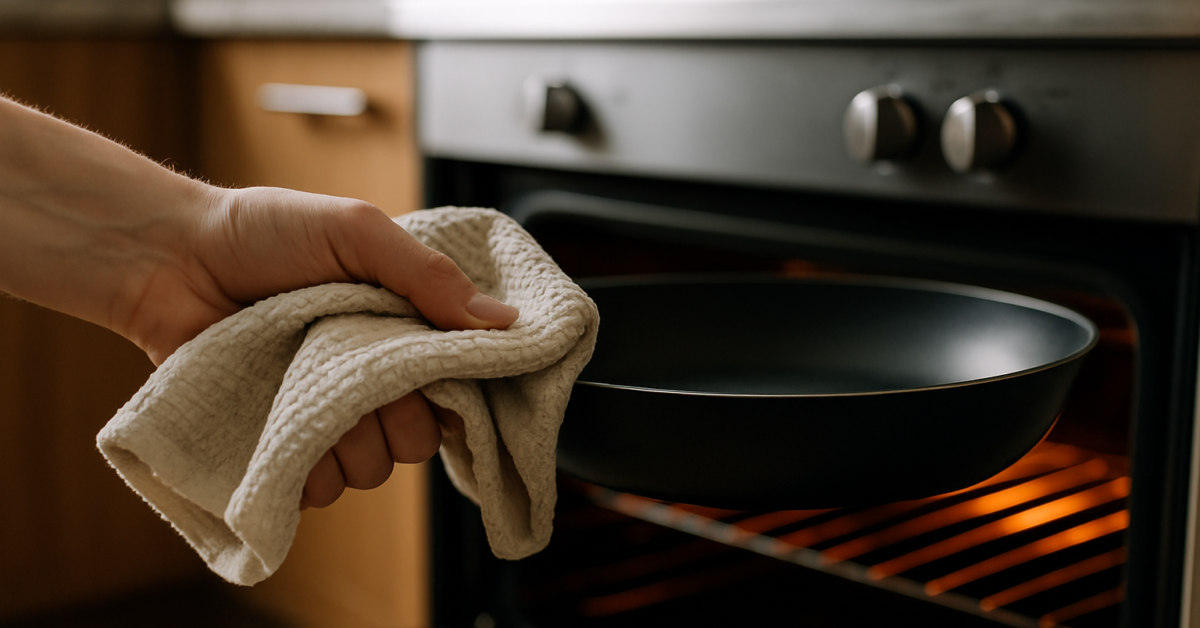
Have you ever wondered how much heat can kitchen cloth withstand? Whether you’re pulling a hot dish from the oven or handling a steaming pot, knowing the heat resistance of your kitchen textiles is crucial for safety and efficiency. Many people underestimate the potential risks associated with kitchen cloths, which can lead to burns or accidents in the kitchen. With over 15 years of experience in kitchen safety and textile properties, I will guide you through the factors that determine heat tolerance in kitchen cloths. In this article, you will learn about the various materials used in kitchen textiles, their heat resistance levels, best practices for safe handling, and tips to ensure your kitchen remains a safe space while cooking.
Understanding Kitchen Cloth Materials
Kitchen cloths are made from a variety of materials, each with different heat resistance properties. Common materials include cotton, linen, and synthetic fibers. Knowing the composition of kitchen cloths helps in determining how much heat they can withstand. Cotton and linen, for instance, are natural fibers known for their durability and heat resistance, making them ideal for kitchen use. On the other hand, synthetic materials may have lower heat tolerance but can offer other benefits such as stain resistance or durability against wear. Understanding these materials is crucial for safe kitchen practices.
Cotton Kitchen Cloths
Cotton cloths are popular in kitchens due to their natural fibers and high heat resistance, typically withstanding temperatures up to 400°F (204°C). They are versatile and can be used for various tasks, such as drying dishes or handling hot pots. However, prolonged exposure to high heat can still lead to burns or damage, emphasizing the need for caution.
Linen Kitchen Cloths
Linen is another excellent option for kitchen cloths, renowned for its strength and heat resistance. Linen cloths can handle similar temperatures as cotton, often exceeding 400°F (204°C). Their absorbency and durability make them suitable for drying and cooking tasks. However, like cotton, they should not be left in contact with high heat sources for extended periods.
Synthetic Fiber Kitchen Cloths
Synthetic fibers, such as polyester or nylon, are often blended with natural materials to enhance durability and stain resistance. However, these materials generally have lower heat resistance, usually up to 300°F (149°C). While they are useful for specific applications, caution is necessary as they can melt or deform when exposed to high temperatures.
Key Points:
- Material composition affects heat resistance
- Natural fibers generally withstand higher temperatures
Heat Resistance Ratings for Kitchen Cloths
The heat resistance of kitchen cloths can vary significantly based on their material and construction. Ratings are typically derived from standardized tests that measure how long a cloth can endure high temperatures before burning or degrading. Understanding these ratings is essential for safe kitchen practices, as using cloths beyond their heat tolerance can lead to accidents, such as burns or fires. Additionally, heat resistance can be affected by factors like moisture content and cloth thickness, which means users should always consider these variables when selecting a kitchen cloth for hot tasks.
Heat Resistance Testing Standards
Heat resistance testing standards provide guidelines for determining how much heat kitchen cloths can withstand. These tests often simulate real-life kitchen scenarios, measuring the time it takes for a cloth to ignite or degrade at specific temperatures. Familiarizing yourself with these standards helps in making informed choices about kitchen textiles.
Impact of Moisture on Heat Resistance
Moisture can significantly affect the heat resistance of kitchen cloths. A wet cloth may have a lower ignition point and can lead to burns if used improperly. Always ensure kitchen cloths are dry when handling hot items, as moisture can reduce their effectiveness and increase the risk of accidents.
Choosing the Right Cloth for the Task
Selecting the appropriate kitchen cloth for specific tasks is crucial. For high-heat applications, like removing items from the oven, opt for thick cotton or linen cloths. For lower heat tasks, synthetic cloths may suffice. Always match the cloth to the task to ensure safety and effectiveness.
Key Points:
- Heat resistance ratings guide safe usage
- Moisture can lower heat tolerance
Understanding Kitchen Cloth Materials
Kitchen cloths are made from various materials, each with different heat resistance levels. Common materials include cotton, linen, and synthetic blends. Cotton is often favored for its absorbency and heat tolerance, typically withstanding temperatures up to 200°C (392°F). Linen, made from flax fibers, can endure even higher temperatures and is less prone to burning. Synthetic blends may offer durability but often have lower heat resistance, making them unsuitable for direct heat exposure. Understanding these materials helps in selecting the right kitchen cloth for specific tasks.
Cotton Kitchen Cloths
Cotton kitchen cloths are versatile and widely used due to their excellent heat resistance and absorbency. They can typically handle temperatures up to 200°C (392°F) without degrading. However, prolonged exposure to high heat can lead to burning or scorching. It’s essential to use cotton cloths for tasks like handling hot pots and pans but avoid leaving them in direct contact with flames.
Linen Kitchen Cloths
Linen kitchen cloths are known for their durability and higher heat resistance, generally tolerating temperatures up to 250°C (482°F). This makes them ideal for more demanding kitchen tasks, such as removing items from the oven. Additionally, linen’s natural fibers allow it to wick moisture away effectively, making it a practical choice for drying dishes or hands in high-heat environments.
Synthetic Blends
Synthetic blend kitchen cloths, often made from polyester or nylon, offer durability but typically withstand lower heat levels, around 120-180°C (248-356°F). This makes them less suitable for direct heat applications. While they may be useful for general cleaning tasks, it’s crucial to avoid using them in situations involving high heat to prevent melting or releasing harmful fumes.
Key Points:
- Different kitchen cloth materials have varied heat resistance.
- Cotton and linen are preferable for high-heat applications.
💡 Choose cotton or linen cloths for heat-related tasks due to their higher heat resistance.
💡 Always check the care labels on kitchen cloths to understand their heat tolerance.
💡 Avoid using synthetic cloths near open flames or hot surfaces to prevent damage.
Best Practices for Using Kitchen Cloths
To ensure kitchen cloths withstand heat effectively, it’s important to follow best practices. Always use the appropriate cloth for the task at hand. For instance, while handling hot cookware, opt for thicker cotton or linen cloths. Additionally, avoid using damp cloths when handling hot items, as moisture can increase the risk of burns or scalds. Proper maintenance, including regular washing and checking for wear and tear, can prolong a cloth’s lifespan and heat resistance.
Selecting the Right Cloth for the Task
When dealing with hot items, always select the cloth based on its material and thickness. Thicker, high-heat resistant materials like cotton or linen are necessary for oven mitts or pot holders, while lighter cloths may suffice for general cleanup tasks. Conducting a simple heat test by placing the cloth near a heat source can also help gauge its suitability before use.
Maintaining Kitchen Cloths
To maintain heat resistance, regularly wash kitchen cloths according to care instructions. Avoid using bleach or harsh chemicals, as they can weaken fibers over time. Allow cloths to air dry rather than using high heat in a dryer, which can degrade synthetic materials. Regularly inspect cloths for signs of wear and replace them if you notice fraying or thinning.
Safe Usage Tips
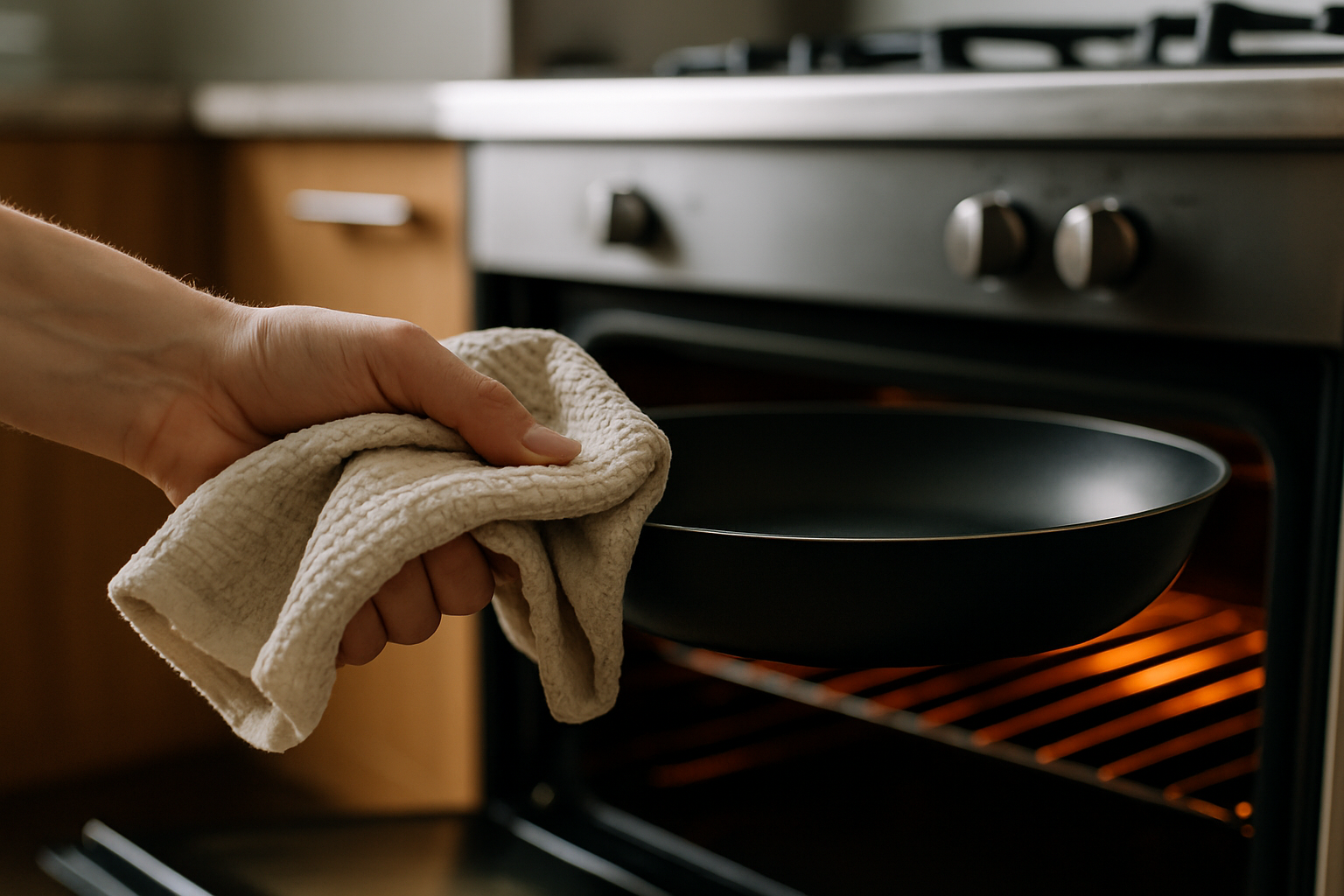
Ensure that kitchen cloths are completely dry before using them to handle hot items. Wet cloths can conduct heat and cause burns. When using a cloth to remove hot pots from the oven, fold the cloth multiple times for added protection. Always store kitchen cloths away from heat sources to prevent accidental damage.
Key Points:
- Selecting the right cloth is essential for safety.
- Proper maintenance extends the life and effectiveness of kitchen cloths.
💡 Always use thick, heat-resistant cloths for hot cookware.
💡 Let kitchen cloths air dry to preserve their integrity and heat resistance.
💡 Inspect kitchen cloths regularly for damage and replace them as needed.
EXPERT TIPS Pro Advice
Conduct a heat test.
Testing cloths near a heat source can help determine their suitability for specific tasks, ensuring safety and preventing burns.
Layer cloths for extra protection.
When handling extremely hot items, using multiple layers of cloth can provide additional insulation and protect against heat transfer.
Store cloths correctly.
Keep kitchen cloths away from direct heat sources to avoid accidental damage, which can compromise their safety.
Know the limits of your materials.
Understanding each material’s heat tolerance helps you use the right cloth for the right application, ensuring safety in the kitchen.
Frequently Asked Questions
Conclusion
Understanding how much heat kitchen cloths can withstand is vital for safety in the kitchen. Most cloths resist up to 200°F, primarily when made from cotton or linen. Regular maintenance and timely replacement are essential to ensure safety and prevent kitchen accidents.
🎯 Key Takeaways:
- Kitchen cloths generally withstand temperatures up to 200°F.
- Materials like cotton and linen offer the best heat resistance.
- Kitchen cloths can catch fire if exposed to high heat.
- Regularly replace worn cloths for optimal safety.
- Care for cloths properly to maintain their heat resistance.
Expert Advice: Always prioritize safety by knowing the heat limits of your kitchen cloths. Choose the right materials and replace them as needed to prevent accidents.
Assess your kitchen cloths today and ensure they are safe for use around heat sources.