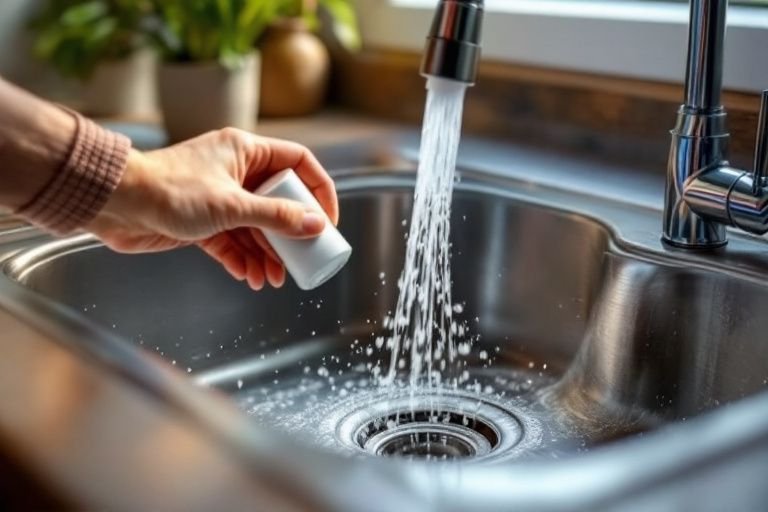
Is your kitchen sink draining slower than usual or not at all? A clogged kitchen sink drain can disrupt your daily routine, making meal prep and cleanup a frustrating experience. Understanding how to unclog a kitchen sink drain is essential for every homeowner. With over 15 years of expertise in home maintenance solutions, I will guide you through practical methods to tackle this common issue. In this article, you will learn about the causes of sink clogs, various unclogging techniques, and tips to prevent future blockages. Let’s dive into these valuable strategies to restore your kitchen sink’s functionality.
Understanding the Causes of Kitchen Sink Clogs
Before you can effectively unclog a kitchen sink drain, it’s essential to understand what typically causes these blockages. Kitchen sinks often get clogged due to food particles, grease buildup, soap scum, or foreign objects accidentally dropped into the drain. Knowing these common culprits can help you prevent future clogs and address existing ones more effectively. Regular maintenance and mindful disposal practices can significantly reduce the likelihood of encountering a clogged drain.
Food Particles and Debris
One of the most common causes of kitchen sink clogs is food particles and debris that accumulate over time. When these particles aren’t properly disposed of, they can build up and create blockages in the drain. Avoid putting fibrous or starchy foods down the sink, as they tend to create clogs.
Grease and Fat Accumulation
Grease and fats from cooking can solidify in the pipes, leading to significant clogs. Over time, these substances stick to the sides of the pipes and trap other debris. To prevent this, always dispose of excess grease in a container rather than pouring it down the drain.
Key Points:
- Understanding clog causes aids prevention and resolution
- Regular maintenance can minimize future clogs
Identifying Symptoms of a Clogged Drain
Recognizing the symptoms of a clogged kitchen sink drain is crucial for timely intervention. Common indications include slow drainage, gurgling sounds, and unpleasant odors emanating from the sink. Identifying these issues early can save you time and prevent more significant plumbing problems. It’s essential to observe these signs and act quickly to avoid further complications.
Slow Drainage
If water is taking longer to drain or pooling in the sink, this is often the first sign of a clog. Slow drainage indicates that something is obstructing the flow of water, and it’s essential to address it before it worsens.
Gurgling Sounds
Gurgling noises coming from your sink can indicate air trapped in the pipes due to a blockage. This sound is a warning sign that the drain is struggling to function properly and may soon lead to a complete clog.
Unpleasant Odors
Foul smells from the sink can stem from trapped food debris or stagnant water within the pipes. If you notice an unpleasant odor, it’s a strong indication that you should address a potential clog immediately.
Key Points:
- Early identification can prevent bigger plumbing issues
- Common symptoms include slow drainage, gurgling, and odors
Understanding Common Causes of Clogged Kitchen Sinks
Clogged kitchen sinks are often caused by a buildup of food particles, grease, soap scum, and foreign objects. Understanding these causes is crucial for effective unclogging. Food scraps can accumulate in the trap, while grease solidifies in pipes, creating blockages. Additionally, improper disposal of items like coffee grounds or fibrous vegetables can exacerbate the issue. Regular maintenance and awareness of what goes down the drain can help prevent clogs from forming in the first place.
Identifying Food-Related Blockages
Food-related clogs typically occur when food particles get trapped in the drain. This is especially common if a garbage disposal is not used properly. To identify this type of blockage, look for slow drainage or gurgling sounds. Performing a visual inspection of the drain can help confirm the presence of food debris.
Grease Buildup and Its Effects
Grease buildup is a common issue in kitchen sinks, particularly from cooking oils and fats. When grease cools, it solidifies and adheres to the pipe walls, narrowing the passage. This can lead to severe clogs over time. To mitigate this, avoid pouring grease down the sink and regularly flush the drain with hot water.
Key Points:
- Most clogs are caused by food particles and grease.
- Understanding the causes aids in prevention and effective unclogging.
💡 Regularly clean your sink and drain with hot water and vinegar to break down grease and prevent buildup.
💡 Use a drain strainer to catch food particles before they enter the drain.
💡 Avoid putting fibrous vegetables like celery or potato peels down the disposal, as they can wrap around blades and cause clogs.
Effective Techniques to Unclog Your Kitchen Sink
Unclogging a kitchen sink can often be achieved using simple techniques that don’t require professional help. One of the first steps is using a plunger, which can create the pressure necessary to dislodge the blockage. If that fails, a mixture of baking soda and vinegar can be effective in breaking down clogs. For persistent issues, a plumbing snake can reach deeper blockages. Following these methods can restore proper drainage in most cases without the need for chemical cleaners.
Using a Plunger Effectively
To use a plunger, ensure there’s enough water in the sink to cover the cup. Place the plunger over the drain and push down firmly, then pull up sharply. Repeat this motion several times. This creates pressure that can help dislodge the clog. Ensure a tight seal to maximize effectiveness.
Natural Drain Cleaners: Baking Soda and Vinegar
Combine one cup of baking soda with one cup of vinegar and pour the mixture down the drain. Let it sit for 30-60 minutes before flushing with hot water. This natural cleaner can break down grease and food particles without harsh chemicals, making it safe for the plumbing.
Using a Plumbing Snake for Deeper Clogs
If the clog persists, a plumbing snake can be used to reach deeper obstructions. Insert the snake into the drain and turn the handle to break up or retrieve the blockage. This tool is particularly useful for clogs located further down the pipe that a plunger cannot reach.
Key Points:
- Simple methods often yield effective results for unclogging.
- Natural solutions can be safer and just as effective as chemical cleaners.
💡 Always start with the simplest method before moving to more complex solutions.
💡 When using natural cleaners, ensure you flush the drain thoroughly to avoid any residue.
💡 If using a plumbing snake, wear gloves and be cautious to avoid damaging pipes.
EXPERT TIPS Pro Advice
Perform Regular Maintenance
Cleaning your drains regularly prevents buildup and keeps your plumbing system functioning efficiently. Schedule monthly cleanings to minimize the risk of clogs.
Use Hot Water After Cooking
Flushing your drain with hot water after cooking helps dissolve any grease or food remnants, significantly reducing the chance of future clogs.
Be Mindful of What You Dispose
Understanding which items can cause clogs ensures better drainage. Avoid disposing of non-food items and fibrous vegetables in your sink.
Know When to Call a Professional
If multiple attempts at unclogging fail, it may indicate a more serious plumbing issue. Knowing when to seek professional help can save time and money.
Frequently Asked Questions
Conclusion
Unclogging a kitchen sink drain can be achieved through various methods, including mechanical tools and natural solutions. Regular maintenance is crucial to prevent future clogs. Taking proactive steps can save time and avoid costly repairs in the long run.
🎯 Key Takeaways:
- Common causes of clogs include food particles and grease.
- Natural methods like baking soda and vinegar can be effective.
- Regular maintenance prevents future clogs.
- Slow drainage may indicate partial clogs needing attention.
Expert Advice: Stay proactive by regularly cleaning your sink and being mindful of what goes down the drain. Early detection of clogs can save you time and frustration.
Consider implementing these maintenance tips today to keep your kitchen sink drain clear and functioning efficiently.