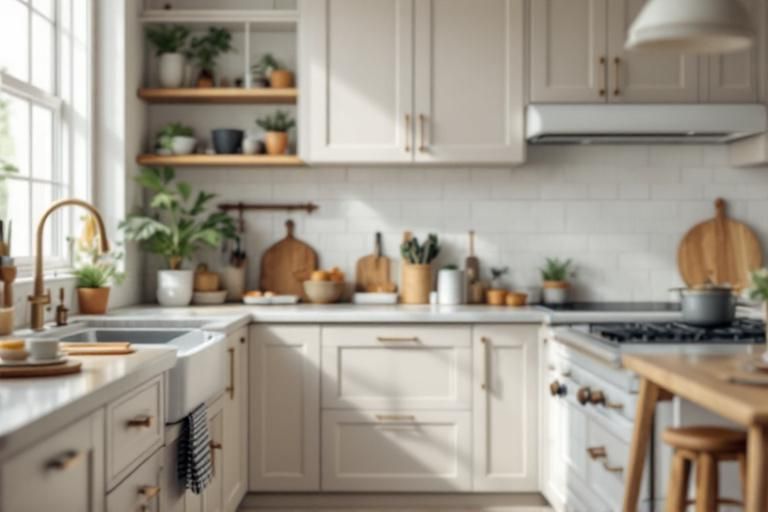
Are you struggling to decide where to put knobs on kitchen cabinets? The right placement can transform your kitchen’s look and functionality, making it easier to open doors and drawers while enhancing your overall design. With over 15 years of experience in home improvement and interior design, I understand the nuances of cabinet hardware placement. In this article, we will explore essential guidelines for knob placement, the aesthetic impact of various styles, and tips for aligning your hardware with your kitchen’s theme. By the end, you’ll know exactly how to position your knobs for both practicality and visual appeal.
Understanding the Importance of Knob Placement
The placement of knobs on kitchen cabinets significantly impacts both functionality and aesthetics. Properly positioned knobs facilitate smooth operation and can enhance the overall design of your kitchen. Incorrect placement can lead to awkward usage and may detract from the visual appeal of the cabinetry. By understanding the fundamental principles of knob placement, homeowners can create a more user-friendly and attractive kitchen space.
Benefits of Proper Knob Placement
Correct knob placement improves ease of access to cabinet doors, making it more convenient to open and close them. Additionally, well-placed knobs can create a cohesive look, contributing to the overall style of your kitchen. A strategic arrangement can also prevent wear and tear on the cabinetry, prolonging its lifespan.
Common Mistakes in Knob Placement
One of the most common mistakes is placing knobs too high or too low, which can make cabinets difficult to operate. Another error is misaligning knobs on adjacent cabinets, leading to a disjointed appearance. It’s crucial to consider the ergonomics and design flow to avoid these pitfalls.
Key Points:
- Knob placement affects both function and aesthetics
- Common placement mistakes can hinder usability
Standard Guidelines for Knob Placement
When deciding where to put knobs on kitchen cabinets, following standard guidelines can ensure optimal function and style. Typically, knobs should be placed at a height that is comfortable for the user, making it easier to reach them without straining. The positioning should also take into account the style of the cabinet doors, whether they are flat-front or raised-panel.
Height Considerations
For standard upper cabinets, knobs are usually placed 2-3 inches from the bottom corner of the door. For lower cabinets, the recommended height is often 2-3 inches from the top corner. This placement allows for comfortable access while maintaining visual balance.
Horizontal vs. Vertical Placement
Knobs can be installed either horizontally or vertically, depending on the cabinet style. Horizontal placement is often preferred for traditional designs, while vertical placement may suit modern styles. Assessing the overall kitchen design will help determine the best orientation for your knobs.
Key Points:
- Standard height for knobs is 2-3 inches from corners
- Orientation should match cabinet style for cohesive design
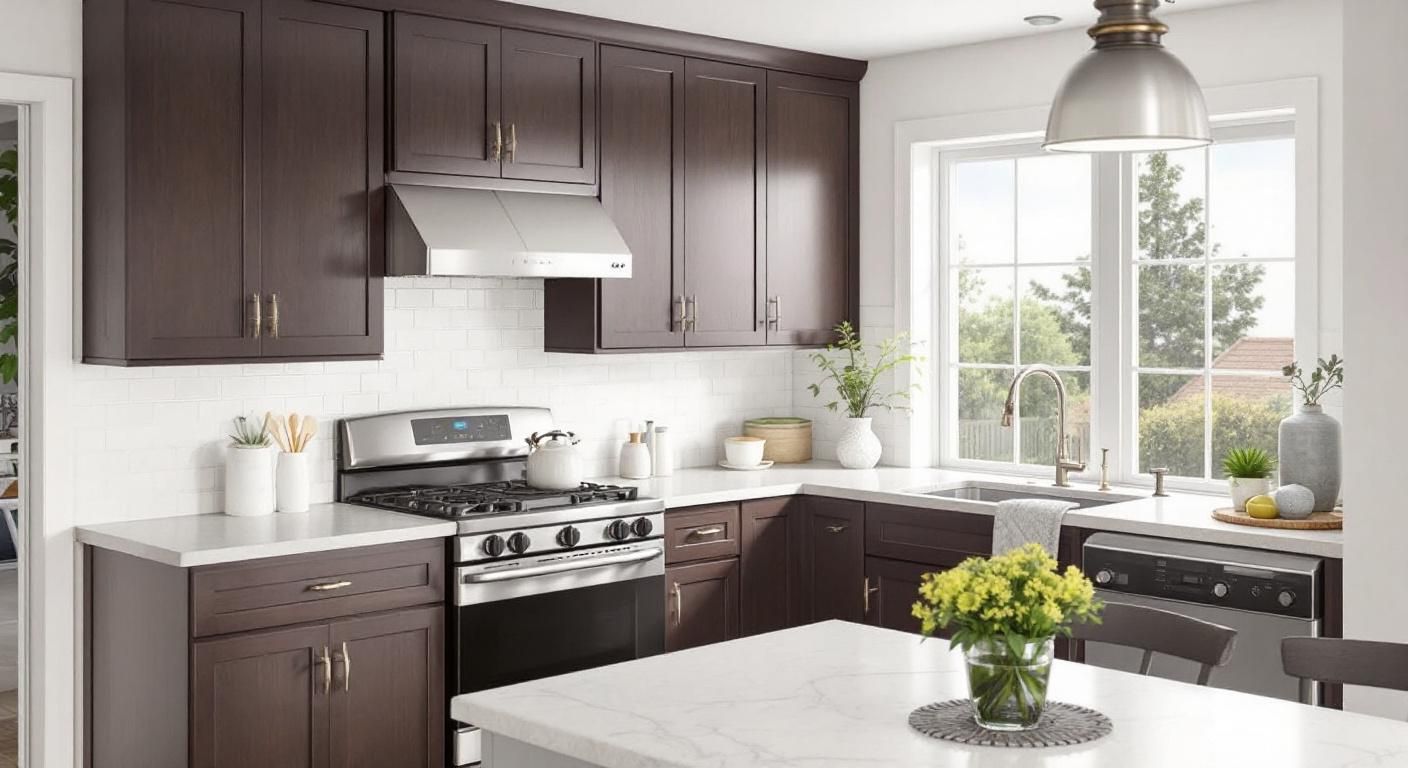
Understanding Cabinet Layout and Design
The placement of knobs on kitchen cabinets is influenced by design aesthetics and functionality. Generally, knobs should be strategically positioned to enhance both the look and usability of the cabinetry. A good starting point is measuring from the top or bottom edges of the cabinet doors. For upper cabinets, knobs are often placed 2-3 inches from the bottom edge, while for lower cabinets, they should be positioned 2-3 inches from the top edge. This uniformity in placement not only creates a cohesive look but also ensures ease of access.
Height Considerations
When determining where to put knobs on kitchen cabinets, height is a critical factor. For upper cabinets, position knobs at a comfortable height that accommodates the average user, typically around 36 to 42 inches from the floor. For lower cabinets, ensure knobs are placed within easy reach, typically about 2-3 inches from the top edge, allowing for a natural grip.
Spacing Between Knobs
Spacing between knobs is essential for both aesthetics and functionality. For cabinets with multiple doors, maintain consistent spacing, ideally between 3 to 5 inches apart. This not only promotes a balanced appearance but also prevents users from accidentally hitting knobs when opening adjacent doors.
Key Points:
- Position knobs 2-3 inches from the edges of doors for uniformity.
- Height and spacing are crucial for both aesthetics and functionality.
💡 Ensure knobs are at a comfortable height for the average user to promote ease of use.
💡 Consistent spacing of knobs enhances the visual appeal and usability of cabinets.
Style and Functionality Integration
The style of knobs can significantly influence their placement on kitchen cabinets. For traditional designs, placing knobs in the center of the upper and lower cabinets can enhance the classic look. In contrast, modern or minimalist designs may benefit from a more asymmetrical or off-center placement, creating a unique visual appeal. Additionally, consider the functionality when deciding on placement; for instance, larger knobs may require more space, while smaller ones can be positioned closer together for a sleeker appearance.
Matching Knob Style with Cabinet Style
Different cabinet styles call for different knob placements. For instance, shaker-style cabinets pair well with centrally placed knobs for a balanced look, while flat-panel cabinets might look better with knobs placed slightly off-center to emphasize their sleek design.
User Experience and Accessibility
Consider accessibility for all potential users, including children and those with disabilities. Knobs should be placed within easy reach and positioned in a manner that avoids obstruction from nearby appliances or fixtures, ensuring a seamless kitchen experience.
Key Points:
- Style integration is key to enhancing both aesthetics and functionality.
- User accessibility should always be a priority in knob placement.
💡 Align knob styles with cabinet styles for a harmonious design.
💡 Think about accessibility when placing knobs to cater to all users.
EXPERT TIPS Pro Advice
Consider the cabinet’s overall design theme
Aligning knob placement with the kitchen’s design theme creates a cohesive look and enhances the overall aesthetic appeal.
Use a template for uniformity
Creating a template for knob placement ensures consistent measurements across all cabinets, leading to a more professional finish.
Test different placements before finalizing
Mocking up knob placements with tape or markers allows you to visualize and adjust before drilling, preventing costly mistakes.
Frequently Asked Questions
Conclusion
Choosing the right placement for knobs on kitchen cabinets is essential for both functionality and aesthetics. Key factors include height, consistency, and size. By following standard guidelines and ensuring a cohesive design, you can enhance your kitchen’s usability and visual appeal.
🎯 Key Takeaways:
- Place knobs 2.5 to 3 inches from edges.
- Upper cabinets should have knobs 2 to 3 inches down.
- Side placements can enhance usability for deeper cabinets.
- Maintain consistent knob heights for uniformity.
- Choose knob size based on cabinet scale.
Expert Advice: Prioritize both function and style when deciding on knob placements. Consistency and thoughtful sizing can significantly elevate your kitchen’s overall design, making it both practical and visually pleasing.
Take the time to measure and plan your kitchen cabinet knob placements carefully to achieve the best results in your space.