Are you considering a kitchen makeover but worried about the cost and hassle of a full renovation? What is refacing kitchen cabinets and how can it be a game changer for your home? Refacing kitchen cabinets is an innovative approach that allows you to refresh the look of your kitchen without the extensive effort and expense of a complete remodel. As an experienced expert in home improvement strategies, I can guide you through the ins and outs of cabinet refacing. In this article, you will learn about the process, the benefits, and the considerations to keep in mind. By the end, you will have a clear understanding of how refacing can transform your kitchen into a stylish and functional space.

Understanding Cabinet Refacing
Refacing kitchen cabinets is a cost-effective way to give your kitchen a fresh look without the expense of a full remodel. This process involves replacing the cabinet doors and drawer fronts while applying a new veneer to the cabinet boxes. The result is a seamless, updated appearance that can significantly enhance the kitchen’s aesthetic. Refacing can be completed in a fraction of the time it takes to install new cabinets, making it a popular choice for homeowners looking to upgrade their space without extensive construction work.
The Refacing Process
The refacing process typically starts with removing existing cabinet doors and drawers. Next, a veneer, which is a thin layer of wood or laminate, is applied to the cabinet boxes. Finally, new doors and drawer fronts are installed. This process not only updates the look but also improves durability, as new materials are often more resilient than older ones.
Benefits of Cabinet Refacing
Refacing kitchen cabinets offers several advantages. Primarily, it is more affordable than a complete kitchen renovation. Additionally, it minimizes waste, as the existing structures are reused. Refacing also allows for customization, enabling homeowners to choose styles and finishes that match their personal taste.
Key Points:
- Refacing is a cost-effective kitchen upgrade
- The process involves replacing doors and applying veneer
Comparing Refacing to Replacement
When considering kitchen upgrades, many homeowners weigh the options of refacing versus full cabinet replacement. Refacing is generally faster and less disruptive, making it an appealing choice for busy households. In contrast, complete replacement may be necessary for cabinets that are severely damaged or outdated. Understanding the differences can help homeowners make informed decisions based on their specific needs and budget.
Cost Considerations
Refacing typically costs between 30% to 50% less than full replacement, making it an attractive option for those on a tight budget. However, the final cost can vary depending on factors like the size of the kitchen and the materials chosen. It’s essential to evaluate your financial situation and determine which option aligns best with your goals.
Longevity and Durability
While refacing can extend the life of your cabinets, it doesn’t address underlying issues. If your cabinets are structurally unsound, replacement may be more beneficial in the long run. It’s important to assess the condition of your existing cabinets to ensure that refacing will provide a lasting solution.
Key Points:
- Refacing is generally faster and less disruptive
- Assess cabinet condition before deciding on refacing or replacement
Understanding Cabinet Refacing
Cabinet refacing is a cost-effective method to update the appearance of your kitchen without the need for a complete renovation. This process involves replacing the cabinet doors and drawer fronts while applying a veneer or laminate to the existing cabinet boxes. Refacing allows homeowners to achieve a fresh look while maintaining the underlying structure, making it an attractive option for those seeking a balance of aesthetics and budget. It is typically completed in a fraction of the time compared to a full remodel, usually within two to four days, depending on the size of the kitchen.
The Process of Cabinet Refacing
The refacing process begins with removing existing cabinet doors, drawers, and hardware. The exposed surfaces are then cleaned and prepped for the application of the veneer or laminate. Once the new material is installed, new doors and drawer fronts are fitted, followed by the addition of new hardware. This step-by-step method ensures that the cabinets not only look new but also function well.
Benefits of Refacing Cabinets
Refacing cabinets presents numerous benefits, including reduced cost compared to complete replacements, minimal disruption during the renovation, and the ability to choose from a wide variety of finishes and styles. It also promotes sustainability by reusing existing structures, thereby minimizing waste. Homeowners can achieve a customized look that can significantly enhance the overall aesthetic of their kitchen.
Key Points:
- Cabinet refacing is a budget-friendly way to update kitchen aesthetics.
- The process is faster than a full kitchen remodel.
💡 Ensure your cabinets are structurally sound before refacing to avoid additional costs later.
💡 Consider the style of your kitchen when choosing new finishes to maintain a cohesive look.
Choosing the Right Materials for Refacing
Selecting the appropriate materials for cabinet refacing is vital for achieving a lasting and visually appealing outcome. Common materials include wood veneer, laminate, and thermofoil, each offering distinct advantages. Wood veneer provides a natural look and can be stained or painted, while laminate offers a wide range of colors and patterns that are easy to clean. Thermofoil is a vinyl material that is durable and resistant to humidity, making it suitable for kitchens.
Factors to Consider When Selecting Materials
When choosing materials for refacing, consider the durability, maintenance requirements, and style compatibility. For example, laminate might be ideal for high-traffic kitchens due to its easy maintenance, while wood veneer could be preferred for a more upscale appearance. Additionally, assess the existing kitchen decor to ensure that the chosen materials complement the overall design.
Cost Implications of Material Choices
The cost of materials can significantly affect the overall budget for your refacing project. Laminate tends to be the most affordable option, while solid wood veneers can be more expensive but offer enhanced aesthetics. It’s essential to balance your budget with the desired quality and finish to ensure you achieve the best value for your investment.
Key Points:
- Material choice influences both the aesthetics and durability of refaced cabinets.
- Understanding costs associated with materials helps in budget planning.
💡 Always request samples of materials to see how they look in your kitchen’s lighting.
💡 Factor in long-term maintenance costs when choosing materials to ensure sustainability.
EXPERT TIPS Pro Advice
Plan your design before starting the refacing process.
Having a clear design plan ensures that all elements work harmoniously together and helps avoid costly mistakes during installation.
Hire a professional if you are unsure about DIY refacing.
Professional refacers can ensure a flawless finish, saving you time and potential rework costs if mistakes occur.
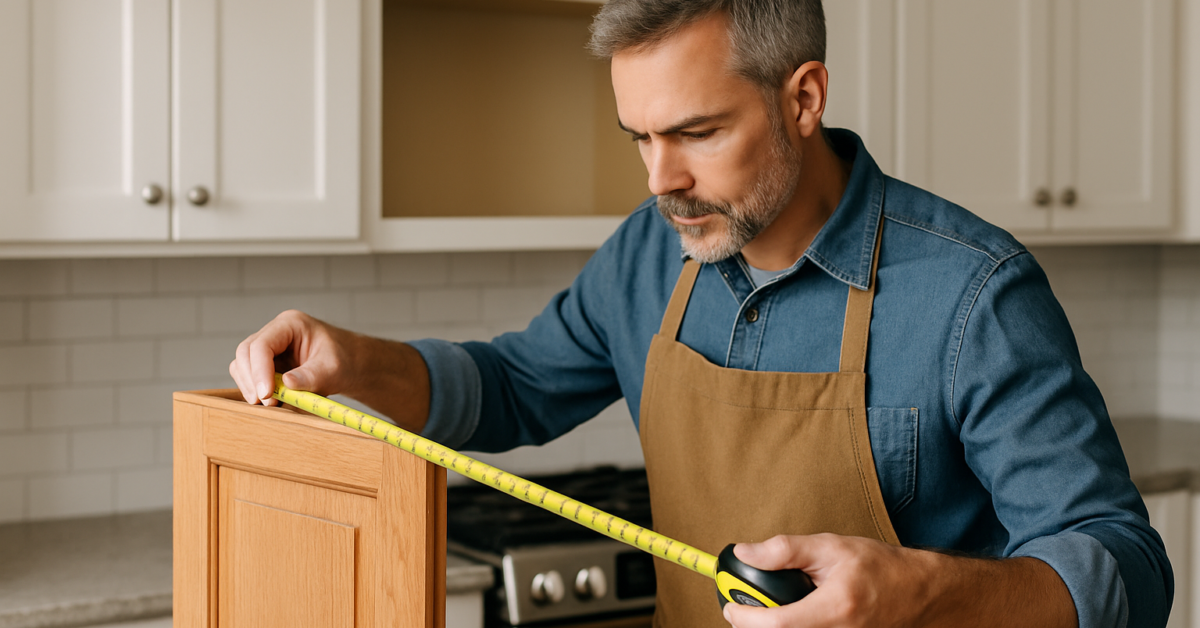
Take accurate measurements of your cabinets.
Precise measurements prevent issues with new doors and fronts, ensuring a seamless fit and minimizing the need for adjustments.
Consider energy-efficient lighting to enhance the new look of your cabinets.
Proper lighting can highlight the features of your newly refaced cabinets, adding to the overall ambiance of your kitchen.
Seal wood veneers to protect against moisture.
Sealing helps maintain the integrity of wood veneers in a kitchen’s humid environment, extending their lifespan.
Frequently Asked Questions
Conclusion
Refacing kitchen cabinets is a cost-effective way to update your kitchen’s appearance without a full remodel. This process involves replacing doors and drawer fronts while retaining the existing cabinet frames. Consider your budget, desired aesthetics, and whether to DIY or hire a professional.
🎯 Key Takeaways:
- Refacing updates kitchen cabinets without full replacement.
- It involves replacing doors and applying new veneers.
- Refacing is quicker and generally less expensive than a full remodel.
- DIY is possible, but professional help can ensure quality results.
- Material choice impacts durability and aesthetic appeal.
Expert Advice: Evaluate your kitchen’s needs and your budget before deciding on refacing or replacement. Ensure you choose high-quality materials for a lasting finish, and consider consulting with a professional for the best results.
Explore your refacing options today and envision how a simple update can transform your kitchen!