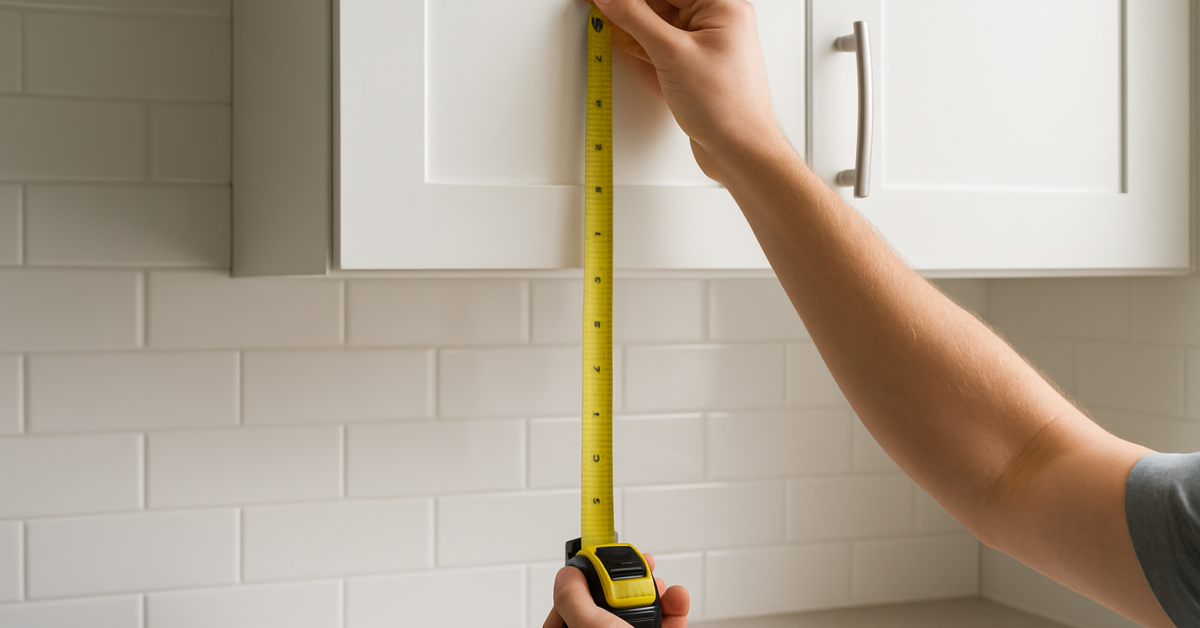
Are you planning a kitchen remodel and wondering what is kitchen cabinet height? The height of your kitchen cabinets plays a crucial role in both functionality and aesthetics. Many homeowners overlook this important detail, leading to discomfort and inefficiency in the kitchen. As an experienced kitchen designer, I understand how vital it is to have cabinets that not only fit your space but also enhance your cooking experience. In this article, we will explore the standard heights for kitchen cabinets, factors to consider when choosing the right height, and tips for creating a personalized kitchen space that meets your needs. Whether you’re aiming for a new installation or a renovation, this guide will provide you with the knowledge to make informed decisions about your kitchen cabinetry.
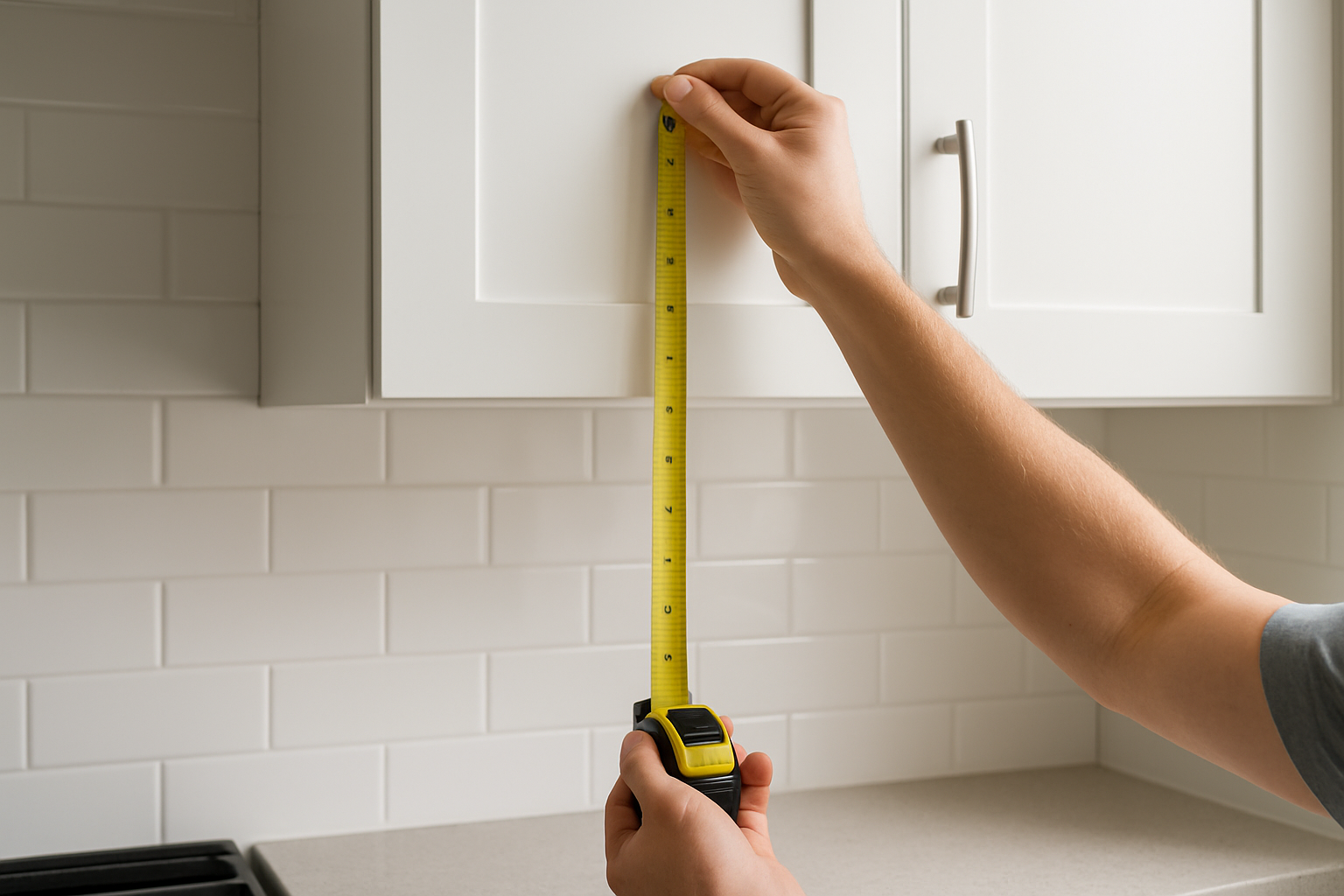
Understanding Kitchen Cabinet Height
Kitchen cabinet height is a crucial aspect of kitchen design that impacts functionality and aesthetics. The standard height for base cabinets is typically 34.5 inches, while wall cabinets generally range from 30 to 42 inches. These measurements are designed with ergonomic considerations in mind, ensuring ease of use for a majority of users. However, personal preferences, kitchen layout, and ceiling height can influence the ideal height for your specific kitchen space.
Standard Measurements
The standard height for base cabinets is 34.5 inches, which includes a countertop thickness of about 1.5 inches. Wall cabinets usually come in heights of 30, 36, or 42 inches. These dimensions allow for comfortable usage, ensuring that items are within easy reach while maximizing space efficiency.
Customization Options
While standard cabinet heights are widely accepted, customization is an option for unique kitchen designs. Homeowners can opt for taller or shorter cabinets based on their height or specific storage needs. Custom heights can enhance usability and make better use of vertical space, especially in kitchens with high ceilings.
Key Points:
- Standard base cabinet height is 34.5 inches.
- Wall cabinet heights range from 30 to 42 inches.
Factors Influencing Cabinet Height
Several factors influence the appropriate height for kitchen cabinets, including the user’s height, the kitchen layout, and overall design goals. It’s essential to consider these elements to create a functional and visually appealing space. A well-planned cabinet height can enhance workflow and accessibility, making everyday tasks more efficient.
User Height Considerations
The height of the primary users should be a significant factor in determining cabinet heights. Taller individuals may benefit from higher cabinets for better reach, while shorter individuals might prefer lower options. Ideally, the design should cater to the most frequent users to ensure comfort.
Kitchen Layout and Design
The layout of the kitchen also plays a crucial role in determining cabinet height. In galley kitchens, for instance, lower wall cabinets may help create an open feel, while in larger, open-concept spaces, taller cabinets can provide additional storage. The overall design aesthetic should guide cabinet choices to maintain harmony in the kitchen.
Key Points:
- Consider user height for optimal cabinet usability.
- Kitchen layout significantly affects cabinet height choices.
Understanding Standard Kitchen Cabinet Heights
The standard height for kitchen cabinets typically ranges from 30 to 36 inches for base cabinets and 12 to 42 inches for wall cabinets. This range allows for both functional use and aesthetic appeal. The height of base cabinets, usually set at 36 inches, is designed to accommodate most kitchen tasks comfortably without excessive bending. Wall cabinets, on the other hand, are often installed 18 inches above the countertop to provide ample workspace while remaining accessible. It’s important to note that these standard measurements can be adjusted based on individual needs and kitchen designs.
Base Cabinet Heights
Base cabinets generally stand at 36 inches, which is the ideal height for most users. This height aligns with the average countertop height, enabling efficient meal preparation and cooking. If your kitchen has specific accessibility needs, consider adjustable legs that allow for customization of the cabinet height.
Wall Cabinet Heights
Wall cabinets can vary significantly based on design preferences and ceiling height. Standard wall cabinet height is usually 30 inches, but taller options are available. Installing them 18 inches above the countertop maximizes workspace while keeping items within easy reach, especially for frequently used kitchen tools.
Customization for Unique Spaces
In some cases, standard heights may not be suitable due to unique kitchen layouts or user needs. Custom cabinets can be designed to fit specific height requirements, especially in kitchens for individuals with disabilities or taller users. Consulting with a kitchen designer can help establish optimal heights for your space.
Key Points:
- Standard cabinet heights are designed for functionality and comfort.
- Customization is key for kitchens with unique layouts or accessibility needs.
💡 Measure your kitchen space before deciding on cabinet heights to ensure a perfect fit.
💡 Consider the height of the users in your household when determining cabinet heights for comfort.
💡 Use a mock-up or cardboard template to visualize how different cabinet heights will look in your kitchen.
Factors Affecting Kitchen Cabinet Height Decisions
When determining the height of kitchen cabinets, several factors come into play that can influence the final decision. User height, kitchen layout, and ceiling height are critical considerations. A tall user may prefer higher cabinets for ease of access, while shorter users might require lower placements. Additionally, the overall layout and workflow of the kitchen can dictate optimal heights to maintain efficiency during cooking and cleaning tasks. Ceiling height can also inspire design choices, as higher ceilings often allow for taller cabinets or additional shelving.
User Preferences and Ergonomics
User height significantly impacts cabinet height preferences. Taller individuals may find standard heights uncomfortable, while shorter users might struggle with high cabinets. Considering ergonomics can lead to a kitchen that is not only aesthetically pleasing but also functional and user-friendly.
Kitchen Layout Considerations
The layout of a kitchen can dictate cabinet height as well. For example, an L-shaped kitchen may require lower cabinets to maintain clear sight lines and accessibility. It’s essential to plan the layout carefully to optimize space and workflow, ensuring that cabinet heights complement the overall design.
Impact of Ceiling Height
Ceiling height plays a crucial role in determining cabinet height. In kitchens with high ceilings, taller cabinets can draw the eye upward and create a sense of grandeur. Conversely, lower ceilings may necessitate shorter cabinets to prevent a cramped feeling, thereby enhancing the kitchen’s overall design.
Key Points:
- User comfort and ergonomics are vital in determining cabinet heights.
- Ceiling height can influence both aesthetics and function in kitchen design.
💡 Evaluate the overall kitchen workflow to determine optimal cabinet heights that facilitate movement.
💡 Take into account the height of appliances when planning cabinet heights to ensure harmony in your kitchen’s design.
💡 Consult with professionals for tailored solutions that consider both aesthetics and functionality.
EXPERT TIPS Pro Advice
Incorporate adjustable shelving
Adjustable shelving within cabinets allows for flexibility in storage and can accommodate varying heights of items, making cabinets more usable.
Test heights with actual items
Place commonly used kitchen items at different heights to find the most ergonomic and convenient options before finalizing cabinet heights.
Plan for future needs
Consider your future needs and potential changes in household dynamics, such as children growing taller or family members with mobility issues.
Use vertical space wisely
Maximize vertical space in kitchens with high ceilings by incorporating taller cabinets for additional storage, while ensuring accessibility.
Seek professional advice
Consulting with a kitchen designer can provide insights into optimal cabinet heights based on your unique space and needs.
Frequently Asked Questions
Conclusion
Understanding kitchen cabinet height is essential for both functionality and design. By considering standard measurements, your personal height, and the kitchen layout, you can create a space that is both accessible and visually appealing. Customizing cabinet heights can further enhance usability and aesthetics.
🎯 Key Takeaways:
- Standard base cabinet height is 34.5 inches; wall cabinets are typically 30 inches.
- Consider personal height and kitchen layout when determining cabinet heights.
- Custom cabinetry allows for tailored height adjustments.
- Maximize storage in tall kitchens by extending cabinets to the ceiling.
- Standard countertop height is generally 36 inches for comfort.
Expert Advice: Take the time to assess your kitchen space and your needs before finalizing cabinet heights. A well-planned kitchen design can enhance both functionality and enjoyment in your cooking space.
Explore further resources or consult with a kitchen designer to optimize your kitchen layout.