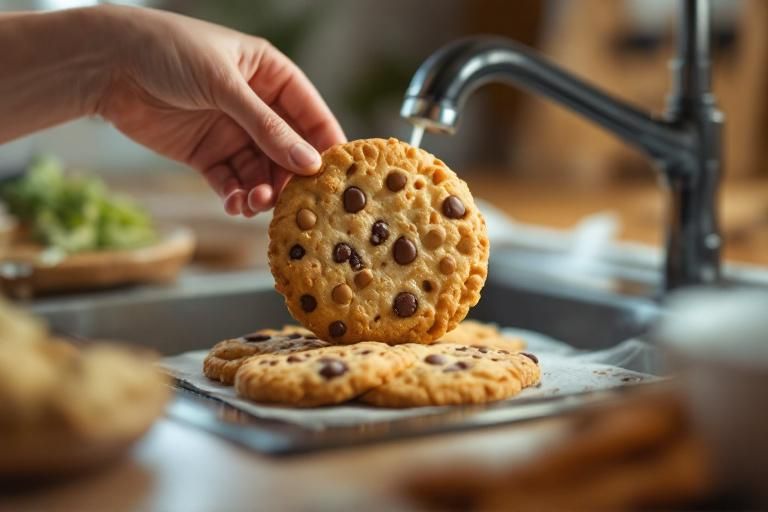
Have you ever wondered what is a kitchen sink cookie? This delightful dessert is not just any ordinary cookie; it’s a medley of flavors and textures that can satisfy even the pickiest of eaters. Originating from the concept of throwing in everything but the kitchen sink, these cookies are packed with a variety of ingredients, making them a fun and creative baking project. In this article, we will dive into the history of kitchen sink cookies, discuss their unique ingredients, and provide tips for creating your own batch. Whether you’re a seasoned baker or a novice in the kitchen, you’ll find valuable insights to help you whip up this beloved treat.
Understanding Kitchen Sink Cookies
Kitchen sink cookies are a delightful, versatile treat that combines an assortment of ingredients, making them uniquely flavorful and texturally interesting. The term ‘kitchen sink’ refers to the practice of throwing in everything but the kitchen sink, highlighting the cookie’s eclectic mix of components. These cookies often include a base of flour, sugar, and butter, but can feature a wide variety of add-ins like chocolate chips, nuts, dried fruits, and even pretzels. This adaptability makes them a favorite for home bakers. Whether you have leftover ingredients or just want to experiment, kitchen sink cookies provide an excellent canvas for creativity in baking.
Origins of Kitchen Sink Cookies
The exact origins of kitchen sink cookies are unclear, but they likely evolved from traditional cookie recipes that encouraged improvisation. Home bakers often used available ingredients to minimize waste, leading to the development of these all-inclusive cookies. Over time, they became popular at bake sales and in homes, cherished for their ability to please a crowd with diverse tastes.
Basic Components
A typical kitchen sink cookie recipe begins with a standard cookie dough base, which includes flour, sugar, butter, and eggs. The fun starts with the add-ins: common ingredients include chocolate chips, oats, chopped nuts, dried fruits, and even breakfast cereals. This combination not only enhances flavor but also adds varying textures, making each bite a delightful surprise.
Key Points:
Kitchen sink cookies are versatile and customizable.
The term stems from using a wide range of ingredients.
Baking Kitchen Sink Cookies
Baking kitchen sink cookies is both an art and a science. Following a structured approach can yield the best results. Start with a well-mixed cookie dough, ensuring that the fats and sugars are creamed together properly for a light texture. Then, fold in your chosen mix-ins, making sure to distribute them evenly throughout the dough. It’s important to consider baking time and temperature, as these can vary based on the add-ins used. A general guideline is to bake at 350°F (175°C) for 10-12 minutes, but keep an eye on them to prevent over-baking.
Mixing Techniques
When preparing the dough, use the creaming method, which involves beating butter and sugar until light and fluffy. This process incorporates air, helping the cookies rise and creating a tender texture. Next, add dry ingredients gradually to maintain structure, followed by the mix-ins. Overmixing after adding flour can lead to tough cookies, so be gentle.
Storage and Freshness
To keep kitchen sink cookies fresh, store them in an airtight container at room temperature. They can last for about a week. For longer storage, consider freezing them. Place the cookies in a single layer on a baking sheet, freeze until solid, then transfer to a freezer bag. This method preserves their texture and flavor for up to three months.
Key Points:
Use the creaming method for a light texture.
Store cookies in airtight containers for freshness.
Understanding Kitchen Sink Cookies
Kitchen sink cookies are a versatile and indulgent treat that combine a variety of ingredients, typically including chocolate chips, nuts, and dried fruits. The unique aspect of these cookies is their adaptability; bakers can use whatever leftover ingredients they have on hand. This not only reduces waste but also allows for creative expression in baking. The name ‘kitchen sink’ signifies the inclusion of everything but the kitchen sink, resulting in a rich, flavorful cookie that caters to diverse tastes. Commonly, these cookies are a bit thicker than traditional cookies due to the variety of mix-ins, providing a delightful texture with each bite.
Common Ingredients
Kitchen sink cookies often include a base of flour, sugar, butter, and eggs, which are standard for cookie recipes. However, the real magic lies in the mix-ins. Popular additions include chocolate chips, oats, nuts like walnuts or pecans, and dried fruits such as cranberries or raisins. The combination of sweet and salty, chewy and crunchy elements creates a complex flavor profile that is appealing to many cookie lovers.
Baking Techniques
When baking kitchen sink cookies, it’s crucial to achieve the right dough consistency. Start by creaming the butter and sugar well to incorporate air, which helps with rising. Avoid overmixing once the flour is added, as this can lead to tough cookies. Chill the dough for at least 30 minutes before baking; this enhances flavor and helps maintain shape during baking. For an even distribution of mix-ins, fold them in gently to prevent clumping.
💡 Experiment with different mix-ins to find your favorite combinations.
💡 Chill your dough before baking for thicker cookies and enhanced flavor.
💡 Use a cookie scoop for uniform size and even baking.
Customizing Your Kitchen Sink Cookies
One of the most appealing aspects of kitchen sink cookies is their customizability. You can tailor them to suit dietary preferences or use up ingredients you want to finish. For instance, gluten-free flour can be used for those with dietary restrictions, or you might add protein powder for a nutritional boost. This flexibility makes kitchen sink cookies perfect for parties, family gatherings, or simply to satisfy personal cravings. Additionally, adjusting the sugar content can create a less sweet treat that pairs well with coffee or tea.
Dietary Adjustments
To make kitchen sink cookies healthier, consider substituting some of the all-purpose flour with whole wheat or almond flour. You can also replace some sugar with natural sweeteners like honey or maple syrup, which add a different flavor profile. For vegan options, use flaxseed meal as an egg substitute and coconut oil in place of butter.
Flavor Enhancements
To elevate the flavor of your kitchen sink cookies, consider adding spices like cinnamon, nutmeg, or sea salt. A dash of espresso powder can intensify the chocolate flavor if you’re using it. Experimenting with extracts such as vanilla, almond, or even citrus zest can also provide a unique twist to your cookies, enhancing their appeal.
💡 Try using leftover candy or holiday treats as mix-ins for a fun twist.
💡 Adjust the baking time slightly for thicker cookies to ensure they’re chewy inside.
💡 Incorporate spices to add depth of flavor without extra calories.
EXPERT TIPS
Pro Advice
1
Balance flavors and textures.
Aim for a mix of sweet, salty, chewy, and crunchy ingredients to create a cookie that has complex flavor and texture.
2
Pay attention to baking times.
Overbaking can lead to hard cookies; underbaking slightly can result in a deliciously chewy center that continues to firm up as they cool.
3
Use quality ingredients.
The better the ingredients, the better the final cookie. Choose high-quality chocolate and fresh nuts for the best flavor.
4
Store properly to maintain freshness.
Keep cookies in an airtight container at room temperature to preserve their texture and flavor for several days.
5
Involve kids in the process.
Kitchen sink cookies are a fun way to engage children in baking, allowing them to choose their favorite mix-ins and feel involved in the kitchen.
Frequently Asked Questions
QWhat is a kitchen sink cookie?
A kitchen sink cookie is a versatile treat that combines various ingredients, including chocolate chips, nuts, dried fruits, and oats. It’s called a ‘kitchen sink’ because it uses up leftover ingredients, creating a unique flavor and texture in each batch.
QHow do I make kitchen sink cookies?
To make kitchen sink cookies, mix butter and sugar, then add eggs and vanilla. Incorporate flour, baking soda, and salt, followed by a variety of mix-ins like chocolate chips, nuts, and dried fruits. Bake until golden brown for a deliciously chewy cookie.
QWhy are kitchen sink cookies popular?
Kitchen sink cookies are popular due to their adaptability and the ability to use up leftover ingredients. This results in a cookie that offers a mix of flavors and textures, appealing to a wide range of taste preferences and making them a favorite for many.
QCan I customize my kitchen sink cookie recipe?
Yes, you can customize your kitchen sink cookie recipe by adjusting the mix-ins according to your preferences. Experiment with different types of chocolate, nuts, or even salty snacks like pretzels to create a personal twist on this beloved cookie.
QShould I chill my dough before baking kitchen sink cookies?
Chilling your kitchen sink cookie dough for at least 30 minutes can enhance the flavor and texture. It helps the cookies maintain their shape during baking, resulting in a thicker, chewier cookie with a more developed taste.
QWhat are common mix-ins for kitchen sink cookies?
Common mix-ins for kitchen sink cookies include chocolate chips, nuts (like walnuts or pecans), dried fruits (such as cranberries or raisins), and oats. You can also add ingredients like toffee bits or coconut for extra flavor and texture.
QHow should I store kitchen sink cookies?
Store kitchen sink cookies in an airtight container at room temperature for up to a week. For longer storage, consider freezing them in a single layer, then transferring to a freezer-safe bag. This preserves their freshness and flavor for future enjoyment.
Conclusion
Kitchen sink cookies are a fun and flexible treat that allow bakers to use leftover ingredients creatively. By combining various mix-ins, you can customize flavors and textures to suit your taste. Chilling the dough can enhance the final product, making them even more enjoyable.
🎯 Key Takeaways:
Kitchen sink cookies combine various ingredients for unique flavors.
Customization is encouraged; use your favorite mix-ins.
Chilling the dough improves texture and taste.
Store cookies in an airtight container for freshness.
Expert Advice: Embrace your creativity in the kitchen. Experiment with different ingredients and find the perfect combination that suits your palate. Baking should be fun, so don’t hesitate to try new flavors and textures!
Start your baking adventure today by trying out a kitchen sink cookie recipe and personalizing it to make it your own!