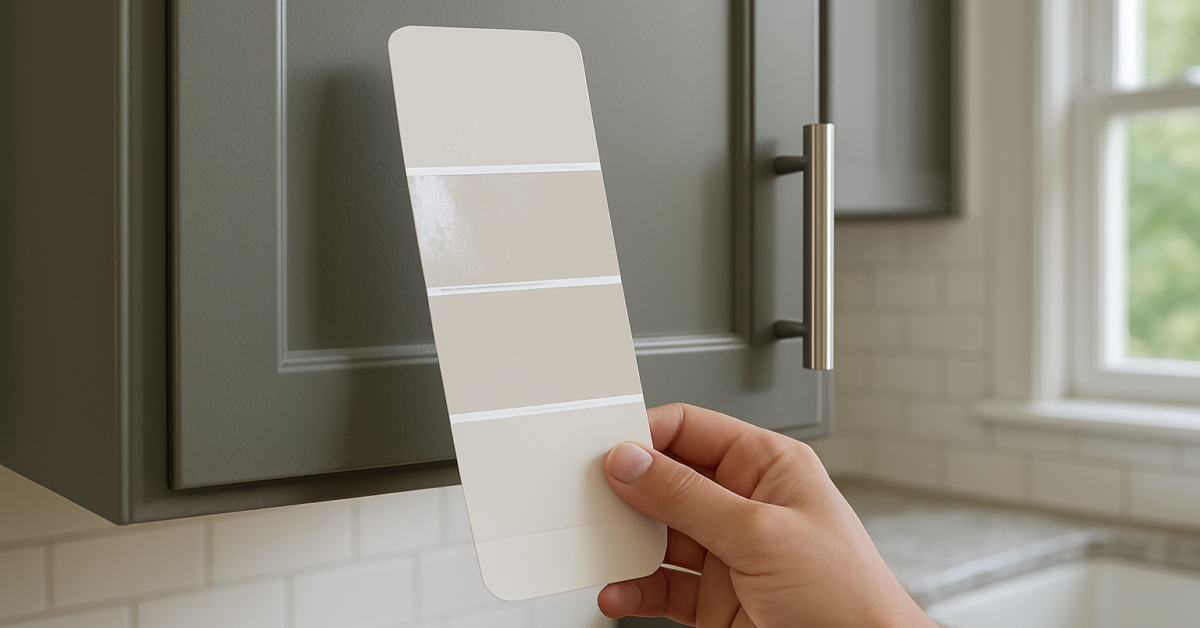
Are you wondering what finish of paint for kitchen cabinets will provide the best durability and aesthetics? Choosing the right paint finish is crucial for enhancing the look and longevity of your kitchen cabinets. With a myriad of options available, it can be overwhelming to decide which finish will best suit your style and functional needs. As an expert in home improvement and interior design, I will guide you through the various types of paint finishes, their pros and cons, and how to select the perfect one for your kitchen. By the end of this article, you’ll have a clear understanding of the best paint finishes for kitchen cabinets, ensuring your kitchen not only looks stunning but withstands the test of time.
Understanding Paint Finishes for Kitchen Cabinets
Choosing the right finish for kitchen cabinets is crucial in ensuring both aesthetics and durability. Paint finishes can significantly affect the look of your cabinets and how they withstand daily wear and tear. Generally, finishes are categorized into flat, satin, semi-gloss, and gloss. Each type has distinct characteristics that cater to different needs, making it essential to understand their properties before making a decision.
Types of Paint Finishes
Paint finishes range from flat to high gloss, with varying levels of sheen. Flat finishes offer a matte look but are less durable, making them suitable for low-traffic areas. Satin finishes provide a soft sheen and are more washable, while semi-gloss and gloss finishes are highly reflective, making them ideal for high-traffic areas like kitchens.
Durability and Maintenance
The durability of a paint finish greatly impacts how kitchen cabinets will look over time. Glossy finishes are easier to clean and resist stains better than flat finishes. Regular maintenance, such as wiping down surfaces with mild cleaners, can prolong the life of the paint and maintain its appearance.
Aesthetic Considerations
When selecting a finish, consider how it complements the overall kitchen design. A gloss finish can create a modern and sleek look, while a satin finish offers a softer touch. Match the finish with other elements like countertops and hardware to achieve a cohesive aesthetic.
Key Points:
- Choose a finish based on durability needs
- Consider the overall kitchen design for aesthetic harmony
Factors Influencing Paint Finish Choice
Several factors can influence the choice of paint finish for kitchen cabinets. These include the cabinet material, the kitchen’s lighting, and the intended use of the space. Understanding how these elements interact with paint finishes can lead to better decisions that enhance both functionality and style.
Cabinet Material
The material of the kitchen cabinets plays a significant role in finish selection. Wood cabinets can absorb paint differently than MDF or laminate, affecting the final look. For instance, wood may require a primer to achieve a smooth finish, while laminate surfaces may need special paints designed for adhesion.
Lighting Conditions
Lighting in the kitchen can drastically change how paint finishes appear. Glossy finishes may reflect light and make a space feel brighter, while flat finishes can absorb light, creating a more muted atmosphere. It’s essential to test how different finishes look under various lighting conditions before making a final decision.
Usage and Traffic Levels
Consider the amount of traffic the kitchen experiences. In high-traffic kitchens, a more durable finish, such as semi-gloss or gloss, is advisable to withstand spills and stains. In contrast, if the kitchen is used primarily for occasional cooking or entertaining, a satin or flat finish may suffice.
Key Points:
- Account for cabinet material when choosing a finish
- Evaluate lighting effects on paint appearance
Understanding Paint Finishes for Kitchen Cabinets
Choosing the right paint finish for kitchen cabinets is crucial for both aesthetics and durability. The finish affects not only the look but also the maintenance and longevity of the cabinets. Common finishes include matte, eggshell, satin, semi-gloss, and high-gloss. Each finish has its own unique properties that can influence the final outcome. For instance, high-gloss finishes are highly reflective and easy to clean, making them suitable for kitchens that see a lot of action. Conversely, matte finishes offer a softer look but may require more upkeep. Understanding these characteristics will help you make an informed choice that aligns with your kitchen’s design and usage.
Common Paint Finishes
The most popular paint finishes for kitchen cabinets are satin, semi-gloss, and high-gloss. Satin finishes offer a subtle sheen, providing a balance between easy cleaning and a warm appearance. Semi-gloss finishes are more durable and resistant to stains, making them ideal for high-traffic areas. High-gloss finishes, while striking and modern, can reveal imperfections in the cabinetry, so prep work is essential. Ultimately, the choice of finish should align with your kitchen’s style and the amount of wear and tear the cabinets will experience.
Durability and Maintenance
Durability is a critical factor when selecting a paint finish for kitchen cabinets. High-gloss and semi-gloss finishes tend to be more resistant to moisture and stains, making them easier to wipe clean. In contrast, matte finishes may require more frequent touch-ups and cleaning, as they can attract grease and grime. It’s important to consider how often the cabinets will be used and how easily you can maintain them. Regular cleaning and occasional repainting may be necessary, so choose a finish that suits your lifestyle and cleaning preferences.
Key Points:
- The finish affects both the look and durability of kitchen cabinets.
- High-gloss and semi-gloss finishes are ideal for easy maintenance.
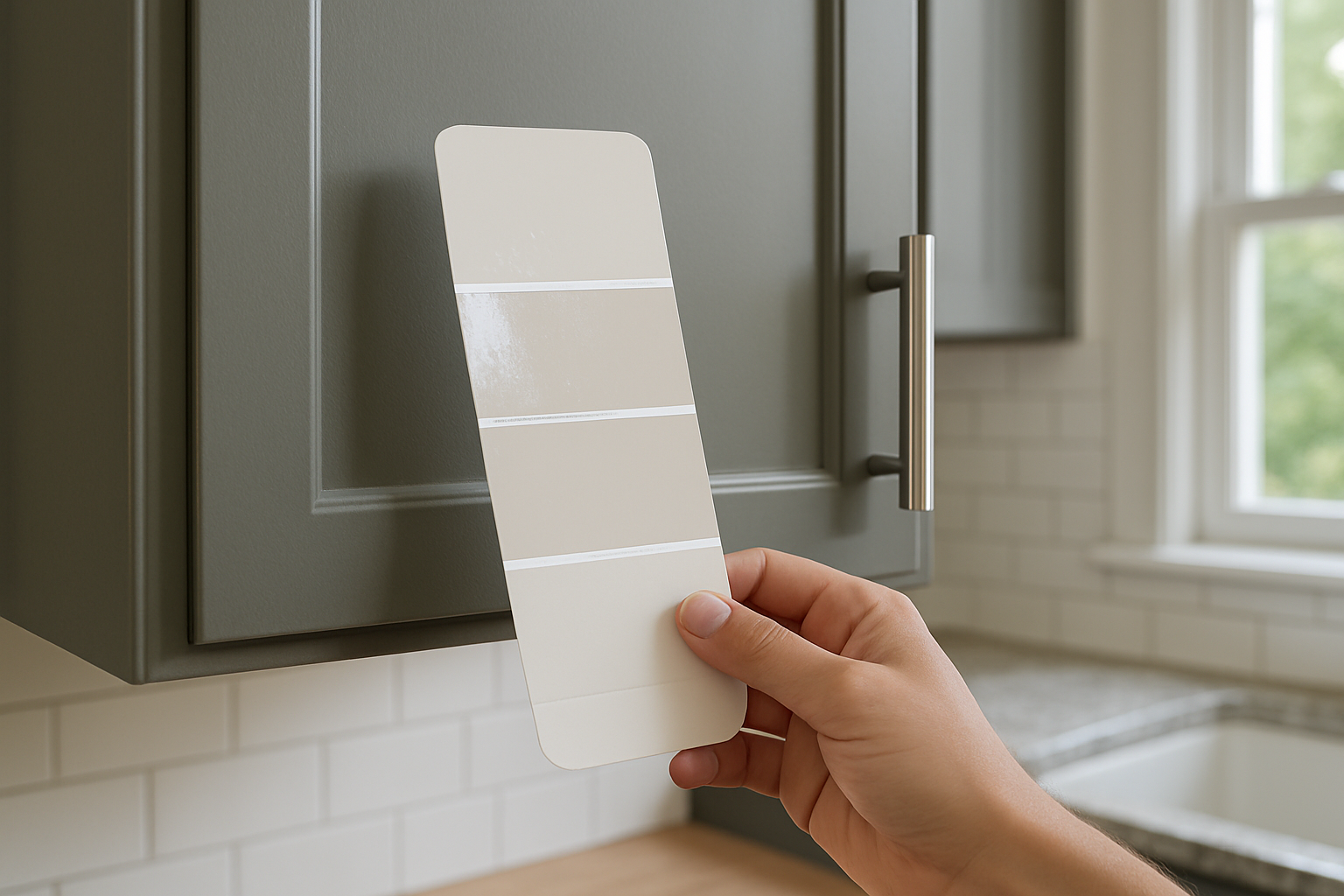
💡 Always test paint samples on a small area of the cabinet to see how the finish looks in different lighting.
💡 Consider using a paint with a built-in primer to improve adhesion and durability.
💡 Choose a finish that complements the overall design style of your kitchen, balancing aesthetics with practicality.
Factors Influencing Your Finish Choice
Several factors should influence your choice of paint finish for kitchen cabinets. These include the kitchen’s overall design, the material of the cabinets, and the expected wear and tear. For instance, if you have a modern, sleek design, a high-gloss finish may enhance that contemporary look. On the other hand, traditional kitchens may benefit from warmer satin or eggshell finishes that provide a softer appearance. Additionally, consider the type of cabinet material; wood may require a different approach than laminate or MDF. All these factors combined will help you select the best finish for your specific needs.
Kitchen Design and Style
The design theme of your kitchen is a major determinant in selecting a paint finish. Modern kitchens often call for sleek, high-gloss finishes that reflect light and create a contemporary feel. In contrast, rustic or farmhouse-style kitchens may benefit from softer, matte or satin finishes that add warmth and character. Assess your existing decor and choose a finish that harmonizes with the overall aesthetic of your space.
Cabinet Material Considerations
The material of your cabinets plays a significant role in finishing choices. Solid wood cabinets can typically handle a variety of finishes, but laminates may require specific types of paint to adhere properly. Additionally, certain materials may not hold up well under high-gloss finishes, so it’s essential to understand the compatibility. Always check the manufacturer’s guidelines for recommended finishes based on your cabinet material.
Key Points:
- Kitchen design heavily influences finish choice; match finishes to overall style.
- Cabinet material can affect the durability and appearance of the finish.
💡 Match the paint finish to the kitchen’s design style for a cohesive look.
💡 Consider the cabinet material when choosing a finish to ensure proper adhesion.
💡 When in doubt, consult with a professional to help choose the right finish for your kitchen.
EXPERT TIPS Pro Advice
Prep is key for a flawless finish
Properly preparing the surface before painting ensures better adhesion and a smoother finish, which is crucial for achieving a professional look.
Consider the lighting in your kitchen
Different paints can appear differently under various lighting conditions. Always observe your chosen finish in different lights to ensure it meets your expectations.
Factor in the cabinet usage
If your kitchen gets heavy use, opt for a more durable finish like semi-gloss or high-gloss to withstand wear and tear.
Test with samples
Always test paint samples on your cabinets. This helps you visualize how the color and finish will look in your space.
Don’t skip the primer
Using a primer can improve adhesion and durability, especially on surfaces that may not absorb paint easily.
Frequently Asked Questions
Conclusion
Choosing the right paint finish for kitchen cabinets is crucial for durability and aesthetics. Semi-gloss and satin finishes offer the best combination of resilience and ease of cleaning. Proper preparation and the right tools will ensure a successful painting project that enhances your kitchen’s look.
🎯 Key Takeaways:
- Semi-gloss and satin are ideal finishes for durability.
- Water-based paints are easier to work with than oil-based.
- Proper prep is essential for achieving a smooth finish.
- Matte finishes are less practical for kitchen use.
Expert Advice: Always test paint samples in your kitchen’s lighting to find the perfect shade and finish. Prioritize durability and ease of cleaning to ensure your cabinets look great for years to come.
Consider your options and start planning your kitchen cabinet painting project for a fresh and updated look.