Is your kitchen sink draining slowly or completely clogged, leaving you frustrated? A clogged kitchen sink, especially one with a disposal, can disrupt your daily routine. Understanding how to unclog a kitchen sink with disposal can save you time and money on professional plumbing services. As an experienced plumbing expert, I’ve seen countless homeowners struggle with this common issue. In this article, you’ll learn practical, step-by-step techniques to effectively clear your sink, including preventative measures to avoid future clogs. Whether you’re dealing with food debris or a malfunctioning disposal, we’ve got you covered with expert advice.
Understanding the Basics of Kitchen Sink Disposal
A kitchen sink with a disposal unit is a convenient feature, but it can sometimes become clogged. Understanding how the disposal works and common clogging causes can help you effectively address issues. Disposal units chop food waste and flush it through the plumbing system. However, certain materials—like fibrous vegetables, grease, and large food particles—can lead to clogs. Familiarizing yourself with the disposal’s operation and potential pitfalls is essential for effective troubleshooting and prevention.
How a Kitchen Disposal Works
A garbage disposal uses a motor and sharp blades to shred food waste into smaller pieces, which are then washed away by water. Proper usage involves running cold water before, during, and after using the disposal to help flush waste through the pipes and prevent buildup that leads to clogs.
Common Causes of Clogs
Clogs often occur due to improper items being disposed of, such as grease, fibrous foods like celery, or starchy foods like potatoes. Overloading the disposal can also create blockages. Understanding these causes helps in adopting proper disposal habits.
Signs of a Clogged Disposal
Indicators of a clogged disposal include slow drainage, unusual noises, or water backing up in the sink. Recognizing these signs early can prevent more severe plumbing issues and costly repairs.
Key Points:
- Know how your disposal functions to prevent clogs
- Avoid disposing of problematic materials to maintain flow
Initial Steps to Address a Clogged Kitchen Sink with Disposal
When faced with a clogged kitchen sink, it’s essential to take immediate action to prevent further complications. Start by safely turning off the disposal, ensuring no power is running to it. Then, check for visible blockages in the sink and disposal unit. If water is pooling in the sink, this indicates a blockage in the drain line. Understanding these preliminary steps can help you diagnose the issue effectively before attempting more complex solutions.
Turn Off the Power
Before troubleshooting any disposal issues, ensure the unit is powered off. This prevents accidental activation while inspecting for clogs and protects your safety. Unplugging the unit or switching off the circuit breaker is advisable.
Inspect the Sink and Disposal
Look for any visible debris in the sink or disposal. Remove any large food particles or foreign objects that may be causing the clog. A flashlight can be helpful for a thorough inspection of hard-to-see areas.
Check for Drainage Issues
Observe if the water drains slowly or not at all. If water is backing up, this indicates a blockage. Use a cup or bowl to scoop out any water to make further inspection easier and safer.
Key Points:
- Always ensure safety before addressing issues
- Regular maintenance can prevent clogs from forming
Understanding the Clogging Mechanism
Before attempting to unclog a kitchen sink with a disposal, it’s essential to grasp the common causes of clogs. Food particles, grease, and foreign objects can accumulate in pipes and the disposal unit, leading to a blockage. Understanding these mechanisms allows for targeted solutions. Regular maintenance, such as running hot water with soap or ice cubes, can help prevent these clogs. If a clog does occur, knowing its cause can significantly influence the methods used to resolve it.
Common Causes of Clogs
Clogs often result from the accumulation of food waste, grease, and fibrous materials like celery or potato peels. Additionally, foreign objects accidentally dropped into the disposal can contribute to blockages. Recognizing these causes can help you avoid further issues and inform your unclogging approach.
Identifying Symptoms of a Clog
Symptoms of a clog include slow drainage, gurgling noises, or a complete stoppage of water flow. If the disposal makes a humming sound but doesn’t grind, it indicates a jam. Identifying these symptoms early can prevent more extensive plumbing issues, allowing for timely interventions.
Key Points:
- Understanding common clog causes can help in preventing future issues.
- Identifying symptoms early allows for timely intervention.
💡 Run cold water for 30 seconds before and after using the disposal to ensure proper waste flow.
💡 Avoid putting fibrous vegetables and starchy foods down the disposal to prevent clogs.
💡 Regularly inspect the disposal for foreign objects, ensuring it remains clear of debris.
Effective Unclogging Techniques
Once you’ve identified a clog, employing effective techniques is crucial for resolution. Start with simple methods such as utilizing a plunger or a mixture of baking soda and vinegar. If these methods fail, more advanced techniques like using a drain snake or disassembling the disposal may be necessary. Always ensure the disposal is turned off before attempting any manual interventions to prevent injury.
Using a Plunger
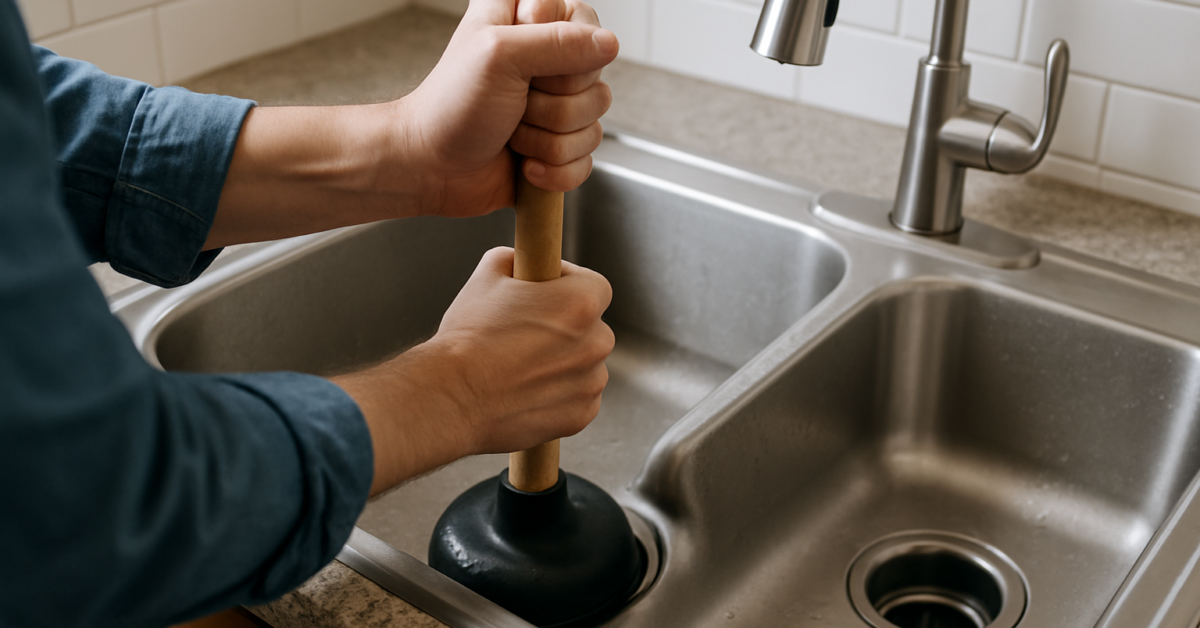
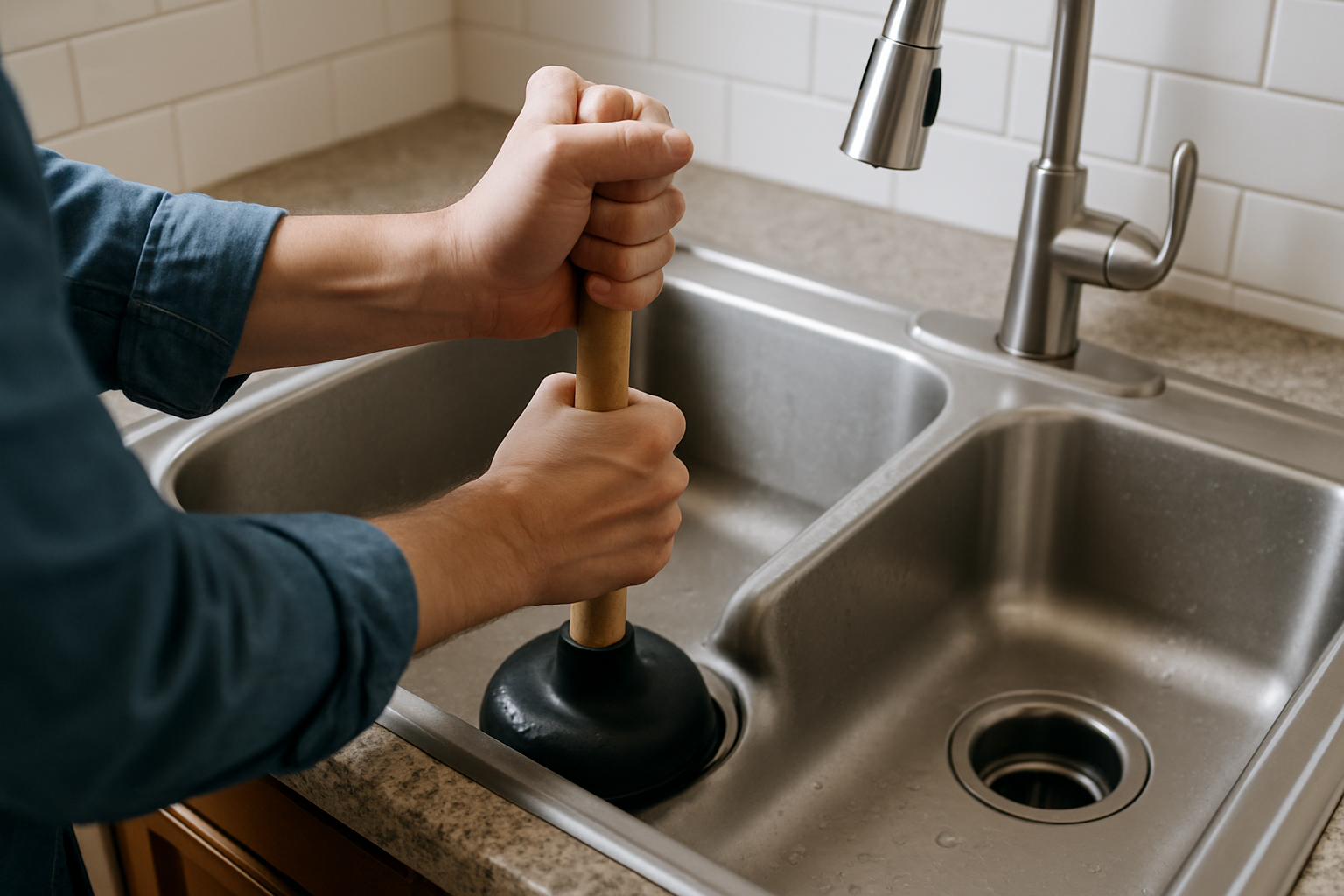
To use a plunger effectively, ensure there’s enough water in the sink to cover the plunger’s cup. Create a tight seal over the drain and plunge vigorously for about 20 seconds. This method can dislodge many clogs without needing to disassemble any plumbing.
Baking Soda and Vinegar Method
Pouring a mixture of baking soda followed by vinegar down the sink can create a fizzy reaction that helps break down clogs. Allow the mixture to sit for 15-30 minutes before flushing with hot water. This natural method is safe for your plumbing and can be effective for minor clogs.
Key Points:
- Simple methods like plunging can often resolve clogs effectively.
- Using natural methods like baking soda and vinegar is safe for plumbing.
💡 Always turn off the disposal before attempting any unclogging methods to ensure safety.
💡 If using a snake, insert it gently to avoid damaging pipes; twist it to break through clogs.
💡 Consider using a wet/dry vacuum to suck out clogs if they are visible and accessible.
EXPERT TIPS Pro Advice
Keep your disposal clean
Regular cleaning prevents buildup of food and grease, reducing the chances of clogs. A clean disposal functions more efficiently.
Use ice cubes occasionally
Running ice cubes through the disposal can help sharpen blades and dislodge minor clogs, enhancing overall performance.
Maintain a regular disposal schedule
Consistently using your disposal keeps food waste from accumulating, which helps in preventing clogs in the first place.
Frequently Asked Questions
Conclusion
Unclogging a kitchen sink with disposal requires understanding the causes and effective techniques. Regular maintenance, proper usage, and knowing how to troubleshoot can save time and prevent damage. If simple methods fail, it may be wise to consult a professional.
🎯 Key Takeaways:
- Identify common causes of clogs like food debris and grease.
- Use vinegar and baking soda for minor clogs.
- Manually check for blockages if the disposal is jammed.
- Avoid disposing of fibrous or greasy foods.
Expert Advice: Regularly maintain your kitchen sink disposal by running water and avoiding problematic items to prevent clogs. Stay informed on proper disposal usage to ensure longevity.
Take proactive steps to maintain your kitchen sink disposal and avoid future clogs.