Are you tired of dealing with a sluggish kitchen sink due to grease buildup? A clogged sink can disrupt your daily routine and lead to frustrating plumbing issues. Understanding how to unclog a grease clog in the kitchen sink is essential for maintaining a functional home. With over 15 years of experience in plumbing maintenance and home care, we’ve compiled effective, easy-to-follow methods that can help you clear those stubborn clogs without the need for harsh chemicals. In this article, you’ll learn various techniques to tackle grease clogs, preventative measures to avoid future issues, and tips to ensure your kitchen sink remains in top shape for years to come.
Understanding Grease Clogs in Kitchen Sinks
Grease clogs are common issues in kitchen sinks, primarily caused by the accumulation of fats, oils, and grease (FOG) over time. When these substances are washed down the sink, they can cool and solidify, adhering to the pipes and restricting water flow. Understanding the nature of these clogs is the first step in addressing them effectively. Regular maintenance and proper disposal of cooking fats can help prevent grease buildup, avoiding future clogs altogether. Knowing your plumbing system can also aid in choosing the right methods for unclogging.
Causes of Grease Clogs
Grease clogs often form when cooking oils, butter, and other fatty substances are rinsed down the sink. As they cool within the pipes, they solidify and create blockages. Food particles can also adhere to these grease deposits, exacerbating the problem. It’s vital to recognize these contributing factors to prevent grease buildup in the first place.
Signs of a Grease Clog
Common indicators of a grease clog include slow drainage, water pooling in the sink, and unpleasant odors. If you notice these signs, it’s essential to act quickly to prevent a complete blockage. Regularly monitoring your sink’s drainage can help you identify potential issues before they escalate.
Key Points:
- Grease clogs form from fats, oils, and grease cooling in pipes
- Recognizing early signs can prevent major plumbing issues
Preventative Measures for Grease Clogs
Preventing grease clogs in your kitchen sink is crucial for maintaining a functional plumbing system. Simple habits can significantly reduce the risk of clogs, ensuring smooth drainage and saving you from costly repairs. Proper disposal of grease and regular maintenance can keep your sink clear. Additionally, educating yourself on best practices can promote long-term plumbing health.
Proper Grease Disposal
Never pour grease down the sink. Instead, allow it to cool and dispose of it in a sealed container. This simple practice can drastically reduce the buildup of grease in your plumbing. Additionally, consider using compost or trash for food scraps to further minimize potential clogs.
Regular Maintenance Tips
To prevent grease buildup, periodically flush your sink with hot water. This practice can help dissolve any grease that may have started to accumulate. Consider using a mixture of baking soda and vinegar as a natural cleaner to break down minor clogs and keep your pipes clear.
Key Points:
- Proper disposal of grease prevents clogs
- Regular maintenance is key to plumbing health
Understanding Grease Clogs and Their Causes
Grease clogs in kitchen sinks are a common issue caused by the accumulation of fats, oils, and grease that solidify over time. When these substances mix with food particles and soap, they create a sticky blockage that hinders water flow. Understanding the nature of these clogs is essential for effective removal. Regularly pouring hot water down the drain can help dissolve grease before it hardens, preventing buildup. It’s important to avoid disposing of large amounts of grease directly into the sink to minimize future problems.
How Grease Solidifies
Grease solidifies when it cools down after being poured down the drain. This process is exacerbated by food remnants that can bind with the grease, creating a more stubborn clog. Understanding this mechanism can help in taking preventive measures, such as rinsing dishes with hot water before washing them in the sink.
Signs of a Grease Clog
Common signs of a grease clog include slow draining water, gurgling noises from the pipes, or unpleasant odors emanating from the sink. If you notice these symptoms, it’s crucial to address the issue promptly to prevent a complete blockage from occurring.
Key Points:
- Grease clogs are caused by solidified fats and oils.
- Regular maintenance can prevent the formation of grease clogs.
💡 Regularly flush the drain with hot water to prevent grease buildup.
💡 Avoid pouring grease down the sink; instead, dispose of it in the trash.
Effective Methods to Unclog Grease Clogs
When faced with a grease clog, various methods can be employed to restore proper drainage. One effective approach is using a mixture of baking soda and vinegar, which can help break down the grease. This method is safer for your plumbing than harsh chemicals. Another option is using a plunger to dislodge the clog manually. If these methods fail, consider a plumbing snake to reach deeper blockages. Always start with the least invasive method to avoid damaging your plumbing.
Baking Soda and Vinegar Method
To use this method, pour half a cup of baking soda down the drain, followed by half a cup of vinegar. Let the mixture sit for 30 minutes, then flush with hot water. This chemical reaction can effectively break down grease clogs without harming your pipes.
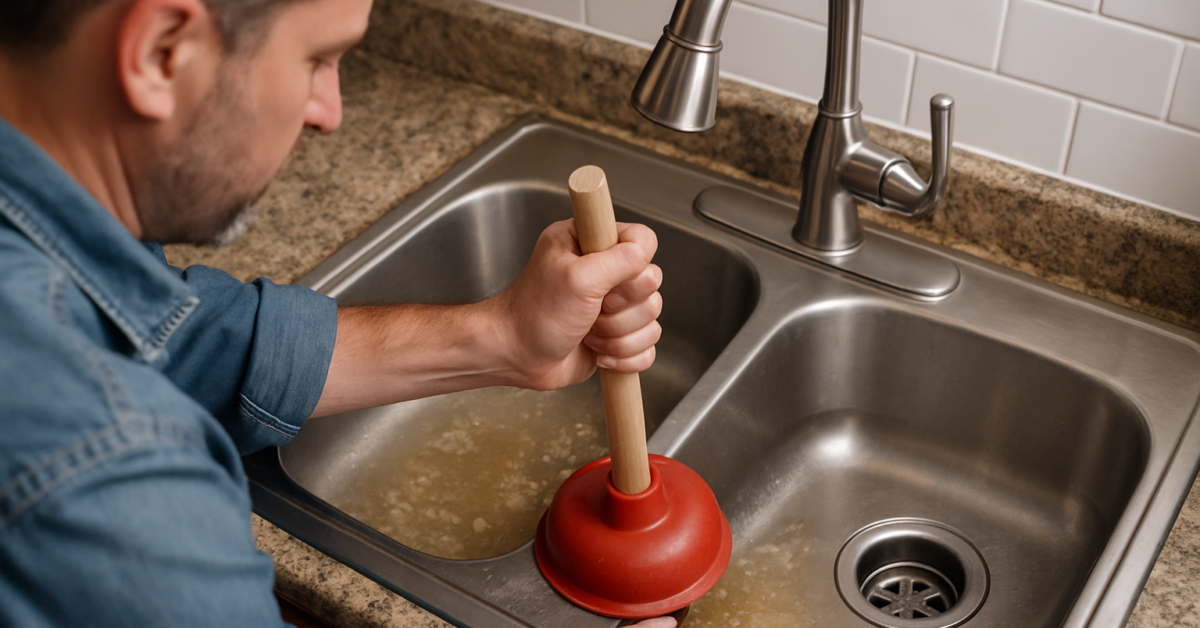
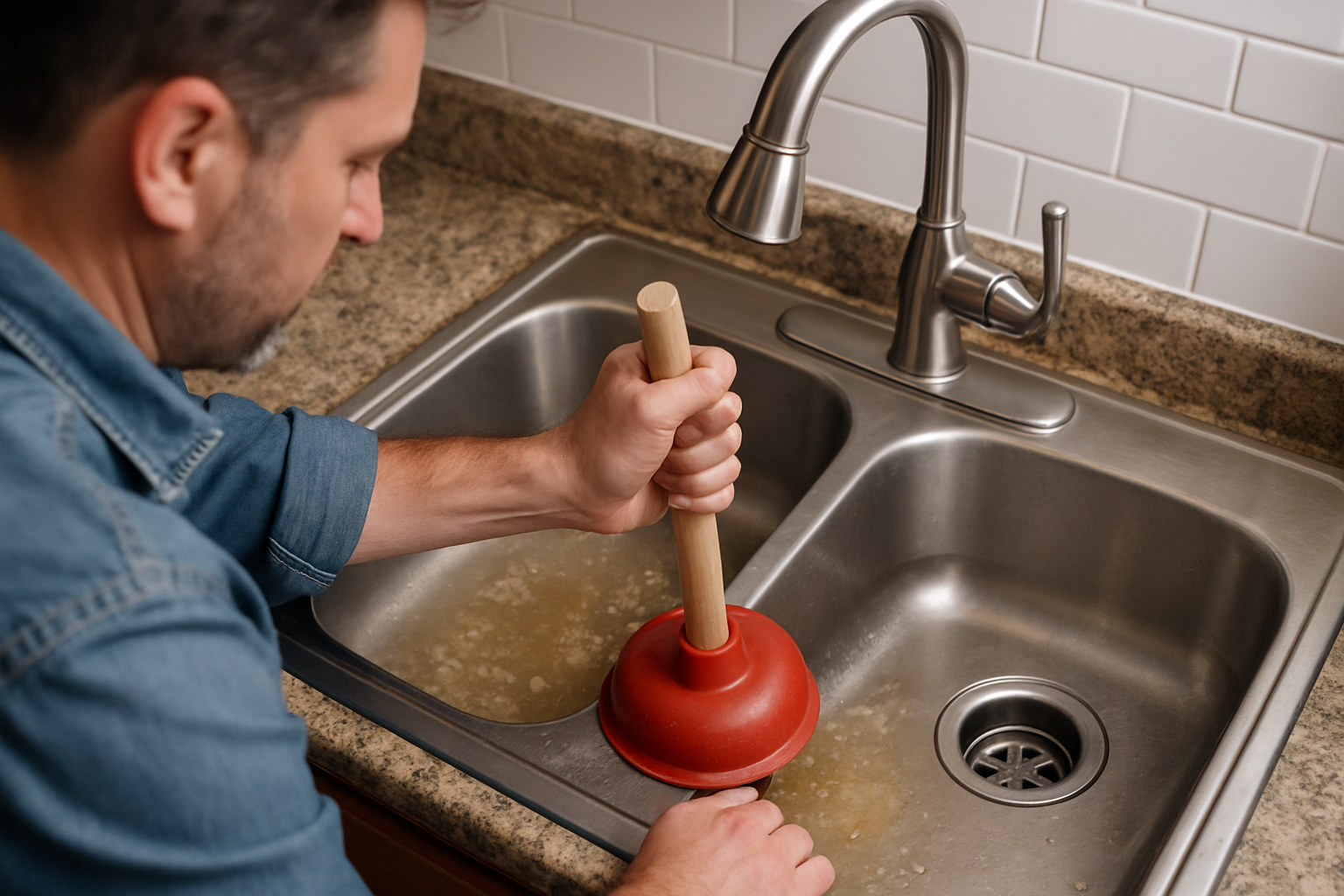
Using a Plunger
To use a plunger, ensure there’s enough water in the sink to cover the plunger’s cup. Create a tight seal and plunge vigorously for 15-20 seconds. This can help dislodge the grease clog and restore proper drainage.
Key Points:
- Baking soda and vinegar can effectively dissolve grease clogs.
- Manual methods like plunging can be useful for stubborn blockages.
💡 Always wear gloves and goggles when handling drain-cleaning solutions.
💡 Use a plumber’s snake if the clog persists after initial attempts.
EXPERT TIPS Pro Advice
Avoid chemical drain cleaners.
Chemical drain cleaners can corrode pipes over time, leading to more expensive repairs. Opt for natural methods whenever possible.
Maintain a grease trap.
Installing a grease trap can capture fats before they enter the plumbing system, significantly reducing the likelihood of clogs.
Regularly clean sink and disposal.
Consistent cleaning can prevent grease buildup, making it easier to manage potential clogs before they become serious issues.
Frequently Asked Questions
Conclusion
Unclogging a grease clog in your kitchen sink involves understanding its causes and implementing preventive measures. Regular maintenance, such as avoiding grease disposal and using natural remedies like baking soda and vinegar, can keep your drains clear. Quick action when clogs occur is essential.
🎯 Key Takeaways:
- Avoid pouring grease and oils down the sink.
- Use baking soda and vinegar for natural unclogging.
- Regularly clean your sink to prevent clogs.
- Act quickly to address clogs to avoid damage.
Expert Advice: Stay proactive by maintaining your kitchen sink. Regular cleaning and proper disposal of grease can significantly reduce the chances of clogs. Remember, a little effort goes a long way in ensuring a smoothly functioning sink.
Start implementing these strategies today to keep your kitchen sink clog-free and functioning optimally.