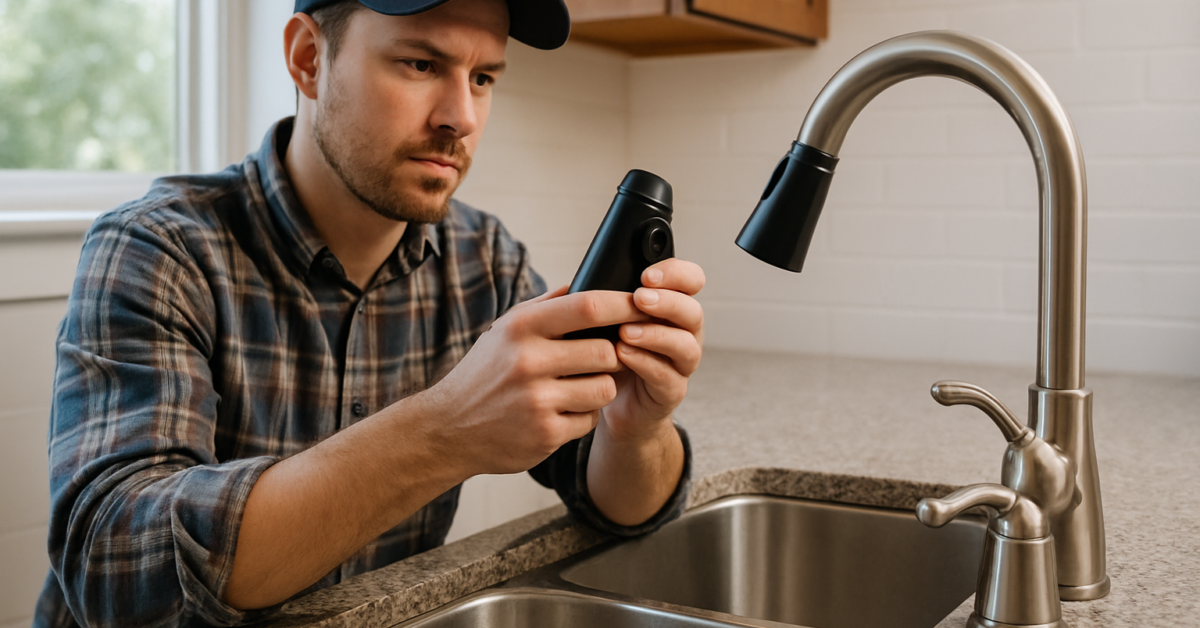
Are you frustrated with a malfunctioning kitchen sink sprayer? Whether it’s leaking or simply not working, knowing how to replace a kitchen sink sprayer can save you both time and money. With over 15 years of experience in home improvement projects, I’ll guide you through the entire process, ensuring you have all the necessary steps to complete the task with confidence. In this article, you will learn about the tools you’ll need, how to safely disconnect the old sprayer, and the step-by-step process to install the new one. Get ready to enhance your kitchen experience with a fully functional sink sprayer!
Understanding the Kitchen Sink Sprayer
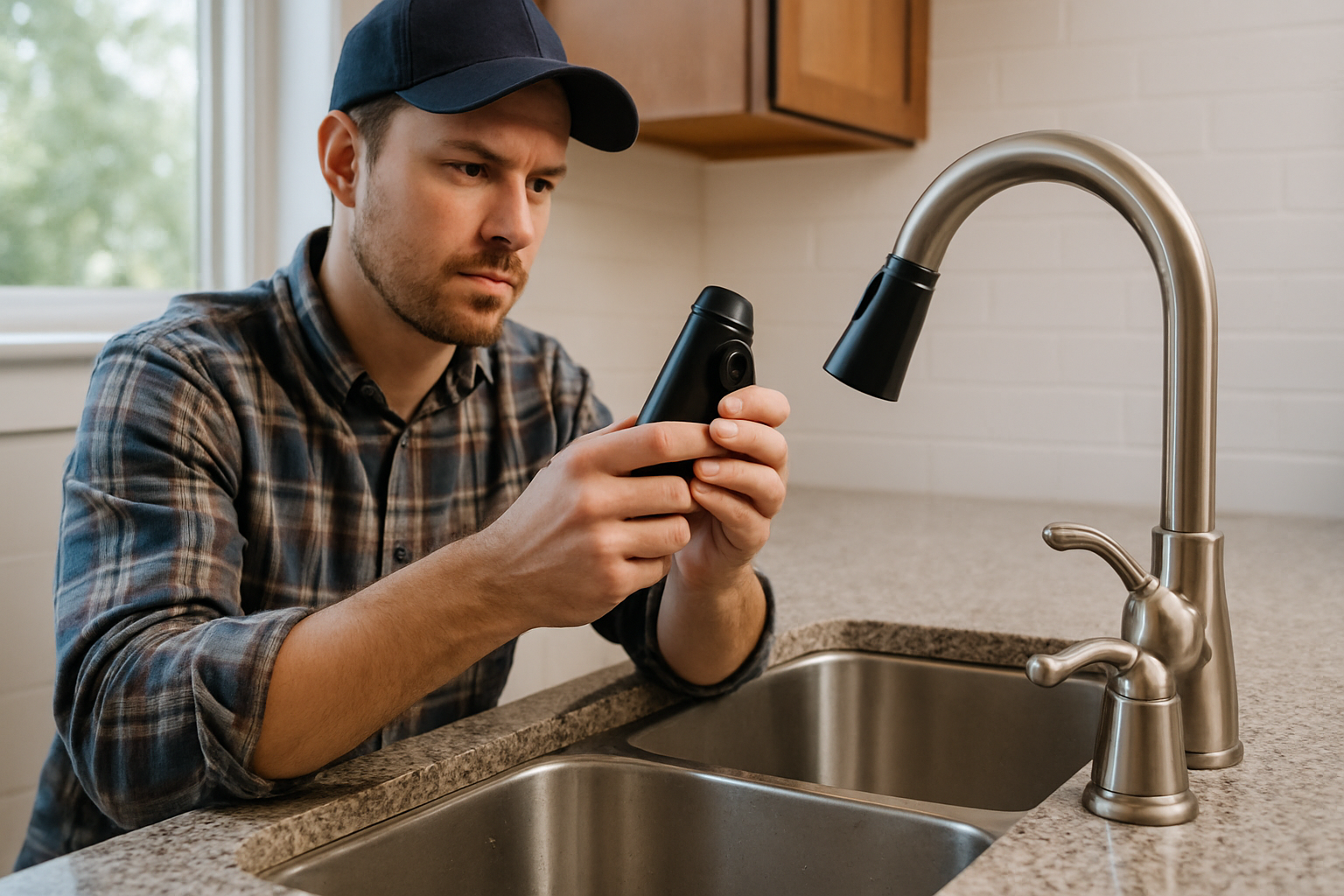
A kitchen sink sprayer is a handy tool that enhances the functionality of your kitchen. Typically attached to the faucet, it provides a high-pressure stream of water for rinsing dishes and cleaning the sink. Understanding its components and how it operates is crucial before attempting a replacement. The sprayer usually consists of a nozzle, hose, and a connector that links it to the faucet. Familiarizing yourself with these parts will make the replacement process smoother and more efficient. Additionally, knowing the signs of a faulty sprayer, such as leaks or inconsistent water flow, can help you determine when it’s time to replace it.
Common Issues with Kitchen Sink Sprayers
Kitchen sink sprayers can encounter several common issues. Leaks are one of the most prevalent problems, often caused by wear and tear on the hose or connector. Another issue may be a clogged nozzle, which limits water flow and pressure. Lastly, the sprayer may become loose over time, leading to inconsistent performance. Identifying these problems early can save you time and money in repairs.
Tools Needed for Replacement
Before starting the replacement process, gather the necessary tools. Typically, you will need a wrench, a pair of pliers, and a bucket to catch any residual water. Additionally, having a towel on hand can help manage spills. Preparing these tools in advance will streamline the process and reduce frustration during the replacement.
Key Points:
- Know the components of a kitchen sink sprayer
- Identify common issues that indicate a replacement is needed
Preparing for the Replacement Process
Before replacing your kitchen sink sprayer, proper preparation is essential. This involves turning off the water supply to avoid any unexpected flooding. It is also helpful to clear the area under the sink to give yourself enough space to work. Carefully inspect the existing connections to determine what type of sprayer you need for replacement. Checking the length and type of hose will ensure that the new sprayer fits properly. Taking these steps will facilitate a smoother replacement process and minimize complications.
Shutting Off the Water Supply
To begin, locate the shut-off valves under your sink. Turn them clockwise to stop the flow of water. This step is critical to prevent any accidental leaks or mess during the replacement. It’s advisable to test the faucet after shutting off the valves to ensure that the water is completely off.
Clearing the Workspace
Before you start replacing the sprayer, remove any items stored under the sink. This will provide you with ample space to work and help you focus on the task at hand. Keeping your workspace organized not only enhances safety but also makes the process more efficient.
Key Points:
- Turn off the water supply before starting
- Clear the workspace for better access and safety
Understanding the Components of a Kitchen Sink Sprayer
Before you replace a kitchen sink sprayer, it’s essential to understand its components. A typical kitchen sink sprayer consists of the hose, the sprayer head, and the connection point to the sink. Familiarizing yourself with each part will help you troubleshoot issues and ensure a smooth replacement process. The hose is responsible for delivering water from the faucet to the sprayer head, while the connection point secures the hose to the sink’s plumbing system. Understanding these components not only aids in your replacement efforts but also helps in the long-term maintenance of your sink sprayer system.
Identifying the Problem
Before beginning the replacement, identify whether the sprayer needs to be replaced due to leaks, low water pressure, or a clogged nozzle. Check for visible cracks or breaks in the hose and inspect the sprayer head for blockages. A simple test is to turn on the faucet and see if the water flow is consistent when using the sprayer. Identifying the root cause will help determine if a full replacement is necessary or if a simple repair might suffice.
Gathering Necessary Tools
To replace a kitchen sink sprayer, gather essential tools such as a crescent wrench, pliers, a bucket, and a towel. The wrench will help loosen and tighten the connections, while pliers can be used for gripping hard-to-reach areas. Having a bucket on hand is crucial for catching any residual water during the replacement process, and a towel will help dry any spills. Ensuring you have all tools ready will make the replacement process more efficient.
Key Points:
- Understanding components aids in effective troubleshooting.
- Identifying issues helps in determining whether to repair or replace.
💡 Always shut off the water supply before beginning the replacement to prevent flooding.
💡 Keep a bucket handy to catch any water that may spill during the process.
💡 Use a towel to wipe down any water spills for safety and cleanliness.
Step-by-Step Guide to Replacing a Kitchen Sink Sprayer
Replacing a kitchen sink sprayer involves a straightforward process that can be completed with a few simple steps. First, turn off the water supply to avoid any leaks or spills. Next, disconnect the existing sprayer by loosening the nut at the connection point using a wrench. Carefully pull out the old sprayer and replace it with the new one by following the reverse order of disassembly. Ensure all connections are tight to prevent leaks. Finally, turn the water supply back on to check for functionality and leaks. This step-by-step guide makes the replacement process manageable even for beginners.
Disconnecting the Old Sprayer
To disconnect the old sprayer, locate the nut that secures the hose to the sink plumbing. Use a wrench to loosen this nut carefully, being mindful not to damage surrounding fixtures. Once the nut is loose, gently pull the hose out from its connection. It’s advisable to have a bucket beneath the sink to catch any water that may spill during this process. This preventive step minimizes mess and keeps the area dry.
Installing the New Sprayer
After removing the old sprayer, it’s time to install the new one. Slide the new sprayer hose into the connection point and secure it with the nut you previously loosened. Tighten the nut with a wrench, ensuring that it is snug but not overtightened to prevent damage. Once installed, turn on the water supply and test the sprayer to ensure it functions correctly, checking for any leaks at the connection point.
Key Points:
- Follow a systematic approach for a successful replacement.
- Testing after installation confirms functionality and prevents future issues.
💡 Double-check the compatibility of the new sprayer with your existing sink setup before purchasing.
💡 Tighten connections by hand before using a wrench to avoid overtightening.
💡 Test the sprayer multiple times after installation to ensure no leaks occur.
EXPERT TIPS Pro Advice
Take photos during disassembly.
Taking photos helps you remember the arrangement of components, making reassembly easier and more accurate.
Consider water pressure adjustments.
If you experience low water pressure after installation, check for kinks in the hose or obstructions in the sprayer head.
Use plumber’s tape on threaded connections.
Applying plumber’s tape can help create a tighter seal, preventing leaks at the connection points.
Inspect for corrosion regularly.
Regular inspections for corrosion on fittings and hoses can extend the lifespan of your kitchen sink sprayer system.
Keep a maintenance log.
Documenting your maintenance activities can help you track issues and schedule timely replacements or repairs.
Frequently Asked Questions
Conclusion
Replacing a kitchen sink sprayer can enhance functionality and prevent leaks. Ensure you have the right tools and take the time to disconnect the old sprayer properly. Follow installation steps carefully to avoid issues like leaks and low water pressure.
🎯 Key Takeaways:
- Identify signs that a sprayer needs replacement.
- Gather necessary tools before starting the replacement.
- Carefully disconnect the old sprayer to avoid damage.
- Follow installation instructions to ensure a proper fit.
Expert Advice: With some basic tools and careful attention to detail, you can successfully replace your kitchen sink sprayer. Don’t rush the process, as thoroughness will help prevent future issues.
Take the first step by checking your current sprayer for any signs of wear and plan your replacement today!