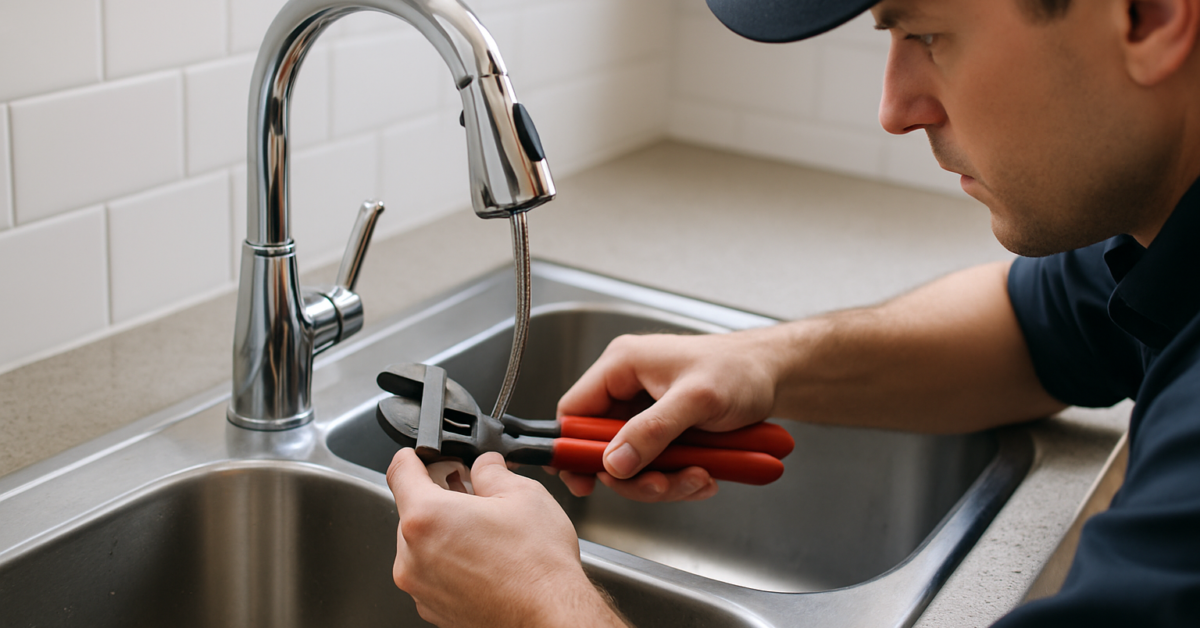
How to Uninstall Kitchen Faucet: A Comprehensive Guide
Are you facing the challenge of removing your kitchen faucet? Whether it’s to replace an old model or to perform essential repairs, knowing how to uninstall a kitchen faucet can save you time and hassle. Many homeowners dread this task due to the potential for leaks and complicated plumbing parts. However, with the right guidance, you can tackle this project confidently. In this article, we will share expert tips and a detailed, step-by-step process to effectively uninstall your kitchen faucet. By the end, you will have the knowledge needed to successfully complete the task and prepare for your next plumbing project.
Understanding Kitchen Faucets
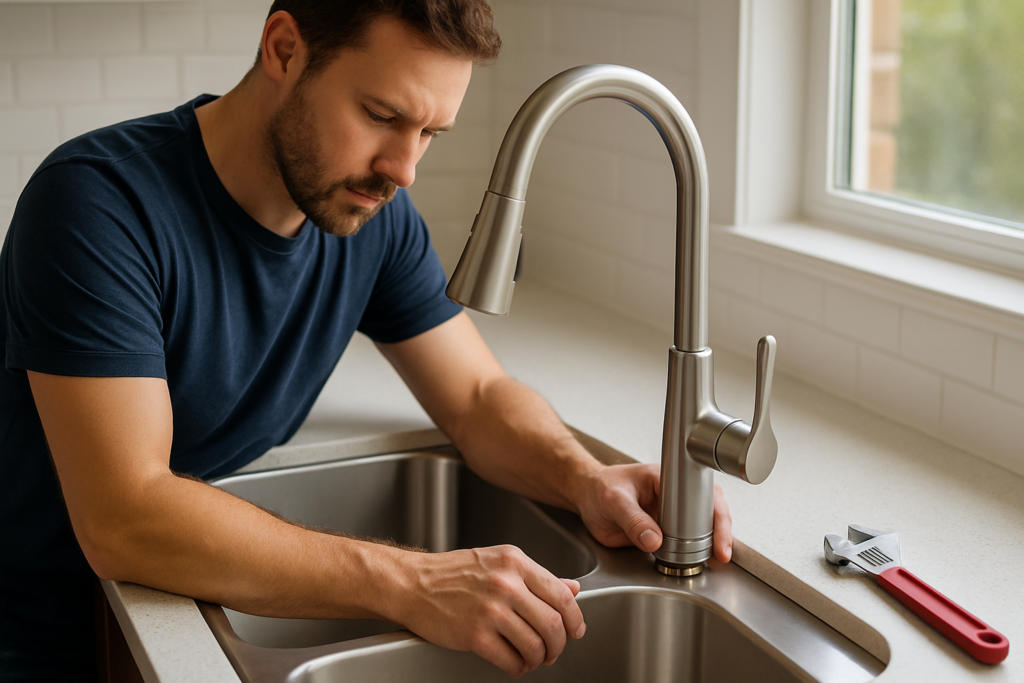
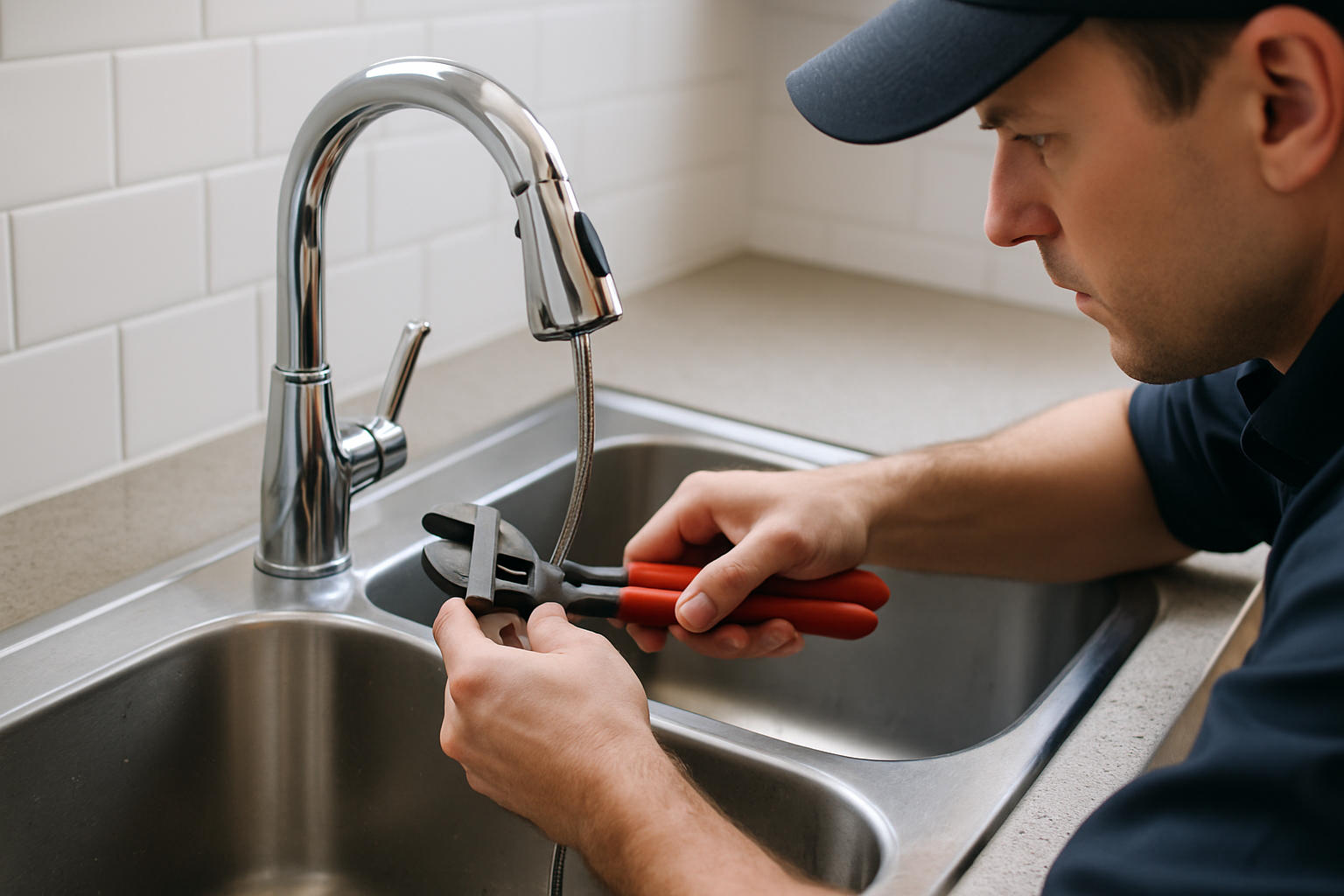
Before learning how to uninstall a kitchen faucet, it’s essential to understand its components and types. Kitchen faucets come in various styles, including single-handle, double-handle, pull-down, and pull-out designs. Each type operates differently, which affects the uninstall process. Familiarizing yourself with these types will help you know what tools you might need and the steps involved. Additionally, understanding the plumbing setup beneath your sink is crucial. Knowing whether your faucet is connected to a sink-mounted or countertop-mounted system can influence how you approach the task. This foundational knowledge prepares you for the uninstall process and can help prevent damage during removal.
Types of Kitchen Faucets
The most common kitchen faucet types include single-handle, double-handle, pull-down, and pull-out. Single-handle faucets allow for easy temperature control with one lever, while double-handle faucets offer independent hot and cold controls. Pull-down and pull-out faucets feature retractable hoses for added versatility in washing dishes. Understanding these types will help you identify your faucet and prepare for the uninstall process appropriately.
Plumbing Basics
Familiarizing yourself with plumbing basics is important before attempting to uninstall a kitchen faucet. This includes understanding how water supply lines, shut-off valves, and drain lines are connected. Knowing where the shut-off valves are located allows you to turn off the water supply before starting the uninstall process, preventing potential flooding and water damage.
Key Points:
- Know your faucet type to ensure a smooth uninstall process.
- Familiarize yourself with plumbing to avoid damage during removal.
Preparing for Faucet Removal
Preparation is key when learning how to uninstall a kitchen faucet. Start by gathering the necessary tools, including a basin wrench, adjustable wrench, and a bucket to catch any residual water. Additionally, clear out the under-sink cabinet to create ample workspace and access to plumbing connections. Before beginning the uninstall, ensure that you shut off the water supply at the valves beneath the sink. This step is crucial to prevent any leaks or flooding while you work. Lastly, having a towel or sponge on hand will help you clean up any spills that may occur during the process.
Gathering Tools
Before starting the uninstall process, gather essential tools such as a basin wrench, adjustable wrench, and a bucket. The basin wrench is especially useful for reaching tight spaces and loosening faucet nuts. An adjustable wrench helps in gripping and turning various nuts and bolts, ensuring you can manage any connections effectively. Having these tools ready will streamline your uninstall process.
Safety Precautions
Safety should be your top priority when uninstalling a kitchen faucet. Always wear safety goggles to protect your eyes from debris and water splashes. Additionally, ensure that the area is dry to prevent slips and falls. If you have any doubts about your plumbing skills, consider consulting a professional to avoid potential hazards, especially if you encounter unexpected complications.
Key Points:
- Prepare your workspace for easier access and safety.
- Gather all necessary tools before starting to avoid interruptions.
Preparation and Tools Needed for Uninstalling a Kitchen Faucet
Before beginning the process of uninstalling your kitchen faucet, it’s essential to gather the necessary tools and materials. Common tools include an adjustable wrench, basin wrench, and a screwdriver. Additionally, having a bucket or towel on hand will help manage any water spills that occur during the process. Ensure the area under the sink is clear for easy access to the plumbing connections. It’s also wise to turn off the water supply valves to prevent any accidental leaks while you work.
Identifying the Right Tools
An adjustable wrench is crucial for loosening nuts and fittings, while a basin wrench is specifically designed to reach tight spots under the sink. A flathead or Phillips screwdriver may be necessary depending on the faucet mount type. Having these tools ready can streamline the uninstallation process, making it more efficient.
Safety Precautions
Before starting any plumbing work, ensure you wear safety goggles to protect your eyes from debris. Also, consider wearing gloves to avoid cuts from sharp edges. Additionally, turning off the water supply is essential to prevent unexpected water flow during disassembly, ensuring a safer work environment.
Key Points:
- Gathering the right tools is essential for an efficient uninstall.
- Safety precautions are necessary to prevent injuries.
💡 Always turn off the water supply before starting to avoid any accidents.
💡 Clear out the area under the sink for better access to plumbing connections.
Step-by-Step Guide to Uninstalling the Kitchen Faucet
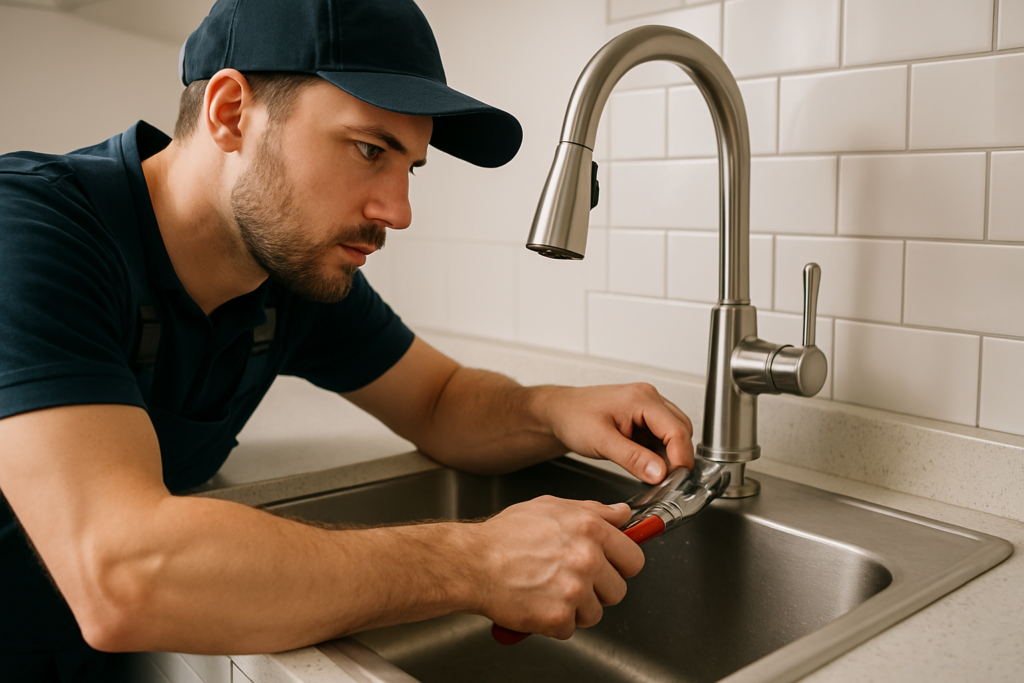
Once you have prepared your workspace and gathered the necessary tools, follow these steps to uninstall your kitchen faucet. Start by disconnecting the water supply lines attached to the faucet. Use your adjustable wrench to loosen the nuts securing the lines. Next, detach the faucet from the sink by removing any mounting nuts or screws. Finally, lift the faucet out of the sink. Be sure to inspect the area for any debris or old sealants that may need cleaning before installing a new faucet.
Disconnecting Water Supply Lines
To disconnect the water supply lines, use your adjustable wrench to loosen and remove the nuts securing the lines to the faucet. Have a bucket ready to catch any water that may spill during this process. Always begin with the hot water supply line first, followed by the cold water line to prevent confusion.
Removing the Faucet
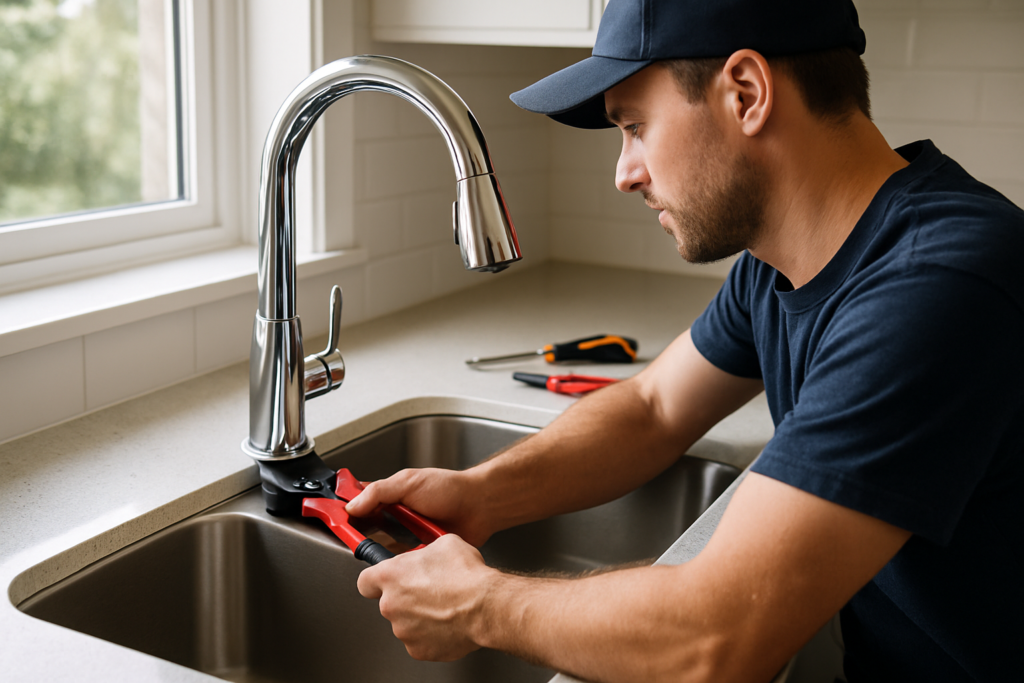
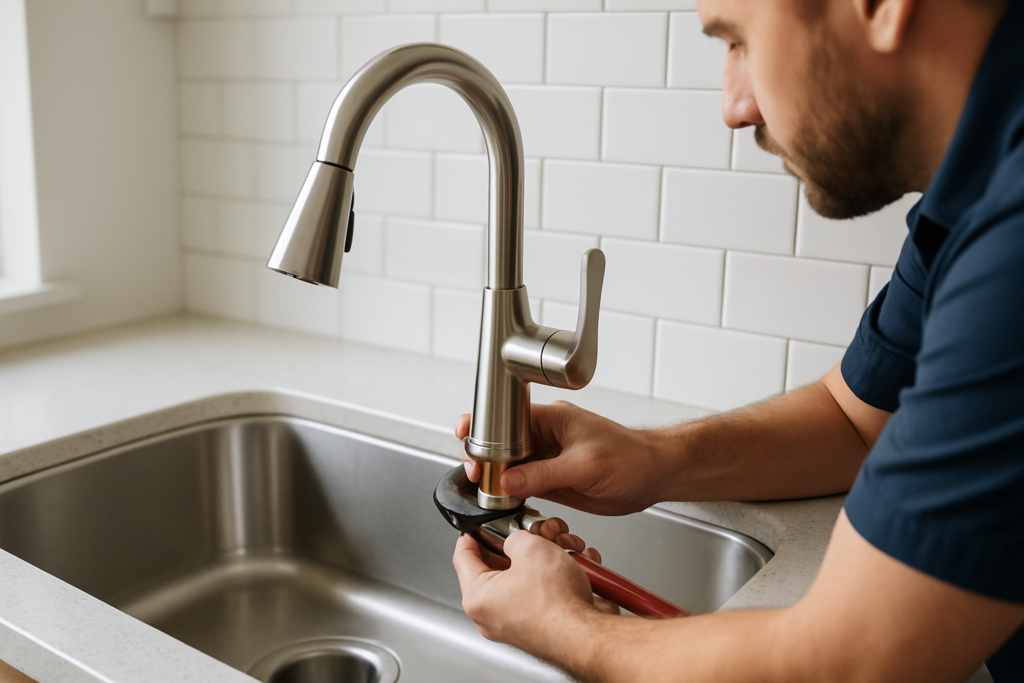
After disconnecting the water lines, locate the mounting nuts or screws securing the faucet to the sink. Use your basin wrench to reach these hard-to-access areas. Once the nuts or screws are removed, gently pull the faucet upwards and out of the sink, ensuring no debris is left behind.
Key Points:
- Proper disconnection of water lines prevents leaks.
- Removing mounting hardware efficiently is crucial for a smooth uninstall.
💡 Always start with the hot water line to avoid mixing directions.
💡 Keep a towel nearby to quickly address any spills.
EXPERT TIPS Pro Advice
Label your water lines and connections
Labeling helps you remember which line goes where when reinstalling a new faucet, reducing confusion and mistakes.
Take photos during the process
Documenting the setup with photos can serve as a reference, making the reinstallation process much easier and helping to avoid errors.
Inspect for corrosion or damage
Check for any signs of wear or corrosion on fittings and pipes. This can save you from future leaks or problems when installing your new faucet.
Have a helper if possible
Having someone assist you can make the uninstall process quicker and safer, especially when handling heavy or awkwardly positioned faucets.
Frequently Asked Questions
Conclusion
Uninstalling a kitchen faucet can be a straightforward process if you follow proper steps and utilize the right tools. Always turn off the water supply, use appropriate tools, and take care with stuck components. Remember to avoid leaks by cleaning mounting areas before installation.
🎯 Key Takeaways:
- Gather necessary tools like wrenches and screwdrivers.
- Turn off water supply before starting the uninstallation.
- Use penetrating oil for stuck faucets to avoid damage.
- Ensure all lines are capped properly to prevent leaks.
- Check for underlying plumbing issues before new installation.
Expert Advice: Approach the uninstallation with confidence and patience. Familiarize yourself with the components of your faucet system and take your time to avoid mistakes. If unsure, consult resources or professionals for guidance.
Consider reviewing a video tutorial or step-by-step guide for visual assistance as you prepare to uninstall your kitchen faucet.