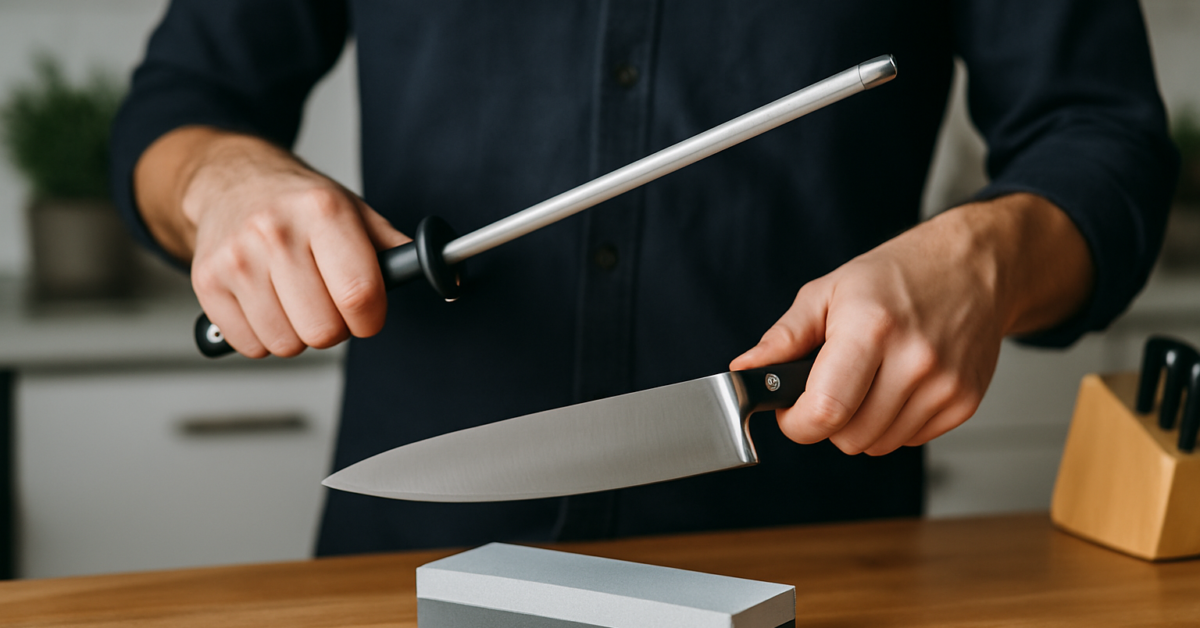
How to Sharpen Kitchen Knives: Essential Techniques for Sharpness
Do you struggle with dull kitchen knives that make meal prep a chore? You’re not alone. Many home cooks overlook the importance of regular knife sharpening, which can result in frustration and unsafe cutting practices. In this comprehensive guide on how to sharpen kitchen knives, we’ll dive into the essential techniques and tools you need to restore your knives to their optimal sharpness. With over 15 years of experience in culinary tools and techniques, I’m here to share expert insights that will empower you to enhance your knife skills. By the end of this article, you’ll learn various methods, tips for maintenance, and common mistakes to avoid, ensuring your kitchen remains efficient and enjoyable.
Understanding the Importance of Sharp Kitchen Knives
Sharp kitchen knives are essential for efficient cooking and food preparation. Dull knives can lead to accidents, as they require more force to cut, increasing the risk of slipping and injury. Additionally, a sharp knife enhances the quality of food presentation and preserves the integrity of ingredients, ensuring clean cuts without bruising. Understanding how to maintain the sharpness of your knives is crucial for both safety and culinary success. Regular sharpening not only improves performance but also prolongs the life of your knives, making it a vital skill for any home cook.
Benefits of Using Sharp Knives
Using sharp knives can significantly improve your cooking experience. They allow for smoother, faster cuts, which can increase kitchen efficiency. Moreover, sharp knives create cleaner cuts that help maintain the texture and flavor of food, enhancing your culinary results. This results in better presentation and improved taste, making the effort of maintaining sharp knives worthwhile.
Common Risks of Dull Knives
Dull knives are not only frustrating but also dangerous. They require more pressure to cut through food, which can lead to slips and unintended cuts. Furthermore, using a dull knife can damage ingredients, resulting in a less appealing final dish. Understanding these risks emphasizes the importance of regular knife maintenance and sharpening.
Key Points:
- Sharp knives enhance safety and efficiency in the kitchen
- Dull knives increase the risk of accidents and damage ingredients
Essential Tools for Sharpening Kitchen Knives
To sharpen kitchen knives effectively, it’s important to have the right tools. Different sharpening methods require specific equipment, and understanding these tools will help you choose the best approach for your knives. Commonly used tools include sharpening stones, honing rods, and electric sharpeners. Each tool has its pros and cons, depending on the knife type and the desired sharpness level. Familiarizing yourself with these tools will enable you to maintain your knives properly and ensure optimal performance.
Sharpening Stones
Sharpening stones are a traditional and effective method for honing knife edges. They come in various grits, with coarser stones for reshaping edges and finer stones for polishing. Using a stone requires some technique, but it allows for precise control over the sharpening process, making it a favorite among professional chefs.
Honing Rods
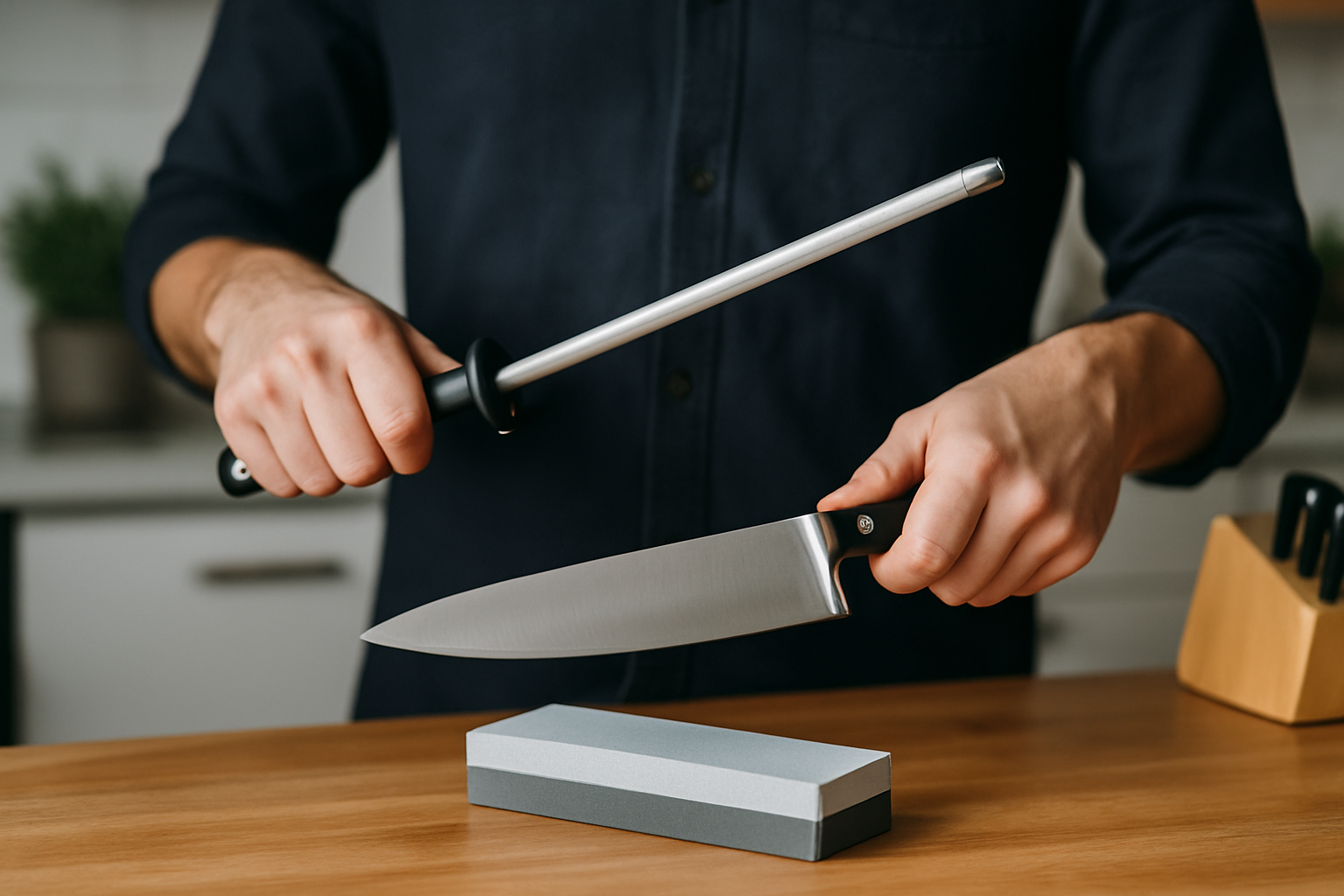
Honing rods, often referred to as steel, are used to realign the edge of a knife between sharpenings. They do not remove material but instead straighten misaligned edges. Regular use of a honing rod can prolong the time between full sharpenings, making it a valuable tool for maintaining knife sharpness.
Electric Sharpeners
Electric sharpeners offer a fast and convenient way to sharpen knives, making them ideal for those who may not have the time or skill for manual sharpening. They typically feature preset angles and may include multiple stages for coarse and fine sharpening. However, they can sometimes remove more metal than necessary if used incorrectly.
Key Points:
- Choosing the right tool is critical for effective sharpening
- Each sharpening method has its advantages and best use cases
Understanding Different Knife Sharpening Techniques
Sharpening kitchen knives can be accomplished using various techniques, each suited for different types of knives and user preferences. The most common methods include whetstones, honing rods, and electric sharpeners. Choosing the right technique can significantly affect the sharpness and longevity of your knives. Whetstones require a bit of practice but offer excellent precision. Honing rods are great for maintaining an edge between sharpenings, while electric sharpeners provide a quick and easy solution for those unfamiliar with manual methods.
Whetstone Sharpening Method
Whetstones, or sharpening stones, are a traditional method favored by professional chefs. To use a whetstone, soak it in water for about 10-15 minutes, then position the knife at a 20-degree angle against the stone. Use smooth, even strokes, applying consistent pressure as you move the blade across the stone. It’s crucial to alternate sides to ensure an even edge. This method requires practice but allows for exceptional control over the sharpening process.
Using a Honing Rod
A honing rod is designed to realign the edge of your knife rather than sharpen it. To use, hold the rod vertically with the tip resting on a stable surface. Place the knife at a 20-degree angle against the rod and gently swipe the blade downwards in a sweeping motion from heel to tip, alternating sides. This technique should be performed regularly to maintain your knife’s sharpness without needing to grind away more metal.
Electric Sharpeners for Convenience
Electric sharpeners offer a fast and straightforward method for those who may not feel comfortable with manual sharpening techniques. Simply insert the knife into the designated slot and let the machine do the work. While electric sharpeners can be effective, they may remove more material from the blade than necessary. Use them occasionally and follow manufacturer guidelines to avoid damaging your knives.
Key Points:
- Different techniques suit different user skills and knife types.
- Whetstones offer precision while honing rods maintain edges effectively.
💡 Always maintain the correct angle while sharpening to avoid damaging the blade.
💡 Regular honing can prolong the time between sharpenings, keeping your knives in optimal condition.
Maintaining Knife Sharpness Over Time
Keeping kitchen knives sharp is not only about initial sharpening but also diligent maintenance. Proper storage, regular honing, and mindful usage play crucial roles in preserving a knife’s edge. Storing knives in a way that prevents dulling, such as in a knife block or magnetic strip, reduces unnecessary wear. Regular honing can help maintain sharpness between major sharpenings and is an essential practice for any home cook. Additionally, using knives appropriately for their intended purpose helps prevent damage and dulling.
Proper Knife Storage Techniques
Storing knives properly is vital for maintaining their sharpness. Avoid tossing them into drawers, where blades can collide and dull. Instead, use a knife block, magnetic strip, or blade guards. These storage solutions protect the edges from contact with hard surfaces and other utensils, prolonging their sharpness and lifespan.
Regular Honing for Edge Maintenance
Honing your knife regularly is key to maintaining its performance. This quick process realigns the edge, making it easier to cut without requiring a full sharpening. Aim to hone your knives before or after each use, especially for those frequently used. This small habit can keep your knives functioning effectively for longer periods.
Using Knives Correctly to Prevent Dulling
How you use your knives can significantly impact their sharpness. Always use a cutting board made of wood or plastic rather than hard surfaces like glass or stone. Additionally, avoid twisting the blade while cutting, as this can chip the edge. By using knives for their intended purposes and treating them with care, you can significantly extend their sharpness and overall lifespan.
Key Points:
- Storage and usage greatly affect knife sharpness longevity.
- Regular honing and proper care can extend the intervals between sharpenings.
💡 Invest in proper knife storage solutions to prevent dulling and damage.
💡 Hone knives regularly for optimal performance, especially before major cooking tasks.
EXPERT TIPS Pro Advice
Know your knife’s steel type
Different steel types require different sharpening techniques. Understanding the hardness and material will help you choose the appropriate method and angle for effective sharpening.
Keep your sharpening tools clean
Debris and metal filings can accumulate on sharpening tools, affecting performance. Regularly clean your whetstone or sharpening device to ensure optimal results.
Practice on less expensive knives first
If you’re new to sharpening, practice on older or less expensive knives to build your skills without risking damage to your best kitchen tools.
Use consistent pressure and strokes
Applying consistent pressure and maintaining even strokes during sharpening ensures uniform edge formation, leading to better and more durable sharpness.
Consider professional sharpening occasionally
Even the best home sharpening can’t replace professional touch. Consider sending your knives to a professional service periodically to restore their original edge.
Frequently Asked Questions
Conclusion
Sharpening kitchen knives is crucial for maintaining safety and efficiency in the kitchen. Regular honing and periodic sharpening ensure optimal performance. Utilize methods like whetstones and honing steels, and pay attention to your knife’s performance to determine when it’s time to sharpen.
🎯 Key Takeaways:
- Regularly sharpen knives every few months.
- Use a whetstone for precise sharpening.
- Honing steels maintain the edge but do not sharpen.
- Dull knives increase safety risks and reduce efficiency.
- Keep a consistent angle while sharpening.
Expert Advice: Empower yourself by practicing sharpening techniques regularly. The more you sharpen, the better you’ll become, ensuring your kitchen tools are always ready for action.
Start sharpening your knives today and enhance your culinary skills!