How to Replace a Kitchen Faucet: A Complete Guide
Are you tired of your old, leaky kitchen faucet? According to home improvement experts, replacing a kitchen faucet can not only enhance the aesthetics of your kitchen but also improve its functionality. Whether you’re dealing with a persistent drip or simply want to upgrade your fixtures, knowing how to replace a kitchen faucet is an essential skill for any homeowner. In this comprehensive guide, we’ll walk you through the entire process, from gathering the necessary tools to completing the installation. By the end, you’ll be equipped with the knowledge to tackle this DIY project confidently and efficiently.
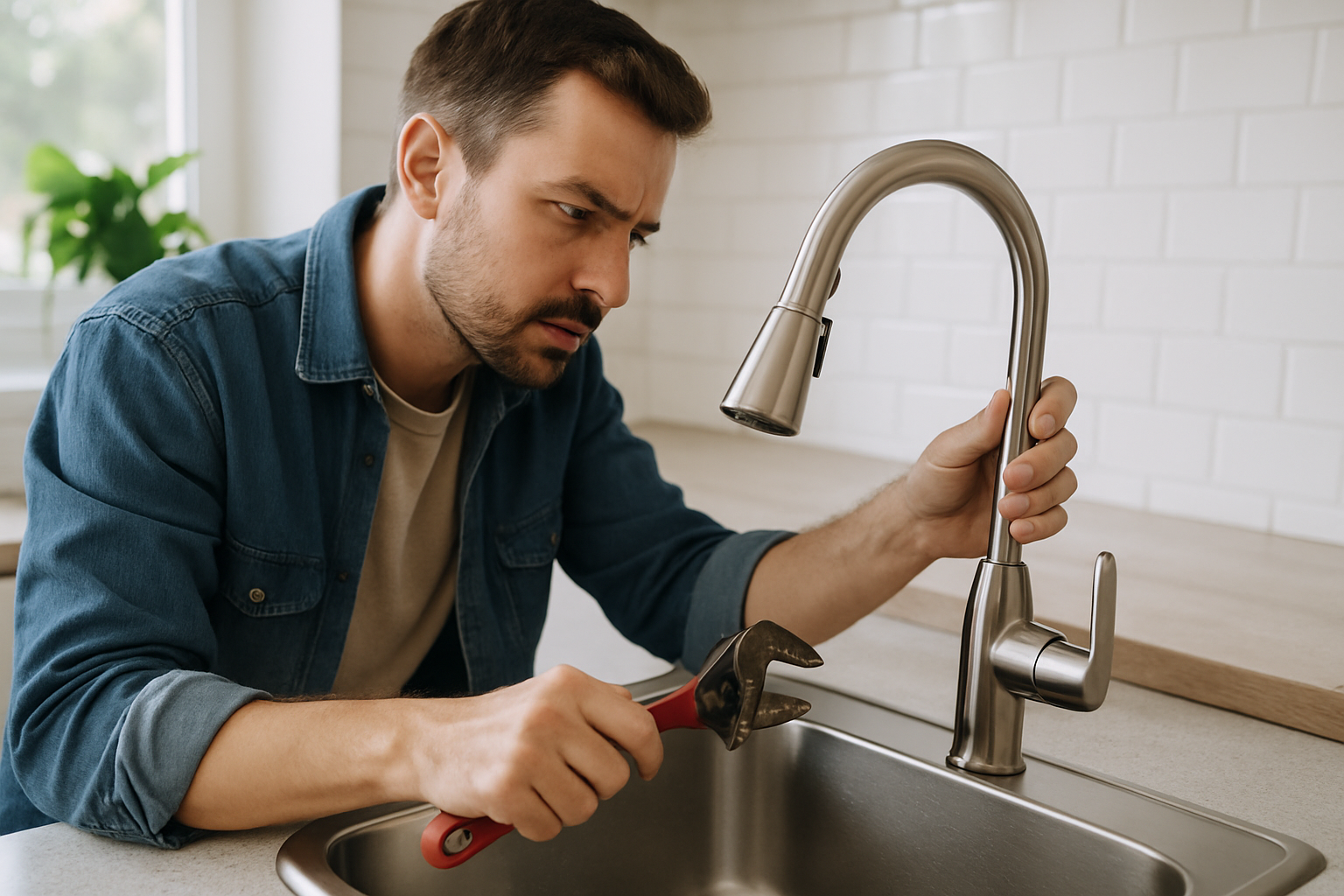
Understanding Kitchen Faucets
Before replacing a kitchen faucet, it’s essential to understand the different types available and their functionalities. Kitchen faucets typically come in various styles, such as pull-down sprayers, pull-out sprayers, and traditional designs. Knowing the type of faucet that suits your needs and kitchen layout will facilitate a smoother replacement process.
Types of Faucets
Common faucet types include single-handle, double-handle, and touchless faucets. Single-handle faucets allow for easy temperature adjustments with one hand, while double-handle faucets offer more precise control. Touchless faucets provide hands-free operation, which is beneficial for maintaining cleanliness.
Faucet Components
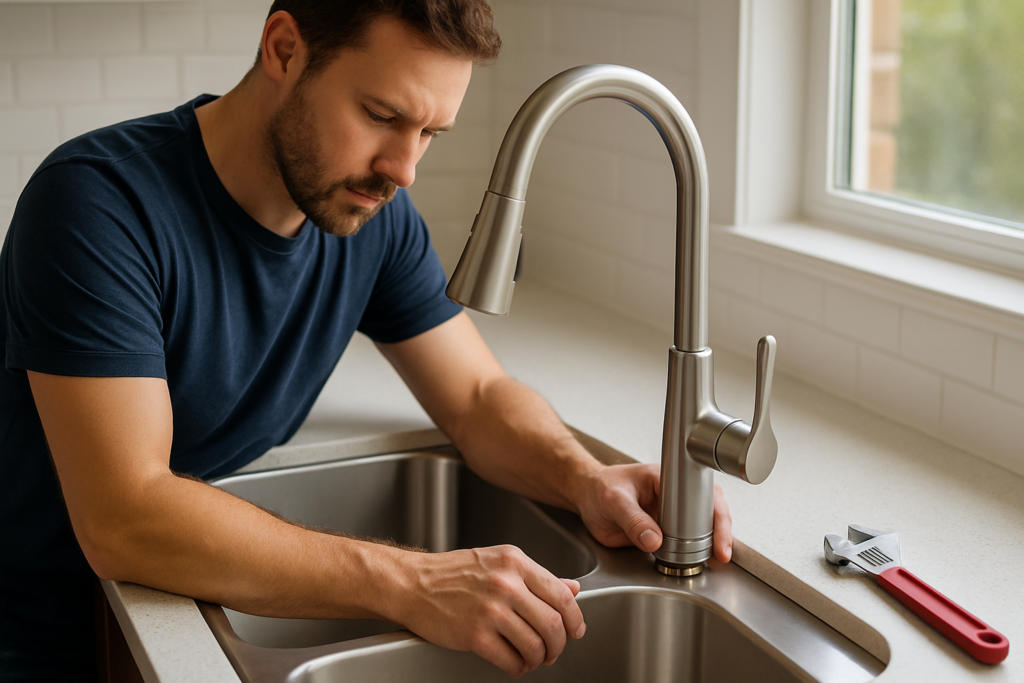
Faucets consist of several components, including the spout, handle, aerator, and base plate. Understanding these parts helps in identifying issues and ensures you have the correct parts for replacement. The aerator, for example, controls water flow and can affect performance.
Key Points:
- Identify the type of faucet you want to install
- Know the key components of kitchen faucets
Gathering the Necessary Tools
Before starting the replacement process, gather all the necessary tools to ensure a smooth experience. A typical faucet replacement requires basic plumbing tools, as well as some additional items to make the job easier. Having everything on hand will save time and frustration during the installation.
Essential Tools
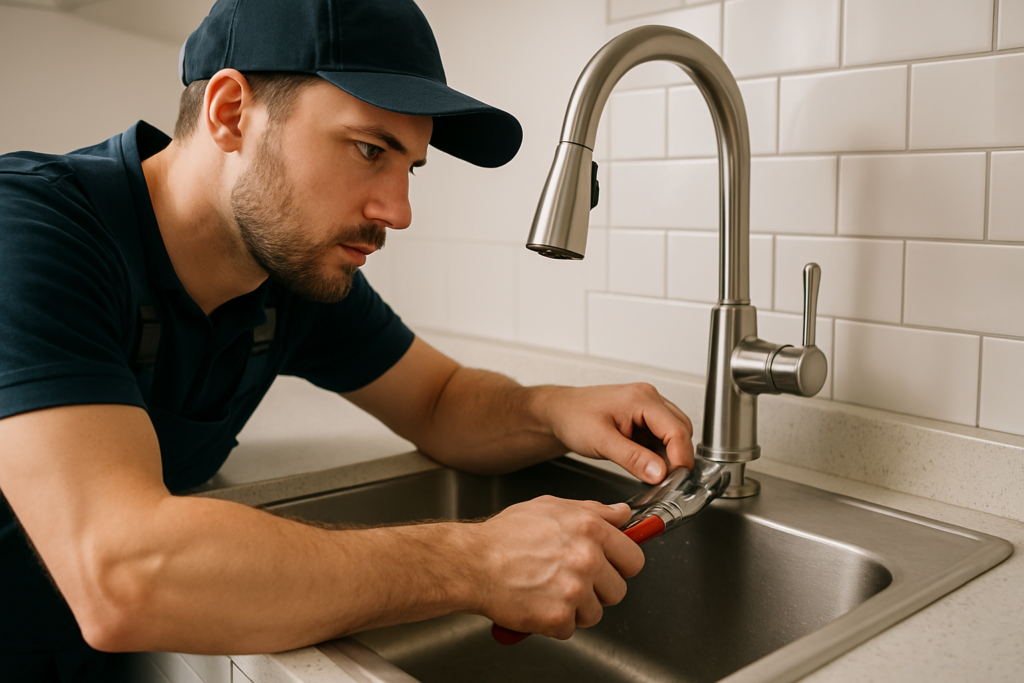
Basic tools required include an adjustable wrench, basin wrench, screwdrivers, and plumber’s tape. An adjustable wrench will help tighten fittings, while a basin wrench is perfect for reaching tight spaces under the sink. These tools are vital for a successful installation.
Optional Tools
In addition to the essentials, consider having a bucket or towels ready to catch any water that may spill during the replacement. A flashlight can also be beneficial for illuminating dark areas under the sink, making it easier to work without straining your eyes.
Key Points:
- Collect all necessary tools before starting
- Optional tools can make the process easier
Preparation Before Replacement
Replacing a kitchen faucet requires careful preparation to ensure a smooth process. Begin by gathering necessary tools such as a basin wrench, adjustable wrench, and plumber’s tape. Shut off the water supply to avoid any leaks during the replacement. It’s also advisable to clear the area under the sink to give yourself enough space to work comfortably. If there are any existing leaks or issues with the current faucet, take the time to inspect and note them, as this could inform your choices for the new faucet. Lastly, take photos of the existing setup to assist with the reassembly process later on.
Gathering Necessary Tools
Essential tools for replacing a kitchen faucet include a basin wrench for tight spaces, an adjustable wrench for loosening nuts, and plumber’s tape to prevent leaks. Additionally, a bucket can help catch any water that may drip during the process. Having these tools ready will streamline your replacement process and minimize frustration.
Shutting Off Water Supply
Before starting the replacement, ensure you shut off the water supply valves under the sink. Turn the valves clockwise until they are fully closed. If there are no individual shut-off valves, you may need to turn off the main water supply for your home. This step is crucial to prevent water damage and make the replacement safer.
Key Points:
- Preparation is key to a successful faucet replacement.
- Gather the right tools to avoid disruptions during the process.
💡 Take measurements of your current faucet to ensure compatibility with the new one.
💡 Label the supply lines and connections to simplify reassembly.
Removing the Old Faucet
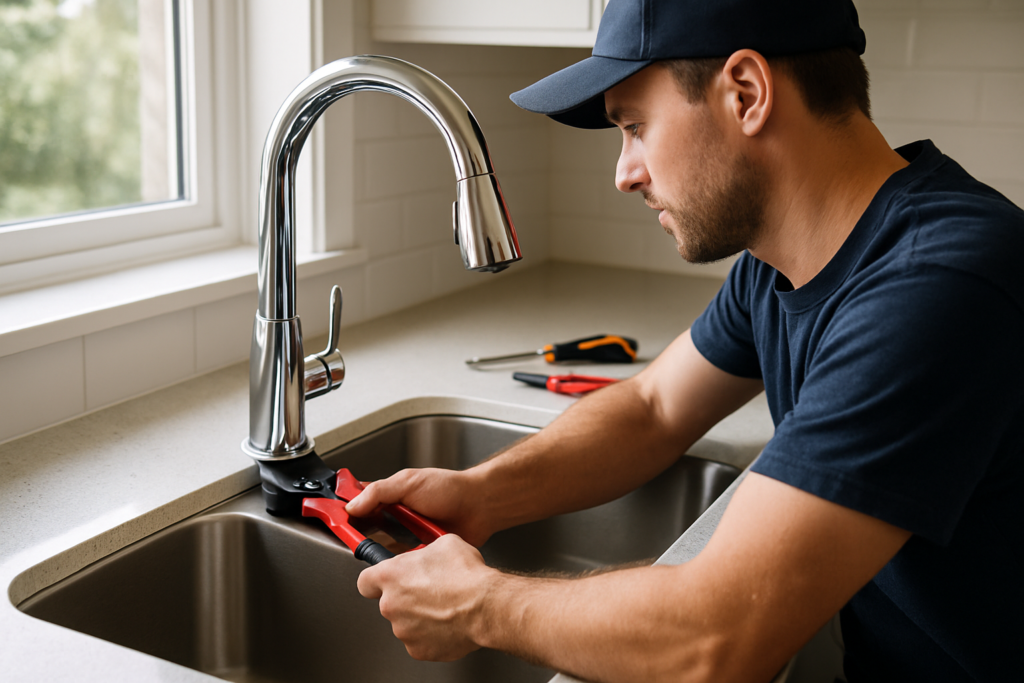
Once you’re prepared, the next step is to remove the existing faucet. Start by disconnecting the supply lines from the faucet using your adjustable wrench. Expect some water to drain out, so have a bucket ready. Next, remove the mounting nuts securing the faucet to the sink. You may need to use a basin wrench for this step if the nuts are in a tight space. After everything is disconnected, lift the old faucet out of the sink. Clean the area thoroughly to remove any debris or old sealant, ensuring a smooth installation for the new faucet.
Disconnecting Supply Lines
With the water supply turned off, locate the hot and cold supply lines connected to the existing faucet. Use an adjustable wrench to carefully loosen and disconnect these lines. Be prepared for residual water in the lines, so keep your bucket handy. This step is critical to avoid leaks in your new installation.
Removing Mounting Nuts
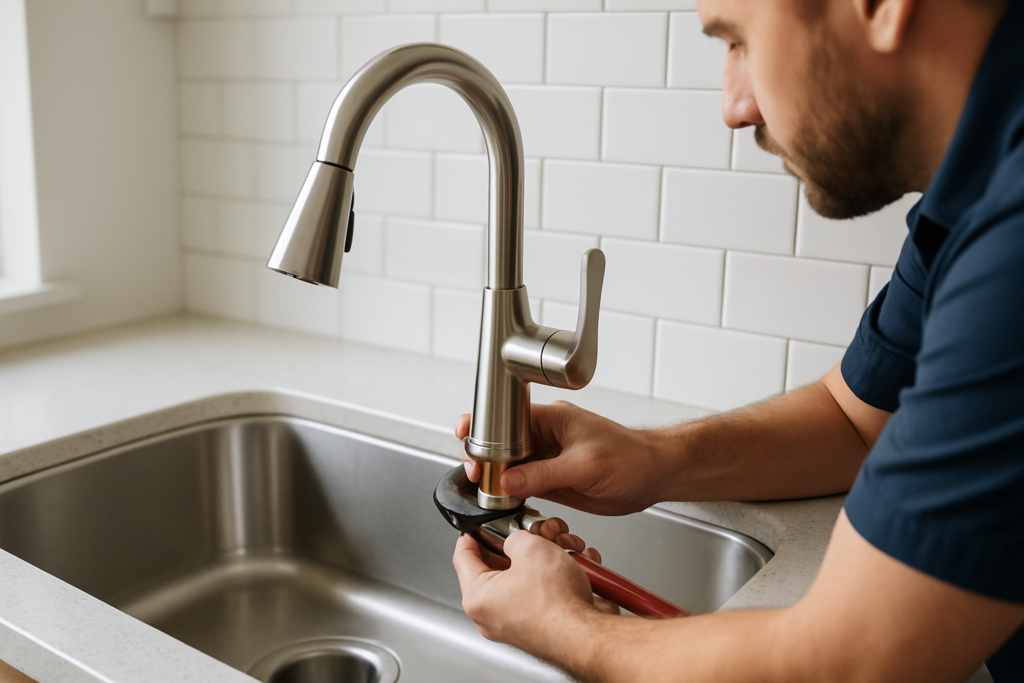
After disconnecting the supply lines, the next step is to remove the mounting nuts that hold the faucet in place. Depending on the accessibility, a basin wrench may be necessary. Turn the nuts counterclockwise until they are free, and gently lift the faucet from the sink once all nuts are removed. Cleaning the area afterward will facilitate a better fit for the new faucet.
Key Points:
- Properly disconnecting lines is essential to avoid water damage.
- Cleaning the sink area prepares for a better installation of the new faucet.
💡 Wear gloves to protect your hands from sharp edges under the sink.
💡 Keep a towel handy to wipe up any water spills immediately.
EXPERT TIPS Pro Advice
Test the water flow before finalizing connections
Testing ensures that there are no leaks and that the water pressure is adequate, preventing issues after installation.
Consider using plumber’s putty or silicone sealant
These materials can create a watertight seal around the base of the faucet, preventing leaks and ensuring durability.
Follow the manufacturer’s instructions for installation
Every faucet may have unique requirements; adhering to guidelines can prevent installation errors and prolong the faucet’s life.
Frequently Asked Questions
Conclusion
Replacing a kitchen faucet is a manageable DIY task that can enhance your kitchen’s functionality and appearance. With the right tools and a clear understanding of the process, you can successfully install a new faucet in just a few hours. Remember to handle leaks and installation issues promptly.
🎯 Key Takeaways:
- Gather necessary tools before starting the installation.
- Always turn off the water supply to avoid leaks.
- Follow step-by-step instructions for a successful replacement.
- Check for leaks after installation and address them immediately.
Expert Advice: Approach the faucet replacement with patience and attention to detail. Familiarize yourself with each step, and don’t hesitate to seek additional resources or instructions if needed.
Now that you understand the process, gather your tools and confidently take the next step to replace your kitchen faucet!