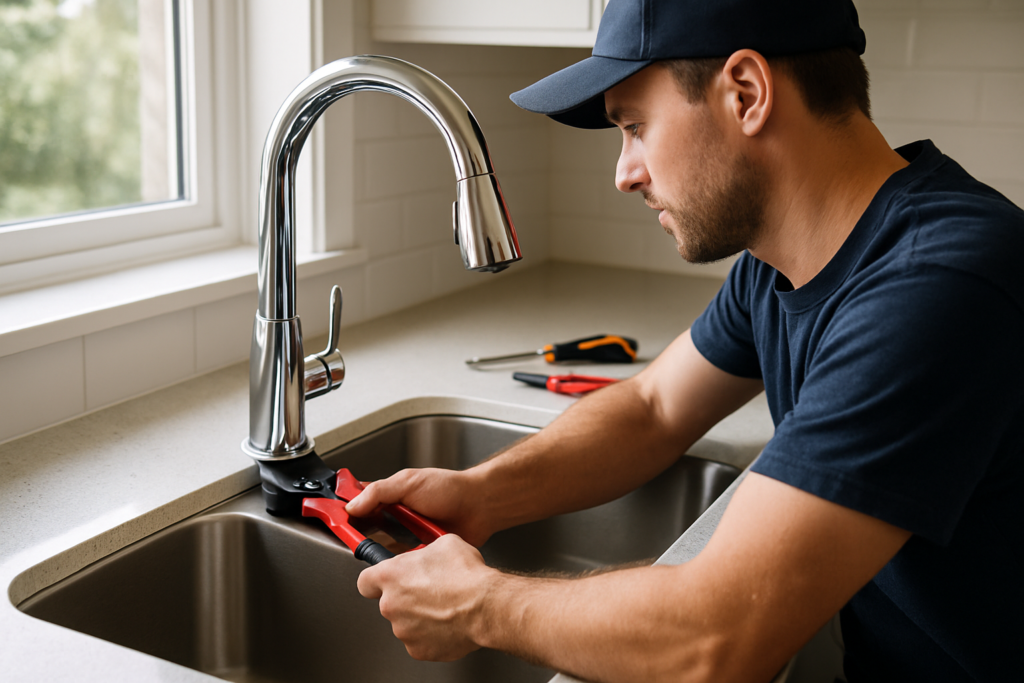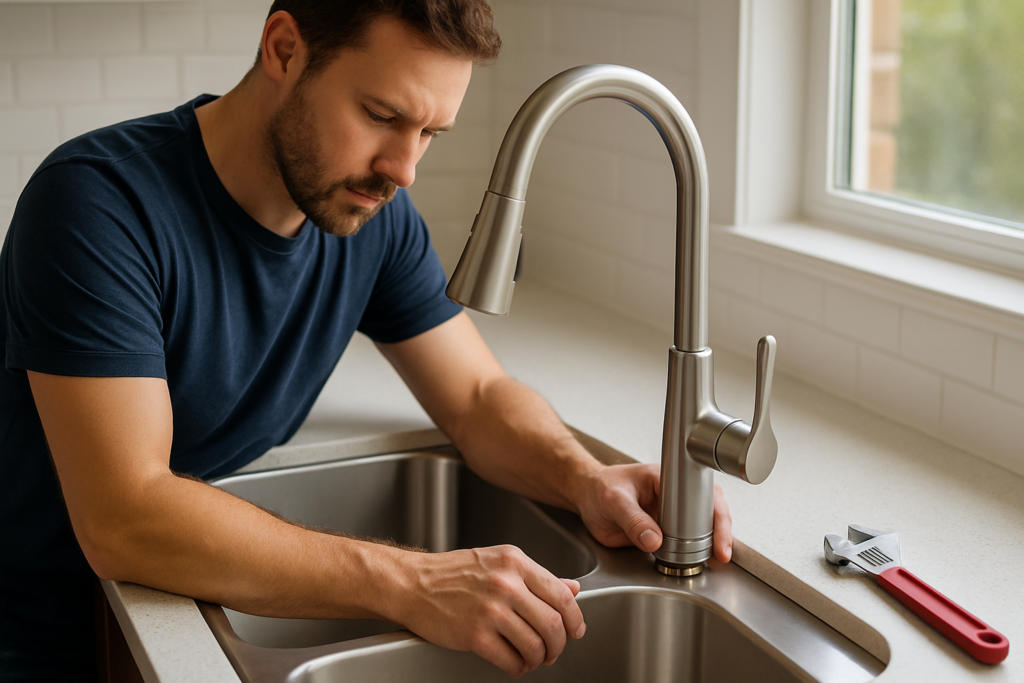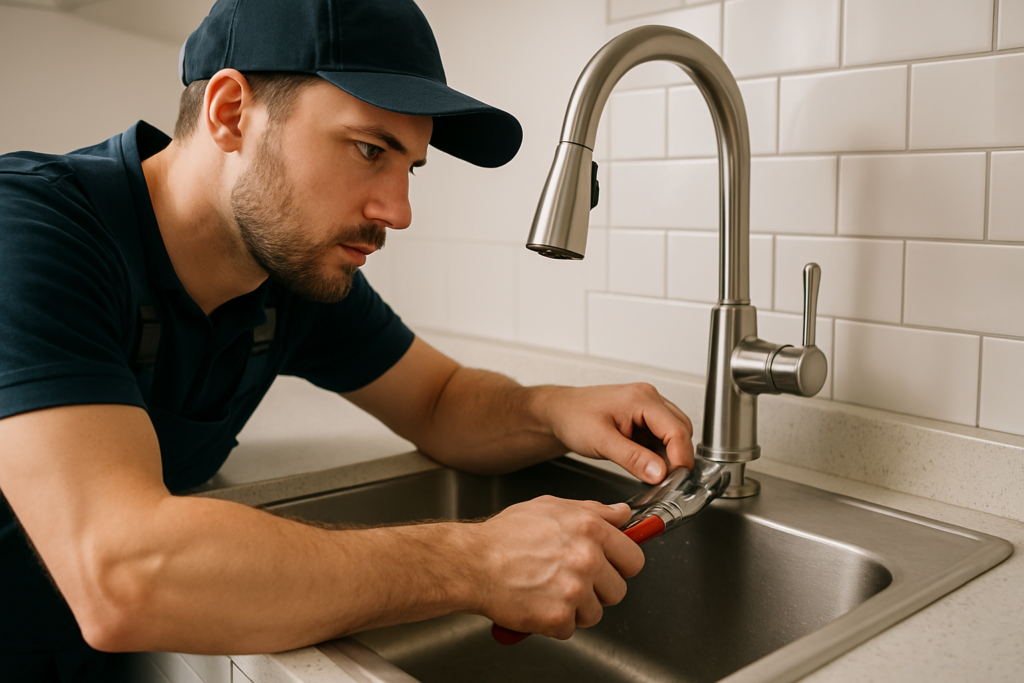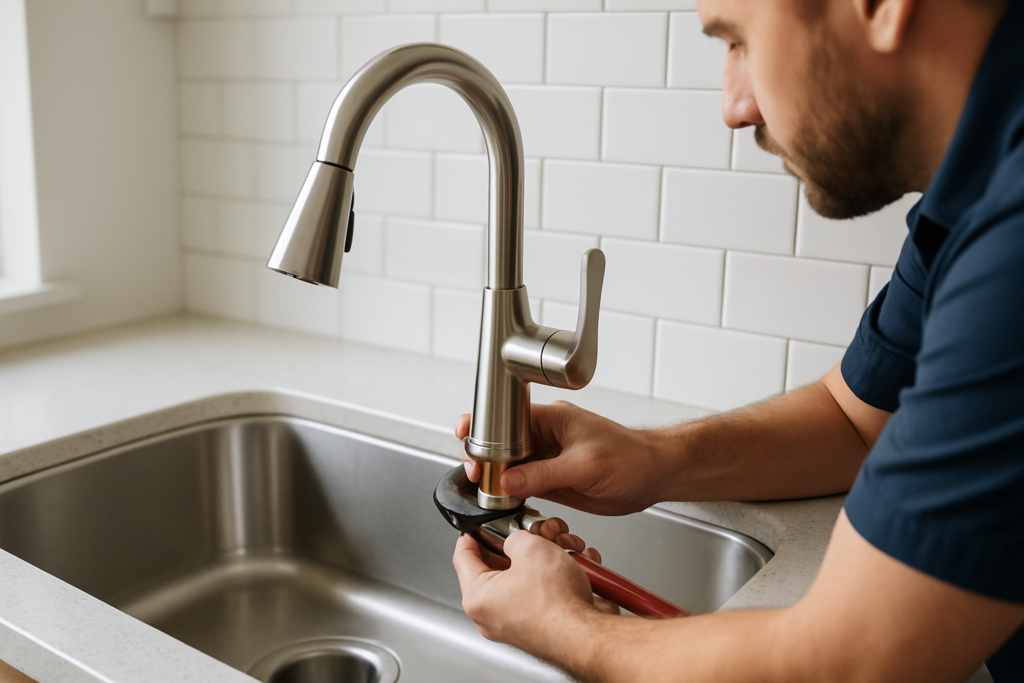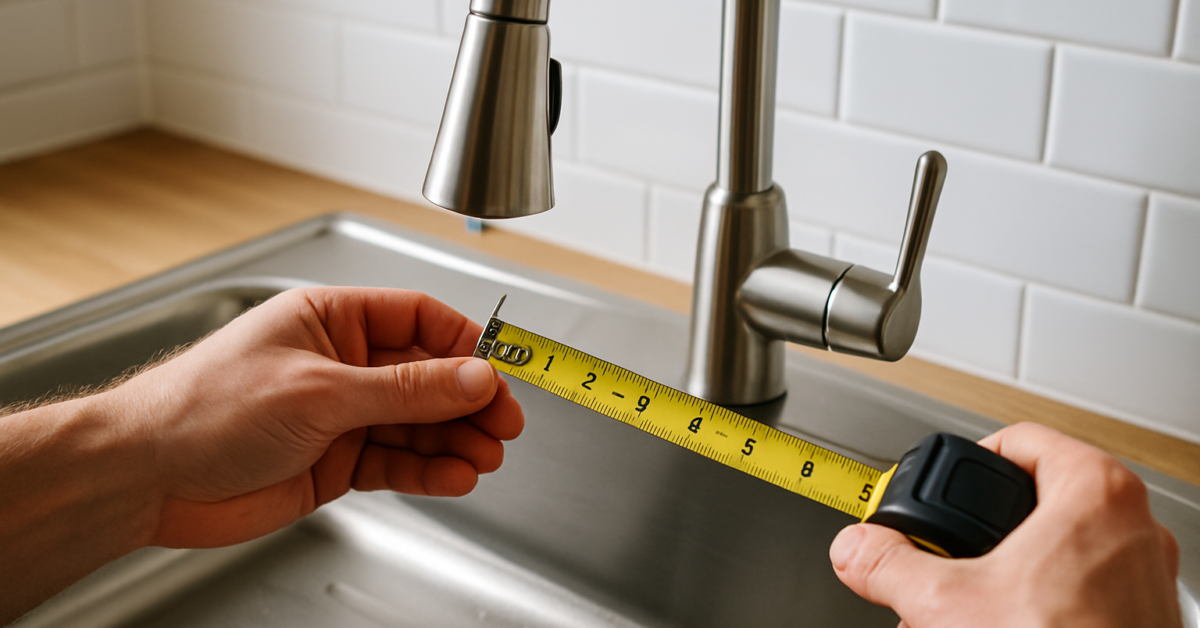
Are you planning to upgrade your kitchen faucet but unsure how to measure for kitchen faucet installation? A precise measurement is crucial to ensure your new faucet fits perfectly and functions efficiently. With over 15 years of experience in home improvement projects, I’ve gathered essential tips and insights to help you navigate this simple yet vital task. In this article, you’ll learn the key measurements needed for different types of faucets and sinks, step-by-step instructions to take accurate measurements, and common pitfalls to avoid. By the end, you’ll be equipped with the knowledge to confidently select the right faucet for your kitchen.
Understanding Faucet Measurements
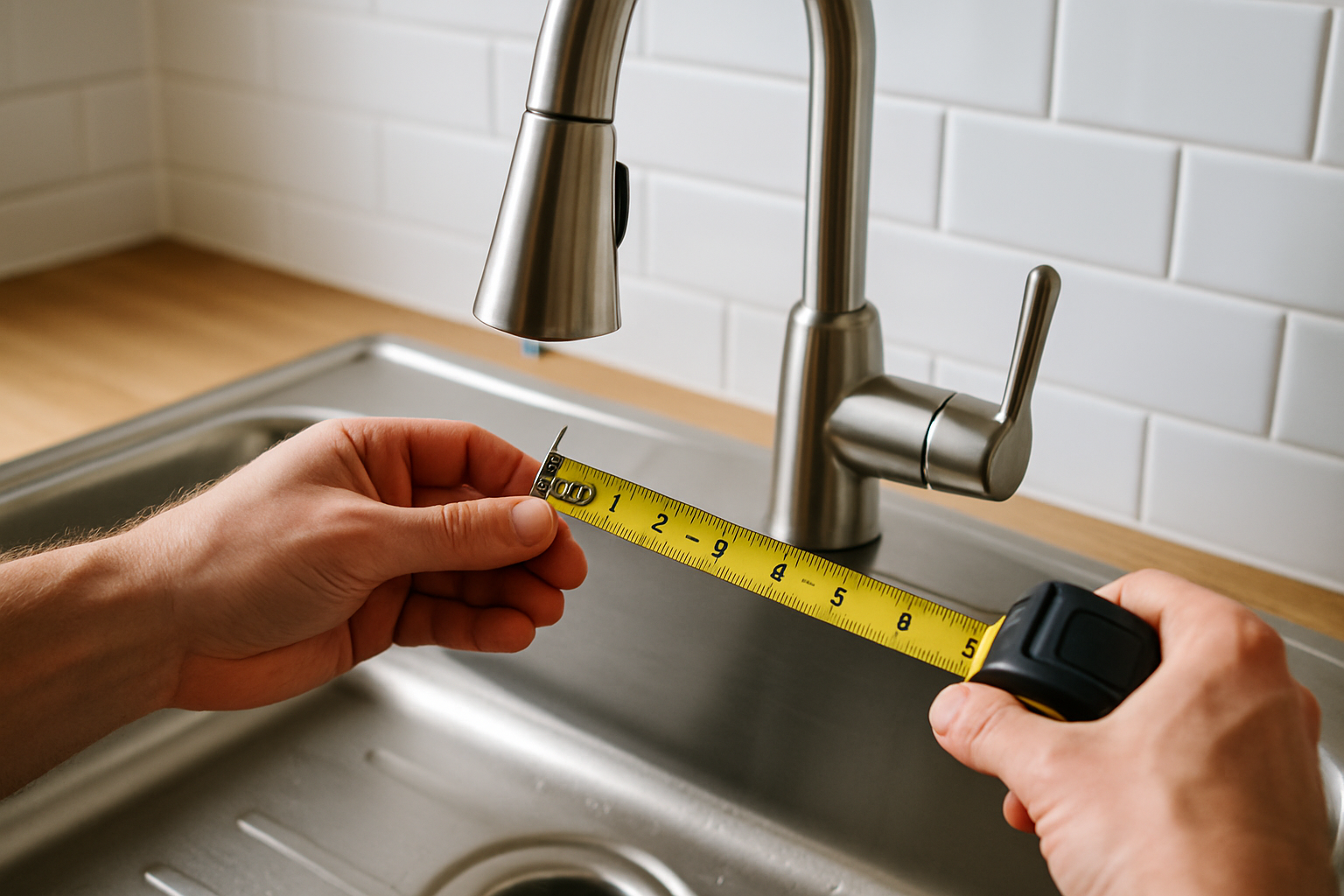
Measuring for a kitchen faucet is essential to ensure proper fit and functionality. The key dimensions to consider include the hole size, faucet height, and spout reach. These measurements help in selecting a faucet that complements your sink and meets your kitchen needs. Accurate measurements also prevent installation issues and potential water leaks, making this initial step crucial for a successful kitchen upgrade.
Hole Size Measurement
To measure the hole size for your faucet, use a ruler or tape measure to determine the diameter of the existing holes in your sink. Standard faucet holes typically range from 1 to 1.5 inches in diameter. If you’re installing a new sink, ensure the faucet holes align with the faucet’s base, preventing any compatibility issues during installation.
Faucet Height and Clearance
Measure the height from the countertop to the underside of the cabinet above the sink. This clearance is crucial for ensuring that the faucet spout can comfortably fit under cabinets or shelves. A minimum clearance of 18 inches is recommended to allow for easy access and operation of the faucet without obstruction.
Spout Reach Measurement
Spout reach is the distance from the center of the faucet base to the tip of the spout. To measure, place a ruler at the base and extend it to the spout’s end. This measurement is vital for determining how far the water will extend over the sink, ensuring adequate coverage for washing dishes or food prep.
Key Points:
- Accurate measurements prevent installation issues.
- Consider both height and reach for optimal functionality.
Additional Considerations for Faucet Measurements
Beyond basic measurements, there are additional factors to consider for a successful kitchen faucet installation. These include the type of faucet, mounting style, and any additional features you may want, such as pull-down sprayers or touchless operation. Understanding these aspects will help guide your selection process and ensure you choose a faucet that not only fits your space but also meets your cooking and cleaning needs.
Faucet Types and Their Dimensions
Different types of faucets, such as pull-down, pull-out, or traditional faucet styles, may have varying dimensions. Research the specifications of the faucet type you are interested in, as this will influence your measurement strategy and compatibility with your sink. Knowing the faucet style can help in planning the layout of your kitchen workspace effectively.
Mounting Style Considerations
Faucets can be mounted on the sink or the countertop. If you’re replacing a faucet, note the current mounting style and ensure your new faucet matches it. If installing a new sink, consider a mounting style that complements your kitchen design. This includes single-hole, centerset, or widespread faucets, each requiring different space and hole configurations.
Additional Features and Their Impact
Features such as side sprayers or soap dispensers may require additional holes in your sink or countertop. When measuring, account for these extra components and plan your layout accordingly. Understanding how these features impact your faucet selection can enhance your kitchen’s functionality and aesthetic appeal.
Key Points:
- Consider faucet types and mounting styles for compatibility.
- Account for additional features in your measurement plan.
Understanding Faucet Types and Measurements
Before measuring for a kitchen faucet, it’s crucial to understand the different types available. The most common types include single-handle, double-handle, pull-down, and pull-out faucets, each requiring specific measurements for proper installation. Generally, you will need to measure the distance between the holes in your sink, as well as the height and reach of the faucet itself. This ensures that your chosen faucet fits perfectly and functions well within your kitchen setup.
Hole Configuration Measurement
To begin, measure the distance between the mounting holes in your sink. Most kitchen sinks have either one or three holes. If your sink has three holes, the distance between the outer holes is crucial for ensuring that the faucet you choose will fit properly.
Height and Reach Considerations
Next, measure the height of your faucet and its reach to the sink. A taller faucet may require additional space above the sink, especially if you have cabinets above. Ensure that the reach allows for comfortable use, particularly for filling pots or cleaning dishes.
Key Points:
- Understand the types of faucets to choose the right one for your kitchen.
- Accurate hole configuration and height measurements are critical for proper installation.
💡 Always measure twice before purchasing a faucet to avoid installation issues.
💡 Consider the height of your sink and whether it will accommodate a taller faucet design.
Checking Compatibility with Plumbing
To ensure a successful kitchen faucet installation, compatibility with existing plumbing is essential. This includes checking the size and type of your water supply lines, which typically come in either half-inch or three-eighths-inch sizes. Additionally, verifying the type of connection—compression or threaded—will help you determine if any adapters are necessary. Taking these factors into account can save time and prevent costly mistakes during installation.
Water Supply Line Measurement
Identify the size of the water supply lines connected to your current faucet. Measure the diameter of the lines to ensure that the new faucet will attach correctly. This step is critical to avoid leaks and ensure proper water flow.
Assessing Connection Types
Determine how your current faucet connects to the water supply. If it’s a compression fitting, you may need specific tools for installation. Knowing the type of connection will guide you in gathering the right materials for a smooth installation process.
Key Points:
- Check the size and type of your water supply lines to ensure compatibility.
- Understanding connection types can streamline the installation process.
💡 Use a flexible measuring tape for accurate measurements in tight spaces.
💡 If unsure about plumbing compatibility, consult a professional for advice.
EXPERT TIPS Pro Advice
Take into account the sink’s design and layout.
Knowing your sink’s design helps you choose a faucet that not only fits but also complements the overall kitchen aesthetic.
Consider the ease of installation based on your plumbing skills.
If you’re not confident in your plumbing skills, selecting a simpler faucet design can make the installation process more manageable.
Think about future maintenance when choosing a faucet.
Selecting a faucet with accessible parts can simplify maintenance tasks, such as replacing cartridges or aerators.
Frequently Asked Questions
Conclusion
Measuring for a kitchen faucet involves several key dimensions, including hole spacing, spout reach, and height. Accurate measurements ensure proper installation and functionality, enhancing your kitchen experience. Always use the right tools and double-check your dimensions to avoid costly mistakes.
🎯 Key Takeaways:
- Measure hole spacing for proper faucet fit.
- Consider spout reach for functionality.
- Height is crucial for clearance under cabinets.
- Use accurate tools for precise measurements.
Expert Advice: Take your time with measurements and consider consulting a professional if you’re unsure. Precise measurements lead to a successful faucet installation that meets your kitchen needs.
Now that you understand how to measure for a kitchen faucet, gather your tools and start measuring for your new installation!