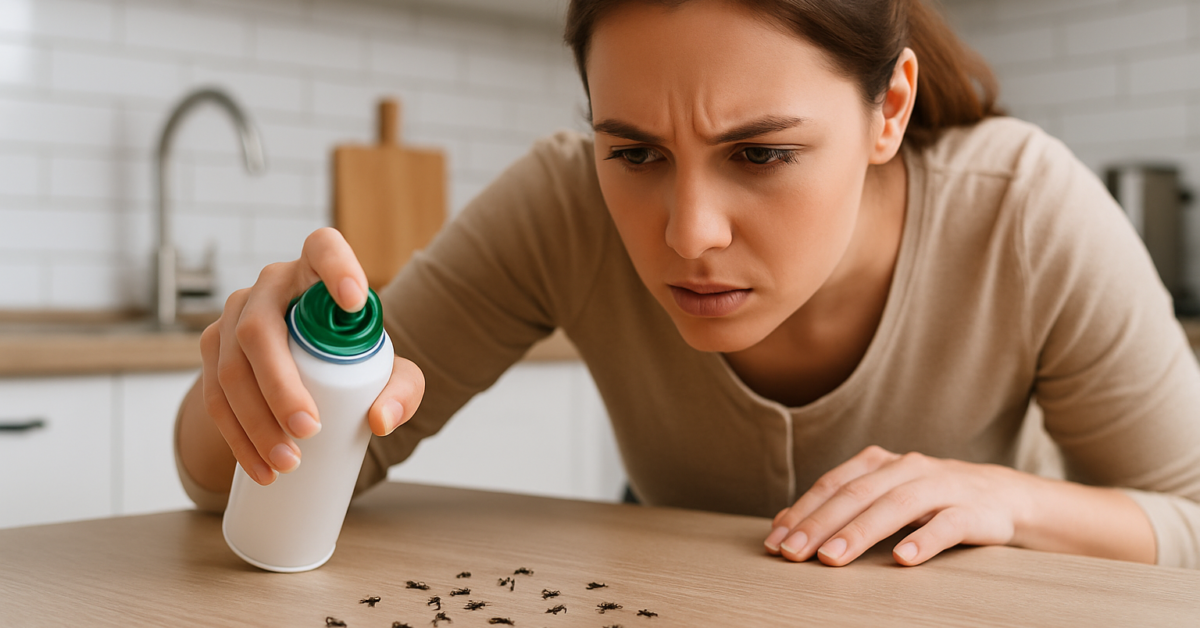
How to Get Rid of Ants in the Kitchen: Proven Strategies
Are you tired of finding ants marching across your kitchen counters? You’re not alone—many homeowners face the challenge of ant infestations. In fact, studies show that kitchens are one of the most common areas for ants to invade due to food sources and shelter. Understanding how to get rid of ants in the kitchen is essential for maintaining a clean and healthy home. In this article, we will share expert strategies and practical tips to eliminate ants effectively, as well as preventive measures to keep them from returning. Whether you’re dealing with a minor issue or a larger infestation, we have the solutions you need.

Understanding Ant Behavior
To effectively eliminate ants in the kitchen, it’s crucial to understand their behavior and biology. Ants are social insects that live in colonies, which can range from a few dozen to millions. They are drawn to food sources, especially sugary and greasy substances, making kitchens prime targets. Ants communicate and navigate using pheromones, leaving scent trails for others to follow. Recognizing these behaviors can help you identify entry points and food sources, enabling a focused approach to eradication. Furthermore, different ant species may require specific strategies for removal. Knowing whether you are dealing with carpenter ants, sugar ants, or others can significantly influence your eradication method.
Common Ant Species in Kitchens
Understanding the species of ants you’re dealing with is essential for effective control. Common kitchen ants include sugar ants, which are attracted to sweet foods, and carpenter ants, known for nesting in wood. Each species has distinct habits and preferences, affecting how you should approach their removal. Identifying the ant species helps tailor your strategy—whether it’s baiting, trapping, or sealing entry points to prevent future infestations.
Ant Attraction Factors
Ants are primarily attracted to food and moisture. Leaving food out, not cleaning spills promptly, or neglecting crumbs can invite ants into your kitchen. Additionally, moisture from leaky pipes or damp areas can attract certain species. To effectively deter ants, it’s vital to maintain cleanliness and address potential water sources. Ensuring that all food is stored properly and cleaning surfaces regularly can greatly reduce the chances of an infestation.
Key Points:
- Ants are social insects that communicate using pheromones.
- Identifying the ant species is crucial for choosing the right removal strategy.
Preventing Ant Infestations
Prevention is key to avoiding ant infestations in the kitchen. Start by sealing any cracks and openings around windows, doors, and foundations to limit access points. Regularly check for and repair any leaks or moisture issues, as ants are drawn to water. It is also beneficial to keep food stored in airtight containers and to routinely clean the kitchen to eliminate food residues. By implementing these preventive measures, you can significantly reduce the likelihood of ants entering your home in the first place.
Sealing Entry Points
Inspect your kitchen for entry points where ants may be gaining access, such as gaps in window frames, door thresholds, and cracks in walls. Use caulk or weather stripping to seal these openings. This step is essential because even the smallest gaps can allow ants to enter. By sealing these entry points, you create a barrier that significantly deters ant invasions.
Regular Cleaning Practices
Establishing a routine cleaning schedule is vital in preventing ants from being attracted to your kitchen. Clean countertops, sweep floors, and wash dishes promptly to eliminate food residues. Pay special attention to areas beneath appliances and furniture where crumbs can accumulate. Regularly taking out the trash and using sealed bins will also help in minimizing attractants that draw ants into your kitchen.
Key Points:
- Sealing entry points is essential for preventing ant access.
- Regular cleaning practices greatly reduce potential food sources for ants.
Understanding Ant Behavior
To effectively eliminate ants in the kitchen, it’s vital to understand their behavior. Ants are social insects that communicate and work together. When one ant discovers food, it leaves a pheromone trail for others to follow. This behavior leads to colonies rapidly invading kitchens. Identifying the type of ant can also help in determining the best elimination strategy, as different species may require distinct approaches. Maintaining cleanliness is essential to prevent attracting ants, who are constantly on the lookout for food sources.
Identifying Ant Trails
Ant trails are often visible as a line of ants moving in and out of your kitchen. Observing these trails can help pinpoint where the ants are entering and what food sources they are targeting. Look for trails near food storage, sinks, or entry points. Understanding their pathway allows you to disrupt their access effectively.
Recognizing Food Sources
Ants are attracted to a variety of food sources, including sugary substances and greasy residues. Regularly inspect your kitchen for crumbs, spills, and unsealed food items. Cleaning surfaces and sealing containers can significantly reduce the food supply that attracts ants, making your kitchen less appealing to them.
Key Points:
- Understanding ant behavior aids in effective removal.
- Identifying and eliminating food sources is crucial.
💡 Seal entry points to prevent ant access.
💡 Keep food stored in airtight containers.
Effective Removal Strategies
Once you understand ant behavior, you can implement effective strategies for removal. A combination of sanitation, exclusion, and treatment methods is often necessary. Start with thorough cleaning to eliminate attractants, then seal entry points to prevent future invasions. If ants persist, consider using natural deterrents or bait traps. Each method has its effectiveness, and sometimes a multi-faceted approach is required for complete elimination.
Natural Deterrents
Using natural deterrents such as vinegar, lemon juice, or essential oils can help repel ants. These substances disrupt the pheromone trails that ants rely on for navigation. Spraying these solutions around entry points and along trails not only deters ants but also provides a chemical-free way to manage their presence.
Using Bait Traps
Bait traps can be effective in controlling ant populations. These traps lure ants to a food source mixed with a slow-acting insecticide. The ants carry the bait back to their colony, ultimately killing the queen and other ants. This method can be particularly useful for larger infestations, but patience is key, as results may take several days.
Key Points:
- Combining strategies is often required for success.
- Natural solutions can be effective and safer alternatives.
💡 Regularly clean kitchen surfaces to eliminate food sources.
💡 Be patient with bait traps; effective results take time.
EXPERT TIPS Pro Advice
Monitor and adjust
Regularly check for new ant activity and adjust your strategies accordingly. This proactive approach helps catch infestations early.
Use barriers effectively
Create barriers using natural deterrents around entry points. This not only deters ants but also creates an environment less favorable for their return.
Educate family members
Ensure everyone in the household understands the importance of maintaining cleanliness and sealing food. Collective effort enhances success in ant prevention.
Consider professional help if needed
If infestations persist despite your efforts, seeking professional pest control may be necessary. They can provide targeted treatments for severe cases.
Frequently Asked Questions
Conclusion
Getting rid of ants in the kitchen requires a combination of cleanliness, prevention, and strategic treatments. By identifying their food sources, sealing entry points, and using natural remedies, you can effectively manage and eliminate ant infestations. Consistency is key for long-term results.
🎯 Key Takeaways:
- Keep kitchen surfaces clean and free of crumbs.
- Seal cracks and entry points to prevent ants.
- Use homemade remedies before resorting to chemicals.
- Follow ant trails to locate nests.
- Be patient as complete eradication may take time.
Expert Advice: Stay proactive in maintaining a clean kitchen environment and monitor for signs of ants regularly. Early intervention can prevent larger infestations and ensure a pest-free home.
Assess your kitchen today and implement these strategies to create an ant-free space!