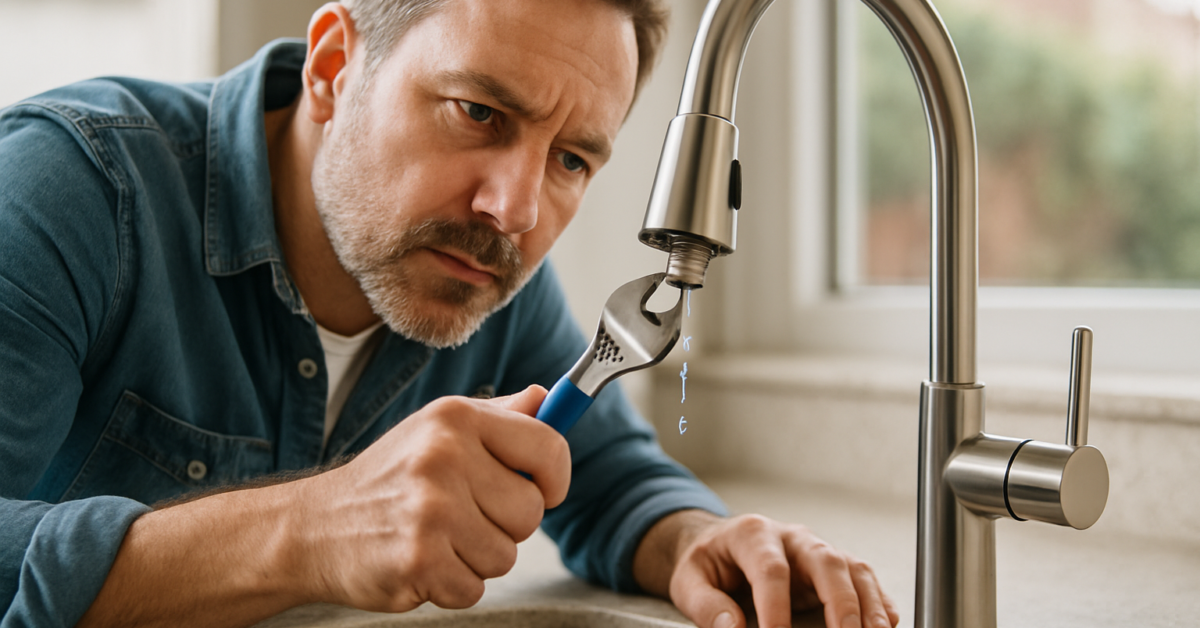
How to Fix a Dripping Kitchen Faucet: Simple Steps Explained
Is your kitchen faucet driving you crazy with its persistent drip? You’re not alone; a dripping kitchen faucet is one of the most common household annoyances. Not only can it be irritating, but it also wastes water and can lead to higher utility bills. With over 15 years of experience in home maintenance, I can guide you through the straightforward process of fixing this issue yourself. In this article, you’ll learn the causes of a dripping faucet, essential tools you’ll need, and step-by-step instructions to effectively resolve the problem. Say goodbye to that annoying drip and hello to a fully functional kitchen faucet!
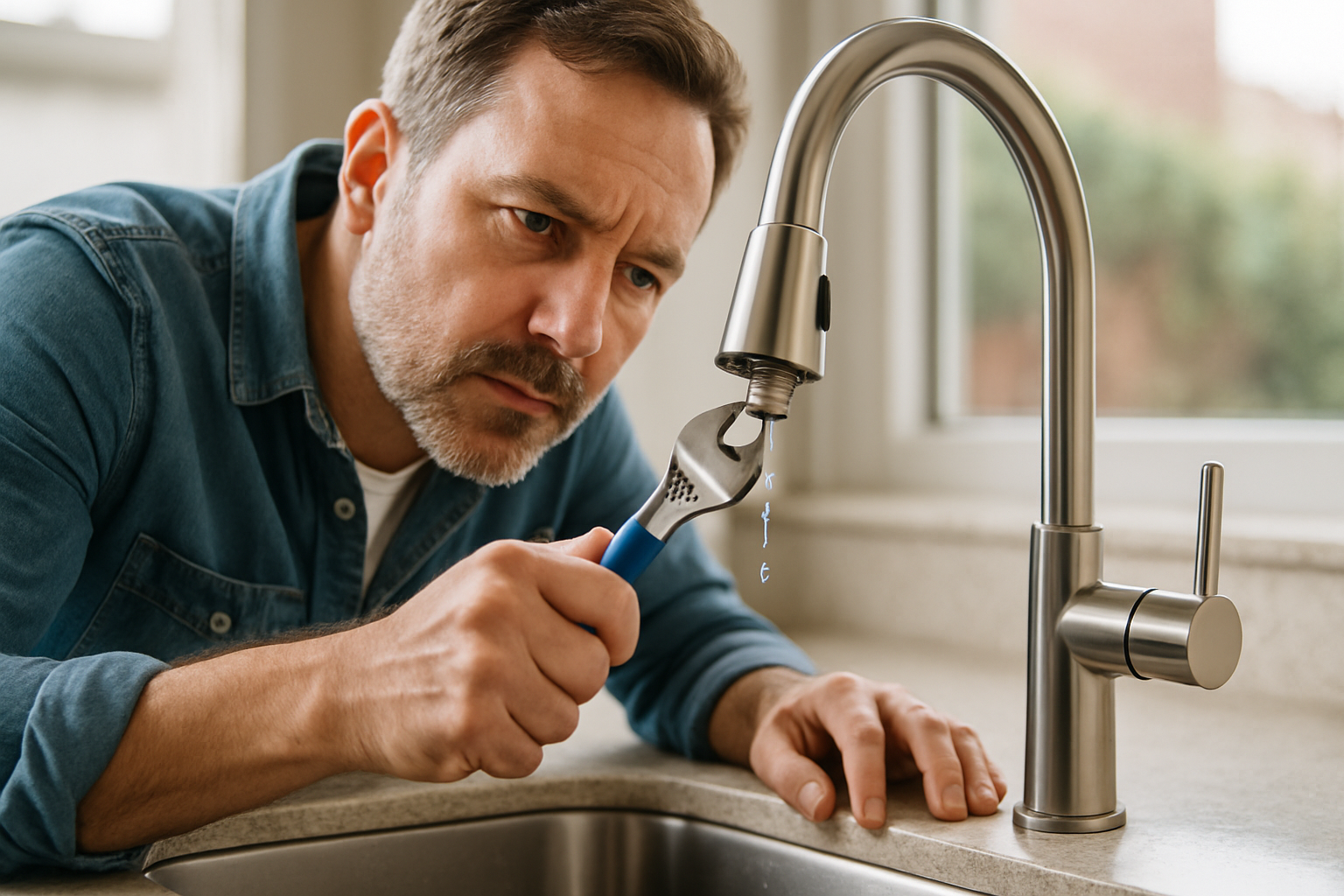
Understanding the Causes of a Dripping Kitchen Faucet
A dripping kitchen faucet can be more than just an annoyance; it often indicates underlying issues that need attention. The most common reasons for a faucet to drip include worn-out washers, O-rings, or seals. Over time, these components can degrade due to constant exposure to water pressure and temperature changes. Additionally, loose parts, corrosion, or sediment buildup can also contribute to leaks. Recognizing these causes is the first step toward effectively fixing the problem. By understanding the mechanics of your faucet, you can diagnose the issue more accurately and proceed with the necessary repairs.
Common Components at Risk
The primary components that lead to a dripping faucet include washers, O-rings, and cartridges. Washers are typically found in compression faucets and can wear down, causing leaks. O-rings are rubber seals that prevent water from leaking around the handle. Cartridges, found in cartridge faucets, can also degrade over time. Regularly checking these parts for wear and tear is crucial in maintaining a leak-free faucet.
Impact of Age and Usage
The age of your faucet significantly impacts its susceptibility to leaks. Older faucets often have components made of materials that degrade faster. Additionally, high-frequency usage can lead to expedited wear. Understanding how these factors affect your faucet can help you take proactive measures, such as regular maintenance checks or timely replacements.
Key Points:
- Identify the main components that can cause leaks
- Consider the age and usage frequency of your faucet
Tools and Preparation for Fixing a Dripping Faucet
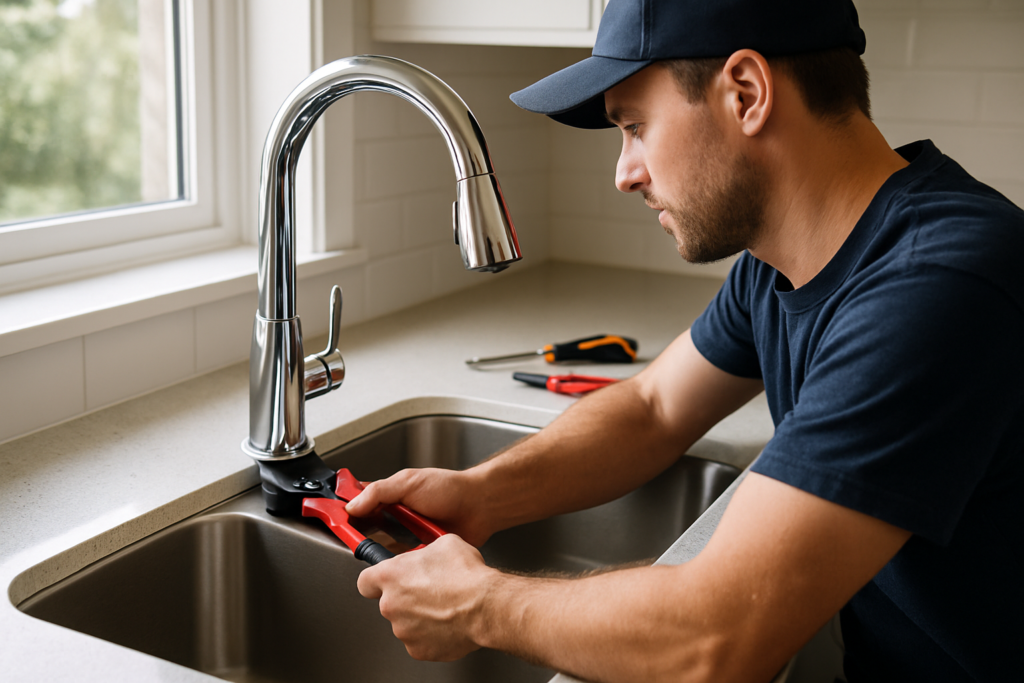
Before attempting to fix a dripping kitchen faucet, it’s essential to gather the right tools and prepare adequately. Basic tools include a screwdriver, a wrench, and a basin wrench. Additionally, having replacement parts on hand, such as washers or O-rings, can expedite the repair process. Preparation also includes turning off the water supply to avoid any further leaks during repairs. Taking the time to prepare will not only make the repair easier but also minimize the risk of damage to your faucet or plumbing.
Essential Tools for the Job
Having the right tools can make the repair process smoother. A screwdriver is needed to remove screws, while a wrench is essential for loosening nuts and bolts. A basin wrench is particularly useful in tight spaces under the sink. Ensure all tools are in good condition to avoid complications during the repair.
Safety and Water Supply Considerations
Safety is paramount when fixing a faucet. Always turn off the water supply to prevent flooding and make the repair process manageable. It’s wise to place a towel or bucket beneath the faucet to catch any residual water. These precautions can save time and prevent unnecessary messes during repairs.
Key Points:
- Gather necessary tools before starting repairs
- Turn off the water supply to ensure safety and cleanliness
Identifying the Cause of the Drip
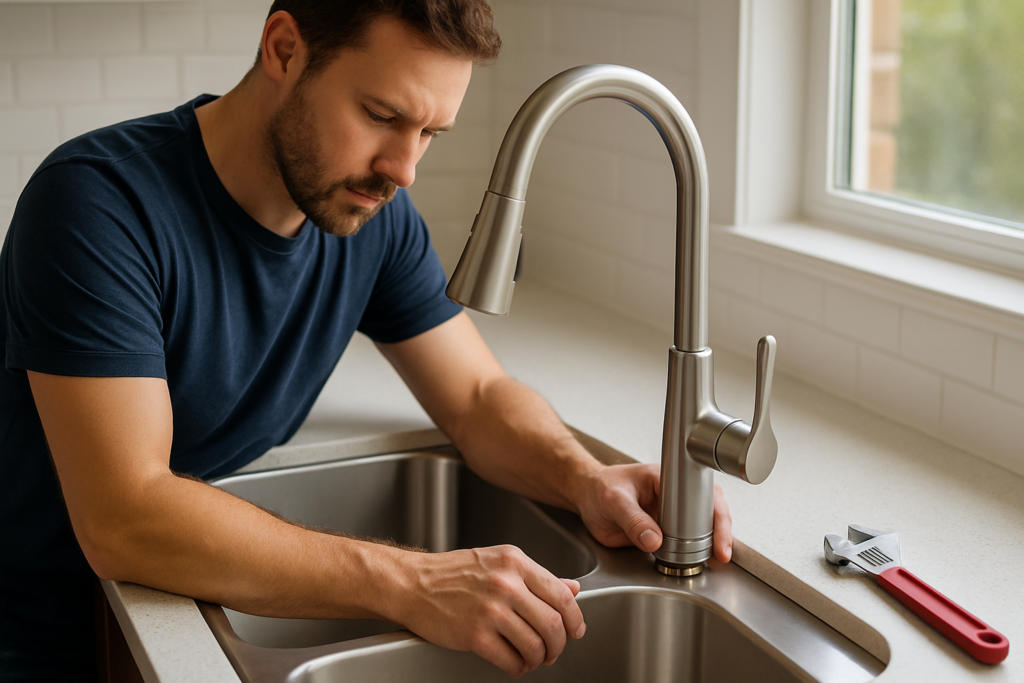
To effectively fix a dripping kitchen faucet, the first step is to identify the root cause. Common issues include worn seals, loose parts, or mineral buildup. Understanding these causes helps in determining the appropriate repair method. Start by observing the drip pattern; if it occurs when the faucet is on, the issue may lie in the cartridge or valve seat. If it drips while off, the issue is likely with the O-ring or washer. Carefully disassemble the faucet to inspect these parts, ensuring you note how everything fits together for reassembly.
Types of Faucets
Different faucet types can have varied causes for dripping. Compression faucets typically have washers that wear out, while cartridge faucets often have issues with the cartridge itself. Understanding your faucet type is crucial to diagnosing the problem accurately.
Common Symptoms
Look for specific symptoms such as water pooling under the sink or hearing a constant dripping sound. These signs can help pinpoint whether the issue is due to a faulty mechanism or simple wear and tear, guiding your repair approach.
Key Points:
- Identify your faucet type to understand potential issues.
- Observe drip patterns to better diagnose the problem.
💡 Turn off the water supply before starting repairs to prevent flooding.
💡 Always take pictures during disassembly to aid in reassembly.
💡 Use a flashlight to inspect hard-to-see areas for mineral buildup.
Step-by-Step Repair Process
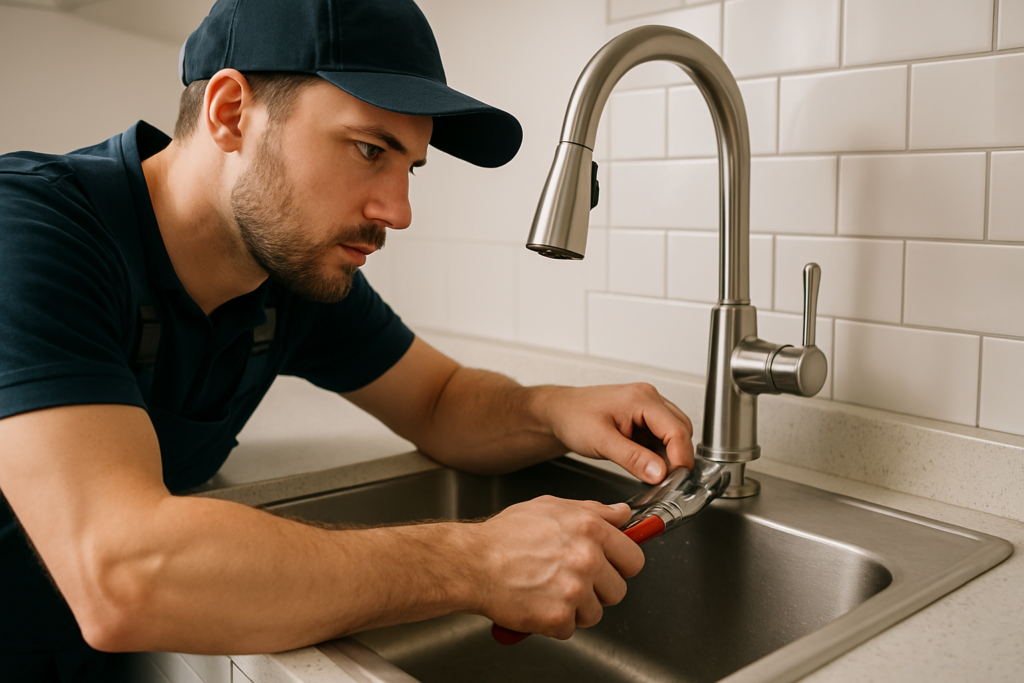
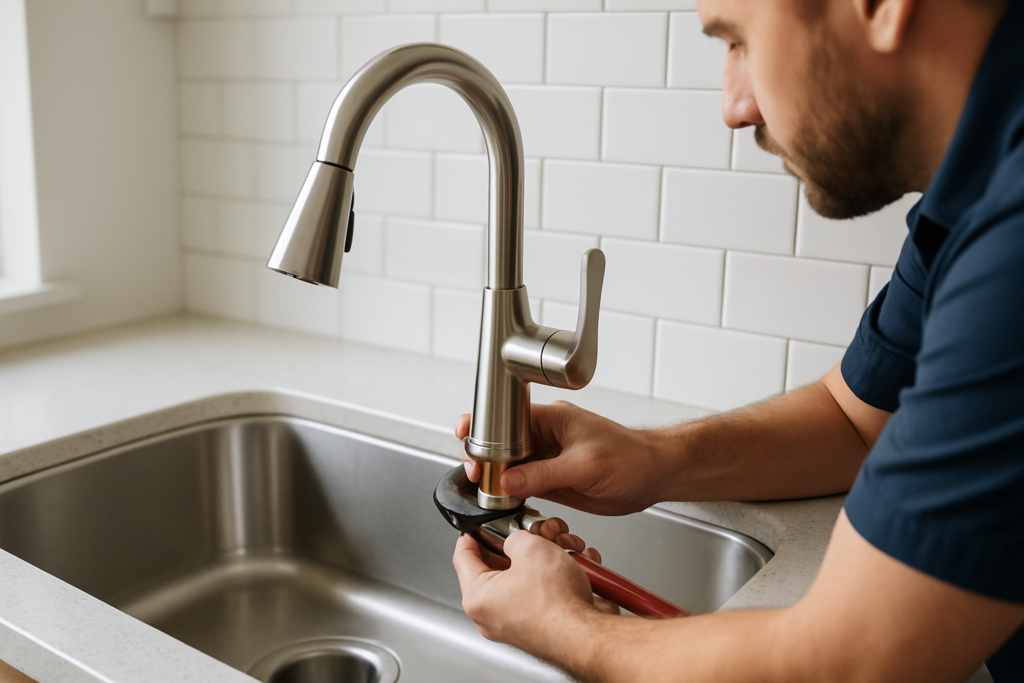
Once you have identified the cause, it’s time to address the problem. The repair process typically involves disassembling the faucet, replacing worn parts, and reassembling it. Ensure you have a clean workspace and organize parts as you remove them. Begin by removing the handle, which often involves loosening a screw or unscrewing a decorative cap. After accessing the valve or cartridge, replace any damaged components like washers or O-rings. Finally, reassemble the faucet carefully and turn the water supply back on to check for leaks.
Tools You’ll Need
Gather essential tools such as a screwdriver, pliers, and a wrench for disassembly. A towel or bucket can help catch any residual water. Having the right tools on hand will streamline your repair process and minimize frustration.
Testing After Repair
After reassembling the faucet, turn on the water supply slowly to check for leaks. Run the faucet for a few minutes to ensure everything is functioning properly. If dripping persists, double-check that all parts are securely in place.
Key Points:
- Always test after repair to confirm the fix worked.
- Use the right tools to simplify the repair process.
💡 Use plumber’s grease on O-rings to ensure a good seal.
💡 Replace all worn components at the same time to prevent future issues.
💡 Consult online resources or manuals for specific instructions related to your faucet model.
EXPERT TIPS Pro Advice
Understand your faucet design.
Knowing whether your faucet is compression, cartridge, or ball-type allows you to acquire the correct repair strategy and components, saving time and preventing damage.
Keep a repair kit ready.
Having spare washers, O-rings, and basic tools can make it easier to fix common faucet problems immediately when they arise.
Regular maintenance.
Periodically check your faucet for signs of wear or mineral buildup. Regular maintenance can prevent leaks before they start.
Document your repairs.
Keeping a log of repairs and maintenance helps track issues and solutions, making future repairs easier and more efficient.
Consider professional help for persistent problems.
If multiple attempts to fix the drip fail, it may indicate a deeper plumbing issue that requires professional assessment.
Frequently Asked Questions
Conclusion
Fixing a dripping kitchen faucet is often a manageable task for homeowners. By identifying the source of the leak and using basic tools, you can effectively perform repairs. Regular maintenance can also prevent future issues, ensuring your faucet operates efficiently.
🎯 Key Takeaways:
- Identify the cause of the drip before attempting repairs.
- Basic tools and knowledge can enable DIY faucet fixes.
- Regular maintenance is key to preventing future leaks.
- Replacing specific parts is often enough to stop a drip.
Expert Advice: Always turn off the water supply before beginning any repairs, and don’t hesitate to consult online resources for troubleshooting assistance. If repairs feel overwhelming, consider seeking professional help to avoid further issues.
Take the first step by inspecting your faucet today and learn more about effective maintenance practices.