How to Fix a Leaky Kitchen Faucet: Easy DIY Guide
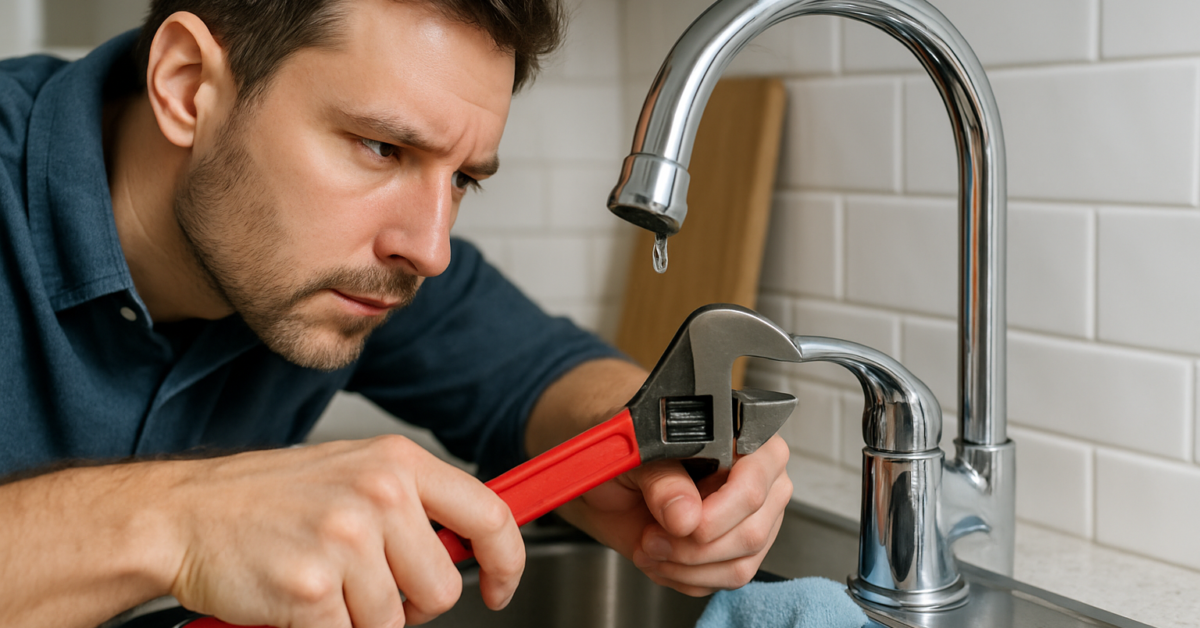
Is your kitchen faucet dripping incessantly, driving you up the wall? A leaky kitchen faucet can waste water and increase your utility bills. Fortunately, learning how to fix a leaky kitchen faucet is easier than you might think. With over 15 years of experience in plumbing and home repairs, I’m here to guide you through the straightforward steps necessary to resolve this common issue. In this article, you will discover the tools you need, common causes of leaks, and effective solutions to restore your faucet to its optimal condition. Say goodbye to that annoying drip and hello to a fully functional kitchen faucet!
Understanding the Causes of a Leaky Kitchen Faucet
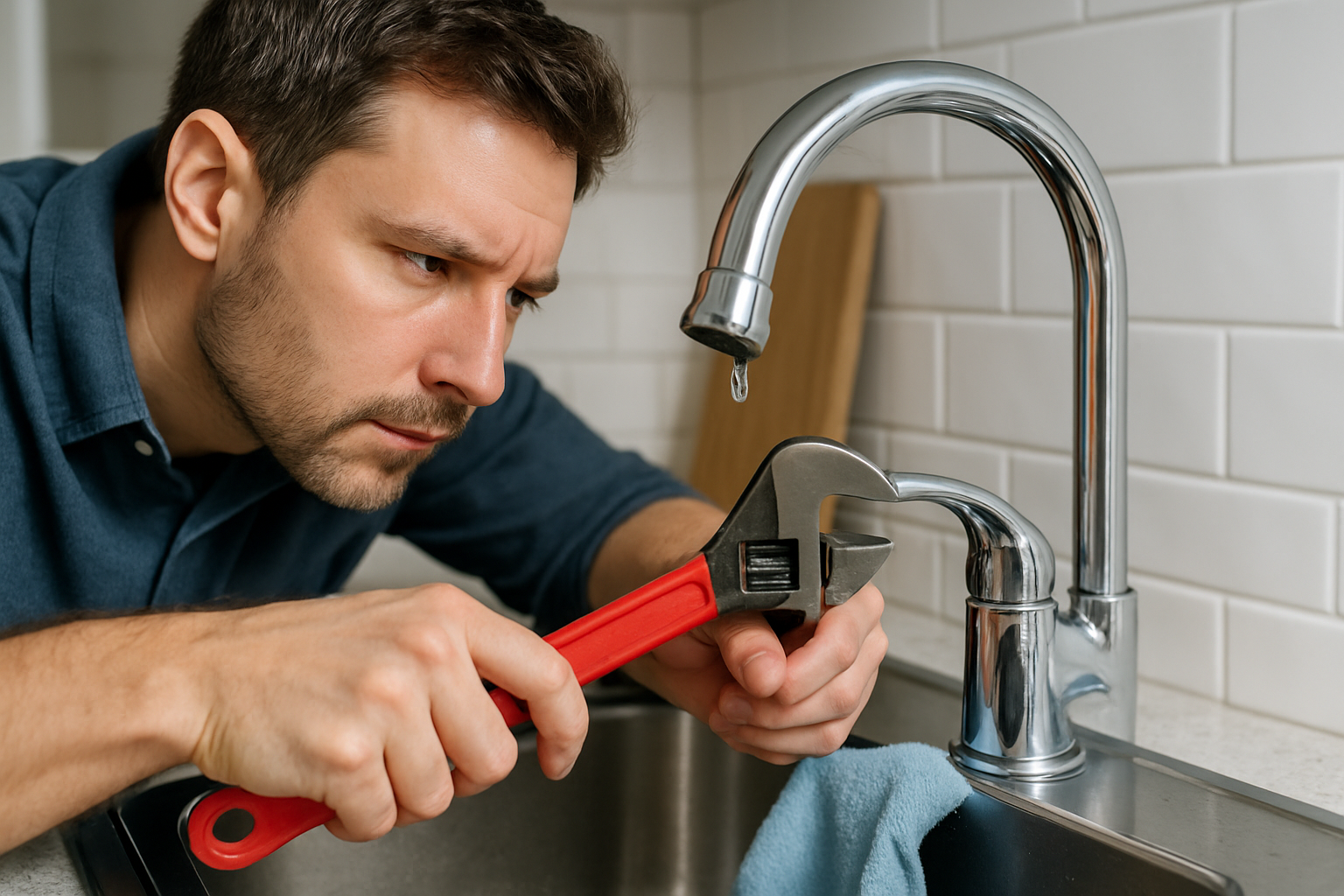
Before diving into the repair process, it’s crucial to understand the common causes of a leaky kitchen faucet. These leaks can stem from various issues, including worn-out washers, corroded valve seats, or loose connections. Identifying the root cause will streamline the repair process and ensure a lasting solution. Regular maintenance can also help you prevent leaks before they start, saving you time and effort in the long run.
Worn Washers and O-Rings
One of the most frequent causes of leaks in kitchen faucets is worn washers or O-rings. These components wear down over time due to constant friction and exposure to water, leading to leaks. Replacing these parts can often resolve the issue quickly and affordably.
Corroded Valve Seats
Valve seats can become corroded due to mineral buildup from hard water, leading to leaks. Inspecting and cleaning the valve seat can help restore a proper seal. If it’s too corroded, replacement may be necessary for a leak-free faucet.
Loose Connections
Loose connections at various points of the faucet may also be a source of leaks. Regularly check and tighten all visible screws and connections. This simple maintenance step can often prevent leaks from developing in the first place.
Key Points:
- Identifying the cause is key to effective repairs.
- Regular maintenance can prevent leaks before they start.
Gathering Tools and Preparing for Repair
Once you’ve identified the cause of the leak, the next step is to gather the necessary tools and prepare for the repair process. Having the right tools on hand will make the repair smoother and more efficient. Common tools required include a screwdriver, adjustable wrench, and replacement parts like washers or O-rings.
Essential Tools
Basic tools needed for the repair include a flathead and Phillips screwdriver, an adjustable wrench, and possibly a basin wrench for hard-to-reach areas. Having these tools ready will minimize delays during the repair process.
Safety Measures
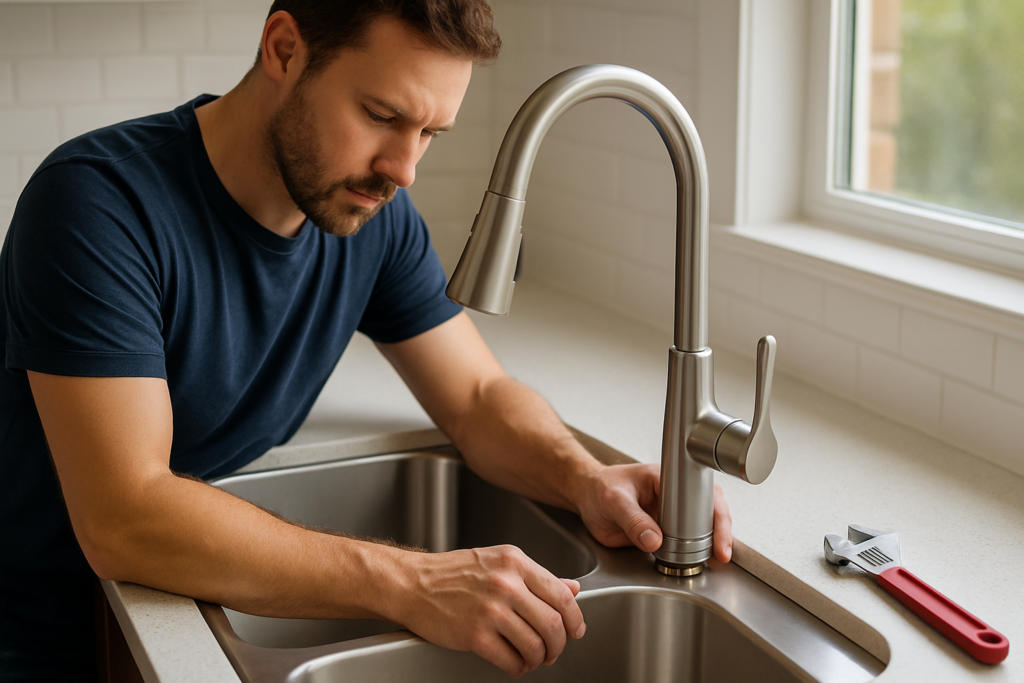
Before starting any repair, ensure that the water supply to the faucet is turned off. Additionally, place a towel or bucket underneath the sink to catch any drips during the repair. This preparation will help keep your workspace clean and safe.
Replacement Parts Identification
Depending on the leak’s cause, you may need specific replacement parts. Identify the type of faucet you have and the exact parts required, such as washers, O-rings, or cartridges. This will ensure you have everything ready before you start the repair.
Key Points:
- Gathering the right tools ensures a smooth repair process.
- Safety precautions can prevent messes and accidents.
Understanding the Causes of a Leaky Kitchen Faucet
Before attempting to fix a leaky kitchen faucet, it’s essential to identify the root cause of the leak. Commonly, leaks stem from worn-out washers, damaged O-rings, or corroded valve seats. Each of these components plays a crucial role in ensuring a watertight seal. By understanding the underlying issues, you can effectively address the problem and prevent future leaks. Regular maintenance can also extend the lifespan of your faucet, reducing the likelihood of leaks over time.
Worn-Out Washers
Washers are among the most common culprits behind faucet leaks. Over time, these rubber components can become brittle or cracked, leading to water seepage. Inspecting and replacing washers is often a straightforward fix, requiring minimal tools and time.
Damaged O-Rings
O-rings are small rubber rings that provide seals around the faucet handle. If your faucet drips from the handle, a damaged O-ring is likely the issue. Replacing O-rings can often restore function without the need for a full faucet replacement.
Corroded Valve Seats
The valve seat connects the faucet and the spout. If it becomes corroded due to mineral buildup, it can lead to leaks. Cleaning the valve seat with vinegar or a specialized cleaner can often resolve the problem, but severe corrosion may require replacement.
💡 Always turn off the water supply before starting repairs to prevent flooding.
💡 Keep a towel handy to soak up any residual water when disassembling the faucet.
💡 Document your disassembly process with photos to ensure accurate reassembly.
Step-by-Step Guide to Fixing a Leaky Kitchen Faucet
Fixing a leaky kitchen faucet can be a manageable DIY project with the right approach. Start by gathering necessary tools like a wrench, screwdriver, and replacement parts. Follow a systematic process: disassemble the faucet, inspect parts, replace damaged components, and reassemble. Taking care to match parts accurately ensures that the faucet functions properly after the fix. Testing the faucet after repairs is crucial to confirm that the leak has been resolved. With patience and attention to detail, you can restore your faucet to optimal performance.
Disassembling the Faucet
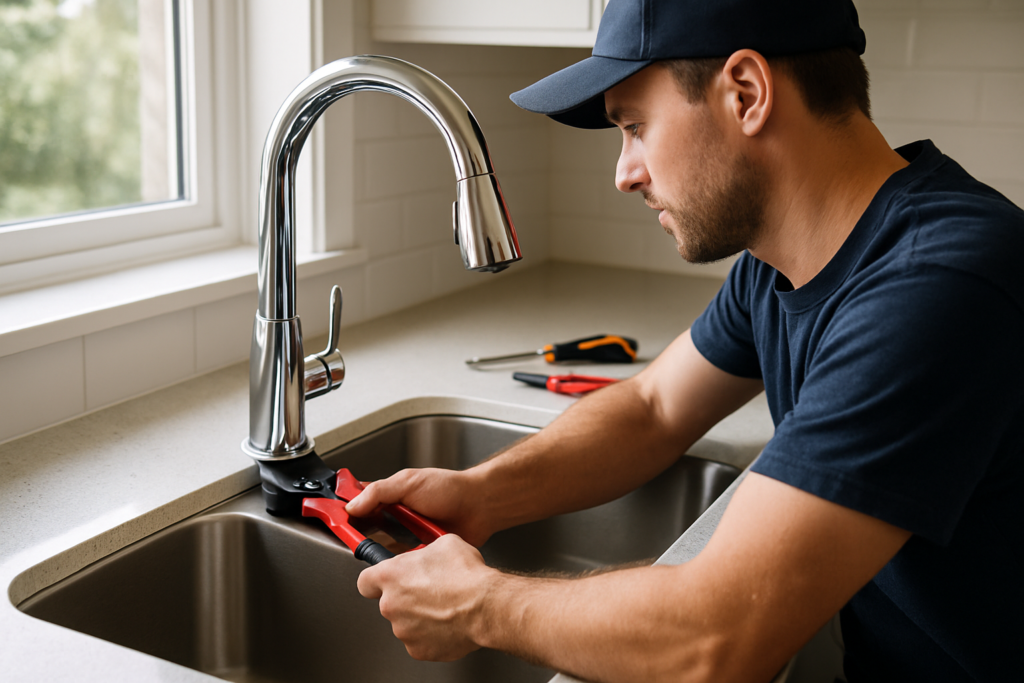
Begin by shutting off the water supply and draining the faucet. Use a wrench to loosen and remove the handle, exposing the inner components. Take care not to damage any surrounding fixtures during this process. Keeping track of screws and parts is essential for reassembly.
Replacing Faulty Parts
Once disassembled, examine washers, O-rings, and valve seats for signs of wear. Replace any damaged components with new ones matching their specifications. This step is vital for ensuring a proper seal and preventing future leaks.
Reassembly and Testing
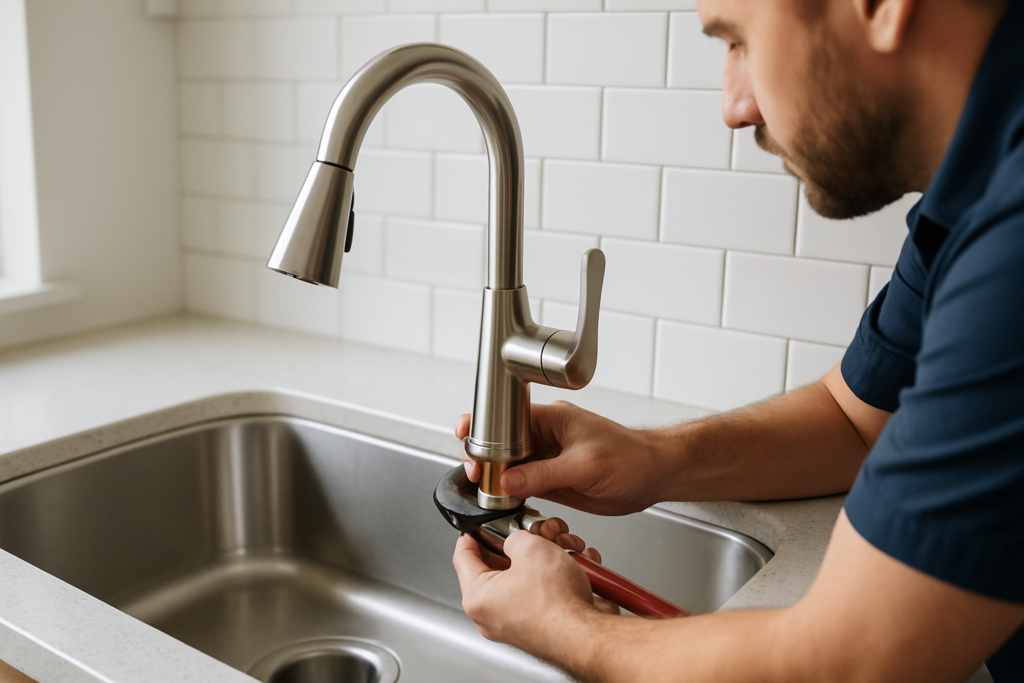
After replacing the necessary parts, reassemble the faucet carefully. Ensure all components are securely tightened, but avoid overtightening. Turn the water supply back on and test the faucet to check for leaks, making adjustments as necessary.
💡 Label each part during disassembly to simplify the reassembly process.
💡 Use plumber’s grease on O-rings to ensure a good seal and smooth operation.
💡 After fixing the faucet, monitor it for a few days to ensure no further leaks develop.
EXPERT TIPS Pro Advice
Regular Maintenance is Key
Performing regular checks on your faucet can help identify wear before it leads to leaks, saving time and money in the long run.
Use the Right Tools
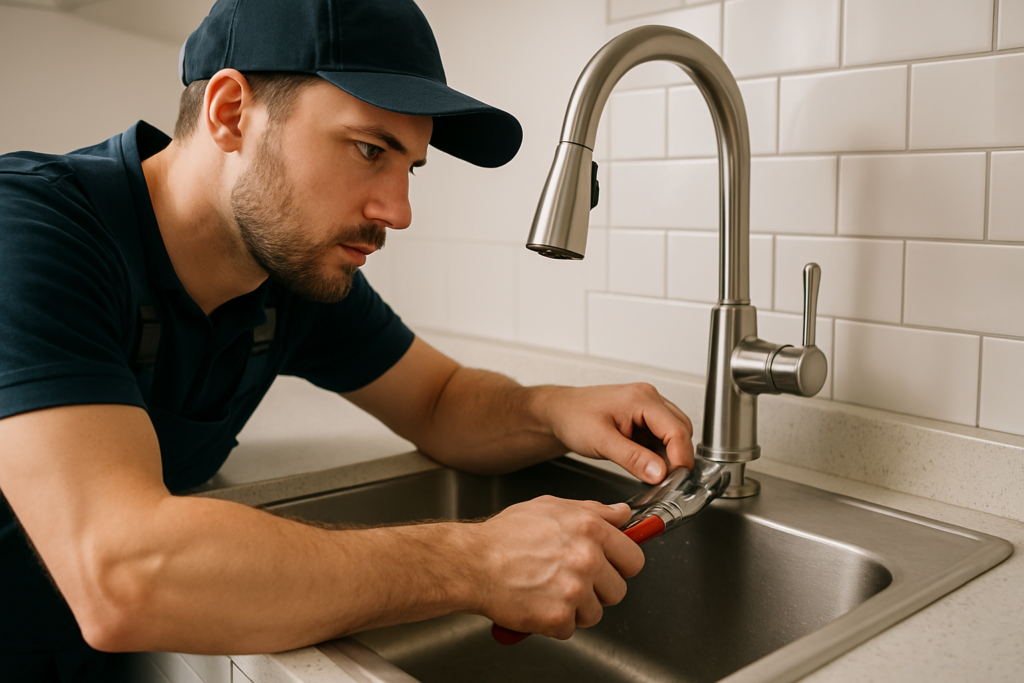
Having the correct tools on hand, including a basin wrench and pliers, can make the repair process smoother and reduce the risk of damage.
Know When to Call a Professional
If the problem persists after attempting repairs, it may indicate a more complex issue. Consulting a plumber can prevent further damage.
Keep an Eye on Water Pressure
High water pressure can exacerbate faucet leaks. Consider using a pressure gauge to ensure your home’s water pressure is within a safe range.
Familiarize Yourself with Your Faucet Type
Understanding the specific type of faucet you have can help streamline the repair process, as different types have unique components and assembly methods.
Frequently Asked Questions
Conclusion
Fixing a leaky kitchen faucet can be a straightforward process if you identify the cause and have the right tools. Common causes include worn washers or O-rings, and most repairs can be done by homeowners. If problems persist, consulting a plumber may be necessary.
🎯 Key Takeaways:
- Identify the faucet type for effective repairs.
- Common causes include worn washers and O-rings.
- DIY repairs are possible with basic tools.
- Persistent leaks may require professional help.
Expert Advice: Always turn off the water supply before starting any repairs, and take your time to ensure all components are properly installed. A well-done repair can save you time and money in the long run.
If you’re facing a leaky faucet, start by troubleshooting the issue today to prevent further damage.