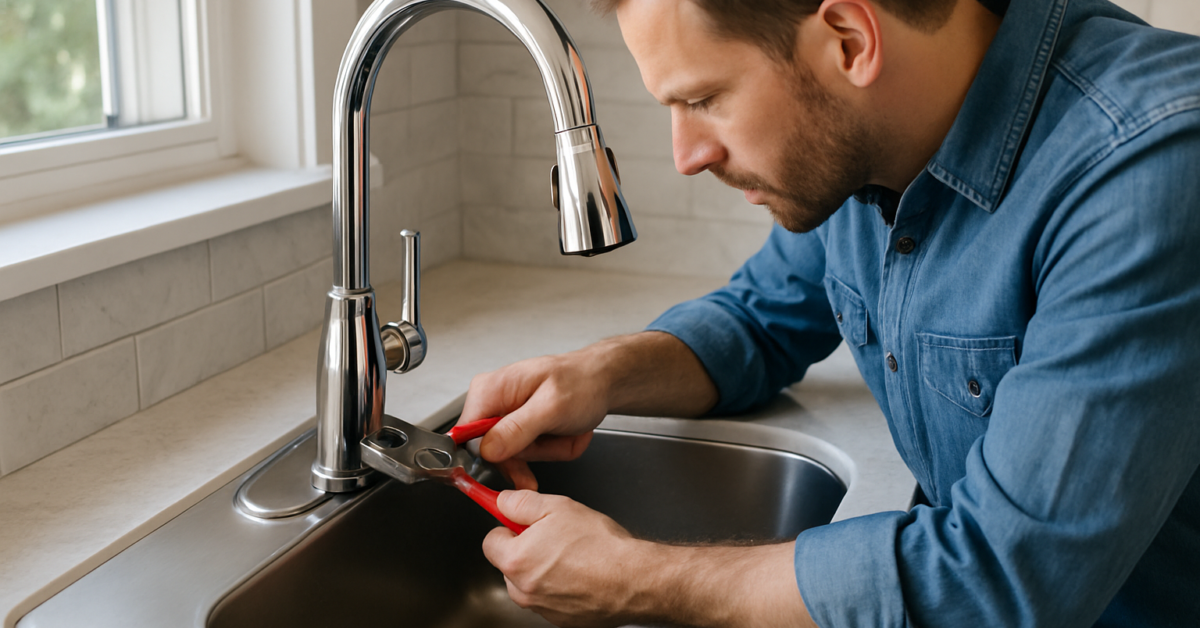
How to Change Out a Kitchen Faucet: A Complete Guide
Are you tired of a leaky or outdated kitchen faucet? Knowing how to change out a kitchen faucet can save you time and money while enhancing your kitchen’s functionality. Many homeowners feel intimidated by plumbing projects, but with the right guidance, this task can be straightforward and rewarding. In this article, we will share expert tips and a step-by-step process to help you successfully replace your kitchen faucet. You’ll learn about the necessary tools, preparation steps, and common pitfalls to avoid. Whether you’re a seasoned DIYer or a novice looking to improve your home, this guide will empower you to tackle your faucet replacement with confidence.
Understanding the Basics of Kitchen Faucets
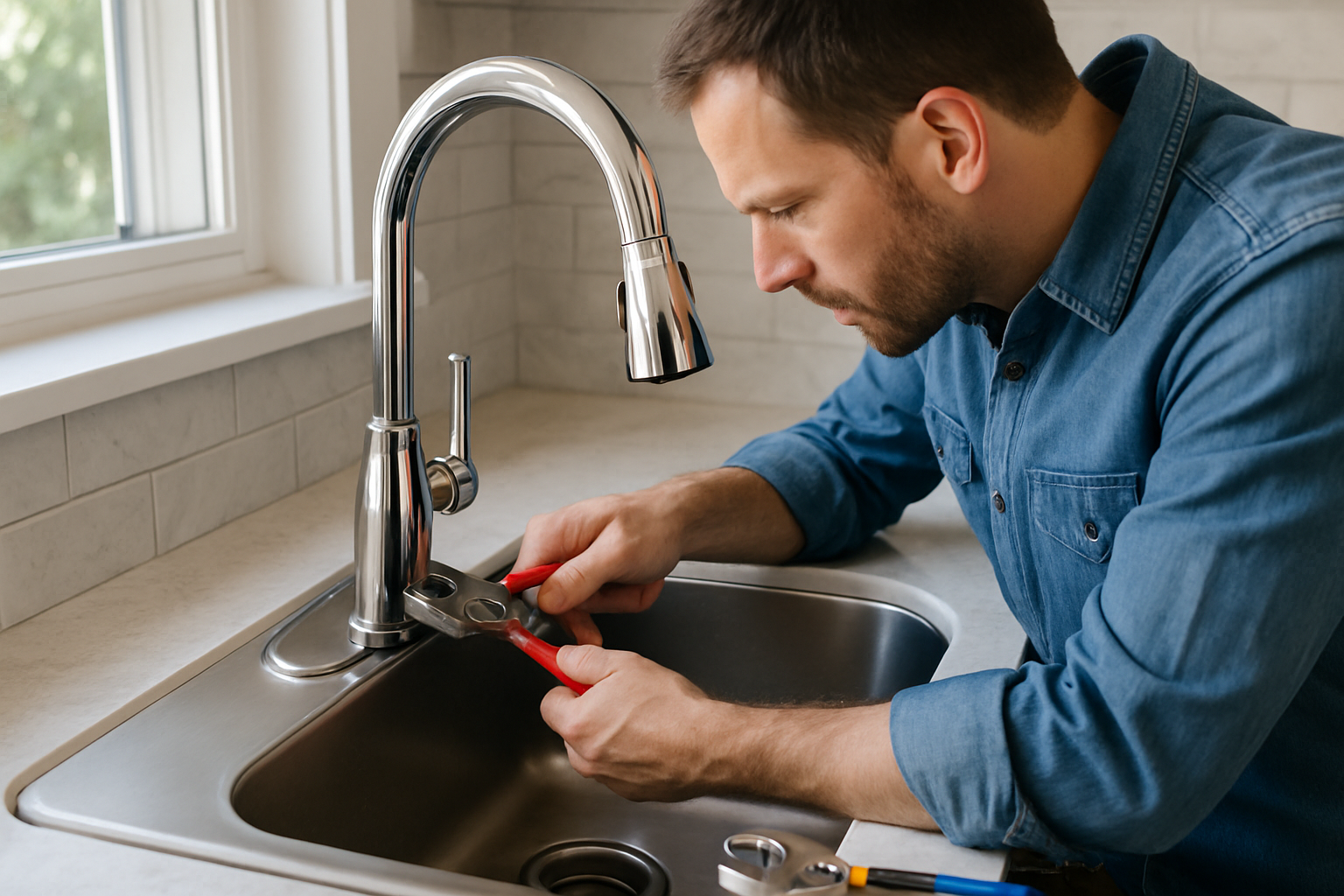
Changing out a kitchen faucet is a fundamental home improvement task that can enhance both functionality and aesthetics. Before diving into the replacement process, it’s crucial to understand the different types of kitchen faucets available, including single-handle, double-handle, pull-down, and pull-out models. Each type has its own unique installation requirements and features. Knowing the specific type you wish to install will inform your approach and ensure compatibility with your existing plumbing. Additionally, familiarize yourself with common faucet components such as the spout, handle, and valve. This foundational knowledge will provide clarity as you navigate the replacement process.
Types of Kitchen Faucets
Kitchen faucets come in various types, each suited for different needs. Single-handle faucets offer ease of use with temperature control through one lever, while double-handle models provide a more traditional experience with separate controls for hot and cold water. Pull-down faucets feature a retractable spray head for enhanced versatility, making them ideal for rinsing dishes and cleaning the sink. Understanding these options will help you choose the right faucet that fits your kitchen style and functional requirements.
Common Faucet Components
To effectively change out a kitchen faucet, it’s essential to know the main components involved. The spout directs water flow, while the handle controls temperature and pressure. The valve is the internal mechanism that regulates water flow and is crucial for preventing leaks. Familiarizing yourself with these components will aid in understanding how to disassemble and reassemble the faucet during the replacement process, ensuring a smooth installation.
Key Points:
- Know the types of kitchen faucets to choose the right one
- Understanding faucet components aids in the replacement process
Preparation Steps for Replacing a Kitchen Faucet
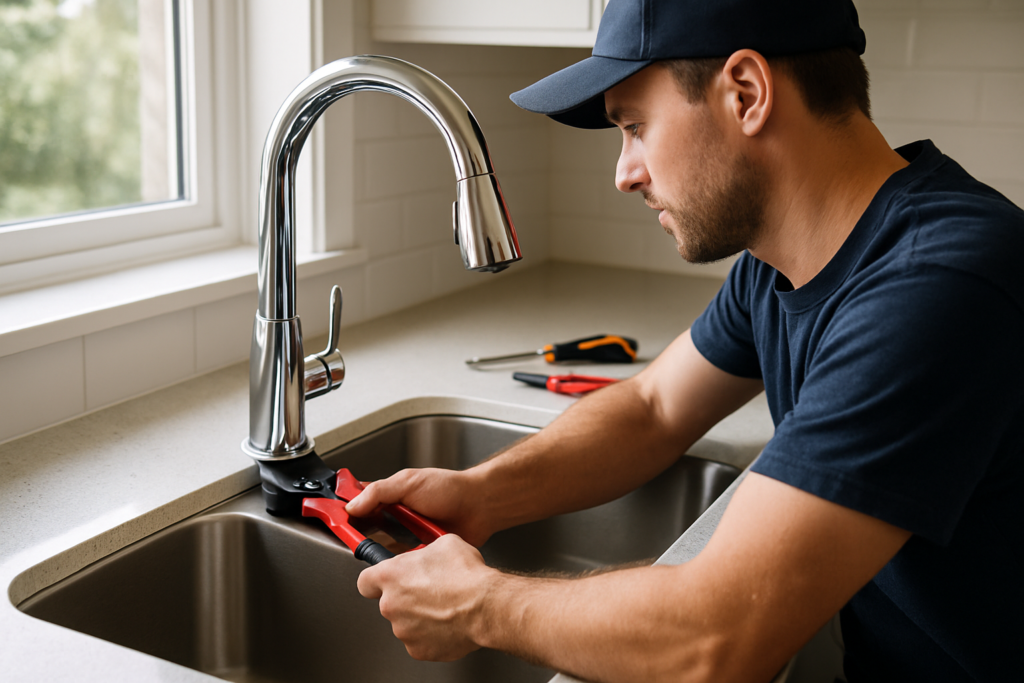
Before changing out a kitchen faucet, thorough preparation is essential to ensure a smooth and efficient process. Start by gathering the necessary tools, including a basin wrench, adjustable wrench, and plumber’s tape. Having these tools on hand will minimize interruptions during the installation. Next, clear the area under the sink to allow easy access to the plumbing connections. This will enable you to work comfortably and efficiently without obstructions. Additionally, turning off the water supply is a critical step to prevent any leaks or water damage during the replacement.
Gather Your Tools
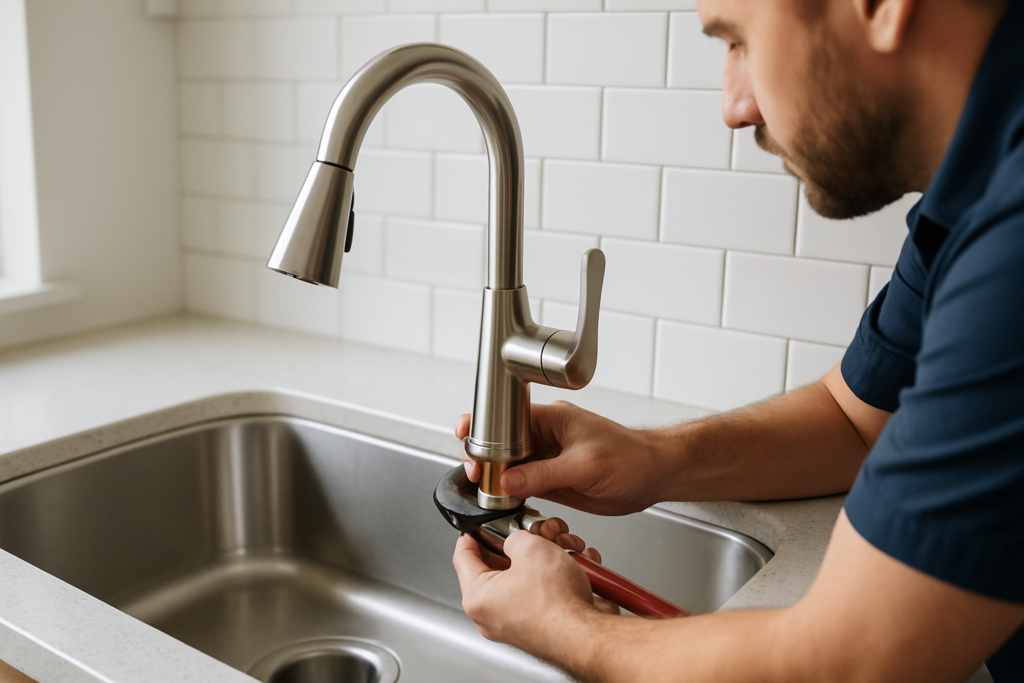
Having the right tools for the job can make a significant difference when changing out a kitchen faucet. Essential tools include a basin wrench for accessing hard-to-reach nuts, an adjustable wrench for loosening plumbing connections, and plumber’s tape for ensuring a watertight seal. By preparing your tools in advance, you can avoid delays and frustration during the installation process.
Clear the Area Under the Sink
An organized workspace is vital for a successful faucet replacement. Clear out any items stored under the sink to create enough room for maneuvering. This not only allows you to access plumbing connections easily but also prevents accidents and damage to your belongings. A tidy workspace will help you focus more on the task at hand.
Turn Off the Water Supply
Before beginning any plumbing work, ensure that the water supply to the faucet is turned off. Locate the shut-off valves under the sink and turn them clockwise until they are fully closed. This step is crucial to avoid any potential leaks or flooding while you work on removing the old faucet and installing the new one.
Key Points:
- Gathering tools prevents work interruptions
- Clearing space enhances efficiency during installation
Preparation for Changing a Kitchen Faucet
Changing out a kitchen faucet begins with proper preparation to ensure a smooth process. Start by gathering your tools, which typically include an adjustable wrench, basin wrench, and plumber’s tape. Before you begin, turn off the water supply to prevent any leaks or spills during the installation. It’s also wise to clear the area under the sink to provide ample workspace. Consider placing a bucket underneath to catch any residual water from the pipes. Lastly, check the new faucet’s requirements, ensuring you have the right fittings and adapters for your plumbing setup.
Gathering Necessary Tools
Before starting the faucet replacement, gather all necessary tools. Common tools include an adjustable wrench for loosening and tightening fittings, a basin wrench for hard-to-reach nuts, and plumber’s tape to ensure a watertight seal. Having these tools on hand will reduce interruptions during the installation process.
Shutting Off Water Supply
Locate the water supply valves under the sink and turn them off. This step is crucial to prevent water from leaking when you disconnect the old faucet. If there are no local shut-off valves, you may need to turn off the main water supply to your home. Always check that the water is off by turning on the faucet before proceeding.
Key Points:
- Preparation is key to a successful faucet change.
- Turning off the water supply prevents leaks and water damage.
💡 Label your connections: Use masking tape to label the hot and cold water lines to avoid confusion during reassembly.
💡 Take photos: Document the existing setup before disassembly to serve as a reference for reinstallation.
Installing the New Faucet
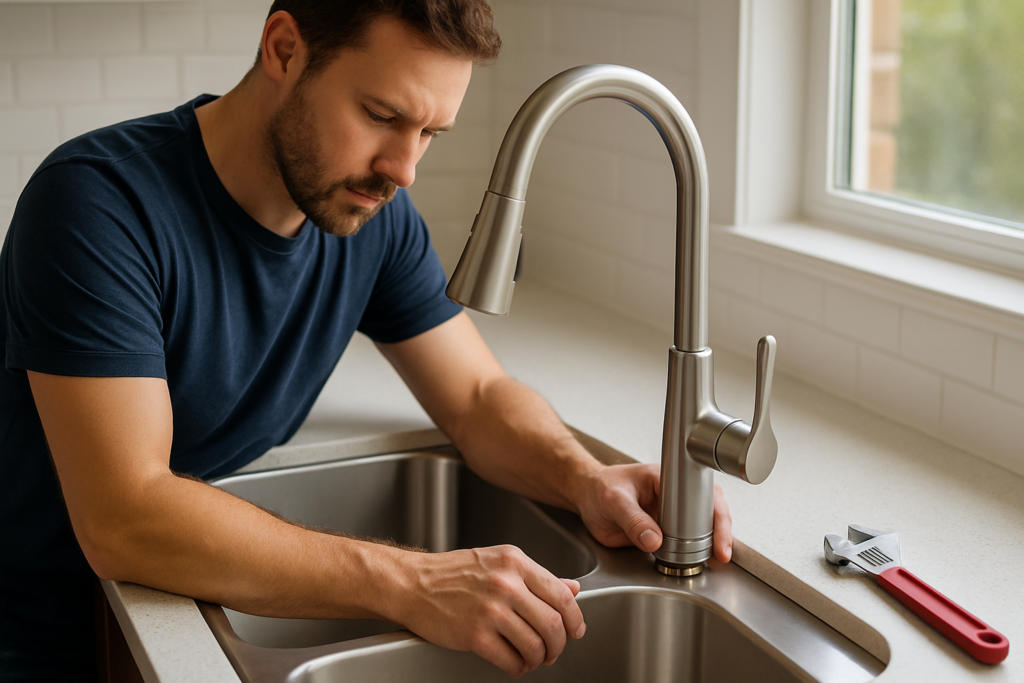
Once the old faucet is removed and the area is prepped, it’s time to install the new faucet. Begin by following the manufacturer’s instructions for your specific model, as installation steps can vary. Generally, you will need to position the faucet into the sinkhole and secure it with mounting hardware. Once the faucet is in place, connect the water supply lines to the corresponding hot and cold inlets. Use plumber’s tape on threaded connections to ensure a watertight seal. Finally, turn on the water supply and check for leaks, tightening connections as necessary.
Positioning the New Faucet
Carefully align the new faucet with the sink’s mounting holes. Ensure that the faucet is straight before securing it with the provided mounting hardware. This step is crucial for both aesthetics and functionality. A misaligned faucet can lead to difficulties during use and potential leaks.
Connecting Water Supply Lines
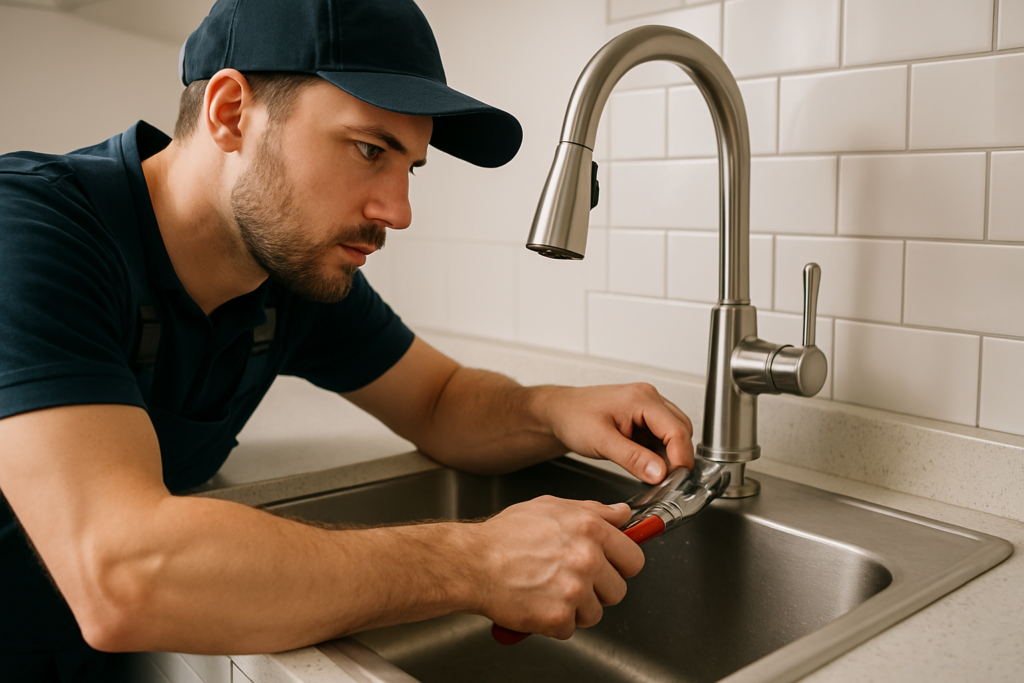
Attach the hot and cold water supply lines to the respective inlets on the new faucet. Use plumber’s tape to wrap the threads of each connection to prevent leaks. Hand-tighten the connections first, then use an adjustable wrench to secure them further without over-tightening, which could damage the fittings.
Key Points:
- Follow manufacturer instructions closely for optimal results.
- Proper connection of water supply lines is essential to prevent leaks.
💡 Test for leaks: After installation, run the faucet for a few minutes and check all connections for leaks.
💡 Use a level: Ensure the faucet is perfectly horizontal with a level tool before securing it completely.
EXPERT TIPS Pro Advice
Use a towel to catch drips
Placing a towel under the sink can help catch any water drips during the disassembly and installation process, keeping your workspace clean and reducing the risk of slips.
Check local plumbing codes
Before starting your project, familiarize yourself with local plumbing codes to ensure compliance and avoid issues during inspections.
Consider water pressure
Evaluate your home’s water pressure to ensure your new faucet is compatible. High pressure can lead to leaks, while low pressure may affect performance.
Plan for disposal
Have a plan for disposing of the old faucet. Many local waste management services have specific guidelines for disposing of plumbing fixtures.
Practice safety first
Always wear protective gear such as gloves and safety goggles when working with plumbing to safeguard against sharp tools and debris.
Frequently Asked Questions
Conclusion
Changing out a kitchen faucet is a manageable DIY task that can enhance both functionality and aesthetics. By gathering the right tools, turning off the water supply, and following installation steps carefully, you can ensure a successful replacement. Remember to check for leaks and fit to ensure optimal performance.
🎯 Key Takeaways:
- Gather essential tools before starting the installation.
- Always turn off the water supply to prevent leaks.
- Installation can usually be done without professional help.
- Check connections for leaks after installation.
- Measure sink holes to ensure the new faucet fits.
Expert Advice: Take your time during the installation process and don’t hesitate to consult online resources or guides for additional support. A careful approach will lead to a successful outcome and a refreshed kitchen space.
Ready to upgrade your kitchen? Gather your tools and take the first step towards changing your faucet today!