Have you ever faced the frustrating situation of a clogged kitchen sink? A blockage can disrupt your cooking and cleaning routines, leading to unnecessary stress. Understanding how to unclog a kitchen sink is essential for any homeowner. With over 15 years of experience in home maintenance solutions, I am here to guide you through effective techniques that can save you time and money. In this article, you will learn practical methods to tackle clogs, from simple DIY approaches to preventative measures that can keep your sink flowing freely. Say goodbye to plumbing woes and hello to a smoothly functioning kitchen sink!
Understanding Common Causes of Kitchen Sink Clogs
Before addressing how to unclog a kitchen sink, it’s essential to understand what typically causes these blockages. Common culprits include food debris, grease buildup, and foreign objects. Regular maintenance can prevent these issues, but knowing their origins helps you tackle the problem effectively when it arises. In most cases, clogs occur in the drain pipes or trap, which can be accessed for cleaning or clearing. Identifying the type of clog can help in choosing the right method for removal.
Food Debris Accumulation
Food particles can accumulate over time, especially if they are not disposed of properly. Small bits can build up around the drain, creating a blockage that prevents water from flowing freely. Regularly scraping plates into the trash before washing can minimize this issue.
Grease and Oil Buildup
Pouring grease or oil down the sink is a common mistake. As these substances cool, they solidify and adhere to the inner walls of pipes, leading to clogs. To avoid this, always allow grease to cool and dispose of it in the trash.
Foreign Objects in the Drain
Sometimes, foreign objects like small utensils or packaging can inadvertently fall into the sink. These objects can obstruct the flow of water and require removal. Being cautious and using sink strainers can help prevent this from happening.
Key Points:
- Understanding causes helps in prevention
- Regular maintenance can minimize clogs
💡 Regularly clean the sink to prevent buildup
💡 Avoid pouring grease down the drain
💡 Use a strainer to catch food particles
Initial Steps to Assess and Unclog Your Kitchen Sink
When faced with a clogged kitchen sink, the first step is to assess the situation. Determine whether the blockage is minor or severe by checking if water is draining slowly or not at all. Start by removing any visible debris from the drain. If the problem persists, you may need to explore further solutions, such as using basic tools or natural remedies. Knowing how to approach the situation will save time and effort in resolving the clog efficiently.
Visual Inspection
Begin by visually inspecting the sink and drain. Remove any visible debris from the surface and around the drain. Check for standing water, which indicates a clog. This initial assessment can guide your next steps in unclogging the sink.
Using a Plunger
A plunger can be an effective tool for minor clogs. Ensure there is enough water in the sink to cover the plunger’s cup, then create a tight seal and plunge vigorously. This can help dislodge the blockage and restore normal flow.
Trying Natural Remedies
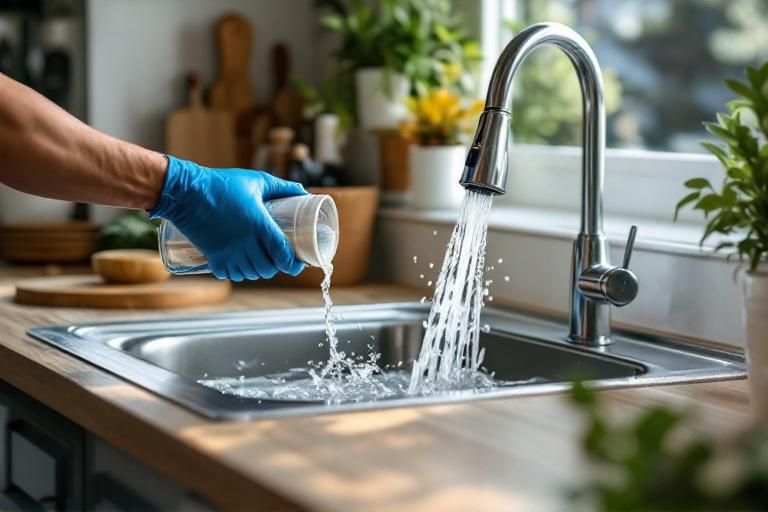
For a more gentle approach, consider using natural remedies like a mixture of baking soda and vinegar. Pour baking soda down the drain, followed by vinegar. Allow it to sit for about 15 minutes to break down buildup before flushing with hot water.
Key Points:
- Assess the clog severity before taking action
- Natural remedies can be effective and safer
💡 Always start with a visual inspection
💡 Keep a plunger handy for emergencies
💡 Consider natural remedies before harsh chemicals
Understanding Common Causes of Kitchen Sink Clogs
Clogs in kitchen sinks are often caused by a combination of food debris, grease, and soap buildup. Understanding these causes helps in prevention and effective unclogging. Food particles, especially starchy foods like pasta and potatoes, can easily accumulate in pipes. Grease, which solidifies over time, is another significant contributor, as it binds with food waste to create blockages. Soap scum can also build up in the pipes, particularly if you use bar soap. Knowing these culprits allows you to avoid common mistakes that lead to clogs.
Food Debris and Its Impact
Food debris is one of the primary causes of clogs. When food is washed down the sink, larger particles can get stuck in the drain. Over time, these particles can accumulate and restrict water flow. To reduce this risk, scrape plates into the trash before rinsing them. Regularly using a drain strainer can also help catch food particles before they enter the plumbing system.
The Role of Grease in Clogging
Grease from cooking can solidify in your pipes, especially in colder temperatures. When grease is washed down the sink, it can cling to the inner walls of pipes, trapping food particles and forming a blockage. To prevent this, dispose of cooking grease in a container instead of pouring it down the sink, and consider using hot water with soap to dissolve minor grease buildups regularly.
Soap Scum Accumulation
Soap scum can form when soap mixes with minerals in water, leading to a sticky residue that can clog pipes over time. To prevent soap scum buildup, consider using liquid soap instead of bar soap, as liquid soaps tend to leave less residue. Regularly flushing your drains with hot water can also help to eliminate any soap remnants.
Key Points:
- Food debris, grease, and soap scum are common clog culprits.
- Preventing clogs starts with understanding how they form.
💡 Always scrape food debris into the trash before rinsing.
💡 Use a drain strainer to catch food particles.
💡 Dispose of grease in a container, not the sink.
Effective Techniques for Unclogging a Kitchen Sink
When faced with a clogged kitchen sink, there are several effective techniques you can employ. These methods range from simple home remedies to more advanced plumbing techniques. One common method is using a plunger, which creates pressure to dislodge the blockage. Alternatively, baking soda and vinegar can effectively break down minor clogs through a chemical reaction. For more severe clogs, disassembling the trap under the sink may be necessary. Understanding these methods will empower you to tackle clogs effectively.
Using a Plunger
A plunger is a simple yet powerful tool for unclogging sinks. To use it effectively, ensure there is enough water in the sink to cover the plunger’s cup. Position the plunger over the drain, creating a tight seal, and push down firmly, then pull up sharply to create suction. Repeat this several times to dislodge any blockage. This method works best for clogs caused by food debris.
Chemical Reactions with Baking Soda and Vinegar
For a more natural unclogging solution, combine baking soda and vinegar. Pour about half a cup of baking soda down the drain, followed by half a cup of vinegar. Allow the mixture to sit for about 15 minutes, during which a chemical reaction will occur, breaking down grease and debris. Finally, flush the drain with hot water to clear any remaining residue.
Disassembling the Trap
If basic methods fail, you may need to disassemble the trap under the sink. Start by placing a bucket underneath to catch any water. Loosen the slip nuts to remove the trap, and clear any debris inside. Reassemble the trap carefully and run water to check for leaks and ensure proper drainage. This method is effective for more stubborn clogs.
Key Points:
- Plungers and natural solutions are effective for minor clogs.
- Disassembling the trap may be necessary for severe clogs.
💡 Make sure to use a plunger with a tight seal for better results.
💡 Let the baking soda and vinegar sit to maximize effectiveness.
💡 Always have a bucket on hand before disassembling the trap.
EXPERT TIPS Pro Advice
Regular Maintenance is Key
Perform routine maintenance by flushing your drains with hot water weekly. This simple practice can help prevent grease and soap buildup, keeping your pipes clear.
Know When to Call a Professional
If you’ve tried multiple methods without success, it’s time to call a plumber. Persistent clogs may indicate more serious plumbing issues that need professional attention.
Use Heat Cautiously
While hot water can help dissolve clogs, avoid boiling water in PVC pipes, as it can cause them to warp or crack. Always check your plumbing material first.
Be Mindful of What Goes Down the Sink
Educate your household on what should not be discarded in the sink, such as oils, fibrous foods, and non-food items. Prevention is always better than cure.
Keep a Drain Strainer Handy
Using a drain strainer can significantly reduce the risk of clogs by catching debris before it enters your plumbing system. It’s an easy and effective preventative measure.
Frequently Asked Questions
Conclusion
Unclogging a kitchen sink can often be a straightforward process using common household methods such as baking soda and vinegar or a plunger. Preventative measures, like using strainers and avoiding grease disposal, can significantly reduce clogging. For persistent issues, consulting a plumber is advisable.
🎯 Key Takeaways:
- Common causes of kitchen sink clogs include food and grease buildup.
- Prevent clogs by disposing of food scraps properly.
- Baking soda and vinegar can effectively clear minor blockages.
- A plunger is a handy tool for tackling sink clogs.
Expert Advice: Stay proactive in maintaining your kitchen sink by incorporating simple habits to reduce clogs and regularly inspecting your plumbing. If issues arise, don’t hesitate to seek professional help for a thorough solution.
Try one of the DIY methods today, and keep your kitchen sink flowing smoothly!