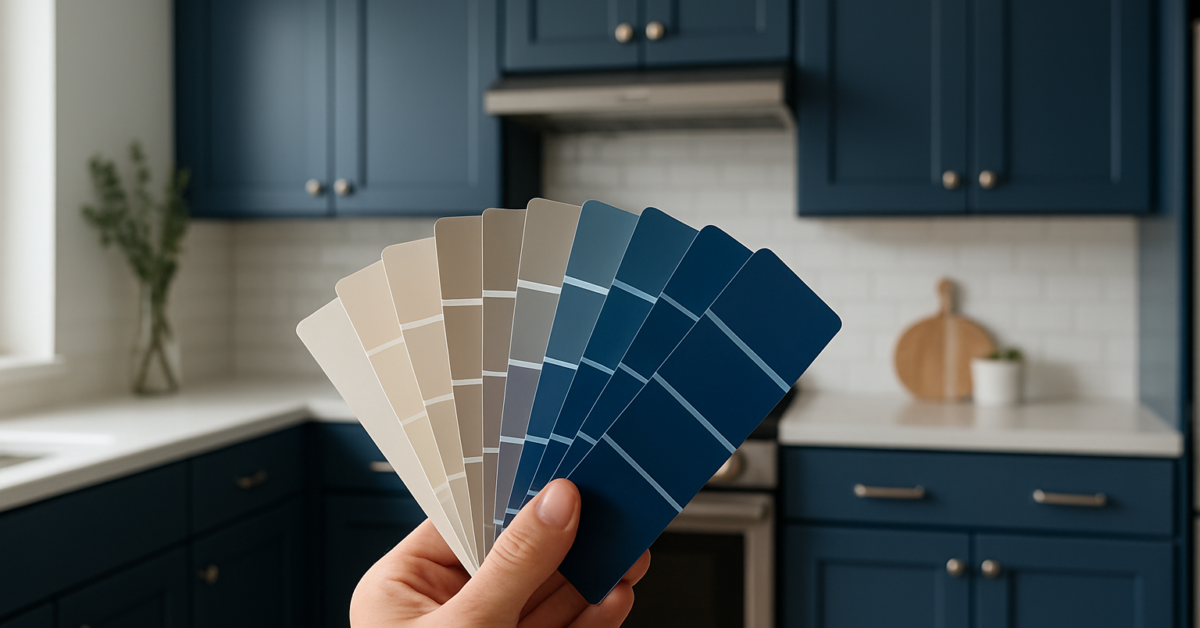
Are you renovating your kitchen and wondering what is a good color for kitchen cabinets? Choosing the right color can dramatically impact the look and feel of your space, influencing everything from lighting to mood. With over 15 years of experience in kitchen design and color psychology, I understand how overwhelming the options can be. In this article, we will delve into the best color choices for kitchen cabinets, considering factors like style, space, and personal preference. You’ll learn about trending colors, timeless classics, and how to create a cohesive look that enhances your kitchen’s functionality and aesthetics.
Understanding Color Psychology in Kitchen Design
The color of your kitchen cabinets plays a crucial role in the overall ambiance and functionality of the space. Colors not only affect the aesthetic appeal but also influence mood and behavior. For instance, warm colors like red and orange can stimulate appetite and conversation, making them popular choices for kitchens. Conversely, cool colors such as blue and green can create a calm and refreshing atmosphere. Choosing a color that resonates with your personal style while considering these psychological effects can lead to a more enjoyable cooking and dining experience.
Warm Colors and Their Impact
Warm colors, including reds, oranges, and yellows, can create an inviting and energetic environment. These shades are often associated with warmth and happiness, making them ideal for social spaces. When selecting warm colors for cabinets, consider pairing them with neutral tones to balance the vibrancy and avoid overwhelming the space.
Cool Colors for a Tranquil Space
Cool colors, such as blues, greens, and purples, promote relaxation and tranquility. They are ideal for creating a serene cooking environment. When using cool colors for kitchen cabinets, it’s important to incorporate warm accents to maintain a welcoming feel, ensuring the kitchen remains a social hub.
Key Points:
- Color affects mood and behavior in kitchens
- Warm colors stimulate energy, while cool colors promote calmness
Popular Color Trends for Kitchen Cabinets
Current trends in kitchen cabinet colors reflect a shift towards personalization and bold choices. Homeowners are increasingly moving away from traditional white and wood finishes, opting instead for more expressive colors. Shades like navy blue, forest green, and black are gaining popularity, offering a sophisticated touch while still being versatile. Additionally, two-tone cabinets, which combine different colors, are trending, allowing for creative expression and depth in design. Understanding these trends can help you select a color that not only fits your style but also adds value to your home.
Bold and Dark Colors
Dark colors like deep blues and blacks are becoming favorites for modern kitchens. These shades can create a dramatic contrast, especially when paired with lighter countertops or backsplash. They are also practical, as they tend to hide stains and scratches better than lighter colors, making them suitable for busy kitchens.
The Rise of Two-Tone Cabinets
Two-tone cabinet designs are increasingly popular, allowing homeowners to mix and match colors for a custom look. This trend can highlight specific areas of the kitchen, such as an island, while still maintaining a cohesive overall appearance. The key is to select complementary colors that enhance the kitchen’s design without clashing.
Key Points:
- Current trends favor bold and dark colors
- Two-tone cabinets allow for creative expression
Understanding Color Psychology in Kitchen Cabinets
Color psychology plays a significant role in determining the overall atmosphere of your kitchen. For cabinets, colors can evoke certain feelings and impact how the space is perceived. For instance, shades of blue often promote calmness and tranquility, making them a popular choice for a soothing kitchen environment. In contrast, vibrant colors like red can stimulate appetite and energy, which might be ideal for a lively cooking space. It’s essential to consider how each color influences mood and functionality in your kitchen.
The Impact of Light
Natural and artificial light can drastically alter how cabinet colors appear. Lighter shades tend to reflect more light, making smaller spaces feel larger and brighter. Darker colors, while they can add depth and richness, might make a space feel more enclosed. Be sure to test paint samples in various lighting conditions to see how they change throughout the day.
Color Combinations and Trends
Combining colors can create visual interest and depth. Popular combinations include pairing muted cabinet colors with bold countertops or backsplashes. Trends also suggest that two-tone cabinets, where upper and lower cabinets are different colors, can enhance aesthetics. Always consider the overall kitchen design to ensure a cohesive look.
Key Points:
- Color affects mood and perception in the kitchen.
- Lighting is crucial in determining how cabinet colors will look.
💡 Consider your kitchen’s size when choosing cabinet colors; lighter shades can help make a small kitchen feel more spacious.
💡 Test paint samples in your kitchen’s lighting before making a final decision to see how colors interact throughout the day.
Practical Considerations for Choosing Cabinet Colors
When selecting a color for kitchen cabinets, practicality should guide your decision as much as aesthetics. Durability, maintenance, and the color’s ability to hide stains or wear are vital factors. Lighter colors might show dirt more readily, while darker hues may require more frequent touch-ups. Choosing a finish that is easy to clean can also prolong the life of your cabinets and keep them looking fresh.
Durability and Maintenance
Durable finishes, like semi-gloss or satin, can withstand the rigors of daily kitchen use. These finishes are not only easier to clean but also resist chipping and fading. When choosing a color, consider how often the cabinets will be cleaned and the potential for stains from cooking or spills.
Resale Value Considerations
Choosing colors that appeal to a broad audience can be beneficial if you plan to sell your home. Neutral shades like white, gray, or beige tend to attract more buyers as they create a blank canvas for personal style. However, if you love bold colors, consider using them in accents rather than large surfaces.
Key Points:
- Durability and maintenance are key when selecting cabinet colors.
- Neutral colors can enhance resale value.
💡 Choose cabinet colors that complement your countertops and flooring for a harmonious look.
💡 If you’re unsure about bold colors, start with accent pieces before committing to larger areas.
EXPERT TIPS Pro Advice
Experiment with sample swatches
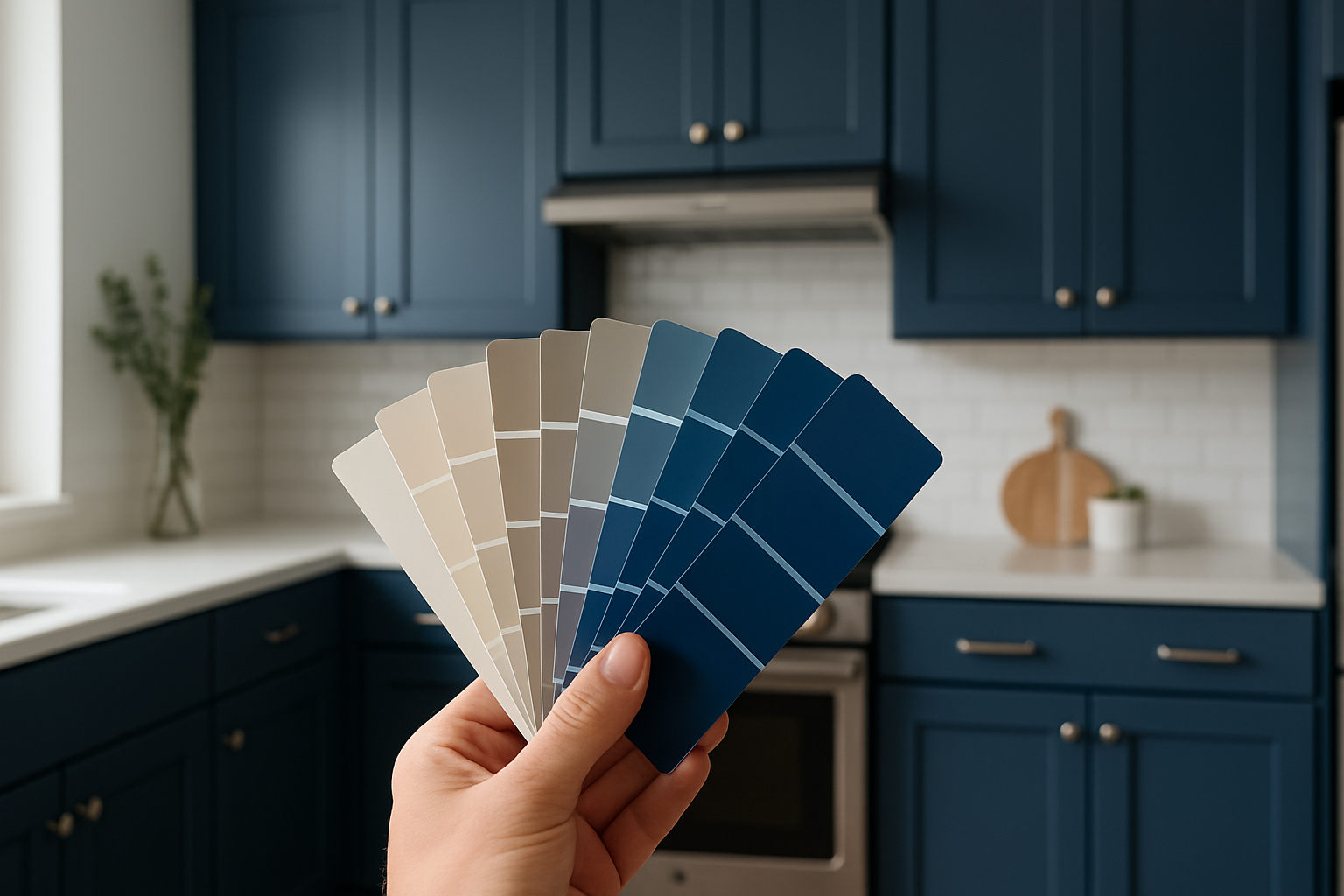
Always use sample swatches to visualize how colors will look in your space, considering both lighting and surroundings.
Think long-term
Choose a color that you love and can live with long-term, as changing cabinet colors frequently can be costly and time-consuming.
Consider the kitchen’s style
Ensure that the cabinet color aligns with the overall style of your kitchen, whether modern, rustic, or traditional.
Frequently Asked Questions
Conclusion
Choosing a good color for kitchen cabinets involves considering personal style, lighting, and existing decor. Popular options range from classic whites to bold darks, each offering unique aesthetic advantages. Always test colors in your specific kitchen environment to ensure satisfaction.
🎯 Key Takeaways:
- Consider your kitchen’s lighting and size when selecting colors.
- White and soft hues promote brightness and spaciousness.
- Dark colors can add sophistication if balanced with lighter elements.
- Timeless colors are preferable over fleeting trends.
- Farmhouse style benefits from muted, soft cabinet colors.
- Always test colors in your kitchen’s environment.
Expert Advice: Trust your instincts when choosing cabinet colors, as they should reflect your personal style and enhance your kitchen’s functionality. A well-thought-out color choice can elevate your kitchen’s overall look and feel.
Take time to explore different color options and visualize them in your kitchen space before making your final decision.