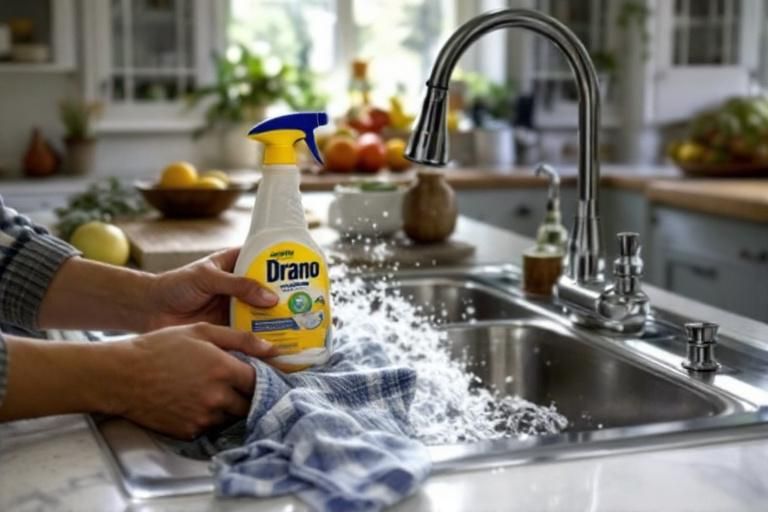
Have you ever wondered if you can use Drano in your kitchen sink with a garbage disposal? Many homeowners face clogged drains and turn to chemical solutions for quick fixes. However, using harsh chemicals like Drano can lead to serious plumbing problems, especially when a garbage disposal is involved. With over 15 years of experience in plumbing and home maintenance, we understand the intricacies of kitchen plumbing and how to handle clogs safely. In this article, we will explore the risks of using Drano in kitchen sinks with garbage disposals, present safe alternatives for unclogging your drains, and provide essential maintenance tips to keep your kitchen plumbing in top shape. Read on to find out how to effectively manage your kitchen sink clogs without damaging your garbage disposal.
Understanding Garbage Disposals and Drain Cleaners
Garbage disposals are common kitchen appliances that grind food waste into small particles, allowing them to be washed down the drain. However, they can sometimes become clogged, leading to slow drainage or complete blockages. Drain cleaners, such as those containing sodium hydroxide or sulfuric acid, are designed to dissolve clogs. The question arises: can you safely use these products in sinks equipped with garbage disposals? The answer is complex, as certain chemical cleaners can damage the components of the disposal, leading to costly repairs and potential hazards.
How Garbage Disposals Work
A garbage disposal features a motor that spins a grinding plate, which breaks down food waste into small pieces. Water flows through the disposal, flushing these particles into the plumbing system. It’s important to remember that not all materials are suitable for disposal; fibrous or starchy foods can form clogs, while non-food items can cause serious damage.
Types of Drain Cleaners
Drain cleaners typically fall into three categories: enzymatic, chemical, and mechanical. Enzymatic drain cleaners use natural bacteria to digest organic waste, making them safe for disposals. Chemical cleaners rely on harsh substances to dissolve clogs but may harm the disposal’s blades and motor. Mechanical methods include plungers or drain snakes, which physically remove blockages without chemicals.
Key Points:
- Understanding how garbage disposals function is key to maintaining them
- Different types of drain cleaners have varying effects on disposals
Risks of Using Drain Cleaners with Garbage Disposals
While it may be tempting to reach for a drain cleaner when faced with a clog, there are significant risks involved, especially with garbage disposals. Many chemical cleaners can corrode metal parts, damage rubber seals, and even lead to leaks. Furthermore, the combination of chemicals can create harmful fumes, posing health risks if inhaled. Understanding these risks is crucial to making an informed decision about how to address a clog effectively.
Potential Damage to the Disposal
Chemical drain cleaners can cause severe damage to the internal components of a garbage disposal. Over time, exposure to harsh chemicals can corrode the grinding mechanism, leading to malfunction or complete failure. This could result in costly repairs or even the need for a full replacement.
Health and Safety Concerns
Using chemical drain cleaners can pose health risks, including respiratory issues and skin irritation. When mixed with water in a disposal, they can release toxic fumes. For those with respiratory conditions, this can be particularly dangerous, highlighting the need for safer alternatives.
Key Points:
- Chemical drain cleaners can damage garbage disposals over time
- Health risks associated with drain cleaners necessitate caution
Understanding the Risks of Using Drain Cleaners with Garbage Disposals
Using chemical drain cleaners like Drano in a kitchen sink equipped with a garbage disposal can pose several risks. These products contain caustic ingredients that can damage the disposal’s components and pipes. When these chemicals interact with organic waste, they may produce harmful fumes or even cause blockages to worsen. It’s crucial to understand the potential hazards before resorting to chemical solutions for clearing clogs.
Potential Damage to Plumbing
The harsh chemicals in drain cleaners can corrode pipes over time, especially if used frequently. This corrosion can lead to leaks or pipe failures, resulting in costly repairs. Moreover, garbage disposals are designed to handle organic matter, not powerful chemicals, which can disrupt their function and lead to breakdowns.
Health Risks Involved
Using drain cleaners can expose you to toxic fumes, especially in poorly ventilated areas. When mixed with organic waste, these chemicals can release harmful gases, posing serious health risks. Always prioritize safety by considering alternative methods of unclogging before using harsh chemicals.
Environmental Concerns
Chemical drain cleaners can have negative impacts on the environment. When washed down the sink, these substances can contaminate water systems and harm aquatic life. Choosing safer, eco-friendly solutions not only protects your plumbing but also contributes to environmental preservation.
Key Points:
- Chemical drain cleaners can damage plumbing and disposals.
- Health and environmental risks make chemical solutions less desirable.
💡 Consider using natural alternatives for clogs, like baking soda and vinegar, which are safer for both your sink and the environment.
💡 Always read the label of any drain cleaning product to understand its ingredients and potential hazards.
💡 Regularly maintain your garbage disposal with ice cubes and citrus peels to prevent clogs before they happen.
Effective Alternatives to Chemical Drain Cleaners
If you’re dealing with a clogged kitchen sink with a garbage disposal, several effective alternatives exist that won’t harm your plumbing. Mechanical methods combined with natural solutions can often clear blockages safely. Understanding and implementing these methods can save you from potential damage and health risks associated with chemical drain cleaners.
Mechanical Methods for Clog Removal
Using a plunger or plumber’s snake can often resolve clogs effectively. For a sink with a garbage disposal, first ensure the disposal is off, then use the plunger to create suction, which can dislodge the clog. A plumber’s snake can also reach deeper into the plumbing to break up stubborn blockages without the risks posed by chemicals.
Natural Cleaning Solutions
Baking soda and vinegar can work wonders on minor clogs. Pour half a cup of baking soda down the drain, followed by half a cup of vinegar. Allow it to fizz and sit for about 30 minutes, then flush with hot water. This method not only cleans your pipes but is also environmentally friendly.
Routine Maintenance Tips
Preventative care is key to avoiding clogs. Regularly run hot water down your sink after use, and avoid putting fibrous materials or oils down the disposal. Consider monthly maintenance using ice cubes and citrus peels to keep the disposal sharp and smelling fresh, preventing buildup and clogs.
💡 Implement a routine cleaning schedule to maintain your garbage disposal and prevent clogs.
💡 Use natural cleaning solutions regularly as a preventative measure against buildup.
💡 Avoid putting foods like potato skins and coffee grounds down the garbage disposal to reduce clog risk.
EXPERT TIPS Pro Advice
Always prioritize mechanical clearing methods.
Mechanical methods are safer and often more effective than chemical solutions, preserving the integrity of your plumbing.
Perform regular maintenance on your disposal.
Routine care, such as cleaning and avoiding certain foods, can significantly reduce the likelihood of clogs.
Educate yourself on what can and can’t go down the disposal.
Understanding the limits of your garbage disposal will prevent clogs and extend its lifespan.
Consider consulting a plumber for persistent issues.
If clogs persist despite your efforts, a professional can provide insights and solutions that ensure long-term plumbing health.
Frequently Asked Questions
Conclusion
Using Drano in a kitchen sink with garbage disposal is not advisable due to potential damage. Instead, consider safer alternatives like baking soda and vinegar. Regular maintenance and proper care are essential for a well-functioning disposal system, ensuring longevity and efficiency.
🎯 Key Takeaways:
- Avoid using Drano in disposal-equipped sinks.
- Use baking soda and vinegar for clogs.
- Boiling water can be effective for grease buildup.
- Monthly maintenance is crucial for disposals.
- Call a plumber for persistent clogs.
Expert Advice: Prioritize natural solutions for clearing clogs and maintain your garbage disposal regularly. This proactive approach will help avoid future issues and extend the lifespan of your plumbing system.
Take the time to learn about proper kitchen sink maintenance to ensure a smooth-functioning home.