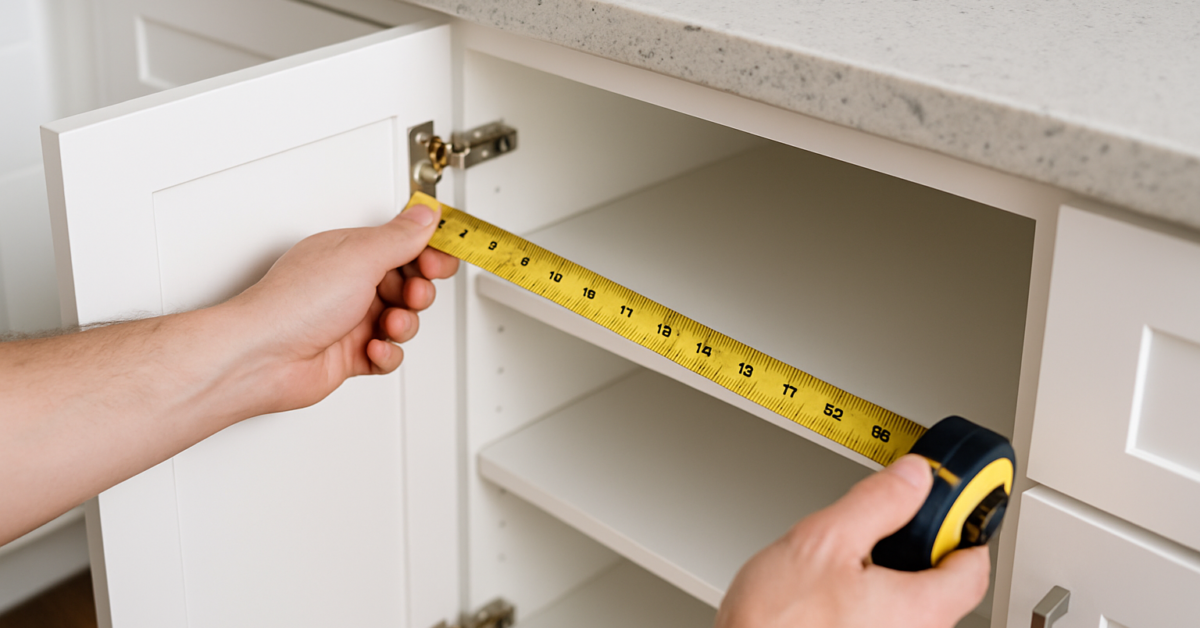
Have you ever wondered what is the depth of a standard kitchen cabinet and how it impacts your kitchen layout? Understanding cabinet dimensions is crucial for achieving a functional and aesthetically pleasing kitchen space. With years of experience in kitchen design and home improvement, we will delve into the typical depths of kitchen cabinets and their significance in maximizing storage and usability. In this article, you’ll learn about standard cabinet sizes, how to choose the right depth for your needs, and tips for optimizing your kitchen design to enhance both style and efficiency.
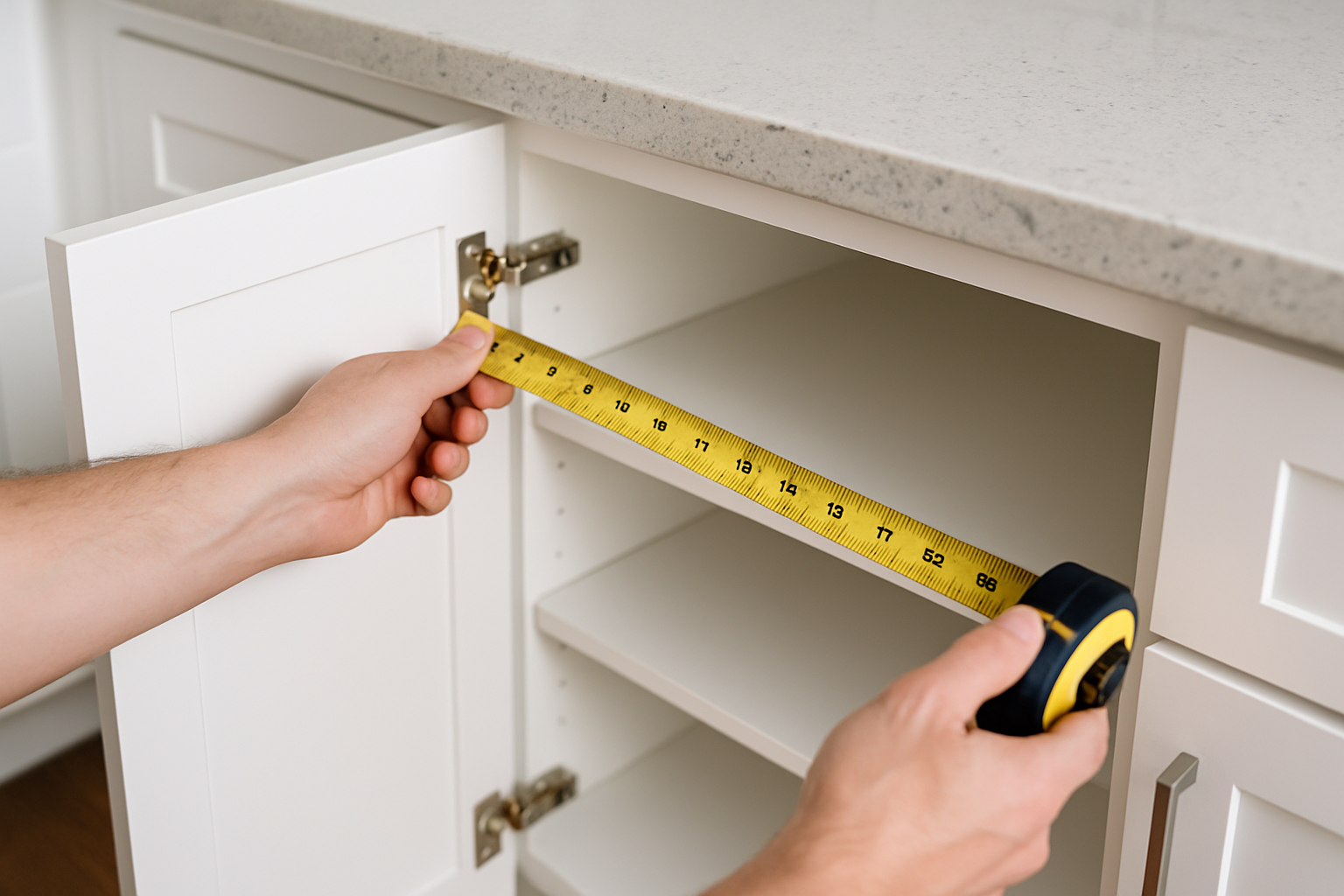
Understanding Kitchen Cabinet Dimensions
When considering kitchen design, understanding cabinet dimensions is crucial. The depth of a standard kitchen cabinet typically ranges from 24 to 30 inches, depending on the cabinet’s intended use. Standard wall cabinets are usually shallower, with depths around 12 to 15 inches. Knowing these dimensions helps in planning kitchen layouts and ensuring adequate space for appliances, countertops, and storage. Proper cabinet depth impacts functionality, accessibility, and aesthetics, making it a vital aspect of kitchen design.
Standard Depth for Base Cabinets
Base cabinets, which sit on the floor, generally have a depth of 24 inches. This depth accommodates standard countertop overhang and provides ample storage space for pots, pans, and other kitchen essentials. Choosing the correct depth for base cabinets is crucial for optimizing workspace and allowing for efficient movement within the kitchen.
Standard Depth for Wall Cabinets
Wall cabinets are designed to be mounted above countertops, and their depth typically ranges from 12 to 15 inches. This shallower depth allows for easier access to items while maximizing vertical storage. It’s important to consider the height of the wall cabinet to maintain a functional kitchen layout.
Factors Influencing Cabinet Depth
Several factors can influence the depth of kitchen cabinets, including kitchen size, layout, and the types of appliances used. For instance, kitchens with larger spaces may benefit from deeper cabinets for more storage, while smaller kitchens might require shallower options to prevent overcrowding. Assessing these factors can lead to a more efficient kitchen design.
Key Points:
- Base cabinets typically have a depth of 24 inches.
- Wall cabinets usually range from 12 to 15 inches in depth.
- Consider kitchen size and layout when choosing cabinet depth.
The Importance of Cabinet Depth in Kitchen Design
Choosing the correct cabinet depth is essential for both functionality and aesthetics in kitchen design. The depth of the cabinet affects not only storage capacity but also how easily you can access items. Deeper cabinets allow for storage of larger items but can make it difficult to reach items at the back. Conversely, shallower cabinets provide easier access but may compromise storage space. Balancing these factors according to your kitchen’s needs is key to a successful design.
Impact on Accessibility
Cabinet depth significantly influences accessibility. Deeper cabinets can lead to items being pushed to the back, making them hard to retrieve. Implementing features like pull-out shelves can mitigate this issue, ensuring that all stored items are easily reachable regardless of cabinet depth.
Influence on Aesthetic Balance
The depth of kitchen cabinets contributes to the overall aesthetic of the kitchen. Deep cabinets can create a more robust look, while shallower cabinets can lend a lighter, more open feel. It’s important to choose depths that complement the style and proportions of your kitchen space.
Integration with Appliances
Cabinet depth must also consider the appliances used in the kitchen. Standard appliances, like dishwashers and refrigerators, often have specific depth requirements. Ensuring that cabinets align with these appliances can create a seamless look and enhance overall kitchen functionality.
Key Points:
- Cabinet depth affects both storage and accessibility.
- Deeper cabinets may require pull-out shelves for ease of access.
- Consider appliance depth when planning cabinet dimensions.
Understanding Standard Kitchen Cabinet Depth
The standard depth of a kitchen cabinet varies based on its intended use. Typically, base cabinets are 24 inches deep, while wall cabinets generally range from 12 to 18 inches. This depth allows for efficient storage and accessibility, accommodating various kitchen appliances and tools. Custom cabinets can deviate from these standards based on design preferences and space constraints. Understanding these dimensions is crucial for achieving a functional kitchen layout that optimizes storage and workflow.
Base Cabinets
Base cabinets, which sit on the floor and support countertops, typically have a depth of 24 inches. This depth is designed to accommodate standard appliances like dishwashers and ovens while providing ample storage for pots, pans, and other kitchen essentials. When planning a kitchen, consider the space between the cabinet and the countertop to ensure ease of use.
Wall Cabinets
Wall cabinets are generally shallower than base cabinets, with depths ranging from 12 to 18 inches. This design allows them to be mounted above the countertop, providing storage without taking up valuable floor space. When designing your kitchen, the depth of wall cabinets can affect how accessible items are, especially for taller individuals.
Custom Cabinet Depths
Custom cabinets offer the flexibility to adjust depth based on personal needs and space limitations. Homeowners may opt for deeper cabinets to maximize storage or shallower ones for a sleeker look. However, it’s essential to maintain a balance between aesthetics and functionality, ensuring that all items stored are easily reachable.
Key Points:
- Base cabinets are typically 24 inches deep
- Wall cabinets usually range from 12 to 18 inches deep
💡 Measure your kitchen space before selecting cabinet depth to ensure fit
💡 Consider the types of items you will store when choosing cabinet depth
💡 Consult with a kitchen designer to optimize space utilization
Choosing the Right Cabinet Depth for Your Kitchen
Selecting the appropriate depth for kitchen cabinets involves assessing your cooking habits, kitchen layout, and available space. Understanding how different depths affect storage capacity and kitchen flow is vital for a practical design. Additionally, the depth of cabinets should align with the overall design aesthetic while remaining functional, ensuring easy access to stored items and appliances.
Impact on Storage
The depth of kitchen cabinets directly influences storage capacity. Deeper cabinets can house larger items or more items overall, while shallower cabinets are suited for smaller items. When planning your kitchen, consider what you frequently use and how you want to store it, balancing depth with accessibility.
Aesthetic Considerations
The visual impact of cabinet depth should not be overlooked. Deeper cabinets can create a more substantial appearance, while shallower cabinets may contribute to a lighter, airier feel. Consider how cabinet depth interacts with other design elements, such as countertops and appliances, to maintain a cohesive look.
Accessibility and Ergonomics
Accessibility is key when selecting cabinet depth. Ensure that all shelves and items within the cabinets are easily reachable. For deeper cabinets, consider pull-out shelves or organizers to enhance usability. Prioritize ergonomics to minimize strain when accessing frequently used items.
Key Points:
- Cabinet depth affects both storage capacity and kitchen flow
- Aesthetic choices should align with functional needs in cabinet design
💡 Evaluate your cooking style to determine the best depth for your needs
💡 Think about cabinet depth in relation to countertop height for better ergonomics
💡 Incorporate pull-out features for deeper cabinets to maximize accessibility
EXPERT TIPS Pro Advice
Prioritize functional layout
A well-planned layout enhances workflow in the kitchen. Ensure that cabinet depth complements the kitchen triangle concept for improved efficiency.
Consider future needs
Think about how your cooking habits might change over time. Choosing slightly deeper cabinets may accommodate future appliances or storage needs.
Use adjustable shelving
Install adjustable shelves to maximize storage flexibility in cabinets. This adaptability allows you to customize space based on changing needs.
Evaluate vertical space
In smaller kitchens, utilizing vertical space can compensate for limited depth. Tall cabinets can provide additional storage without needing deeper cabinets.
Consult with professionals
Engage with kitchen designers or contractors to ensure cabinet depth aligns with overall kitchen functionality and design aesthetics.
Frequently Asked Questions
Conclusion
Understanding the standard depths of kitchen cabinets is essential for effective kitchen design and functionality. Base cabinets usually measure 24 inches deep, while wall cabinets are typically 12 inches deep. Custom options may vary, but keeping these standards in mind can enhance your kitchen’s usability and appearance.
🎯 Key Takeaways:
- Base cabinets are standardly 24 inches deep.
- Wall cabinets typically have a depth of 12 inches.
- Depth impacts functionality and overall kitchen efficiency.
- Cabinet depth can vary for custom designs.
- Consider depth when planning kitchen layouts.
Expert Advice: When designing or remodeling your kitchen, prioritize cabinet depth to enhance functionality and maximize storage. Always measure your space and consider your needs to ensure a practical and aesthetically pleasing kitchen.
Explore your kitchen layout options and make informed decisions about cabinet depth to create the kitchen of your dreams.