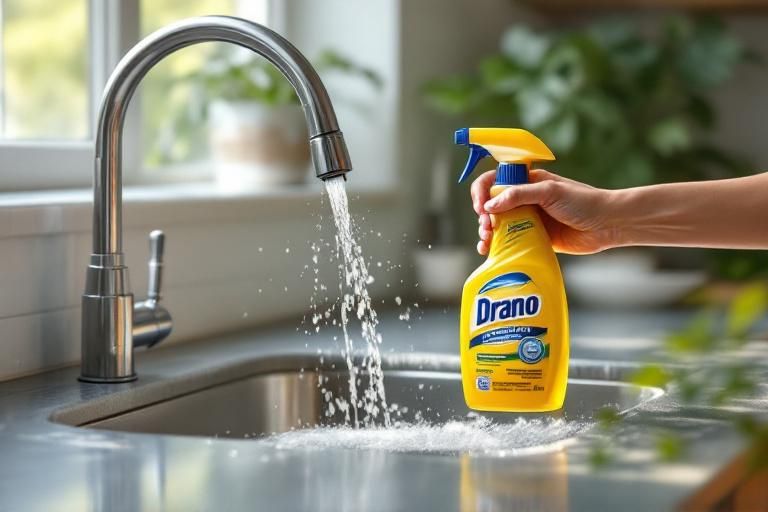
Are you struggling with a clogged kitchen sink? Many homeowners wonder, ‘can you use Drano on kitchen sink?’ While Drano is a popular choice for unclogging drains, it’s crucial to understand the potential risks involved. With over 15 years of experience in home maintenance and plumbing advice, I will guide you through the implications of using chemical drain cleaners on your kitchen sink. In this article, you’ll learn about effective alternatives, common mistakes to avoid, and strategies to maintain your sink without damage. By the end, you’ll be equipped with the knowledge to handle any clog safely and effectively.
Understanding Drain Cleaners and Their Uses
Drain cleaners, commonly known as chemical drain openers, are designed to dissolve clogs in plumbing systems. They work by using strong chemicals that can break down organic materials like hair, grease, and soap scum. While many people turn to these products for quick fixes, understanding their composition and application is crucial. Not all drain cleaners are suitable for every type of plumbing, and misuse can lead to more serious issues, including pipe damage or toxic fumes.
Types of Drain Cleaners
There are generally three types of drain cleaners: caustic, acidic, and enzymatic. Caustic cleaners use strong bases to dissolve clogs, while acidic cleaners employ acids to break down blockages. Enzymatic cleaners, on the other hand, use natural enzymes to digest organic matter over time. Knowing the type of cleaner can help you choose the right solution for your kitchen sink’s specific clog.
Common Causes of Kitchen Sink Clogs
Kitchen sinks often become clogged due to food particles, grease buildup, and soap residue. These materials can accumulate over time, causing slow drainage or complete blockages. Regular maintenance, such as using strainers and avoiding pouring grease down the drain, can help prevent these issues before they occur.
Key Points:
- Not all drain cleaners are suitable for every plumbing type.
- Understanding the cause of clogs can prevent future issues.
Can You Use Drain Cleaners on Kitchen Sinks?
Using drain cleaners like Drano on kitchen sinks may seem like a quick solution, but there are essential considerations to take into account. Kitchen sinks typically involve a mix of food waste and grease, which can react unpredictably with chemical cleaners. Moreover, the type of plumbing materials in your home can influence whether these products are safe to use. It’s crucial to consult the manufacturer’s guidelines and consider alternative methods for clearing clogs, especially for stubborn blockages.
Potential Dangers of Using Drain Cleaners
Chemical drain cleaners can be hazardous. They can produce toxic fumes and may cause burns if they come into contact with skin. Additionally, improper use can damage your pipes, particularly older or PVC plumbing. Always prioritize safety by wearing gloves and ensuring good ventilation if you choose to use these products.
Alternatives to Chemical Drain Cleaners
If you’re hesitant to use chemical drain cleaners, consider natural alternatives like baking soda and vinegar, which can also effectively break down clogs. These household items are safer for both your plumbing and the environment. Regularly flushing your drains with hot water can also help prevent buildup and keep your kitchen sink flowing smoothly.
Key Points:
- Chemical cleaners can be hazardous and may damage plumbing.
- Natural alternatives can be effective and safer for clogs.
Understanding Drain Clogs in Kitchen Sinks
Kitchen sinks often face clogs due to food particles, grease, and soap buildup. Understanding the types of clogs can help determine the best solution. Some clogs are minor and can be cleared with simple methods, while others may require stronger interventions. Using chemical cleaners like Drano can effectively break down tough blockages, but it’s crucial to consider the material of your pipes. Using harsh chemicals in older or damaged pipes can lead to further damage, making it essential to assess the situation before proceeding.
Types of Kitchen Sink Clogs
Common kitchen sink clogs include grease buildup, food debris, and soap scum. Grease can solidify in pipes, while food particles can create blockages, especially if they accumulate over time. Understanding the clog type can help you decide whether a chemical solution is necessary.
Assessing Pipe Material
Before using any chemical drain cleaner, identify the material of your pipes. PVC pipes are generally safe for chemical cleaners, while older metal pipes may corrode. If unsure, consult a plumber to avoid costly damages. Proper assessment can save you from potential plumbing disasters.
Key Points:
- Identify the type of clog for effective resolution.
- Check pipe materials to avoid damage from chemicals.
💡 Always wear gloves and protective eyewear when handling drain cleaners to prevent chemical burns.
Safe Use of Chemical Drain Cleaners
If you decide to use a chemical drain cleaner like Drano, it’s vital to follow safety guidelines to minimize risks. Start by reading the instructions on the label to understand the correct dosage and usage. Ensure the area is well-ventilated to avoid inhaling harmful fumes. Additionally, never mix different drain cleaners, as this can lead to dangerous reactions. After application, flush the drain thoroughly with water to clear any remaining chemicals, which prevents future clogs and protects your plumbing system.
Follow Instructions Carefully
Each chemical drain cleaner has specific instructions regarding dosage and application method. Adhering to these guidelines not only ensures effectiveness but also minimizes risks of damage to your plumbing system. Taking the time to read instructions can save you from costly repairs.
Ventilation and Safety Precautions
When using chemical cleaners, ensure the kitchen is well-ventilated by opening windows and using fans. This reduces inhalation risks of harmful fumes. Wearing gloves and protective eyewear is also essential to safeguard against potential chemical burns during application.
Key Points:
- Read and follow instructions for safe use.
- Ensure proper ventilation and safety gear during application.
💡 Flush the drain with plenty of water after using any chemical cleaner to prevent buildup.
EXPERT TIPS Pro Advice
Use natural alternatives when possible
Natural solutions like baking soda and vinegar can clear minor clogs without the risks associated with harsh chemicals. They are eco-friendly and safer for your plumbing.
Regular maintenance can prevent clogs
Perform regular maintenance like pouring hot water down the drain weekly to dissolve grease buildup. This proactive approach can reduce the frequency of clogs.
Consider professional help for persistent clogs
If clogs persist despite using drain cleaners, consider calling a plumber. They can provide effective solutions without risking damage to your plumbing system.
Frequently Asked Questions
Conclusion
Using Drano on a kitchen sink can be effective but comes with risks, especially for certain pipe materials. Always consider alternative methods first and take necessary precautions when using chemical drain cleaners. Understanding your plumbing system is crucial to avoid damage.
🎯 Key Takeaways:
- Check your pipe material before using Drano.
- Drano works by generating heat to dissolve clogs.
- Avoid using Drano in septic systems.
- Use mechanical methods first for slow drains.
- Always follow safety precautions when handling chemicals.
Expert Advice: Prioritize preventative measures for drain maintenance to reduce clogs. If you encounter persistent issues, consult a professional plumber for safe and effective solutions.
Take proactive steps to maintain your kitchen sink and explore natural drain cleaning alternatives!