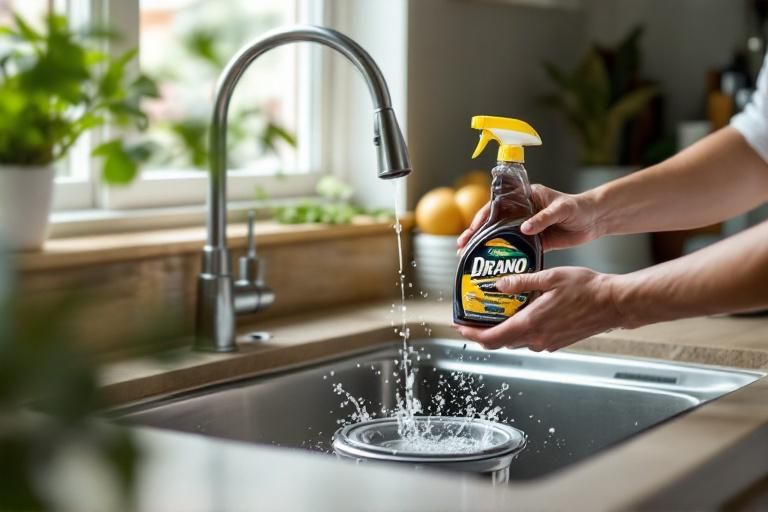
Are you facing a stubborn clog in your kitchen sink, and wondering if using Drano in your kitchen sink with a garbage disposal is a safe option? Many homeowners encounter this dilemma, as clogged sinks can disrupt daily routines and lead to costly plumbing repairs. With over 15 years of experience in plumbing solutions, I understand the importance of maintaining your kitchen’s plumbing system without causing damage. In this article, we will explore whether it’s safe to use Drano in sinks equipped with garbage disposals, discuss alternative methods for clearing clogs, and share expert tips for preventing future issues. Read on to learn how to effectively tackle those pesky kitchen sink clogs while ensuring your garbage disposal remains in optimal condition.
Understanding Garbage Disposals and Their Functionality
Garbage disposals are designed to grind food waste into small particles, allowing them to pass through plumbing without clogging. However, they are sensitive to certain chemicals and can be damaged by harsh substances. Understanding how these devices work is crucial when considering the use of chemical drain cleaners like Drano. Typically, garbage disposals are equipped with a grinding mechanism that can handle softer food items, but they can struggle with fibrous materials and hard objects. Knowing the limitations of your disposal can help you avoid potential issues.
Components of a Garbage Disposal
A garbage disposal comprises several key components, including the grinding chamber, motor, and drain connections. The grinding chamber contains sharp blades that pulverize food waste, while the motor drives these blades. Understanding these parts helps users appreciate the potential risks posed by chemical cleaners, which can corrode or damage these components.
Common Misconceptions About Garbage Disposals
Many people believe they can dispose of any food waste in a garbage disposal. However, items like grease, fibrous vegetables, and hard materials can cause clogs. Additionally, some users think that chemical cleaners can resolve any disposal-related issues, which is not true. Recognizing these misconceptions can prevent misuse and prolong the life of your disposal.
Key Points:
- Garbage disposals grind food waste to prevent clogs.
- Harsh chemicals can damage disposal components.
The Risks of Using Chemical Drain Cleaners with Garbage Disposals
Using chemical drain cleaners, like Drano, in a kitchen sink with a garbage disposal poses specific risks. These products often contain caustic ingredients that can corrode metal parts and damage the grinding mechanism. Moreover, if the clog persists, the accumulation of chemicals can lead to further complications. It is essential to weigh the potential hazards against the benefits when considering chemical solutions for disposal-related clogs. In many cases, physical methods of unclogging may be safer and more effective.
Chemical Composition and Its Effects
Many chemical drain cleaners contain sodium hydroxide or sulfuric acid, both of which can generate heat and react destructively with the metal parts of a garbage disposal. This reaction can lead to melting or warping of essential components. Understanding the chemical reactions involved can help users make informed decisions about unclogging methods.
Potential for Clog Compounding
Using a chemical drain cleaner in a garbage disposal can sometimes worsen the clog. If the cleaner does not dissolve the blockage, it may create a thicker sludge that further inhibits drainage. In such cases, the disposal may require professional intervention, making chemical cleaners an unsuitable first resort.
Key Points:
- Chemical drain cleaners can damage garbage disposals.
- Physical unclogging methods are often safer and more effective.
Understanding the Risks of Using Drano in Kitchen Sinks with Garbage Disposals
Using Drano or similar chemical drain cleaners in kitchen sinks equipped with garbage disposals can be risky. The potent chemicals in these products can react negatively with the disposal unit and pipes, leading to potential damage. Additionally, if the clog is due to a solid object or is deep within the plumbing, these cleaners may not effectively resolve the issue. Understanding these risks is crucial for maintaining both your sink and disposal unit.
Chemical Reactions and Damage
The chemicals in drain cleaners are designed to dissolve organic matter, but they can also corrode metal and plastic components within the disposal. This can lead to leaks or the complete failure of the unit. Furthermore, mixing different types of drain cleaners can create dangerous reactions that may release toxic fumes.
Ineffectiveness on Certain Clogs
Drano may not work effectively on clogs caused by non-organic materials such as food scraps or grease buildup in the disposal. In many cases, these clogs require mechanical methods for removal, making chemical cleaners a poor choice for resolving these issues.
Safety Hazards
Using chemical drain cleaners can pose safety hazards, including skin burns and respiratory issues. If the cleaner splashes while pouring, it can cause harm to skin or eyes. Always consider these risks before opting for chemical solutions.
Key Points:
- Chemical drain cleaners can cause damage to garbage disposals.
- Mechanical methods are often more effective for tough clogs.
💡 Avoid using chemical cleaners in disposals as they can corrode and damage internal components.
💡 If you suspect a clog, try using a plunger or a plumber’s snake before resorting to chemicals.
💡 Always read the label and safety instructions if you decide to use any drain cleaning product.
Alternative Methods for Clearing Clogs in Kitchen Sinks with Garbage Disposals
When dealing with clogs in kitchen sinks that have garbage disposals, there are several effective alternatives to chemical drain cleaners. These methods not only help to clear the blockage but also ensure the longevity of your plumbing system and disposal unit. Utilizing natural solutions and proper maintenance techniques can often resolve issues without resorting to harsh chemicals.
Using Baking Soda and Vinegar
A popular natural solution for kitchen sink clogs involves using baking soda and vinegar. Pour half a cup of baking soda down the drain, followed by half a cup of vinegar. Allow the mixture to fizz for about 15 minutes, then flush with hot water. This combination can help break down grease and food particles without damaging your disposal.
Routine Maintenance Practices
Regular maintenance can prevent clogs from forming. Run cold water while using your garbage disposal to help flush food particles through the pipes. Additionally, periodically grinding ice cubes and citrus peels can help clean the blades and eliminate odors, ensuring your disposal remains in good working condition.
Mechanical Tools for Clog Removal
For stubborn clogs, consider using a plumber’s snake or a drain auger. These tools can reach deep into the plumbing to dislodge blockages that chemical solutions may not address. Always ensure that the disposal is turned off before attempting any mechanical removal.
Key Points:
- Natural methods are effective and safer alternatives to chemical drain cleaners.
- Routine maintenance can significantly reduce the likelihood of clogs.
💡 Regularly run cold water and grind ice in your disposal to maintain its efficiency.
💡 Use a mixture of baking soda and vinegar monthly to keep drains clear and odor-free.
💡 Consider using a plumber’s snake for tough clogs instead of chemical solutions.
EXPERT TIPS Pro Advice
Use hot water to flush the disposal regularly.
Hot water helps dissolve grease and food particles, keeping the disposal running smoothly and preventing clogs.
Avoid putting fibrous foods down the disposal.
Fibrous foods like celery can tangle in the disposal mechanisms, leading to clogs and operational issues.
Run the disposal regularly, even if not in use.
Regular operation prevents rust buildup and keeps the disposal’s blades sharp, enhancing its efficiency.
Clean the disposal with ice cubes occasionally.
Grinding ice cubes can help sharpen the blades and clean the inner walls of the disposal.
Frequently Asked Questions
Conclusion
In summary, using Drano in a kitchen sink with a garbage disposal is not advisable due to potential damage. Safe alternatives include natural cleaning methods like baking soda and vinegar, as well as regular maintenance practices. Understanding how to care for your disposal can prolong its lifespan and functionality.
🎯 Key Takeaways:
- Avoid using Drano in garbage disposals to prevent damage.
- Use natural remedies like baking soda and vinegar for clogs.
- Always run water while operating the garbage disposal.
- Regular cleaning can keep your disposal odor-free and functional.
Expert Advice: Prioritize safe cleaning methods and routine maintenance to ensure your garbage disposal remains in optimal condition. Educate yourself on proper disposal use to avoid costly repairs.
Take a moment to assess your kitchen sink and garbage disposal setup, and implement these safe practices for a healthier, more efficient kitchen.