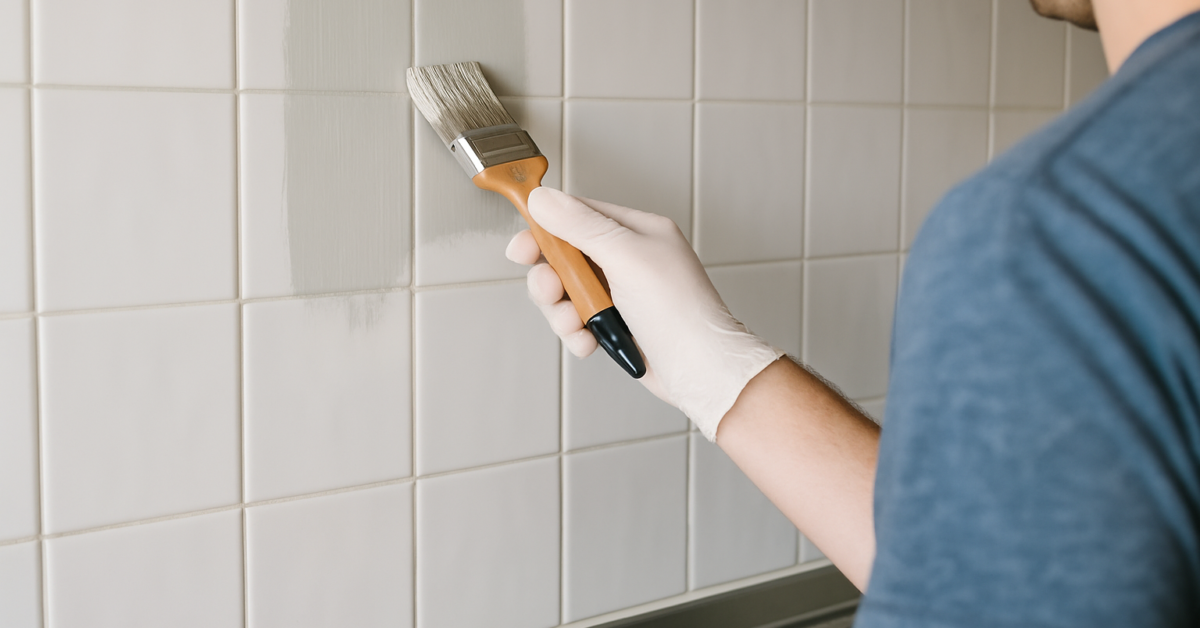
Have you ever wondered, can I paint over kitchen wall tiles to give my space a fresh look? Many homeowners face this dilemma when seeking an affordable kitchen renovation. The good news is that painting over tiles is not only possible, but it can also be a transformative solution. With over 15 years of experience in home improvement and design, I can guide you through the process, ensuring you achieve a stunning finish. In this article, we will explore the essential steps, necessary preparations, and expert tips for successfully painting your kitchen wall tiles. Whether you’re looking to update your decor or simply refresh your kitchen’s appearance, you’ll find valuable insights and practical advice here.
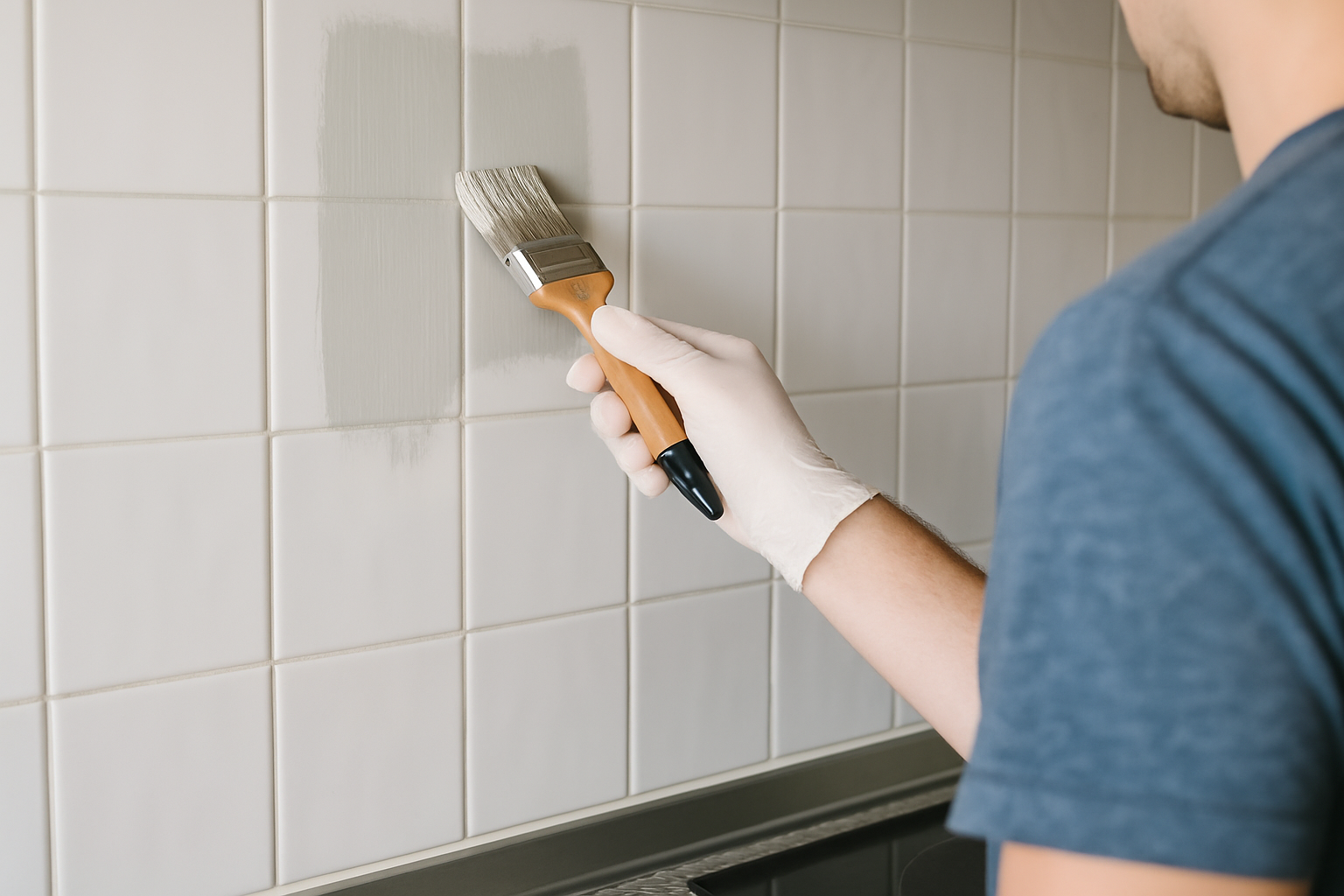
Understanding Tile Painting Basics
Painting over kitchen wall tiles can be a cost-effective way to refresh your kitchen without a full remodel. However, not all tiles are suitable for painting. Ceramic and porcelain tiles, for example, can be painted if properly prepared. It’s essential to understand the surface condition, tile type, and the paint that will adhere well. Before starting, consider cleaning and repairing any damaged tiles to ensure a smooth finish. Proper preparation helps in achieving a long-lasting result and avoids peeling or chipping.
Types of Tiles Suitable for Painting
Ceramic and porcelain tiles are generally good candidates for painting due to their non-porous surfaces. However, glass or natural stone tiles may not hold paint well. It’s crucial to assess the tile type before proceeding with your project to avoid future complications.
Preparing Tiles for Painting
Proper surface preparation involves cleaning the tiles thoroughly and sanding them lightly to create a texture for better paint adhesion. Use a degreaser to remove grease and grime from kitchen tiles, which can hinder the painting process. This step is critical for a successful outcome.
💡 Ensure tiles are clean and dry before painting.
Choosing the Right Paint and Technique
Selecting the appropriate paint for your kitchen tiles is crucial for durability and finish. Look for epoxy-based or specialty paints designed for tiles, as they provide better adhesion and resistance to moisture. Additionally, using a primer specifically for glossy surfaces can enhance paint adherence. The application technique also matters; use a brush for edges and a roller for larger areas to achieve an even coat. Multiple thin coats are preferable to one thick coat for a smoother finish.
Types of Paint for Kitchen Tiles
Epoxy-based paints are highly recommended for tiles due to their durability and water resistance. These paints bond well with the tile surface and resist chips and scratches, making them ideal for high-traffic kitchen areas. Ensure you choose paint labeled as tile or tub paint for the best results.
Application Techniques for Best Results
When applying paint, use a high-quality brush for edges and a foam roller for larger areas to avoid brush strokes. Allow each coat to dry completely before applying the next. This method ensures a smooth, professional-looking finish and reduces the risk of drips or uneven coverage.
💡 Multiple thin coats yield better results than one thick coat.
Understanding the Feasibility of Painting Over Kitchen Wall Tiles
Painting over kitchen wall tiles can be a cost-effective way to refresh your kitchen’s appearance. However, it’s essential to understand the type of tiles and the preparation required for successful paint adherence. Porcelain and ceramic tiles can be painted, but they require a thorough cleaning and priming process to ensure that the paint sticks effectively. Non-porous surfaces like glossy tiles may need special products or techniques to prepare the surface. Additionally, consider the kitchen’s environment, as high humidity and frequent cleaning can impact paint durability.
Types of Tiles Suitable for Painting
Not all tiles are created equal when it comes to painting. Ceramic and porcelain tiles are generally the most suitable options due to their durability and smooth surface. However, avoid painting over natural stone tiles, such as marble or granite, as the paint may not adhere properly and can damage the tile’s natural finish.
Preparing the Tile Surface for Painting
Surface preparation is crucial for a successful paint job. Begin by cleaning the tiles thoroughly with a degreaser to remove any grease or grime. After cleaning, sand the tiles lightly to create a rough surface for better paint adhesion. Finally, apply a high-quality primer specifically designed for tiles; this will enhance the paint’s sticking power.
Key Points:
- Ceramic and porcelain tiles are best for painting.
- Proper surface preparation is essential for paint adhesion.
💡 Test a small area first: Always test your paint on a small, inconspicuous area of the tile to ensure adhesion and compatibility.
💡 Use a high-adhesion primer: Select a primer formulated for non-porous surfaces to maximize the chances of a successful paint job.
Choosing the Right Paint and Application Techniques
Once you have prepared the tile surface, selecting the right paint is the next vital step. Use paints specifically designed for tile or high-gloss finishes that are durable and moisture-resistant. Application techniques also significantly influence the final look; consider using a foam roller for an even coat and a paintbrush for edges and corners. It’s crucial to apply multiple thin coats rather than one thick coat to avoid drips and ensure a smooth finish.
Recommended Paint Types for Tiles
When selecting paint, opt for acrylic latex or epoxy-based paints, as these offer excellent durability and moisture resistance. These paints can withstand the high humidity levels commonly found in kitchens and are easier to clean, ensuring longevity in a high-traffic area.
Application Tips for a Professional Finish
For optimal results, apply paint in thin layers, allowing each coat to dry fully before adding the next. A foam roller can help achieve an even finish on flat surfaces, while a brush is useful for detailed areas. After painting, allow the surface to cure completely before exposing it to water or heat.
Key Points:
- Choose durable, moisture-resistant paints for kitchen tiles.
- Thin coats and proper application techniques lead to a professional finish.
💡 Use multiple thin coats: Thin layers dry more evenly and reduce the risk of drips.
💡 Allow adequate drying time: Each coat needs to dry completely for the best adhesion and finish.
EXPERT TIPS Pro Advice
Consider long-term maintenance
Painted tiles may require periodic touch-ups, so plan for easy access to the paint you use.
Evaluate your kitchen’s humidity levels
High humidity can affect paint performance, so ensure proper ventilation during and after the painting process.
Use painter’s tape for clean lines
Applying painter’s tape around edges helps achieve clean, professional-looking lines and reduces the chances of paint bleeding.
Seal the painted surface
Applying a clear sealant over the painted tiles enhances durability and makes cleaning easier, extending the life of your paint job.
Frequently Asked Questions
Conclusion
Painting over kitchen wall tiles is a viable option to refresh your kitchen’s appearance without the hassle of removal. Proper preparation, using the right paint, and sealing the finished surface are essential steps for achieving a durable and attractive result.
🎯 Key Takeaways:
- Use epoxy or acrylic paint formulated for tiles.
- Thoroughly clean and sand tiles before painting.
- Consider sealing painted tiles for added protection.
- Expect painted tiles to last between 5 to 10 years.
Expert Advice: Ensure you follow all preparation guidelines to maximize the lifespan and appearance of your painted tiles. A well-executed paint job can transform your kitchen beautifully.
Ready to transform your kitchen? Start planning your tile painting project today!