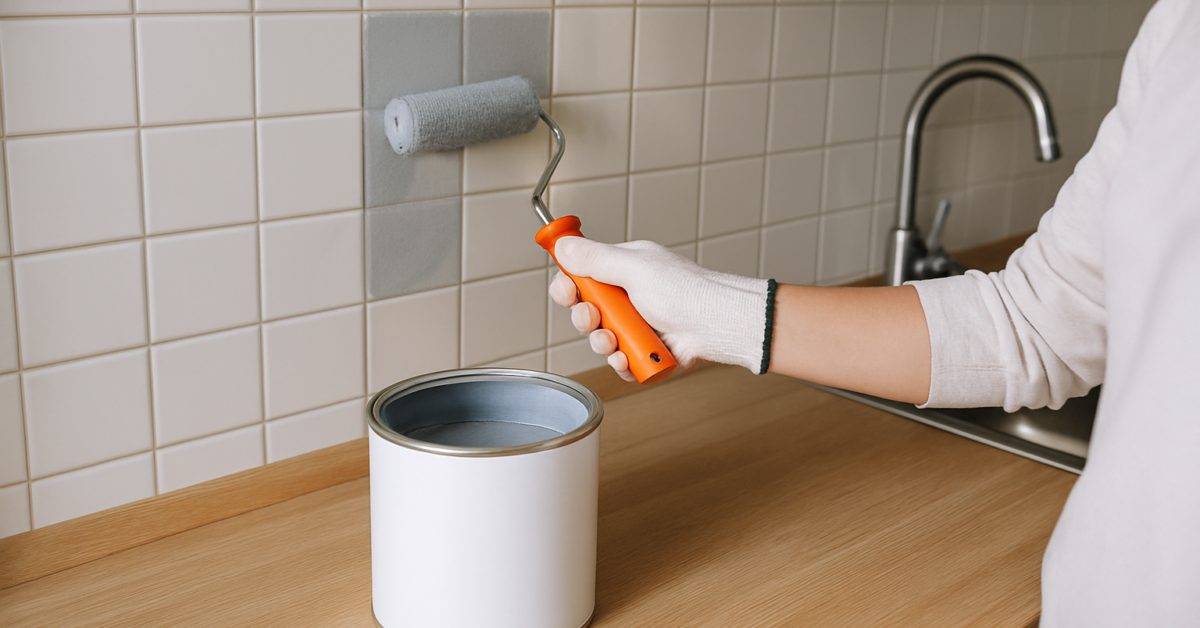
Are you tired of the outdated look of your kitchen tiles? You might be wondering, ‘Can I paint my kitchen tiles?’ This is a common question among homeowners looking to refresh their spaces without the expense of a complete renovation. With over 15 years of experience in home improvement and interior design, I understand the challenges and benefits of painting tiles. In this article, we will explore the feasibility of painting kitchen tiles, the essential steps involved, and the best practices to achieve a durable and beautiful finish. Whether you’re looking for a quick update or a creative DIY project, you’ll gain valuable insights to embark on this transformative journey.
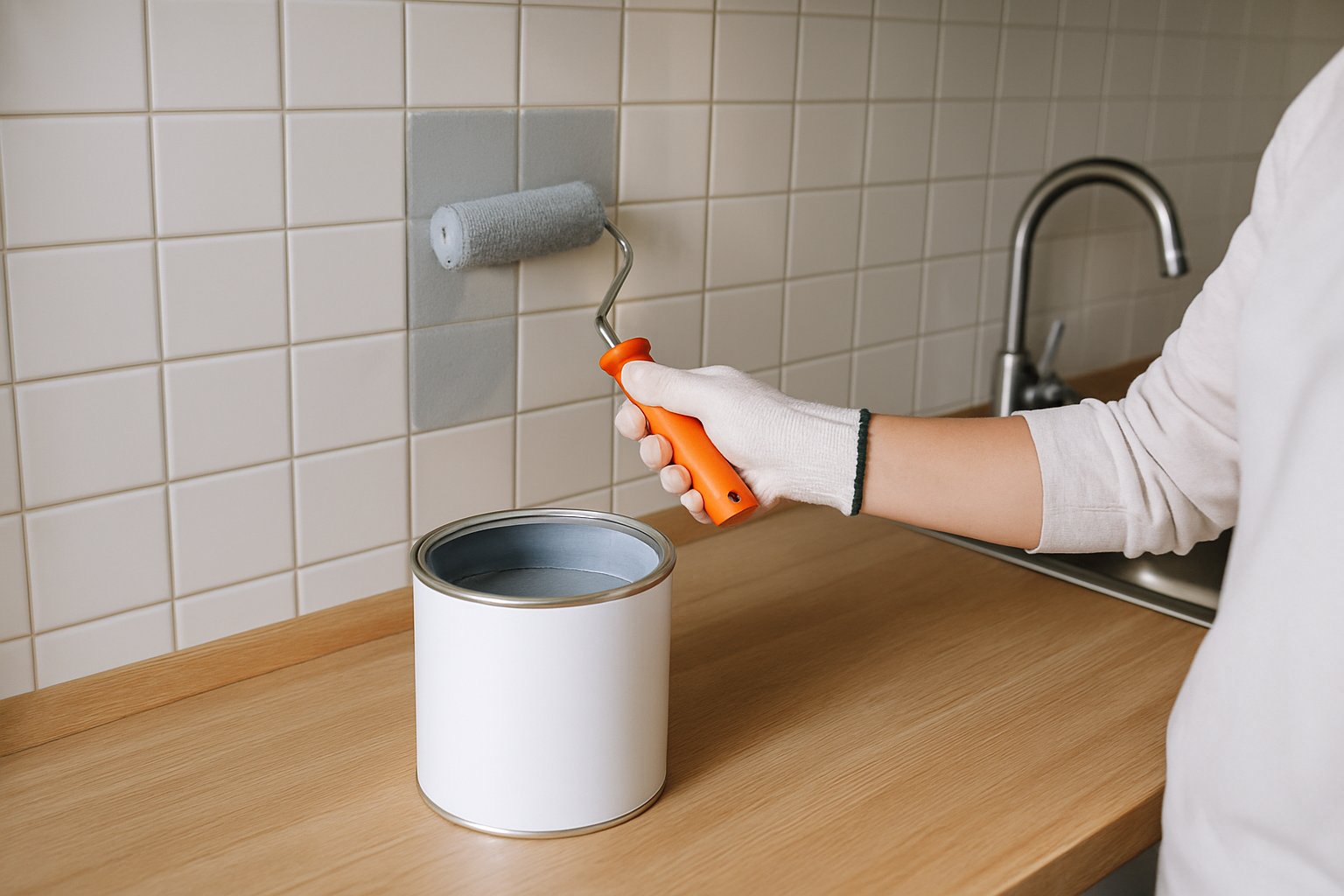
Understanding Tile Painting: Is It Possible?
Painting kitchen tiles is a feasible option for homeowners looking to refresh their space without a full renovation. The process can save time and money while allowing for customization. However, not all tiles are created equal; understanding the type of tiles you have is crucial. Ceramic and porcelain tiles are typically the best candidates for painting, as they have a non-porous surface that adheres well to paint. On the other hand, natural stone tiles might require more preparation and may not yield the desired results. Considering these factors will help you decide if painting is the right choice for your kitchen.
Types of Tiles Suitable for Painting
Ceramic and porcelain tiles are often the easiest to paint due to their smooth surfaces. These materials allow paint to adhere better, ensuring durability. Textured tiles, such as those made from natural stone, may present challenges, as paint can chip and wear off more quickly. If you have glazed tiles, the finish may need to be sanded down to create a suitable surface for paint adhesion.
Preparation Steps Before Painting
Proper preparation is key to a successful tile painting project. Start by thoroughly cleaning the tiles to remove grease and grime. Use a degreaser or a mixture of vinegar and water for effective cleaning. After cleaning, ensure the surface is completely dry. Next, consider sanding the tiles lightly to promote better adhesion of the paint. This step is crucial for achieving a long-lasting finish.
Key Points:
- Ceramic and porcelain tiles are best for painting
- Proper preparation ensures better paint adhesion
The Painting Process: Steps to Follow
Once you’ve determined that painting your kitchen tiles is a viable option, it’s essential to follow a structured process for the best results. Start by selecting a high-quality tile-specific paint that can withstand the kitchen’s conditions, including heat and moisture. Using the right tools, such as brushes and rollers, will also contribute to an even application. Pay attention to drying times between coats, as this can significantly impact the durability of the finish. Typically, two to three coats are recommended for optimal coverage and color saturation.
Choosing the Right Paint
Selecting the right kind of paint is crucial for the longevity of your tile project. Look for paints specifically designed for tiles or surfaces that mimic tile characteristics. These paints often contain additives that improve adhesion and durability, making them suitable for high-traffic and moisture-prone areas like kitchens.
Application Techniques for Best Results
When applying paint, use a combination of brushes and rollers for a smooth finish. Start with a brush for edges and detailed areas, then switch to a roller for larger surfaces. Ensure each coat is applied evenly, and allow adequate drying time between coats. This technique will help prevent drips and uneven surfaces, resulting in a professional-looking finish.
Key Points:
- Use tile-specific paint for best results
- Apply paint evenly and allow proper drying times
Understanding the Process of Painting Kitchen Tiles
Painting kitchen tiles can be a cost-effective way to refresh your kitchen’s appearance without a complete remodel. The process involves cleaning, priming, and applying specialized paint designed for tile surfaces. It’s essential to prepare the tiles properly to ensure adhesion and durability. If done correctly, painted tiles can last for several years, but this requires careful attention to detail and the right techniques.
Preparation: Cleaning and Repairing
Before painting, thoroughly clean the tiles to remove grease, dirt, and any residues. Use a suitable cleaner and scrub the surface well. Additionally, inspect for any cracks or chips that need repair. Filling these gaps can create a smooth surface for painting, preventing the paint from peeling or chipping later on.
Choosing the Right Paint
Select a paint specifically formulated for tiles or ceramics. These paints usually have properties that enhance adhesion and withstand moisture. Consider finishes that suit your kitchen’s style; a glossy finish can be easier to clean, while a matte finish might offer a more subdued look.
Application Techniques
Use a brush or roller to apply the paint evenly, starting with a primer to help the paint bond. Follow the manufacturer’s instructions regarding drying times between coats. It’s often recommended to apply at least two coats for optimal coverage and durability, allowing each coat to dry completely before applying the next.
Key Points:
- Proper preparation is crucial for successful tile painting.
- Choosing the right paint can significantly affect the outcome.
💡 Ensure your workspace is well-ventilated during the painting process to avoid inhaling fumes.
💡 Use painter’s tape to protect surrounding areas from paint splatters for a cleaner finish.
💡 Consider testing your chosen paint on a small, inconspicuous area of the tile first.
Maintaining Painted Kitchen Tiles
After painting your kitchen tiles, maintaining them is key to prolonging their life and appearance. This involves proper cleaning techniques and regular inspections for any signs of wear or damage. By adopting appropriate maintenance practices, you can enjoy your newly painted tiles for years to come.
Cleaning Painted Tiles
Use gentle cleaning solutions like mild dish soap and water to clean painted tiles. Avoid abrasive cleaners or scrubbing pads, as they can damage the paint. Regular cleaning will help prevent dirt buildup and keep the tiles looking fresh, enhancing their longevity.
Inspecting for Damage
Regularly check your painted tiles for signs of chipping or wear. Early detection of damage allows for quick repairs, which can prevent further deterioration. If you notice any issues, consider touching up the affected areas promptly to maintain a uniform look.
Repainting When Necessary
Over time, painted tiles may require repainting due to wear and fading. Assess your tiles periodically and plan to repaint when the color starts to look dull or when significant damage occurs. Repainting can rejuvenate the space and keep your kitchen looking modern.
Key Points:
- Proper cleaning techniques are essential to maintain the finish of painted tiles.
- Regular inspections can prevent minor issues from becoming major repairs.
💡 Use a soft microfiber cloth for cleaning to avoid scratching the paint.
💡 Schedule regular inspections of your tiles, perhaps during seasonal cleaning, to catch issues early.
💡 Keep a small amount of the original paint for touch-ups later.
EXPERT TIPS Pro Advice
Consider your kitchen’s traffic
High-traffic kitchens may require more durable paints. Assess your usage to choose a paint that withstands frequent cleaning and wear.
Test paint compatibility
Before committing, test the paint on a small tile section to ensure compatibility and desired finish, as some paints may react differently on various tile surfaces.
Plan for drying time
Ensure you allocate sufficient time for drying between coats, as this is crucial for achieving a smooth, durable finish without peeling.
Use a sealant for extra protection
Applying a clear sealant can enhance the longevity of the paint, especially in humid kitchen environments, providing an additional barrier against wear.
Stay updated on best practices
Regularly research current techniques and trends in tile painting, as best practices evolve, ensuring your method remains effective and your results look professional.
Frequently Asked Questions
Conclusion
Painting kitchen tiles is a feasible DIY project that can refresh your space without the need for a complete renovation. Choose the right type of paint, prepare your tiles properly, and consider sealing them afterward for enhanced durability. With the right approach, you can achieve a stunning transformation.
🎯 Key Takeaways:
- Use tile-specific or epoxy paint for durability.
- Proper preparation is crucial for successful results.
- Sealing painted tiles extends their lifespan.
- Glossy tiles require sanding before painting.
- Regular paint is not suitable for tiles.
Expert Advice: Take your time during preparation and application to ensure the best results. Always test a small area first to see how the paint adheres and looks before committing to the entire surface.
Now that you’re informed, consider planning your kitchen tile painting project and enjoy the transformation!