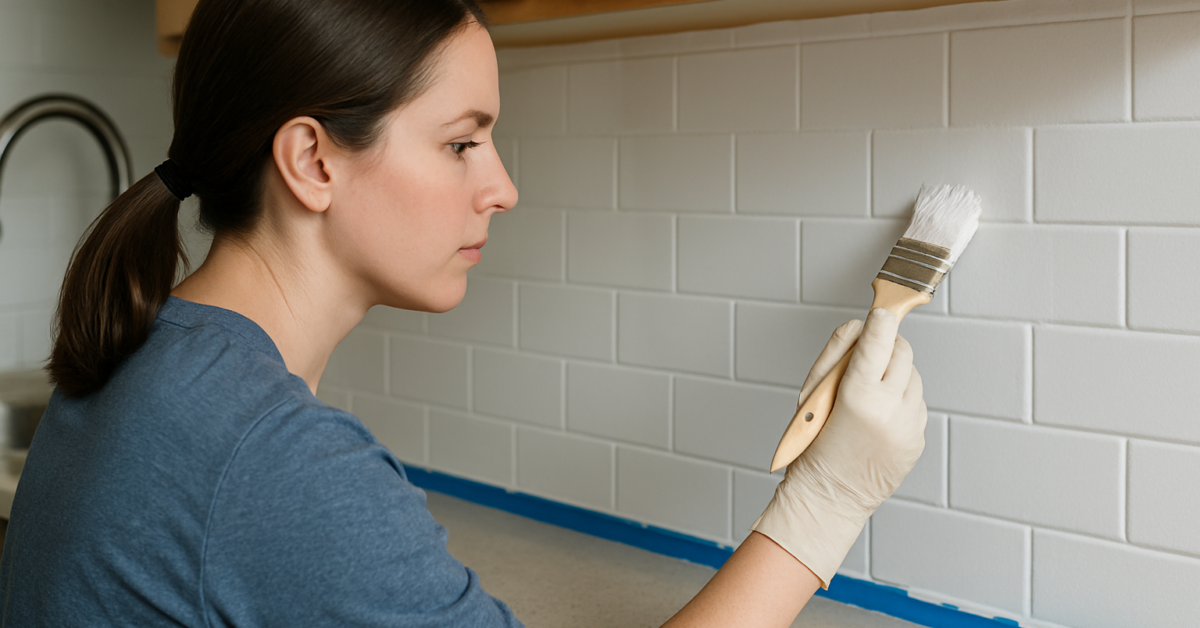
Are you tired of your outdated kitchen tile backsplash and wondering, ‘Can I paint my kitchen tile backsplash?’ You’re not alone. Many homeowners seek budget-friendly ways to refresh their kitchen decor without the hassle of a complete remodel. With over 15 years of experience in home improvement advice, I can guide you through the process of painting your backsplash effectively. In this article, you will learn about the necessary preparation, the types of paint suitable for tiles, and essential tips to ensure a durable and attractive finish. Say goodbye to dull tiles and hello to a vibrant kitchen update!
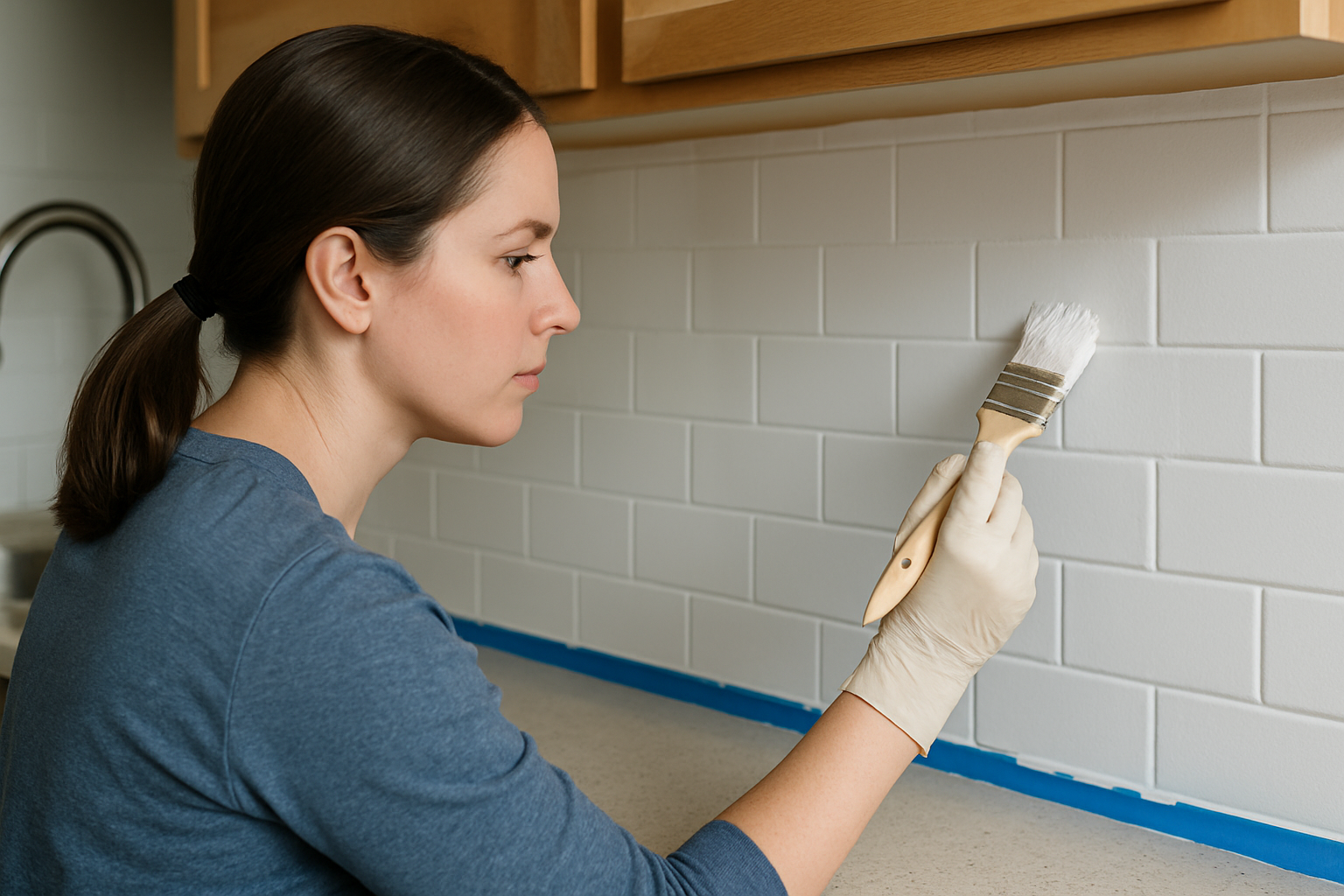
Understanding the Basics of Painting Kitchen Tile Backsplashes
Many homeowners wonder, ‘Can I paint my kitchen tile backsplash?’ The answer is yes, but successful execution requires understanding both the materials involved and the painting process itself. Kitchen tile backsplashes are often made of ceramic, glass, or porcelain, each with unique characteristics that affect paint adhesion. Proper preparation is crucial to ensure a long-lasting finish and to avoid peeling or chipping over time. This section will delve into the materials used in backsplashes and the necessary steps for a successful paint job.
Types of Tile Materials
Common tile materials for backsplashes include ceramic, porcelain, and glass. Ceramic tiles are porous and absorb paint well, while porcelain is denser and may require additional preparation. Glass tiles offer a sleek look but can be challenging due to their smooth surface. Understanding these materials helps in selecting the right paint and preparation methods.
Importance of Surface Preparation
Surface preparation is vital when painting a tile backsplash. Cleaning the tiles to remove grease and grime is the first step, followed by sanding the surface to create texture for better adhesion. Using a primer designed for tiles can also enhance the longevity of the paint. Skipping these steps can lead to poor results.
Choosing the Right Paint
Selecting the correct paint is critical for achieving a durable finish. Look for paints that specify adhesion to tile surfaces and are resistant to moisture and heat, common in kitchen environments. A high-gloss or semi-gloss finish is preferable, as it is easier to clean and more resistant to stains.
Key Points:
- Tile material affects paint adhesion
- Surface preparation is crucial for a successful paint job
The Painting Process for Kitchen Tile Backsplashes
Once you have assessed your tiles and prepared the surface, the painting process can begin. It is essential to follow systematic steps to ensure a smooth application and an even finish. This section will guide you through the painting process, focusing on techniques and finishing touches that yield professional-looking results.
Applying Primer
After preparing the surface, the next step is to apply a primer. A quality primer formulated for tile will enhance adhesion and longevity. Use a paintbrush or roller for even application, ensuring all areas are covered, including grout lines. Allow the primer to dry completely before proceeding to paint.
Painting Techniques
When painting, use a high-quality brush or roller to apply the paint evenly. Work in small sections to maintain a wet edge, preventing visible lines. Multiple thin coats are preferable to a single thick one, allowing for better adherence and drying. Be patient, and allow each coat to dry fully before applying the next.
Finishing Touches and Curing
Once the final coat is applied, inspect for any touch-ups needed. After painting, let the backsplash cure for several days before exposing it to moisture or heavy use. This waiting period is crucial for ensuring the paint adheres properly and achieves its full durability.
Key Points:
- Follow systematic steps for best results
- Allow paint to cure for durability
Understanding the Basics of Painting Tile Backsplashes
Before deciding to paint your kitchen tile backsplash, it’s essential to understand the fundamentals of tile materials and the painting process. Tiles are typically made from ceramic, porcelain, or glass, each requiring different approaches. Painting can provide a cost-effective way to refresh your kitchen’s appearance, but it’s vital to know the longevity and maintenance involved. Proper surface preparation is crucial, as it ensures better paint adhesion and a longer-lasting finish. Consider the type of paint suitable for tiles, as not all paints will adhere well to non-porous surfaces. This foundational knowledge will guide you through the process effectively.
Types of Tile Materials
Different tile materials require different preparation and painting techniques. Ceramic and porcelain tiles, for instance, are more durable and can withstand moisture better than glass tiles. Understanding the characteristics of your specific tile type will help you select the right paint and application method, ensuring a successful outcome.
Surface Preparation Steps
Properly preparing the tile surface is crucial for a successful paint job. Start by cleaning the tiles thoroughly with a degreaser to remove any grime or oil. Next, lightly sand the surface to create a rough texture, allowing the paint to adhere better. Finally, wipe down the tiles to remove any dust created during sanding, ensuring a smooth application.
Key Points:
- Different tile materials require specific preparation and paint types.
- Surface preparation is critical for paint adhesion and durability.
💡 Always conduct a test patch on a small area to check for adhesion and finish.
💡 Avoid painting tiles in high-moisture areas without proper sealing after painting.
Best Practices for Painting Your Kitchen Tile Backsplash
Once you understand the basics, applying best practices ensures a smooth and effective painting process. Choose high-quality paints designed for tiles, as they provide better adhesion and durability. Consider using a primer specifically formulated for smooth surfaces; this can prevent peeling and chipping. Additionally, applying multiple thin coats rather than one thick coat will lead to a more even finish. Lastly, ensure adequate curing time between coats as well as after the final coat to achieve the best results.
Choosing the Right Paint
Selecting paint formulated for tiles is crucial for achieving a lasting finish. Look for paints labeled as suitable for tile or glossy surfaces, as they offer the best adhesion and resistance to moisture. Also, consider the finish; satin or semi-gloss finishes are often recommended for ease of cleaning.
Applying the Paint Effectively
When painting, use a high-density foam roller or a quality brush for smooth application. Start from the edges and work your way inward to avoid drips. Applying several thin layers allows better drying and adhesion compared to one thick layer. Always follow the manufacturer’s instructions regarding drying times.
Key Points:
- Using appropriate paint and primer ensures durability and a professional finish.
- Multiple thin coats yield better results than one thick coat.
💡 Use painter’s tape to protect areas you don’t want to paint, ensuring clean lines.
💡 Consider adding a clear sealant over the paint for added durability and moisture protection.
EXPERT TIPS Pro Advice
Test your paint adhesion with a small patch.
Before committing to a full paint job, testing a small area helps identify potential issues with adhesion and finish, saving time and effort.
Choose a weekend for the project.
Planning the painting project over a weekend allows ample time for preparation, application, and drying, ensuring a stress-free experience.
Maintain ventilation while painting.
Proper ventilation reduces fumes and promotes faster drying. Open windows and use fans to ensure fresh air circulation throughout the space.
Keep a consistent temperature during drying.
Maintaining a stable, moderate temperature helps paint cure properly, reducing the chance of cracking or peeling.
Document your process.
Taking notes or photos during each step can help if you need to touch up or replicate the process in the future.
Frequently Asked Questions
Conclusion
Painting your kitchen tile backsplash is a feasible DIY project that can refresh your space. By selecting suitable paint, adequately preparing the surface, and using a sealer, you can achieve a durable finish. Consider color choices that harmonize with your kitchen decor for the best outcome.
🎯 Key Takeaways:
- Use specialized tile or epoxy paint for best results.
- Properly clean and sand tiles for better adhesion.
- Seal painted surfaces to enhance durability.
- Expect painted backsplashes to last 5-10 years.
- Choose colors that complement your kitchen design.
Expert Advice: Take your time during preparation and application. A well-executed painting project can transform your kitchen without the need for a costly remodel.
Consider your color options and start planning your backsplash painting project today!