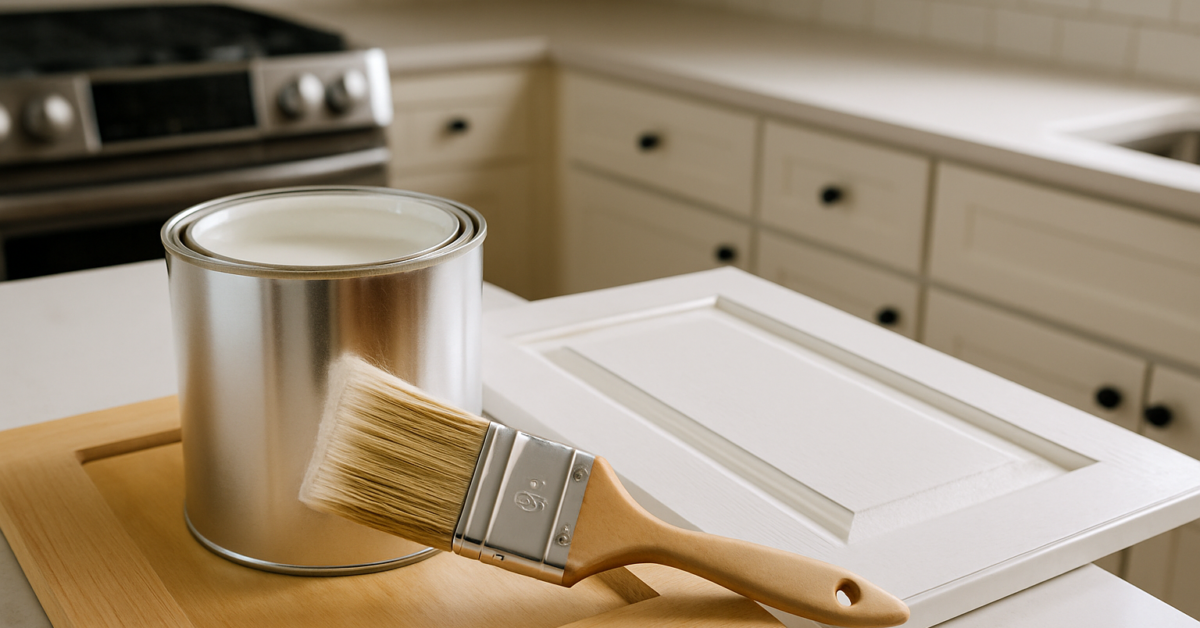
Are you tired of outdated kitchen cabinets but unsure what is the best paint to use on kitchen cabinets? Choosing the right paint can transform your kitchen’s look while ensuring a long-lasting finish. With over 15 years of experience in home improvement and design, we can guide you through selecting the ideal paint for your cabinets. In this article, you’ll learn about different paint types, preparation techniques, and application methods that will help you achieve a professional finish. Whether you’re a DIY enthusiast or looking to refresh your kitchen’s aesthetic, our expert insights will equip you with the knowledge you need to make an informed decision.
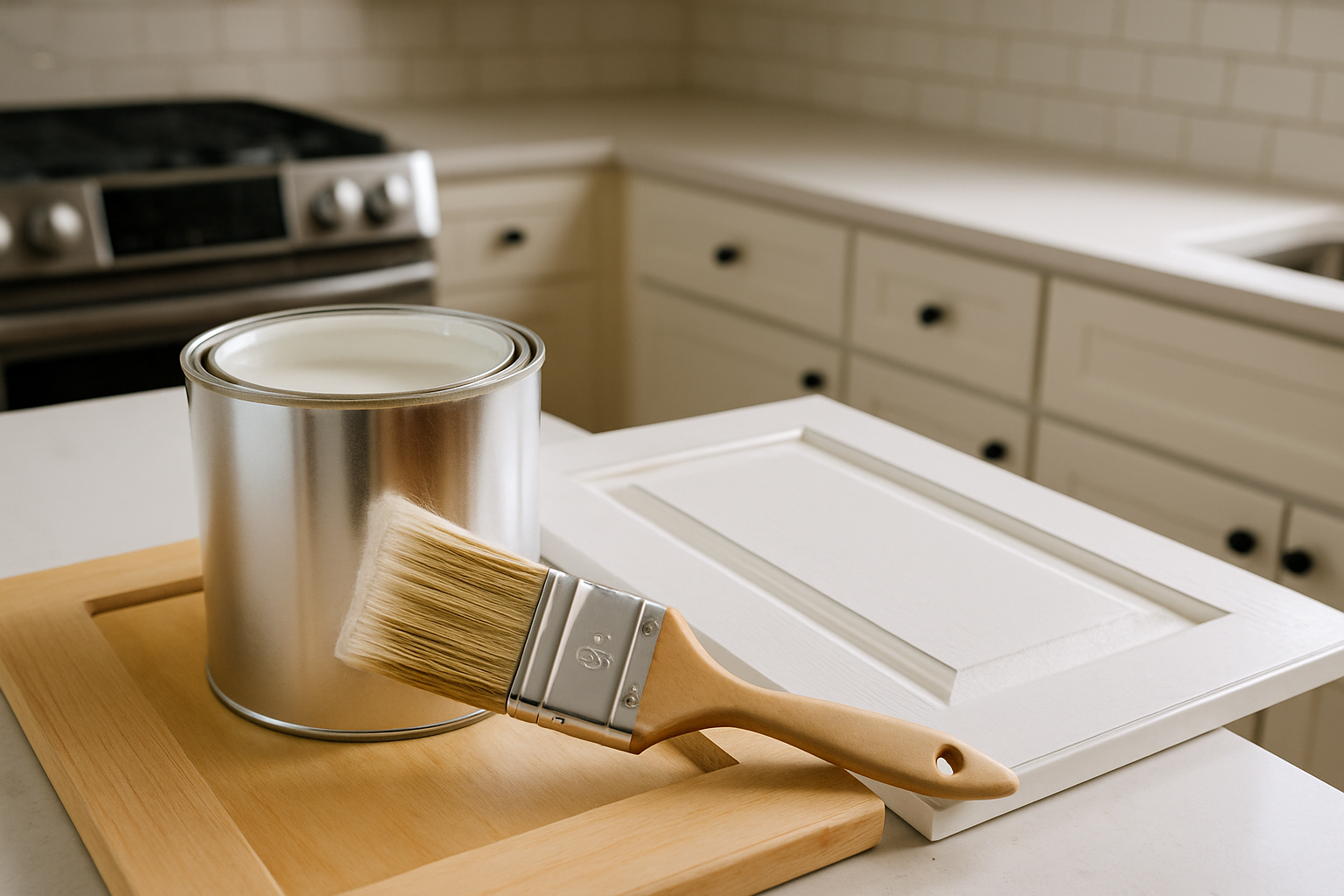
Understanding the Importance of Paint Choice
Choosing the right paint for kitchen cabinets is crucial, as it not only affects the appearance but also the durability and maintenance of the cabinets. An ideal paint should withstand the high-traffic nature of kitchens, resist stains, and provide a long-lasting finish. Understanding the qualities of different paint types helps homeowners make informed decisions that enhance the overall aesthetic and functionality of their kitchen space.
Factors to Consider
When selecting paint for kitchen cabinets, consider factors like sheen level, durability, and washability. Semi-gloss and satin finishes are popular for their easy cleaning and resistance to moisture, making them suitable for kitchen environments. Additionally, the paint’s ability to adhere to surfaces is critical to prevent chipping and peeling over time.
Types of Paint
The most common types of paint used for kitchen cabinets include latex, oil-based, and hybrid formulations. Latex paints are water-based, offer quick drying times, and are easy to clean. Oil-based paints, while more durable, require longer drying times and produce stronger odors. Hybrid paints combine the best of both worlds, offering durability and ease of use.
Key Points:
- Choose a paint with the right sheen for easy maintenance
- Consider durability and washability in high-traffic areas
Preparation and Application Techniques
Proper preparation and application techniques are vital for achieving a professional-looking finish on kitchen cabinets. This process includes cleaning, sanding, priming, and applying multiple coats of paint. Skipping any of these steps can lead to subpar results, such as peeling paint or uneven color. A well-prepared surface ensures better adhesion and overall durability of the paint.
Surface Preparation Steps
Start by removing all cabinet hardware and cleaning the surfaces thoroughly to eliminate grease and grime. Sanding the surfaces lightly helps to create a texture for better paint adhesion. Using a primer can also help seal the wood and improve the paint’s durability, especially if you are transitioning from a dark to a lighter color.
Application Techniques
When applying paint, use high-quality brushes or rollers to ensure an even coat. Start with a thin layer and allow adequate drying time between coats. For the best results, consider using a paint sprayer, which can provide a smooth finish without brush marks. Always follow the manufacturer’s guidelines regarding drying times and recoating.
Key Points:
- Proper preparation is essential for a long-lasting finish
- Use multiple thin coats for a professional look
Understanding Paint Types for Kitchen Cabinets
Choosing the right type of paint for kitchen cabinets is crucial for durability and finish. Generally, there are several types of paint to consider: latex, oil-based, and chalk paint. Latex paint is water-based, easy to clean, and has low odor, making it a popular choice. Oil-based paint, while durable and providing a smooth finish, has a stronger odor and requires solvents for cleanup. Chalk paint offers a matte finish that can create a vintage look but may need a protective topcoat for kitchen use. Assess your kitchen environment to determine which type suits your needs best.
Latex Paint
Latex paint is favored for kitchen cabinets due to its quick drying time and ease of use. It adheres well to various surfaces and is available in a range of finishes from matte to glossy. This type of paint is also less likely to yellow over time, maintaining its appearance for longer. For best results, choose a high-quality latex paint formulated for cabinetry.
Oil-Based Paint
Oil-based paint is known for its excellent adhesion and durability, making it ideal for high-traffic areas like kitchens. It dries slowly, allowing for a smoother finish, but requires mineral spirits for cleanup. While it can withstand scrubbing and cleaning, the strong fumes during application necessitate good ventilation. Consider using oil-based paint if you prioritize longevity over ease of use.
Key Points:
- Latex paint is user-friendly and low-odor.
- Oil-based paint offers durability but has a strong odor.
💡 Choose a paint type based on kitchen usage and personal preference.
💡 Test samples on a small area before committing to a full application.
Preparing and Finishing Cabinets for Painting
Proper preparation and finishing techniques are essential for achieving a professional-looking result when painting kitchen cabinets. Begin by thoroughly cleaning the surfaces to remove grease and grime, followed by sanding to create a smooth base for paint adhesion. After sanding, apply a primer suited for your chosen paint type. Once the primer is dry, proceed with painting, ensuring to use even strokes to avoid drips. Lastly, consider applying a protective topcoat to enhance durability and finish.
Surface Preparation
Surface preparation is critical for paint adhesion and durability. Start by removing cabinet doors and hardware. Clean the surfaces with a degreaser to eliminate any residue. Sand the surfaces lightly to create a rough texture for better paint adherence. Finally, wipe down the cabinets with a damp cloth to remove dust before priming.
Applying the Final Coat
When applying the final coat of paint, use a high-quality brush or roller to ensure an even application. Apply thin coats, allowing each to dry fully before adding the next. This prevents drips and ensures a smooth finish. For extra durability, especially in kitchens, apply a clear topcoat after the paint has dried completely.
Key Points:
- Proper surface prep enhances paint adhesion.
- Thin coats prevent drips and improve finish quality.
💡 Invest time in preparation for the best long-term results.
💡 Use a quality brush or roller to ensure even paint application.
EXPERT TIPS Pro Advice
Use a primer before painting.
A primer helps seal the surface and improves paint adhesion, resulting in a more durable finish.
Consider the finish type of the paint.
Select a satin or semi-gloss finish for kitchen cabinets, as these are easier to clean and resist moisture better.
Allow adequate drying time.
Rushing the drying process can result in a poor finish; ensure each coat dries fully before applying the next.
Maintain a consistent temperature during painting.
Painting in a controlled temperature environment can help the paint adhere properly and dry evenly.
Frequently Asked Questions
Conclusion
Choosing the right paint for kitchen cabinets is vital for achieving a durable and attractive finish. High-quality acrylic latex paint, along with proper preparation and finish selection, can enhance the kitchen’s look. Remember to sand, prime, and consider the environment for optimal results.
🎯 Key Takeaways:
- Acrylic latex paint is recommended for durability.
- Semi-gloss or satin finishes are best for cabinets.
- Sanding and priming are crucial steps.
- Chalk paint offers a unique aesthetic but requires a topcoat.
- Proper preparation ensures long-lasting results.
Expert Advice: Invest time in preparation and choose high-quality materials to achieve a professional look. Consider your kitchen’s usage and style to select the best paint finish that fits your needs.
Start planning your kitchen cabinet painting project today for a refreshed and beautiful space!