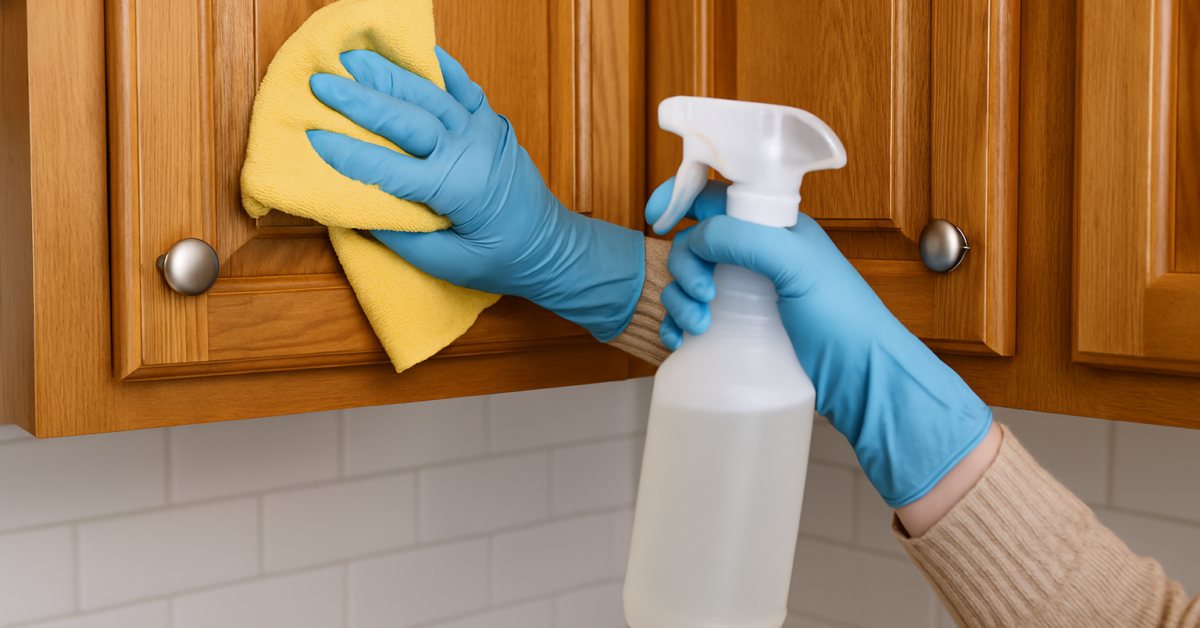
Are your kitchen cabinets starting to look dull and grimy? Understanding what is the best cleaner for kitchen cabinets is essential for maintaining their beauty and longevity. With the right cleaning solutions, you can effectively remove grime, grease, and stains without damaging the finish. As a seasoned expert in home care and maintenance, I’ll provide you with essential information on safe and effective cleaning methods tailored for different cabinet materials. In this article, you’ll learn about various cleaning approaches, tips for preserving your cabinets, and common mistakes to avoid when tackling this household chore. Let’s dive into the best practices for keeping your kitchen cabinets in pristine condition.
Understanding Kitchen Cabinet Materials
Kitchen cabinets are made from a variety of materials, each requiring specific cleaning methods to maintain their appearance and longevity. Common materials include wood, laminate, and metal. Knowing the material of your cabinets is crucial for selecting the right cleaner. For instance, wood cabinets may benefit from a gentle cleaner that avoids harsh chemicals. Laminate surfaces, on the other hand, are more durable and can withstand stronger cleaners. Metal cabinets, often found in commercial kitchens, require cleaners that prevent rust and maintain shine. Recognizing these differences ensures effective cleaning without damage.
Wood Cabinets
Wood cabinets, especially those with a finish, need care to avoid dulling their sheen. It’s best to use a mild soap solution or a specialized wood cleaner. Avoid excessive moisture, as it can warp the wood or damage the finish. Regular dusting and occasional polishing help maintain their beauty.
Laminate Cabinets
Laminate cabinets are more resilient to stains and scratches than wood. A simple mixture of vinegar and water can effectively clean these surfaces without causing damage. Avoid abrasive cleaners that can scratch the laminate. Regular cleaning helps prevent buildup and keeps them looking new.
Metal Cabinets
Metal cabinets require a different approach, focusing on preventing rust and maintaining a clean surface. Use a cleaner that is safe for metal surfaces, and avoid acidic or harsh chemicals that can cause corrosion. Regular cleaning with a soft cloth can prevent fingerprints and smudges.
Key Points:
- Know your cabinet material for effective cleaning
- Mild cleaners are usually best for wood
- Avoid abrasive materials on laminate and metal surfaces
Choosing the Right Cleaning Method
Selecting the best cleaning method for kitchen cabinets involves considering both the type of material and the level of dirt or grease. Simple cleaning solutions, such as soap and water, are often sufficient for routine maintenance. For tougher stains, a more targeted approach may be necessary, utilizing natural cleaners like vinegar or baking soda. It’s also essential to consider the frequency of cleaning; heavy use kitchens may require more frequent deep cleans compared to less utilized spaces. Understanding the right method can prolong the life of your cabinets and keep them looking pristine.
Routine Cleaning
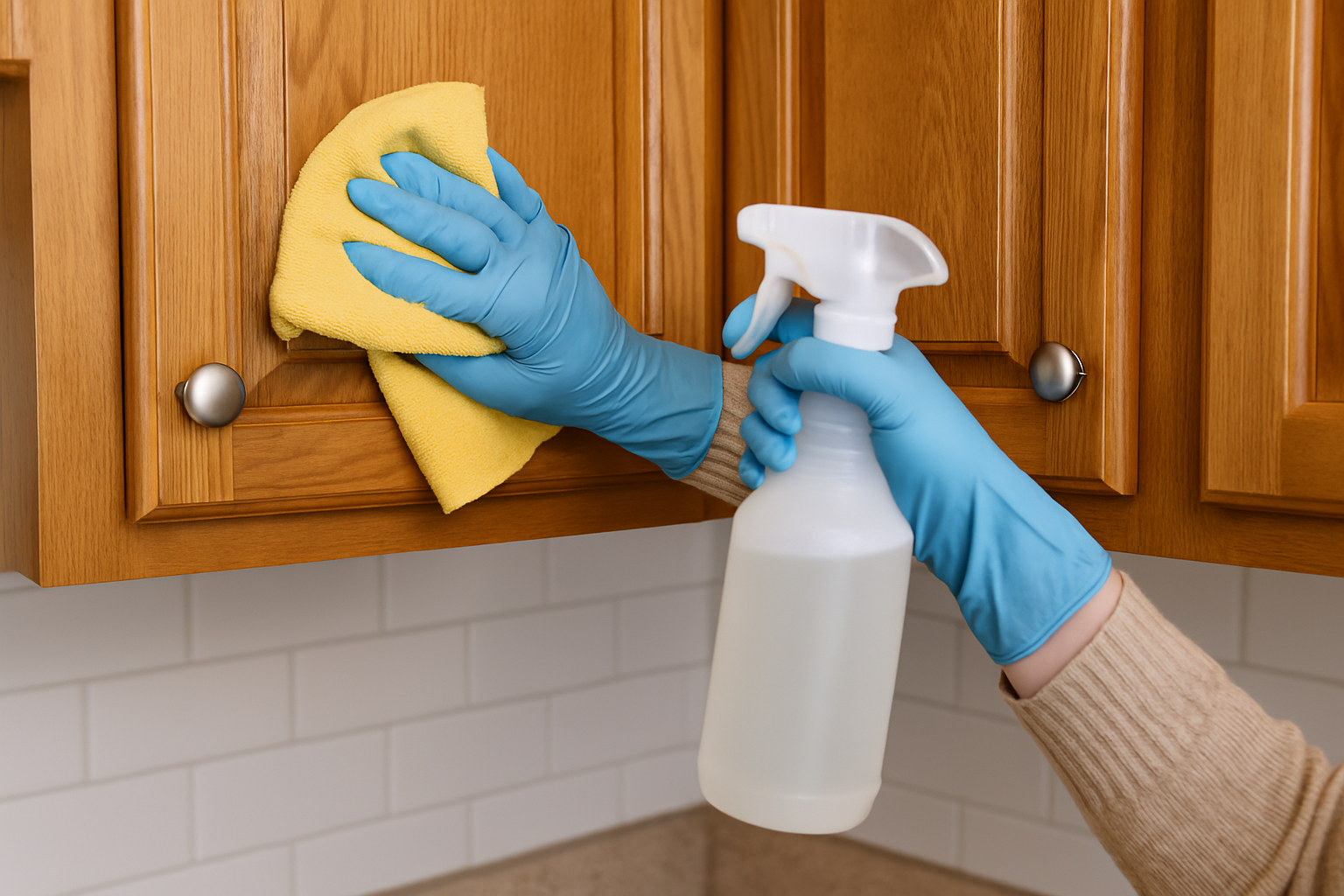
Routine cleaning involves light cleaning methods, such as a damp cloth with mild soap. This should be done weekly to prevent grease and grime buildup. Regular maintenance is key to avoiding tougher stains that can require harsher treatments later on.
Deep Cleaning Techniques
For deep cleaning, consider using a mixture of vinegar and warm water or a baking soda paste for stubborn spots. Apply with a soft cloth and rinse thoroughly. This method effectively removes built-up grime while being gentle on the cabinet surfaces.
Preventative Measures
Preventative cleaning methods, such as using cabinet liners or avoiding overly greasy foods near cabinets, can help maintain their appearance. Additionally, sealing wooden cabinets can protect against moisture and stains, making them easier to clean in the long run.
Key Points:
- Routine cleaning prevents tougher stains
- Deep cleaning should be done periodically
- Preventative measures can save time and effort
Understanding Kitchen Cabinet Materials
Before choosing a cleaner for your kitchen cabinets, it is essential to understand the materials they are made of. Common materials include wood, laminate, and metal, each requiring specific cleaning approaches. Wood cabinets may need gentle, non-abrasive cleaners to avoid damage, while laminate can be cleaned with slightly stronger solutions. Metal cabinets, often found in modern kitchens, can withstand a variety of cleaners but still benefit from non-corrosive options to maintain their finish. Knowing the material will help you select a cleaner that effectively removes grime without damaging the surface.
Wood Cabinets
Wood cabinets are prone to scratches and water damage. Use a pH-balanced cleaner or a solution of warm water and mild soap. Avoid excessive moisture, and dry immediately after cleaning to prevent warping. Regular maintenance with a wood conditioner can also prolong their lifespan.
Laminate Cabinets
Laminate cabinets are durable but can lose their luster over time. Use a solution of vinegar and water or a gentle all-purpose cleaner. Avoid abrasive sponges that can scratch the surface. Regular cleaning will help maintain their appearance and prevent build-up.
Metal Cabinets
Metal cabinets are less common but require special care. Use a mild detergent with warm water to clean these surfaces. It’s crucial to avoid harsh chemicals that can cause corrosion. Wipe dry with a soft cloth to prevent streaks and water spots.
Key Points:
- Know your cabinet material for effective cleaning.
- Avoid harsh chemicals to maintain cabinet integrity.
💡 Always test a small, inconspicuous area before applying any cleaner to ensure compatibility with the cabinet material.
💡 For stubborn stains, allow the cleaning solution to sit for a few minutes before wiping it away to enhance effectiveness.
Cleaning Techniques and Frequency
Establishing a cleaning routine for kitchen cabinets is vital to prevent dirt and grime build-up. The frequency of cleaning may vary based on usage, but regular maintenance is essential. For daily cleaning, a simple damp cloth can suffice, while a more thorough deep clean should be conducted monthly. Using the right techniques will ensure a longer-lasting finish and prevent damage. Always work from the top down to avoid redistributing dirt and ensure that all surfaces are covered.
Daily Maintenance
For daily upkeep, use a damp microfiber cloth to wipe down cabinets. This method helps to capture dust and minor spills. Avoid using too much water, as it can seep into joints and cause damage. A quick daily wipe can significantly reduce the need for deep cleaning.
Deep Cleaning Process
Once a month, perform a deep clean using an appropriate cleaner based on the cabinet material. Apply the cleaner with a soft cloth or sponge, working in small sections. Ensure to rinse the cloth frequently to avoid spreading dirt and then dry the surface thoroughly.
Preventive Measures
To reduce the frequency of deep cleans, consider placing mats or liners inside cabinets and drawers to catch spills and crumbs. Additionally, address spills immediately to prevent stains from setting in. Regularly inspect for grease buildup, especially near cooking areas.
Key Points:
- Establish a cleaning routine for long-term cabinet care.
- Immediate spill management prevents stains and damage.
💡 Keep a microfiber cloth handy in the kitchen for quick clean-ups to maintain cabinet appearance.
💡 Schedule deep cleaning on a specific day each month to establish a routine and ensure it gets done.
EXPERT TIPS Pro Advice
Use distilled water for cleaning solutions.
Distilled water is free from minerals and impurities, reducing streaks and spots on cabinets after cleaning.
Consider using natural cleaners.
Natural cleaners, such as vinegar and baking soda, are effective and less likely to harm delicate cabinet finishes compared to harsh chemicals.
Avoid using excessive pressure when cleaning.
Applying too much pressure can scratch surfaces, especially on wood and laminate cabinets, leading to premature wear.
Keep cabinet hardware clean.
Regularly cleaning knobs and handles not only enhances the overall appearance but also prevents grease accumulation that can be difficult to remove later.
Assess cabinet conditions regularly.
Regular inspections help identify issues like peeling or chipped finishes early, allowing for timely repairs before they worsen.
Frequently Asked Questions
Conclusion
Cleaning kitchen cabinets effectively requires understanding the cabinet material. Regular maintenance using gentle cleaning solutions like vinegar or mild soap can prevent grease buildup. For tough stains, natural remedies like baking soda can be very effective. Always test any cleaning method on a small area first.
🎯 Key Takeaways:
- Use appropriate cleaners based on cabinet material.
- Regular cleaning prevents grease buildup.
- Natural solutions like vinegar are effective.
- Avoid harsh chemicals like bleach.
- Test cleaners on a small area first.
Expert Advice: Maintain your kitchen cabinets by establishing a regular cleaning routine. This not only enhances their appearance but also prolongs their lifespan. Choose gentle, natural cleaners whenever possible to protect the finish.
Start implementing a cleaning schedule for your kitchen cabinets today to enjoy a cleaner, more inviting kitchen space.