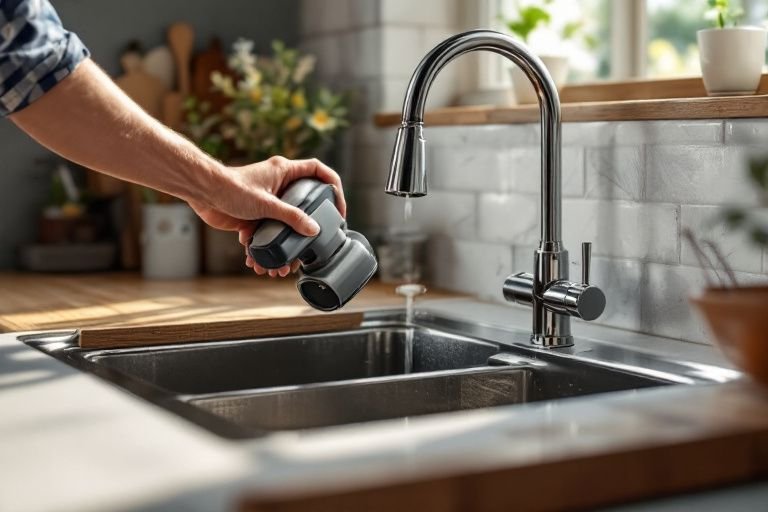
Are you tired of your kitchen sink leaking or not functioning properly? Knowing how to plumb a kitchen sink can save you both time and money. With over 15 years of experience in home improvement and plumbing, I can guide you through the essential steps and techniques to achieve a successful installation. In this comprehensive guide, you will learn about the necessary tools, the plumbing process, and common pitfalls to avoid. Whether you’re a seasoned DIY enthusiast or a novice, this article will equip you with the knowledge needed to plumb your kitchen sink like a pro.
Understanding Kitchen Sink Plumbing Basics
Plumbing a kitchen sink involves understanding the basic components and how they work together. Key components include the faucet, drain, and supply lines. Proper installation ensures efficient water flow and drainage, while also preventing leaks and potential water damage. Familiarizing yourself with local plumbing codes can also guide your installation process, ensuring compliance and functionality. Before starting, gather necessary tools and materials, such as wrenches, pliers, and pipe fittings, to streamline the process.
Local Plumbing Codes and Regulations
Local building codes dictate specific requirements for plumbing installations, including pipe sizes, materials, and venting practices. Familiarize yourself with these regulations to avoid costly fines or having to redo your work. Check with your local municipality or plumbing authority for guidelines before starting your project.
Key Points:
- Know the key components of your sink’s plumbing system.
- Familiarize yourself with local plumbing codes to ensure compliance.
💡 Always wear protective gear, such as gloves and goggles, to ensure safety during plumbing tasks.
Preparation for Plumbing Installation
Before diving into plumbing your kitchen sink, preparation is crucial. This includes assessing your current plumbing setup, determining the right materials, and planning for necessary adjustments or repairs. Proper planning helps avoid common pitfalls, such as leaks or improper connections. Additionally, ensure you have shut off the water supply to prevent any flooding during installation. Taking time to prepare can save time and resources in the long run.
Assessing Your Current Plumbing Setup
Evaluate your existing plumbing to identify any potential issues or adjustments needed for the new sink installation. Check for leaks, corrosion, or blockages in pipes. Understanding the layout and condition of your plumbing helps you anticipate challenges and choose the right approach for installation.
Gathering Necessary Tools and Materials
Compile all necessary tools and materials before beginning work. Common tools include adjustable wrenches, pipe cutters, and Teflon tape for sealing connections. Having everything ready reduces interruptions and allows for a smoother installation process.
Key Points:
- Assess existing plumbing to identify necessary adjustments.
- Gather all tools and materials to streamline the installation process.
💡 Shut off the water supply before starting to prevent any accidents or flooding during installation.
Understanding the Basics of Kitchen Sink Plumbing
Plumbing a kitchen sink involves understanding the water supply and drainage systems that connect to it. The two primary components are the water supply lines and the drain pipes. The supply lines deliver fresh water, while the drain pipes remove wastewater. Proper installation is crucial to prevent leaks and ensure efficient drainage. Familiarizing yourself with local plumbing codes is also essential, as these regulations dictate how plumbing should be installed and maintained, ensuring safety and compliance.
Water Supply Lines
Water supply lines typically consist of hot and cold water connections. These connections are made using flexible hoses or rigid pipes, depending on your installation needs. It is crucial to ensure that shut-off valves are installed for both hot and cold water lines to facilitate easy maintenance. When installing these lines, make sure to use proper fittings and check for any leaks after installation.
Drainage System
The drainage system includes the sink drain, trap, and venting. The sink drain connects to a P-trap, which prevents sewer gases from entering your home. Proper venting is also essential to allow air into the drainage system and facilitate smooth water flow. Always ensure that the P-trap is correctly installed and that it slopes downward towards the main drain to prevent clogs.
Key Points:
- Understand the difference between supply lines and drainage systems.
- Ensure compliance with local plumbing codes for safety.
💡 Always check local plumbing codes before beginning installation to ensure compliance.
💡 Use Teflon tape on threaded connections to prevent leaks.
💡 Test for leaks by running water through the system before sealing any access points.
Advanced Techniques for Kitchen Sink Plumbing
For those looking to take their kitchen sink plumbing skills to the next level, advanced techniques can make installations more efficient and durable. Techniques such as using a garbage disposal, installing a dishwasher connection, and ensuring proper venting can enhance functionality. These systems must be installed correctly to prevent issues such as clogs or backflow, which can lead to costly repairs and health hazards.
Installing a Garbage Disposal
If you’re adding a garbage disposal, ensure it’s compatible with your plumbing setup. The disposal will connect to the sink drain and require an additional drain line. It’s important to install the disposal according to the manufacturer’s instructions, ensuring that it is securely mounted and that the drain lines are properly connected to avoid leaks or clogs.
Connecting a Dishwasher
To connect a dishwasher, you’ll need a dedicated drain line that connects into the sink’s drainage system. This requires a Y-branch tailpiece to accommodate both the sink drain and the dishwasher drain hose. Ensure that the dishwasher drain hose is elevated to prevent backflow, and check for any leaks after connections are made.
Key Points:
- Advanced plumbing techniques enhance functionality and efficiency.
- Proper installation of appliances is essential to prevent future plumbing issues.
💡 Utilize a Y-branch tailpiece for connecting a dishwasher to the sink drain effectively.
💡 Ensure that the garbage disposal is properly grounded to prevent electrical hazards.
💡 Use high-quality fittings to reduce the risk of leaks in complex installations.
EXPERT TIPS Pro Advice
Plan your layout carefully before starting.
Visualizing your plumbing layout helps identify potential issues early and ensures efficient use of space.
Use a plumbing snake to clear potential clogs.
Having a plumbing snake on hand can save time in case of unexpected blockages during installation.
Invest in quality materials for long-term durability.
Using high-quality pipes and fittings reduces the likelihood of leaks and maintenance issues in the future.
Consider professional help for complex installations.
If you’re unsure about any part of the installation, consulting a professional can prevent costly mistakes.
Frequently Asked Questions
Conclusion
Successfully plumbing a kitchen sink involves understanding necessary tools, proper connections, and drainage setup. By following detailed steps and checking for leaks, you can achieve a secure and functional installation. Whether you do it yourself or hire a pro, ensure quality workmanship.
🎯 Key Takeaways:
- Gather essential plumbing tools before starting.
- Ensure proper connection of water supply and drainage.
- Inspect for leaks after installation.
- Consider professional help if unsure about plumbing tasks.
Expert Advice: Take your time during the installation process, and don’t hesitate to seek help if needed. Understanding the plumbing basics will empower you to tackle future repairs confidently.
Start planning your kitchen sink installation today by gathering tools and reviewing detailed guides.