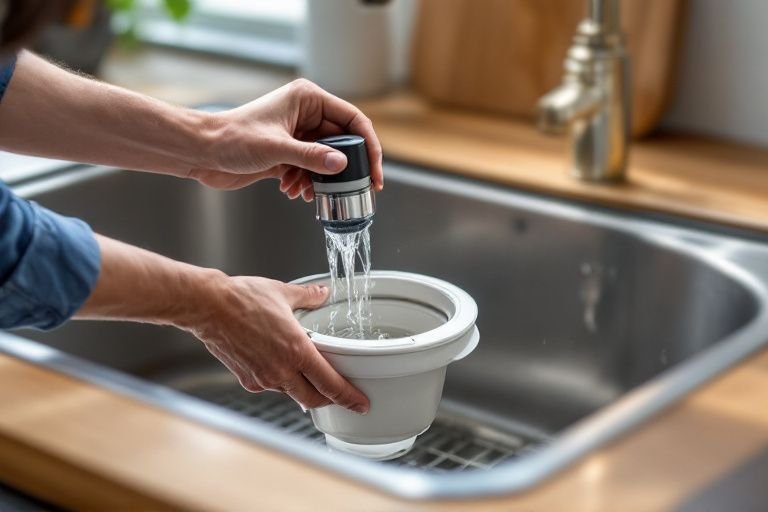
Is your kitchen sink backing up and causing a mess? Knowing how to unclog kitchen sink with disposal can save you from costly plumbing bills and restore your kitchen’s functionality. Clogs can occur for a variety of reasons, from food debris to grease buildup, and understanding how to tackle these issues is crucial for any homeowner. With over 15 years of experience in home maintenance and plumbing solutions, I’ll guide you through the most effective methods to clear your sink’s blockage. In this article, you’ll learn step-by-step techniques, key preventative measures, and expert tips to keep your kitchen sink and disposal running smoothly.
Understanding Kitchen Sink Disposal Systems
Kitchen sink disposal systems are essential for managing food waste, but they can sometimes become clogged. Understanding how these systems work is crucial before attempting any unclogging. Disposals use a series of blades and a grinding chamber to break down food waste into small particles that can easily flow through plumbing. When clogs occur, it’s often due to improper waste disposal or excessive buildup of grease and debris. Recognizing the signs of a clog is the first step in addressing the issue effectively.
Common Causes of Clogs
Clogs in kitchen sink disposals often arise from inappropriate items being disposed of, such as fibrous vegetables, oils, and starchy foods. These materials can create a thick sludge that inhibits water flow. Additionally, overloading the disposal with too much waste at once can lead to blockages. To prevent future clogs, it’s essential to understand what can and cannot be put down the disposal.
Signs of a Clogged Disposal
Recognizing the signs of a clogged disposal early can help prevent more significant issues. Common indicators include slow drainage, unusual noises from the disposal unit, or water backing up into the sink. If you notice a foul odor, it might indicate decomposing food particles stuck within the system. Addressing these symptoms promptly can save you from more complex plumbing problems.
Key Points:
- Understanding disposal systems helps in effective unclogging
- Recognizing signs of clogs can prevent bigger plumbing issues
Preparation for Unclogging Your Sink Disposal
Before attempting to unclog your kitchen sink disposal, proper preparation is essential. Start by gathering necessary tools, such as a plunger, a flashlight, and possibly a plumber’s snake. Ensure the area around the sink is clean and dry to prevent slips. Additionally, turn off the disposal unit and disconnect it from the power source to ensure safety during the process. Knowing these steps can help mitigate risks and streamline the unclogging process.
Safety First
Safety is paramount when dealing with plumbing. Always ensure that the disposal is unplugged before starting any work. Use gloves to protect your hands from sharp objects that may be lodged in the disposal and ensure that the workspace is clean to avoid accidents. Being cautious can prevent injuries and accidents while troubleshooting your sink.
Gathering Tools and Materials
Having the right tools ready can make unclogging your kitchen sink disposal more efficient. Essential items include a plunger for creating pressure, a flashlight for inspecting hard-to-see areas, and a plumber’s snake if more extensive work is required. By preparing these tools ahead of time, you can reduce frustration and expedite the unclogging process.
Key Points:
- Preparation is key to a successful unclogging process
- Safety measures prevent accidents and injuries
Identifying the Cause of the Clog
Before attempting to unclog a kitchen sink with a disposal, it’s essential to identify the underlying cause. Common issues include food debris, grease buildup, or foreign objects lodged in the disposal. Start by checking for visible obstructions in the sink and disposal unit. If water is draining slowly, it may indicate a partial clog, while a complete blockage can cause water to pool in the sink. Understanding the nature of the clog will inform your next steps and help you avoid damaging the disposal during the unclogging process.
Checking the Sink Trap
The sink trap, located under the sink, can also be a source of clogs. Place a bucket underneath the trap and remove it carefully. Inspect for buildup or blockages, and clean it out thoroughly. Reassemble the trap and check if the clog persists after this step.
Key Points:
- Understanding the clog’s cause is crucial for effective resolution.
- Inspect both the disposal and the sink trap for potential blockages.
💡 Always turn off and unplug the disposal before inspecting it to prevent accidents.
💡 Use tongs instead of your hands to remove debris from the disposal for safety.
Step-by-Step Unclogging Techniques
Once you’ve identified the cause of the clog, you can employ several techniques to clear it. If the blockage is minor, running hot water through the disposal may suffice. For more stubborn clogs, consider using a plunger or a mixture of baking soda and vinegar to break down debris. In extreme cases, disassembling the disposal may be necessary for thorough cleaning. Always follow safety precautions and ensure the disposal is disconnected before proceeding with any physical interventions.
Using Hot Water and Dish Soap
Begin by boiling a pot of water and mixing in a generous amount of dish soap. Pour the mixture down the sink slowly. The heat from the water helps dissolve grease, while the soap can break down food particles. Let it sit for a few minutes before running the disposal. This method is effective for minor clogs caused by grease and soap buildup.
Employing a Plunger
If hot water doesn’t do the trick, try using a plunger. Ensure there’s enough water in the sink to cover the plunger cup. Create a tight seal and plunge vigorously for 20-30 seconds. This can help dislodge blockages within the disposal or pipes. After plunging, run the disposal with cold water to flush out any loosened debris.
Disassembling the Disposal
For more serious clogs, you may need to disassemble the disposal. First, ensure it is unplugged. Remove the disposal unit from the sink and check for blockages in the main chamber and the outlet. Clean any debris and reassemble the disposal. This should only be done if you are comfortable handling plumbing components.
Key Points:
- Combining methods can enhance effectiveness in clearing clogs.
- Safety and disconnection are paramount when dealing with disposal units.
💡 Always use cold water with your disposal to prevent grease from liquefying and causing further clogs.
💡 If using a plunger, ensure there’s sufficient water in the sink to create an effective seal.
💡 When disassembling the disposal, take photos of each step to assist in reassembly.
EXPERT TIPS Pro Advice
Run disposal regularly with cold water.
This helps prevent food buildup and grease solidification, reducing clog chances.
Avoid putting fibrous or starchy foods in the disposal.
These can tangle or expand in the disposal, making clogs more likely.
Use ice cubes to clean the disposal.
Ice helps dislodge debris and sharpen the blades without using harmful chemicals.
Perform regular maintenance on your disposal.
Routine cleaning and inspection can prevent clogs and extend the life of your disposal.
Frequently Asked Questions
Conclusion
Unclogging a kitchen sink with a disposal can often be managed with simple methods like using hot water, a plunger, or a plumbing snake. Understanding the causes and prevention techniques can save time and hassle. Regular maintenance is crucial to avoid future clogs.
🎯 Key Takeaways:
- Common clog causes include food particles and grease.
- Signs of a clog include slow drainage and odors.
- Use hot water and a plunger for initial unclogging.
- Avoid fibrous and starchy foods in the disposal.
- Routine maintenance helps prevent future clogs.
Expert Advice: Stay proactive with your kitchen disposal by regularly cleaning it and being mindful of what you dispose of. This will help ensure your sink remains functional and odor-free.
Take a moment to inspect your kitchen sink disposal and implement these preventive measures for a smoother kitchen experience.