Is your kitchen faucet dripping or wobbling? A loose faucet can lead to frustrating leaks and costly water bills. Understanding how to tighten kitchen faucet fixtures is an essential skill for any homeowner. With over 15 years of experience in plumbing and home maintenance, I am here to guide you through the process. In this article, you will learn the step-by-step techniques to securely tighten your kitchen faucet, identify common issues that may arise, and discover tips to maintain it effectively. Say goodbye to leaks and hello to a reliable kitchen faucet with our comprehensive guide!
Understanding Kitchen Faucet Components
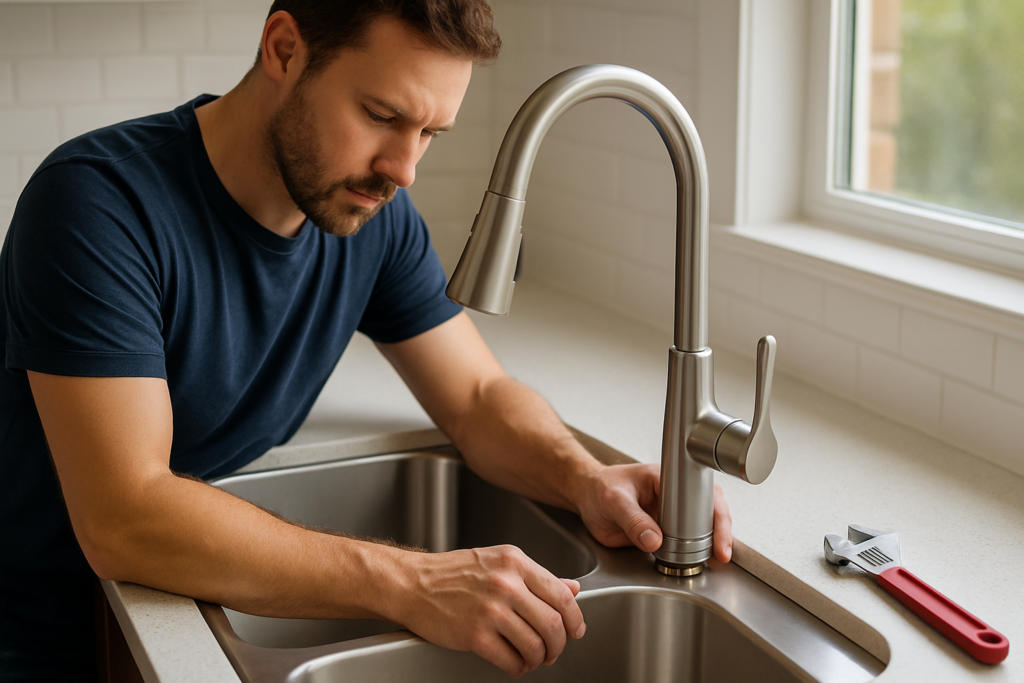
To effectively tighten a kitchen faucet, it’s crucial to understand its basic components. Most kitchen faucets consist of the spout, handle, and base. Knowing these parts will help you identify where the leaks or loosening may occur. The base is typically mounted to the sink and houses the cartridge or valve. A loose connection at this point is a common cause of leaks, making it essential to check it carefully. Additionally, the handle connects to the cartridge, and if it’s loose, it can affect water flow and temperature control. Familiarizing yourself with these components will make the tightening process smoother and more efficient.
Identifying Common Issues
Common issues with kitchen faucets include dripping, loose handles, and wobbly spouts. Dripping often results from worn washers or loose connections. Handle looseness may stem from a loose screw or a damaged cartridge. Wobbly spouts can occur if the base is not properly secured. By identifying these issues, you can focus your efforts on specific areas that need tightening.
Tools Required for Tightening
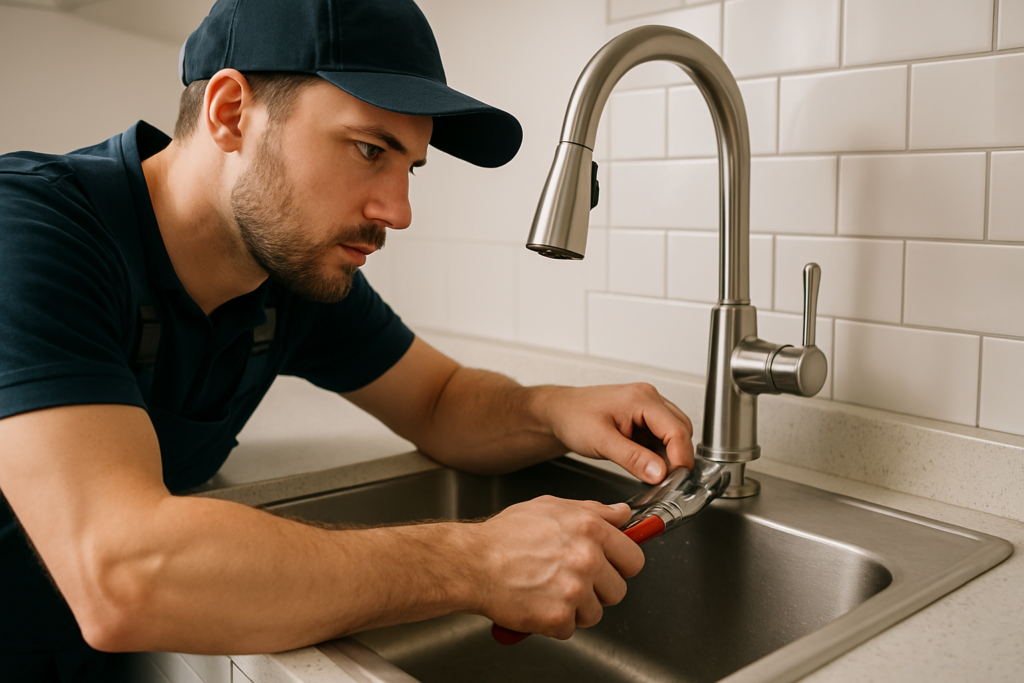
Before starting the tightening process, gather essential tools. A wrench or adjustable pliers is necessary for securing nuts and bolts. A screwdriver may be needed to tighten screws on the faucet handle. Additionally, a cloth can help protect the faucet’s finish during adjustments. Having the right tools on hand makes the process quicker and minimizes the risk of damaging your faucet.
Step-by-Step Guide to Tightening Your Faucet
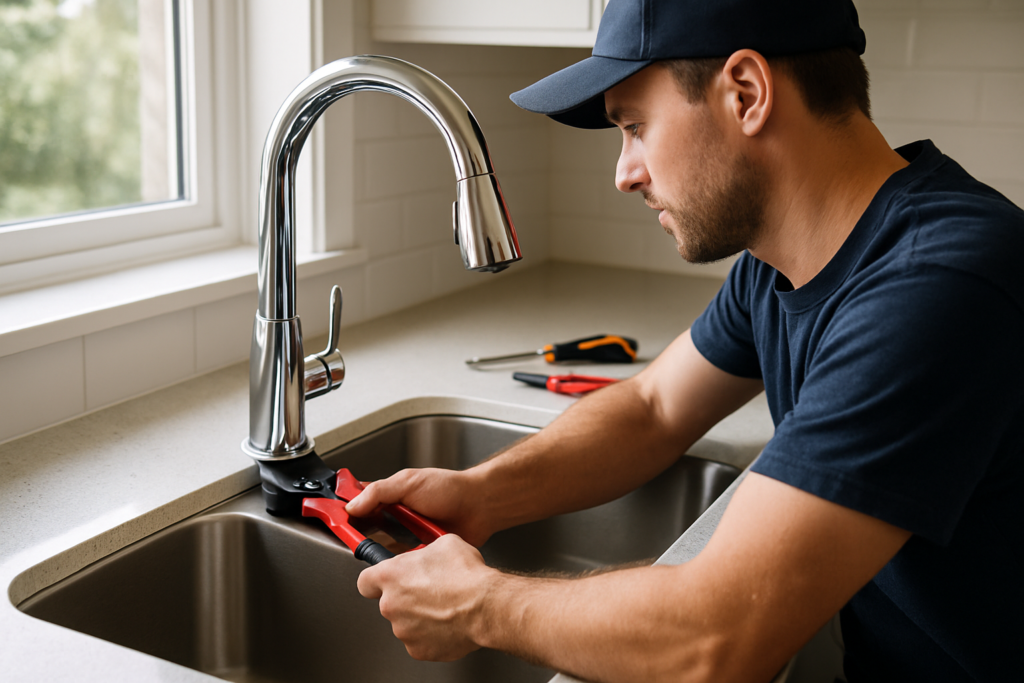
To tighten your kitchen faucet, start by turning off the water supply to prevent any leaks during the process. Next, remove the handle by loosening the screw underneath it, often found at the back or on the side. Once the handle is off, check the mounting nut or screws underneath the faucet base. Use your wrench or pliers to tighten these connections securely. After tightening, reattach the handle and turn the water supply back on to check for leaks. This systematic approach ensures that all components are properly secured, reducing the chance of future issues.
Turning Off the Water Supply
Before you begin tightening, locate the shut-off valves under the sink and turn them clockwise to stop the water flow. If you cannot find individual shut-off valves, consider turning off the main water supply to your home. This step is crucial to avoid mess and potential water damage while you work on your faucet.
Testing After Tightening
Once you have tightened the necessary components, it’s important to test your faucet. Turn the water supply back on and check for leaks around the base and handle. Run the faucet to ensure that it operates smoothly without any drip or wobble. If you notice any issues, revisit the tightening process to ensure everything is secure.
Understanding Faucet Types and Components
Before tightening your kitchen faucet, it’s crucial to understand the different types of faucets and their components. Most kitchen faucets are either compression, cartridge, ball, or ceramic disc types. Each has unique mechanisms that require specific attention when tightening. Familiarizing yourself with your faucet type can help prevent damage during the tightening process. Additionally, understanding the components such as the handle, spout, and mounting nuts is essential. Knowing where to apply pressure or turn tools can make the task easier and more effective.
Identifying Your Faucet Type
To effectively tighten your kitchen faucet, start by identifying its type. Compression faucets have separate hot and cold handles, while cartridge faucets have a single or dual control mechanism. Ball faucets typically have a single handle that controls both temperature and flow, whereas ceramic disc faucets use a pair of ceramic discs. Knowing your faucet type will guide you in choosing the right tightening method.
Key Components to Inspect
Check the key components of your faucet before tightening. Look for loose screws, nuts, or bolts under the sink. The mounting nut holds the faucet to the sink, while adjusting screws may secure the handle. Inspecting these components ensures you address the actual source of any wobbling or leaking, allowing for a more effective tightening process.
Key Points:
- Identify the faucet type for effective tightening.
- Inspect all relevant components before attempting repairs.
💡 Always turn off the water supply before starting any faucet repairs to avoid accidental leaks.
Step-by-Step Tightening Process
Once you’ve identified your faucet type and inspected its components, follow a systematic approach to tighten it. Start by ensuring you have the appropriate tools, typically a basin wrench or adjustable pliers. Begin with the mounting nut, which may require significant force. Once tightened, check the handle screws if applicable. Finally, turn on the water supply gradually and test for leaks. This methodical approach helps ensure a secure fit and functional faucet, reducing the likelihood of future issues.
Gathering Necessary Tools
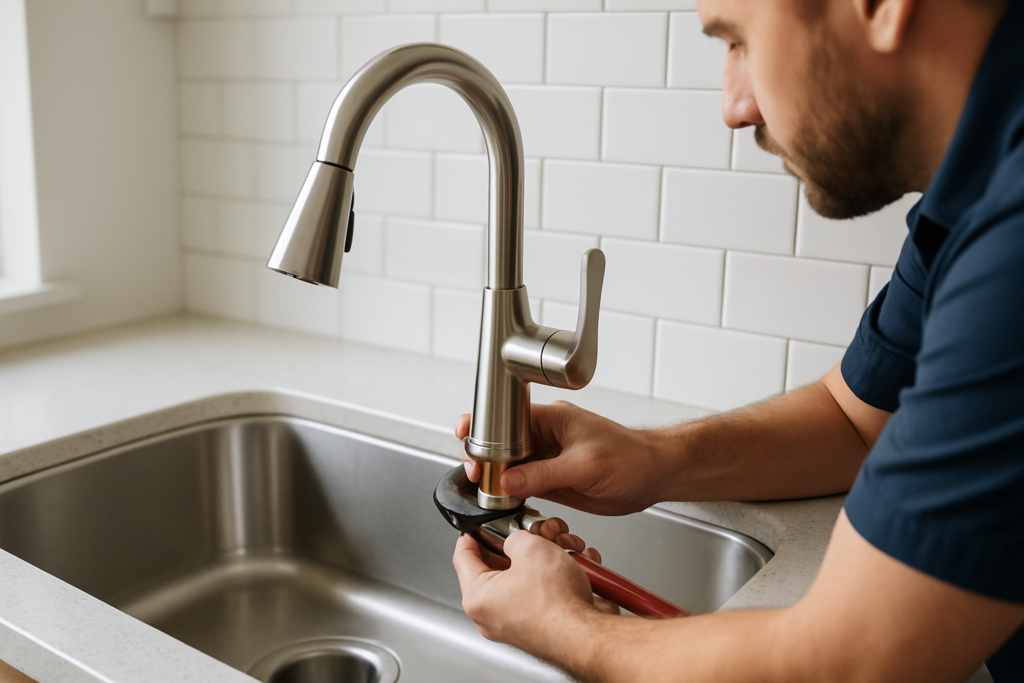
Before starting, gather the necessary tools. A basin wrench is ideal for reaching tight spaces and grasping the mounting nut securely. Additionally, an adjustable wrench or pliers can help with smaller screws and bolts. Having the right tools on hand makes the tightening process smoother and more efficient.
Executing the Tightening Steps
Begin tightening with the mounting nut located under the sink. Use your basin wrench to grip and turn it clockwise until secure. Next, inspect and tighten any handle screws or bolts. After everything is tightened, turn the water supply back on slowly to avoid sudden pressure changes, and check for leaks. This method ensures your faucet is secure and functional.
Key Points:
- Systematically follow the tightening process for best results.
- Check for leaks after completing the tightening to ensure a proper seal.
💡 Always check for leaks after tightening; a small leak may indicate insufficient tightening.
EXPERT TIPS Pro Advice
Use the right amount of force
Applying too much force can damage components, while too little may not secure them properly. Finding the right balance is key to effective tightening.
Periodically check your faucet
Regularly checking your faucet for looseness can prevent major repairs later. Early detection allows for quick fixes and maintains faucet functionality.
Inspect for wear and tear
Look for worn-out washers or seals when tightening. Replacing these parts can improve the faucet’s performance and prevent leaks.
Consult the installation manual
If available, refer to the faucet’s installation manual for specific tightening instructions, as different models may have unique requirements.
Frequently Asked Questions
Conclusion
Tightening a kitchen faucet is a straightforward task that can enhance its functionality and prevent leaks. Use the right tools, inspect for loose connections, and consider replacing worn parts if necessary. Regular maintenance can extend the life of your faucet.
🎯 Key Takeaways:
- Use appropriate tools like basin wrenches and screwdrivers.
- Identify loose faucets by checking for wobbling or leaks.
- Always turn off the water supply for safety.
- Inspect and replace worn washers or O-rings as needed.
Expert Advice: Regularly inspect your kitchen faucet to ensure it remains secure and leak-free. Proactive maintenance can save you from significant plumbing issues down the line.
Take a few moments to check your kitchen faucet today and ensure it’s properly tightened.