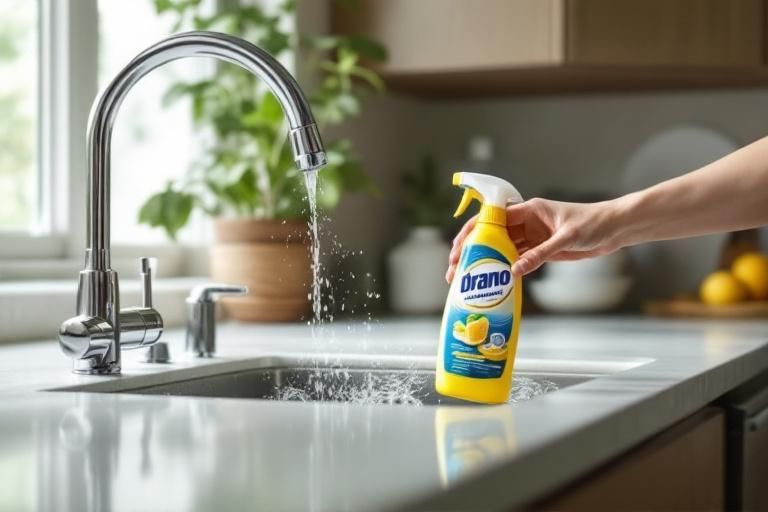
Are you struggling with a clogged kitchen sink and wondering, can you use Drano in the kitchen sink? While it might seem like a quick fix, using harsh chemical drain cleaners can lead to more harm than good. With over 15 years of experience in plumbing maintenance, I can guide you through the risks associated with using Drano and share safer alternatives. In this article, you will learn about the potential dangers of chemical cleaners, effective DIY solutions, and best practices for maintaining your kitchen sink. Equip yourself with the knowledge to tackle clogs without damaging your plumbing system.
Understanding Drain Cleaners
Drain cleaners are chemical solutions designed to dissolve clogs in plumbing systems. They typically contain powerful ingredients that can break down organic materials like hair, grease, and food particles. While these products can be effective, their use in kitchen sinks is a topic of concern. Many people wonder about the potential risks and benefits of using such cleaners in their home plumbing.
Types of Drain Cleaners
There are three main types of drain cleaners: caustic, acidic, and enzymatic. Caustic drain cleaners contain substances like sodium hydroxide, which can emulsify grease and dissolve clogs. Acidic cleaners, often composed of sulfuric acid, can effectively clear stubborn blockages but may harm pipes if used improperly. Enzymatic cleaners use natural enzymes to break down organic matter and are generally safer for plumbing systems.
How Drain Cleaners Work
Drain cleaners work by creating a chemical reaction that generates heat and breaks down clogs. For example, caustic drain cleaners react with water to produce heat, helping to dissolve grease. Understanding how these products function can help users make informed decisions on their application, especially in sensitive areas like kitchen sinks.
Key Points:
- Drain cleaners can dissolve various clogs effectively.
- Understanding the type of drain cleaner is crucial for safe use.
Risks of Using Drain Cleaners in Kitchen Sinks
Using drain cleaners in kitchen sinks carries several risks that homeowners should consider. The chemical composition can pose dangers not only to plumbing but also to health and safety. Many kitchen sinks contain materials like PVC or metal, which can be damaged by harsh chemicals. Additionally, improper use can lead to hazardous fumes and chemical burns.
Potential Damage to Plumbing
Chemical drain cleaners can corrode pipes, especially if used frequently or in excess. PVC pipes are particularly vulnerable to damage from strong chemicals, which can lead to leaks and costly repairs. Homeowners should consider alternative methods for clog removal that are less likely to compromise their plumbing.
Health and Safety Concerns
Drain cleaners can release toxic fumes when combined with other substances or when used in poorly ventilated areas. Ingesting these chemicals can also result in severe health issues. It’s essential to use protective gear and ensure proper ventilation when handling any chemical drain cleaner.
Key Points:
- Chemical cleaners can damage plumbing over time.
- Health risks include toxic fumes and potential burns.
Understanding the Risks of Using Drain Cleaners
Using drain cleaners, such as Drano, in the kitchen sink can pose several risks that homeowners should be aware of. These products contain harsh chemicals that can damage plumbing over time, especially if used frequently or inappropriately. Additionally, if a clog is caused by organic matter, the chemicals may not effectively clear the blockage, leading to potential overflows or backups. It’s crucial to evaluate the severity of the clog before resorting to chemical solutions, as mechanical methods or natural alternatives may be more suitable.
Chemical Composition and Its Effects
Most drain cleaners are composed of sodium hydroxide or sulfuric acid, which can corrode pipes, especially those made of PVC or older metal types. When these chemicals come into contact with water, they generate heat, which can cause pipes to warp or crack. Understanding these chemical interactions is vital for maintaining the integrity of your plumbing system.
Potential Environmental Impact
Using harsh chemicals can also lead to environmental concerns. When drain cleaners are washed away, they can enter local water systems, affecting aquatic life and ecosystems. Homeowners should consider the ecological footprint of their cleaning choices and explore more sustainable methods for unclogging drains.
Key Points:
- Chemical drain cleaners can damage plumbing if used improperly.
- Natural methods are often safer and environmentally friendly for unclogging sinks.
💡 Always try a plunger or a plumber’s snake before using chemical cleaners, as they are safer and often more effective.
💡 If you must use a drain cleaner, ensure proper ventilation and wear gloves to protect yourself from chemical burns.
💡 Consider using natural alternatives, such as baking soda and vinegar, which can help clear minor clogs without damaging pipes.
Alternatives to Chemical Drain Cleaners
When faced with a clogged kitchen sink, there are several effective alternatives to chemical drain cleaners. Utilizing physical methods or natural solutions can often resolve blockages without the risks associated with harsh chemicals. For minor clogs, a combination of hot water, baking soda, and vinegar can effectively clear debris while being gentle on pipes. If these methods fail, mechanical tools like a drain snake can be employed to dislodge stubborn clogs.
Mechanical Methods for Clearing Clogs
Using a plunger or a drain snake are effective mechanical methods for tackling clogs. A plunger creates pressure that can dislodge blockages, while a snake can reach deeper into pipes to remove stubborn debris. These methods are typically quick and do not involve the risks associated with chemical cleaners.
Using Natural Ingredients
Natural ingredients like baking soda and vinegar can create a chemical reaction that helps break down clogs. Pouring baking soda followed by vinegar into the drain can help clear minor blockages. After allowing the mixture to sit for a while, flushing with hot water can help wash away any remaining debris.
Key Points:
- Mechanical methods are often safer and can effectively clear clogs.
- Natural ingredients can help maintain drains without risking damage from harsh chemicals.
💡 For persistent clogs, consider calling a professional plumber to avoid damaging your pipes.
💡 Regularly maintain your kitchen sink by flushing it with hot water and natural cleaners to prevent future clogs.
💡 Keep hair, grease, and food particles from going down the drain by using a strainer; prevention is key.
EXPERT TIPS Pro Advice
Regular maintenance is key
Consistently cleaning your kitchen sink and drain with natural solutions can help prevent clogs before they happen, saving you time and hassle.
Know your plumbing system
Understanding the type of pipes in your home can guide your cleaning methods. For example, older pipes may be more susceptible to damage from chemical cleaners.
Use hot water wisely
Flushing your sink with hot water regularly can help dissolve grease and food particles, reducing the likelihood of clogs.
Avoid overusing drain cleaners
Frequent use of chemical cleaners can lead to long-term damage. Use them sparingly and only when absolutely necessary.
Educate family members about proper disposal
Teaching everyone in your household about what can and cannot go down the kitchen sink can significantly reduce clogging issues.
Frequently Asked Questions
Conclusion
Using Drano in the kitchen sink is not advisable due to potential damage to plumbing and health risks. Instead, consider safer alternatives like baking soda and vinegar for clogs. Regular maintenance can prevent issues, and don’t hesitate to call a plumber for persistent problems.
🎯 Key Takeaways:
- Avoid using Drano in the kitchen sink to prevent plumbing damage.
- Opt for safer alternatives like baking soda and vinegar.
- Regular maintenance can help prevent clogs in kitchen sinks.
- Use a plunger or plumbing snake for initial clog attempts.
- Seek professional help if clogs persist despite efforts.
Expert Advice: Prioritize safe and natural methods for maintaining your kitchen plumbing, and stay proactive in preventing clogs to ensure a smoothly functioning sink.
Evaluate your current plumbing habits and consider implementing preventive measures to maintain your kitchen sink effectively.