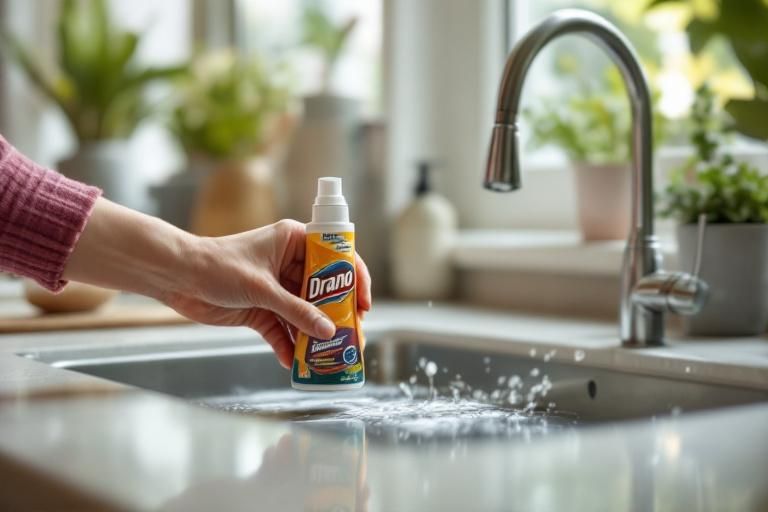
Have you ever found yourself facing a stubborn kitchen sink clog and wondered, ‘Can you use Drano on kitchen sink?’ You’re not alone. Many homeowners encounter this common issue, leading to a desperate search for effective solutions. While Drano is a popular choice for unclogging drains, its safety and effectiveness can vary depending on the situation. With over 15 years of experience in the field of plumbing and home maintenance, I can guide you through the intricacies of using chemical drain cleaners. In this article, we’ll explore the implications of using Drano on your kitchen sink, alternative methods for clearing clogs, and important safety tips to ensure your plumbing remains intact. Let’s dive into the best practices for maintaining a flowing kitchen sink without the risk of damage.
Understanding Drain Cleaners
Drain cleaners are chemical substances designed to dissolve clogs in plumbing systems. They often contain powerful ingredients like sodium hydroxide or sulfuric acid, which can break down organic materials such as hair, grease, and soap scum. However, using these chemicals requires caution, as they can damage pipes or create hazardous fumes. It’s essential to understand the types of drain cleaners available and their appropriate applications before deciding to use them, especially in a kitchen sink, where food particles and grease are common culprits of clogs.
Types of Drain Cleaners
There are primarily three types of drain cleaners: chemical, enzymatic, and mechanical. Chemical cleaners are fast-acting but can be harsh on pipes. Enzymatic cleaners are gentler and work by digesting organic matter, making them a safer option. Mechanical methods, such as plungers or drain snakes, can physically remove clogs without chemicals, which is often the safest approach for kitchen sinks.
Risks of Using Chemical Cleaners
Using chemical drain cleaners poses several risks, particularly in kitchen sinks. They can corrode pipes made of certain materials, leading to leaks and costly repairs. Additionally, if not used correctly, they can cause harmful reactions when mixed with other substances. Always follow safety precautions, including wearing gloves and ensuring adequate ventilation.
Key Points:
- Drain cleaners vary in type and efficacy.
- Chemical cleaners can pose risks to plumbing systems.
Is Drano Safe for Kitchen Sinks?
When considering whether you can use Drano on a kitchen sink, it’s crucial to evaluate the potential implications. While many people use it for effective clog removal, kitchen sinks often contain a mix of food particles, grease, and soap. Drano’s caustic nature can effectively clear clogs, but it can also harm plumbing fixtures if misused. Additionally, kitchen sinks may have sensitive components, such as garbage disposals, which could be damaged by harsh chemicals.
Impact on Plumbing
Using Drano can lead to significant damage, especially in older plumbing systems. The chemical reaction caused by Drano can create heat, which may warp or weaken pipes over time. Homeowners should assess their plumbing materials and consider alternatives that are less damaging yet still effective.
Alternatives to Drano
If you’re hesitant about using Drano in your kitchen sink, consider safer alternatives. Baking soda and vinegar can effectively break down minor clogs without the harshness of chemicals. Boiling water can also help dissolve grease buildup when poured directly down the drain. These methods are safer for both your plumbing and the environment.
Key Points:
- Evaluate your plumbing before using harsh chemicals.
- Consider safer alternatives to chemical drain cleaners.
Understanding the Risks of Using Drano on Kitchen Sinks
Using Drano on kitchen sinks can be tempting, especially for stubborn clogs. However, it’s crucial to understand the potential risks associated with its use. The caustic chemicals in Drano can damage pipes, particularly older or plastic ones, leading to costly repairs. Additionally, if not used correctly, it may not fully clear the clog and can cause dangerous chemical reactions. Always consider alternative methods before resorting to chemical solutions.
Chemical Reactions and Pipe Damage
Drano contains sodium hydroxide, which generates heat when mixed with water. This can cause damage to PVC pipes or older metal pipes, leading to leaks or bursts. If your pipes are already corroded, using such chemicals can exacerbate the problem and lead to significant plumbing issues.
Environmental Impact
Chemical drain cleaners like Drano can harm the environment when they enter the water supply. They can disrupt aquatic ecosystems and contribute to pollution. Opting for eco-friendly alternatives not only protects your plumbing but also minimizes environmental harm.
Key Points:
- Understand the risks before using Drano
- Explore safer alternatives for clogs
💡 Consider using a plunger or a plumbing snake for safer clog removal methods.
Best Practices for Clearing Kitchen Sink Clogs
When faced with a clogged kitchen sink, there are effective and safer methods to consider before using chemical cleaners. These methods not only minimize risk to your plumbing but also provide a high success rate in clearing clogs. Techniques like using a plunger, a snake, or natural remedies can be effective and environmentally friendly ways to address the issue.
Using a Plunger Effectively
A plunger can be a powerful tool for clearing clogs. To use it effectively, ensure there is enough water in the sink to cover the plunger’s cup. Create a tight seal and plunge vigorously for 20-30 seconds. This action can dislodge most clogs without damaging the pipes.
Natural Remedies for Clogs
For minor clogs, consider using a mixture of baking soda and vinegar. Pour half a cup of baking soda followed by half a cup of vinegar down the drain. Allow it to sit for 30 minutes and then flush with hot water. This method is non-toxic and can effectively break down grease and debris.
Key Points:
- Use plungers and natural remedies for safer clog removal
- Regular maintenance helps prevent future clogs
💡 Regularly clean your sink drains with hot water to prevent buildup.
EXPERT TIPS Pro Advice
Assess the type of clog before choosing a method
Understanding whether the clog is due to grease, food particles, or foreign objects can help you select the appropriate unclogging method.
Always try mechanical methods first
Mechanical methods like plunging or snaking are safer and often more effective than chemical solutions and prevent potential damage to plumbing.
Invest in regular maintenance
Regularly cleaning your kitchen sink and drains can prevent clogs from forming, saving you time and money in the long run.
Know when to call a professional
If a clog persists after multiple attempts to clear it, it may indicate a bigger plumbing issue that requires a professional’s expertise.
Frequently Asked Questions
Conclusion
Using Drano on a kitchen sink can be effective for clearing clogs but comes with risks. Always consider safer alternatives first and use precautions to protect your plumbing. Regular maintenance can help prevent clogs, reducing the need for chemical cleaners.
🎯 Key Takeaways:
- Drano can help clear clogs but may damage pipes.
- Always remove visible debris before using Drano.
- Consider safer alternatives for minor clogs.
- Caution is needed to avoid toxic fumes.
- Frequent use of Drano is not recommended.
Expert Advice: Prioritize regular maintenance and natural remedies to keep your kitchen sink drains clear. Reserve chemical treatments like Drano for more serious clogs, and always follow safety guidelines to protect your plumbing.
Assess your kitchen sink maintenance routine and explore natural remedies to prevent clogs before resorting to chemical solutions.