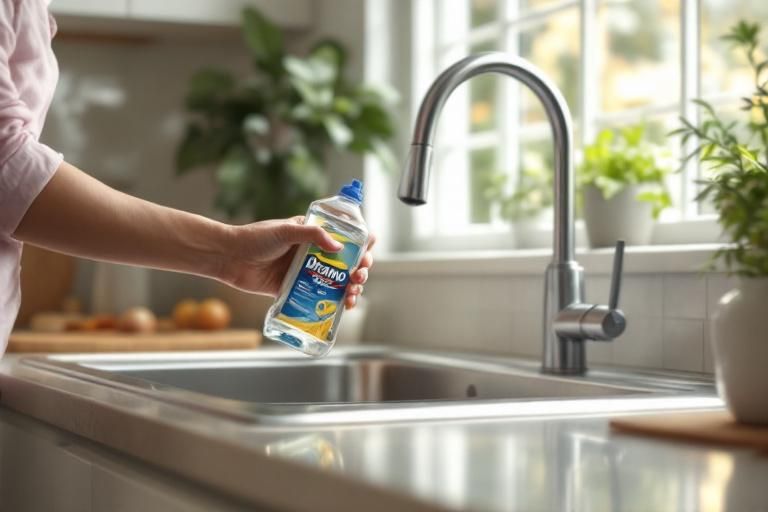
Have you ever wondered, can you use Drano in the kitchen sink? Many homeowners face clogged drains and often turn to powerful chemicals for quick fixes. However, using harsh drain cleaners like Drano can pose risks to both your plumbing and your health. With over 15 years of experience in home maintenance and plumbing solutions, I can guide you through the implications of using such products in your kitchen sink. In this article, you’ll learn about safe alternatives, potential hazards, and expert tips for maintaining a healthy kitchen drainage system. Let’s explore the best practices for keeping your kitchen sink clog-free without compromising safety.
Understanding Kitchen Sink Clogs
Kitchen sink clogs are common and can occur due to accumulated grease, food particles, and soap residue. These clogs can lead to slow drainage or complete blockage, prompting many homeowners to seek quick solutions. It’s essential to identify the cause of the clog, as this determines the best course of action. While chemical drain cleaners are an option, understanding their implications is crucial for effective use and maintenance of plumbing systems.
Common Causes of Clogs
Clogs in kitchen sinks often develop from a buildup of grease, food scraps, and soap scum. When these materials combine, they can create a thick sludge that prevents water from draining properly. Regular maintenance, such as cleaning the drain and disposing of food waste properly, can help prevent these clogs from forming.
Impact of Clogs on Plumbing
Persistent clogs can lead to more severe plumbing issues, such as pipe damage or leaks. Water backing up in sinks can create unsanitary conditions and may even attract pests. Addressing clogs promptly can mitigate these risks and ensure your plumbing remains in good condition.
Key Points:
- Identifying clog causes helps in effective prevention.
- Neglecting clogs can lead to serious plumbing issues.
💡 Regularly clean your sink and drains to prevent buildup.
💡 Avoid pouring grease down the drain to reduce clog risk.
Using Chemical Drain Cleaners Safely
Chemical drain cleaners, like those containing sodium hydroxide or sulfuric acid, can effectively dissolve clogs. However, they come with risks, especially in kitchen sinks where food and organic materials are involved. These substances can be harmful to your plumbing and the environment. Understanding how to use them safely, as well as potential alternatives, is vital for maintaining both effective drainage and plumbing health.
Risks of Using Chemical Cleaners
Chemical drain cleaners can corrode pipes over time, especially older plumbing systems. Additionally, if the cleaner does not fully dissolve the clog, it can create a dangerous situation if other methods are used afterward. Always consider these risks before opting for a chemical solution.
Alternatives to Chemical Cleaners
There are several alternatives to chemical drain cleaners, including baking soda and vinegar, which can effectively break down minor clogs without risking damage to plumbing. Regularly flushing your drains with hot water can also help keep them clear. For severe clogs, mechanical methods like plungers or snakes may be more effective.
Key Points:
- Chemical cleaners can damage plumbing if misused.
- Natural alternatives can be effective and safer solutions.
💡 Always read labels and safety instructions before use.
💡 Consider natural alternatives to minimize environmental impact.
Understanding the Risks of Using Drano in Kitchen Sinks
Using Drano in kitchen sinks is a contentious topic among homeowners and plumbers alike. The primary risk lies in the potential damage to plumbing systems. Kitchen sinks often contain a combination of grease, food particles, and soap residues, which can react adversely with chemical drain cleaners. These reactions may lead to pipe corrosion, especially in older plumbing systems, and can cause leaks or clogs to worsen. Additionally, chemical burns and toxic fumes are serious safety concerns that should not be overlooked.
Chemical Composition and Its Effects
Drano typically contains sodium hydroxide, which is highly caustic. When it comes into contact with organic substances like food waste, it can generate heat and gases that may exacerbate clogs. This chemical reaction can also lead to the breakdown of PVC or metal pipes, increasing the risk of plumbing failures over time.
Potential for Toxic Fumes
When Drano is used improperly, it can release toxic fumes that are hazardous to health. Inadequate ventilation can exacerbate this problem, leading to respiratory issues. It’s crucial to ensure proper airflow and to avoid mixing with other chemicals, which can create even more harmful reactions.
Alternatives to Chemical Drain Cleaners
Instead of using Drano, consider alternative methods for unclogging kitchen sinks. Hot water, vinegar, and baking soda can often break down organic material without the risks associated with harsh chemicals. Additionally, mechanical methods like plunging or using a plumber’s snake can effectively clear blockages.
💡 Always read labels and safety warnings before using any chemical cleaner.
💡 Consider using a natural drain cleaner to avoid the risks associated with harsh chemicals.
💡 Keep your kitchen sink maintained by regularly cleaning it to avoid clogs.
Best Practices for Clearing Kitchen Sink Clogs
When faced with a clogged kitchen sink, it’s essential to approach the situation methodically. Start by assessing the severity of the clog. If the sink drains slowly but not completely, a simple solution may suffice. However, if the sink is entirely blocked, more intensive measures may be necessary. Understanding the root cause of clogs—whether it’s grease buildup or food debris—can also inform your approach and techniques to use.
Initial Troubleshooting Steps
Begin with basic troubleshooting by removing any visible debris or food particles from the sink. Next, try boiling water to dissolve grease. Pouring boiling water slowly down the drain can often break up minor clogs without the need for harsh chemicals. If this does not work, proceed to the next steps.
Using a Plunger Effectively
If boiling water fails, use a plunger. Ensure there is enough water in the sink to cover the plunger’s cup. Create a tight seal and plunge vigorously for about 30 seconds. This method can dislodge many clogs without resorting to chemicals, making it a safer option for kitchen sinks.
When to Call a Professional
If DIY methods do not resolve the clog, it may be time to consult a professional plumber. Persistent clogs can indicate deeper issues within the plumbing system that require specialized tools and expertise. Ignoring these signs may lead to more significant plumbing problems down the line.
💡 Regularly clean your sink to prevent buildup and clogs.
💡 Use a strainer to catch food particles before they enter the drain.
💡 If you notice recurring clogs, investigate further to avoid future plumbing issues.
EXPERT TIPS Pro Advice
Use natural alternatives for minor clogs.
Natural solutions like baking soda and vinegar are effective for minor clogs and are safe for your plumbing.
Avoid pouring grease down the drain.
Grease can solidify in pipes, leading to clogs. Always dispose of grease in the trash.
Perform regular maintenance checks.
Routine checks can help identify potential issues before they escalate, saving you time and money.
Educate family members about sink use.
Ensure everyone knows not to dispose of food scraps and other debris in the sink to minimize clogs.
Consider a professional inspection for older plumbing.
Older plumbing systems may be more susceptible to damage from chemical cleaners, so an inspection can prevent future issues.
Frequently Asked Questions
Conclusion
Using Drano in the kitchen sink poses significant risks, including potential pipe damage and harmful fumes. Instead, consider safer alternatives like baking soda and vinegar for minor clogs. If the problem persists, consulting a plumber is the best course of action for effective and safe resolution.
🎯 Key Takeaways:
- Avoid using Drano in kitchen sinks due to risks.
- Natural alternatives are safer and effective.
- Consult a plumber for persistent clogs.
- Chemical cleaners can harm plumbing systems.
- Preventive maintenance can reduce clogs.
Expert Advice: Empower yourself with safe, effective methods for maintaining your kitchen sink. Regular cleaning and proper disposal of waste can help you avoid clogs altogether.
Take the time to explore natural solutions for your kitchen sink and consider professional help if needed.
Pingback: Best Way To Clean Stainless Steel Kitchen Sink: Top Picks - NATURE LEAF KITCHEN