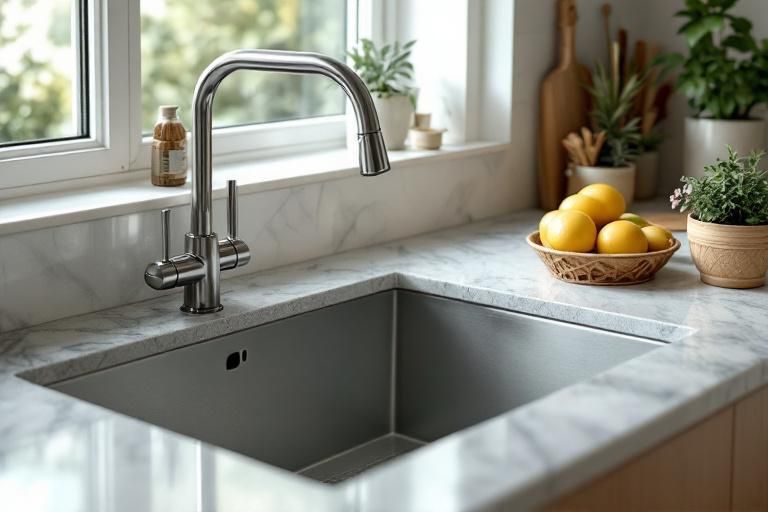
Have you ever wondered, can you replace a kitchen sink without replacing the countertop? This is a common concern for homeowners looking to upgrade their kitchen without incurring the high costs of a full renovation. Many believe that a new sink necessitates a new countertop, but that isn’t always the case. With the right knowledge and techniques, it is entirely possible to replace your kitchen sink while keeping your existing countertop intact. In this article, we’ll explore the essential steps, tips, and considerations to ensure a successful sink replacement. You’ll learn about the types of sinks that are compatible with your current countertop, how to avoid common pitfalls during the installation process, and expert advice to help you achieve a seamless upgrade in your kitchen.
Understanding Kitchen Sink Replacement
Replacing a kitchen sink is a common home improvement task that can refresh your kitchen’s appearance and functionality. Many homeowners wonder, ‘can you replace a kitchen sink without replacing the countertop?’ The answer is yes, but it comes with certain considerations. The existing countertop material, sink type, and installation method all play a crucial role in determining the feasibility of this project. It’s essential to evaluate these factors before proceeding to ensure a smooth replacement process that avoids damage to your countertop.
Types of Sinks and Countertops
Different sink types, such as drop-in, undermount, and farmhouse sinks, interact differently with countertops. Drop-in sinks rest on the countertop, while undermount sinks are installed beneath it. If you’re replacing a drop-in sink with another of the same type, it’s generally easier to do so without affecting the countertop. Conversely, switching from an undermount to a drop-in sink may require countertop modifications.
Assessing Your Countertop Material
The type of countertop material significantly influences the sink replacement process. Materials like laminate or solid surface are more forgiving and easier to work with than granite or quartz. If your countertop is made of a more rigid or brittle material, there’s a higher risk of damage during the sink removal process. Understanding your countertop’s durability is crucial for a successful sink replacement without a full countertop overhaul.
💡 Research sink types and their compatibility with existing countertops
💡 Inspect your countertop material before starting the replacement
Preparing for Sink Replacement
Before replacing your kitchen sink, proper preparation is vital to ensure a successful installation without needing to replace the countertop. Start by gathering the necessary tools and materials, including a wrench, plumber’s tape, and a basin wrench. Additionally, it’s important to turn off the water supply and disconnect the plumbing to avoid leaks. Preparation also involves measuring the existing sink space accurately to ensure the new sink fits perfectly without requiring modifications to the countertop.
Tools Needed for Replacement
To effectively replace your kitchen sink, you will need a few essential tools. A basin wrench is crucial for reaching difficult plumbing fittings. A standard wrench will help detach the existing sink from its fittings. Having plumber’s tape on hand will ensure watertight connections when reassembling the plumbing. Gathering these tools before starting will streamline the process and prevent unnecessary delays.
Measuring and Preparing the Space
Accurate measurements of the existing sink space are critical for a successful replacement. Measure the length, width, and depth of the current sink, and check the distance between the sink and the countertop edges. Ensuring the new sink matches these dimensions will help avoid issues during installation. Additionally, clear the area around the sink to provide enough workspace for the replacement process.
💡 Take multiple measurements to ensure accuracy
💡 Prepare your workspace to facilitate a smooth replacement
Understanding Sink and Countertop Compatibility
Before deciding to replace your kitchen sink without changing the countertop, it’s crucial to understand the compatibility of both components. Kitchen sinks come in various sizes and styles, which means not every sink will fit into every countertop cutout. Measure your existing sink and the countertop cutout accurately to ensure a proper fit. Additionally, consider the material of your countertop; some materials can be more forgiving during the installation process than others. If your current sink is a drop-in style, replacing it with another drop-in sink of the same dimensions is typically the easiest option.
Measuring Your Existing Sink
To replace your sink successfully, you must take precise measurements of your existing sink’s dimensions, including length, width, and depth. Don’t forget to measure the depth of the sink basin, as it can impact plumbing connections and the overall aesthetics. Consider how these dimensions will affect the functionality of your kitchen. If the new sink is slightly larger, it may require modifications to the countertop, which could complicate the process.
Evaluating Countertop Material
The material of your countertop plays a significant role in how easily you can replace the sink. For example, laminate countertops are easier to cut and modify than granite or quartz. If your countertop is made of a solid material, any alterations to accommodate a new sink might require professional assistance. Understanding your countertop’s properties can help you make informed decisions about whether to proceed with the replacement without risking damage.
Key Points:
- Accurate measurements are crucial for sink replacement.
- Countertop material affects replacement feasibility.
💡 Always measure twice to avoid costly mistakes.
💡 Consider the weight of the new sink; heavier sinks may need additional support.
💡 Check local plumbing codes to ensure compliance during installation.
Step-by-Step Guide to Replacing the Sink
Replacing a kitchen sink without changing the countertop can be a manageable DIY project with the right approach. Begin by disconnecting the plumbing, which includes turning off the water supply and detaching the faucet and drain. Once the plumbing is disconnected, remove the existing sink by loosening any retaining clips and carefully lifting it out of the countertop cutout. Ensure that you are equipped with the proper tools, such as a screwdriver and a putty knife, for a smooth removal process. After the old sink is out, carefully install the new sink by following the manufacturer’s instructions, ensuring a snug fit in the existing cutout.
Disconnecting the Plumbing
Before you start the sink replacement, it’s essential to turn off the water supply and drain any remaining water from the pipes. Disconnect the faucet, supply lines, and the drain assembly using a wrench or pliers. By removing these components first, you avoid any potential water damage and ensure a clean workspace for installation.
Installing the New Sink
Once the old sink is removed, it’s time to install the new sink. Apply a good quality silicone sealant around the cutout edge of the countertop before placing the new sink in position. Ensure that it sits evenly and is level. Secure the sink to the countertop using the provided clips or brackets, and then reconnect the plumbing components. Double-check for leaks by turning on the water supply gradually and inspecting all connections.
Key Points:
- Proper plumbing disconnection is essential for installation.
- Ensure a tight seal to prevent leaks after installation.
💡 Use silicone sealant to prevent leaks and ensure a tight fit.
💡 Have a helper to hold the sink in place during installation.
💡 Keep a towel handy to clean up any spills or drips during the process.
EXPERT TIPS Pro Advice
Prioritize safety during installation
Always wear safety goggles and gloves to protect yourself from sharp edges or debris while working on your sink replacement.
Consider a professional inspection
If you’re unsure about the plumbing or structural integrity of your countertop, consider consulting a professional to avoid future issues.
Plan for drainage issues
Ensure that the new sink’s drain aligns perfectly with the existing plumbing. Misalignment can lead to drainage problems.
Check for warranty implications
Some countertops may have warranties that could be voided by modifications; verify this before proceeding.
Frequently Asked Questions
Conclusion
Replacing a kitchen sink without changing the countertop is feasible with the right preparation and tools. Ensuring the new sink fits the existing space and plumbing is crucial. Proper sealing after installation will prevent leaks and extend the sink’s life.
🎯 Key Takeaways:
- You can replace a sink without replacing the countertop if it fits the existing cutout.
- Essential tools include wrenches, screwdrivers, and caulk for sealing.
- Professional help can ensure a seamless and code-compliant installation.
- Caulking is crucial to prevent water damage after installation.
Expert Advice: Before starting your sink replacement, carefully measure and assess your current plumbing. Taking the time to plan will save you from potential complications during installation.
Consider your options and begin planning your kitchen sink replacement project today!