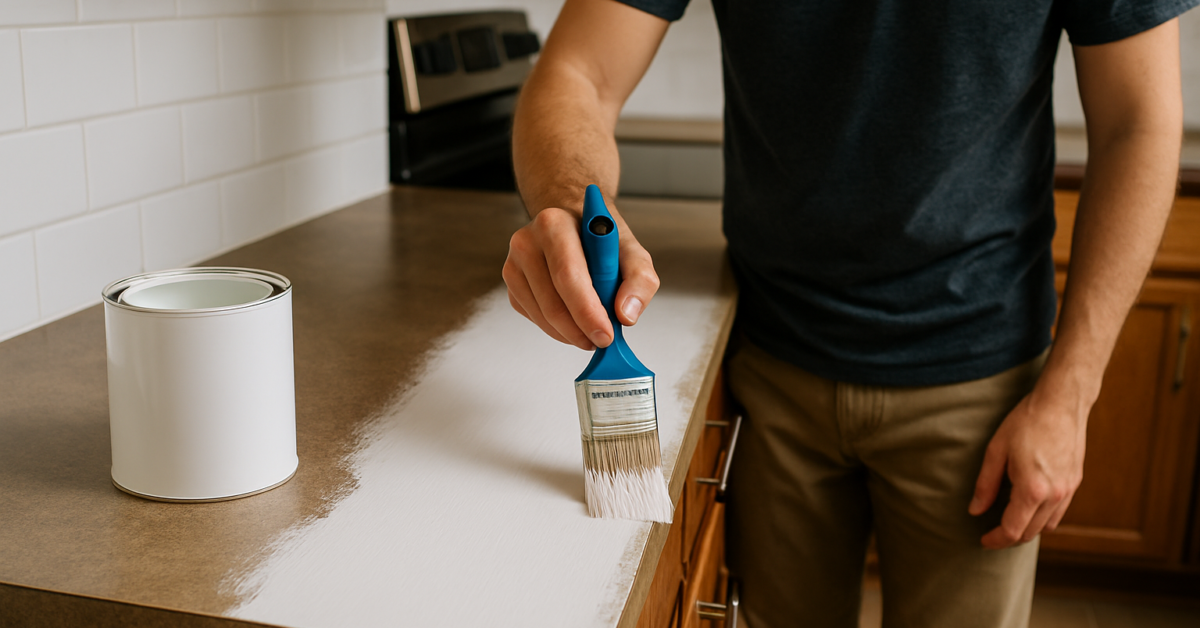
Are you tired of your outdated laminate kitchen countertops and wondering, can I paint my laminate kitchen countertops? Many homeowners face this dilemma, seeking a cost-effective way to refresh their kitchen without the expense of a full remodel. With over 15 years of experience in home improvement and DIY projects, I can confidently assure you that painting laminate countertops is not only possible but can also yield stunning results when done correctly. In this article, we will explore the necessary steps, techniques, and tips to successfully paint your laminate countertops, ensuring a durable finish that enhances your kitchen’s aesthetic appeal. Get ready to transform your space with this simple yet effective solution!
Understanding Laminate Countertops
Laminate countertops are a popular choice in many kitchens due to their affordability and variety of styles. Made from layers of plastic, they are non-porous and resistant to stains and moisture. However, they can scratch and may not withstand high temperatures, leading to concerns about their longevity and appearance. Painting laminate countertops is a viable option for homeowners seeking a fresh look without the expense of replacement. Understanding the composition and characteristics of laminate is essential before embarking on a painting project.
Composition of Laminate
Laminate countertops consist of a core material, typically particleboard or MDF, topped with a decorative layer and a protective finish. This structure provides durability and ease of maintenance. Knowing this composition helps in selecting the right paint and application method, ensuring a successful outcome when painting.
Advantages of Laminate
One of the main advantages of laminate countertops is their affordability compared to natural stone or solid surfaces. They are available in numerous colors and patterns, allowing for customization in any kitchen design. Additionally, they require minimal maintenance, making them a practical choice for busy households.
Limitations of Laminate
While laminate countertops have many benefits, they also have limitations. They can be less heat-resistant and may chip or scratch more easily than other materials. Understanding these drawbacks is crucial when considering a paint job, as certain types of paints may not adhere well or withstand wear over time.
Can I Paint My Laminate Kitchen Countertops?
Yes, you can paint your laminate kitchen countertops, but it requires careful preparation and the right materials. The process generally involves cleaning, sanding, and priming the surface to ensure proper adhesion of the paint. It’s important to choose a paint specifically designed for laminate surfaces to achieve a durable finish. The result can transform your kitchen at a fraction of the cost of replacement countertops, while still providing a refreshed look and feel.
Preparation Steps
Before painting, thorough preparation is essential. Start by cleaning the countertops with a degreaser to remove any oils or residues. Next, lightly sand the surface to create a rough texture for better paint adhesion. Finally, apply a primer suitable for laminate, which will enhance paint adherence and durability.
Choosing the Right Paint
When selecting paint for laminate countertops, opt for a high-quality, durable option such as acrylic or epoxy paint. These types are designed to withstand wear and tear, making them suitable for kitchen surfaces. Always check the manufacturer’s recommendations to ensure compatibility with laminate materials.
Application Techniques
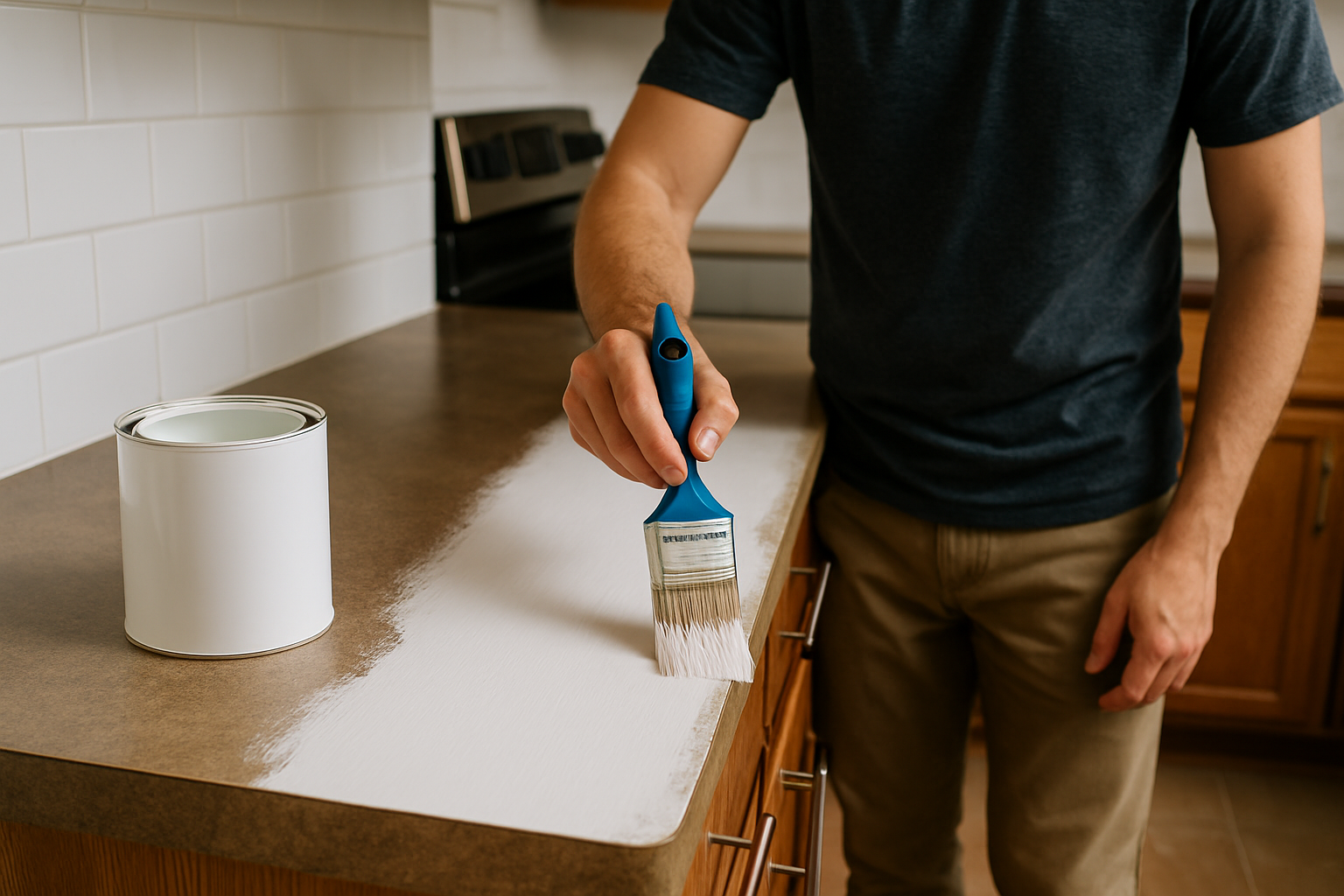
When applying paint, use a high-density foam roller or a synthetic brush to achieve a smooth finish. Apply multiple thin coats rather than one thick coat to prevent drips and allow for even drying. Follow the manufacturer’s drying times between coats for the best results.
Understanding Laminate Countertops
Laminate countertops are popular due to their affordability and variety of designs. However, they can be prone to scratches and stains, which leads many homeowners to consider painting them. Before undertaking this project, it’s essential to understand the type of laminate you have, as this can influence the painting process and the final results.
Types of Laminate Finishes
Laminate surfaces come in different finishes, such as glossy, matte, or textured. Glossy finishes may require thorough sanding to ensure paint adhesion, while matte finishes might allow for easier application. Identifying your countertop’s finish is crucial for selecting the right preparation method.
Assessing Countertop Condition
Before painting, examine your countertops for damage. Cracks, chips, or deep scratches should be repaired to prevent further degradation. A smooth surface is essential for paint application, as imperfections will be visible once painted. Consider patching any damaged areas with a suitable filler.
Preparation Steps
Proper preparation is critical for a successful paint job. Start by cleaning the countertops thoroughly to remove dirt and grease. Next, lightly sand the surface to create a texture for better paint adhesion. Finally, wipe down with a damp cloth to remove dust before applying any primer.
Key Points:
- Identifying the laminate finish is crucial for preparation.
- Repairing any damages before painting will ensure a better final appearance.
💡 Always test paint on a small, inconspicuous area first to evaluate adhesion and finish before the full application.
💡 Consider using a primer specifically designed for laminate surfaces to enhance durability and paint adherence.
Painting Techniques for Laminate Countertops
Once the laminate surface is prepared, understanding the correct painting techniques is vital for achieving a professional-looking finish. There are several methods available, each with its own advantages and potential drawbacks. The choice of technique will depend on the desired outcome and your level of expertise.
Choosing the Right Paint
Selecting the right paint is critical for longevity and appearance. Use a paint formulated for high-traffic surfaces, as it will be more resistant to chipping and scratching. Additionally, water-based paints are easier to work with and clean up, making them a practical choice for DIY projects.
Application Techniques
For a smooth finish, consider using a roller or a foam brush for application, as these tools minimize brush marks. Apply multiple thin coats, allowing adequate drying time between each layer. This technique will not only improve durability but also create a more even finish.
Finishing Touches
After the final coat of paint dries, consider applying a clear sealer or topcoat to protect the surface. This additional layer will help resist moisture and stains, prolonging the life of your newly painted countertops. Be sure to follow the manufacturer’s instructions for application and drying times.
Key Points:
- Choosing the right paint enhances durability.
- Multiple thin coats lead to a smoother, more professional finish.
💡 Apply at least two to three coats of paint for optimal coverage and durability.
💡 Always allow proper drying time between coats to avoid peeling or bubbling in the finish.
EXPERT TIPS Pro Advice
Test adhesion with a primer first
Using primer on a small section before painting can help determine how well the paint will adhere, preventing a larger failure later.
Consider a textured finish for added depth
Using a textured paint can add dimension to the surface, making minor imperfections less noticeable while providing a unique look.
Ventilation is key during painting
Ensuring good ventilation protects your health and improves the drying process, leading to better results.
Be patient during the curing process
Allowing adequate time for paint and sealers to fully cure is essential for ensuring a durable finish that withstands everyday use.
Regular maintenance post-painting
Implementing a regular cleaning routine with gentle, non-abrasive cleaners will help maintain the appearance and longevity of your painted countertops.
Frequently Asked Questions
Conclusion
Painting laminate kitchen countertops is an achievable DIY project, allowing you to refresh your kitchen affordably. Proper preparation, including cleaning and priming, is crucial to ensure durability. While painted surfaces require care, they can significantly enhance your kitchen’s aesthetics.
🎯 Key Takeaways:
- Use laminate-specific paint for better results.
- Always primer before painting for adhesion.
- Maintenance is key for long-lasting results.
- Sealant can protect your painted surface.
Expert Advice: Before starting, gather all necessary materials and ensure you have a well-ventilated workspace. Follow instructions carefully to achieve the best results.
Consider taking the plunge and transforming your countertops, but plan your project carefully for the best outcome.