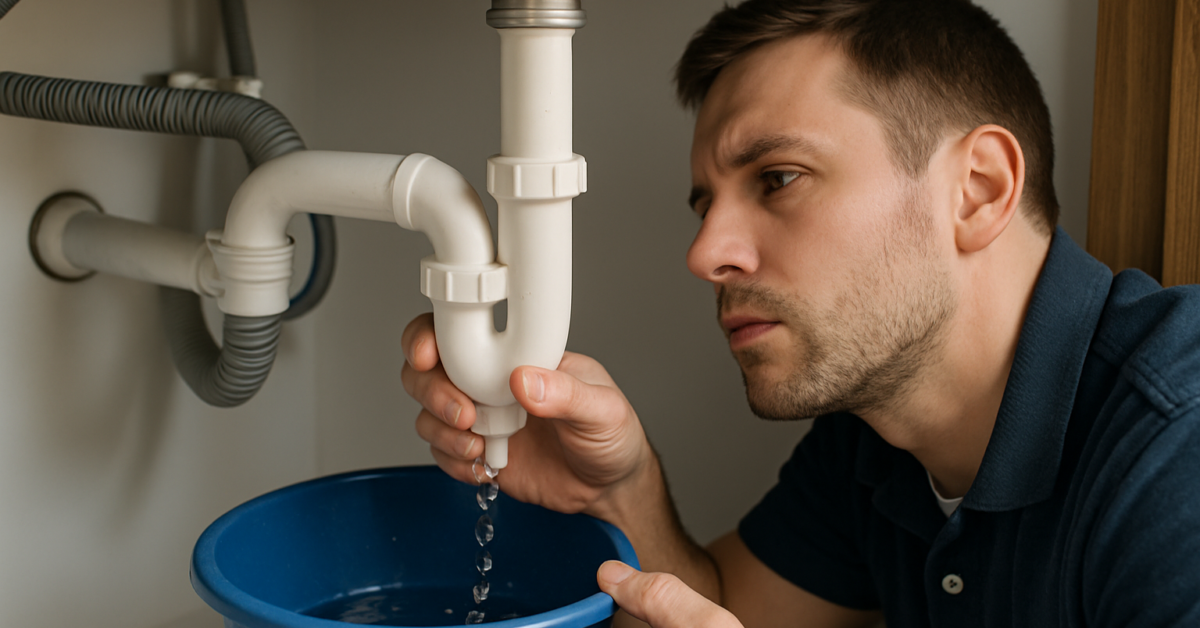
Are you tired of the constant drip from your kitchen sink drain? A leaking kitchen sink drain can be a frustrating issue that not only wastes water but can also lead to costly damage if left unattended. With over 15 years of experience in home maintenance and plumbing solutions, I’m here to guide you through the straightforward steps to fix this common problem. In this article, you will learn how to identify the source of the leak, gather the necessary tools, and execute the repair effectively. Whether you’re a seasoned DIY enthusiast or a first-time homeowner, you’ll find valuable insights to tackle the repair with confidence.
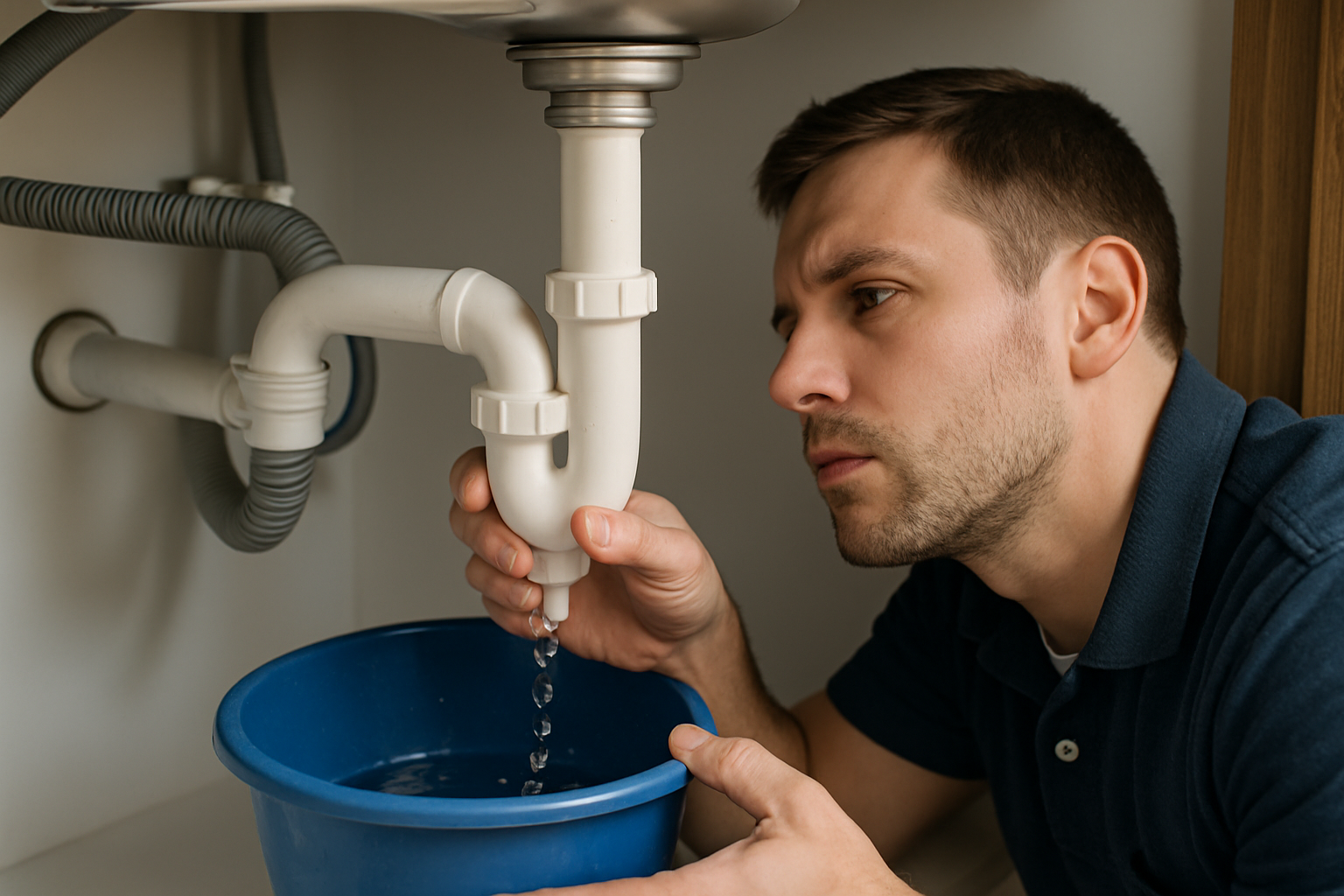
Understanding the Common Causes of Kitchen Sink Drain Leaks
A leaking kitchen sink drain can be a frustrating issue, often resulting from various underlying problems. Understanding these causes is the first step to effective repair. Common culprits include worn-out washers, loose fittings, and corrosion. Each of these issues can lead to water escaping from the drain assembly, creating potential damage to your cabinetry and flooring. By identifying the cause, you can take targeted action to rectify the situation, ensuring a long-lasting solution rather than a temporary fix.
Worn-Out Washers and Gaskets
Over time, washers and gaskets can degrade due to constant exposure to water and varying temperatures. This wear and tear can lead to leaks at the connections. Regular inspection of these components can prevent leaks before they start. When you notice signs of wear, it’s essential to replace them promptly to maintain a watertight seal.
Loose or Improperly Installed Fittings
Fittings that are not tightened properly can lead to leaks. These include the nuts that secure the drain to the sink. Regularly checking and tightening these fittings can significantly reduce the chances of leaks. If fittings appear misaligned or unstable, consider disassembling and reassembling them correctly.
Corrosion and Damage to Pipes
Older plumbing systems may experience corrosion, which can lead to leaks. Inspect the visible pipes for signs of rust or deterioration. If you find severely corroded pipes, replacing them might be necessary to avoid further water damage. Regular maintenance and inspection can help catch these issues early.
Key Points:
- Identify the source of leaks to address the issue effectively.
- Regular maintenance can prevent future leaks and costly repairs.
Essential Tools and Safety Precautions for Repairing Kitchen Sink Drains
Before embarking on repairs, having the right tools and understanding safety precautions is essential. Common tools include a wrench, pliers, a bucket, and a flashlight for inspection. Using these tools can help you efficiently access and repair the leaking areas. Safety should always be a priority; ensure that you turn off the water supply before starting any repairs to avoid flooding. Additionally, wearing gloves can protect your hands from sharp edges and contaminants. Being prepared not only streamlines the repair process but also enhances your safety.
Essential Tools for the Job
Having the right tools is crucial for repairing a leaking kitchen sink drain. A pipe wrench is essential for gripping and turning pipes, while pliers can help with removing fittings. A bucket will catch any residual water, minimizing mess. A flashlight is useful for inspecting hard-to-see areas under the sink. Ensure all tools are in good condition before starting repairs.
Safety First: Precautions to Take
Always turn off the water supply before beginning repairs to prevent flooding. Using safety goggles can protect your eyes from debris or splashes. Wearing gloves is also advisable to safeguard your hands from sharp edges and potential contaminants. By prioritizing safety, you can reduce the risk of accidents during your repair process.
Preparing Your Workspace
Before starting repairs, clear the area under the sink. Remove any items, such as cleaning supplies or food items, to create a safe workspace. Placing a towel or mat on the floor can help absorb any spills that may occur. A clean, organized workspace allows for easier access and a more efficient repair process.
Key Points:
- Always prioritize safety and be prepared with the right tools.
- A clean workspace facilitates a smoother repair process.
Identifying the Source of the Leak
Before tackling a leaking kitchen sink drain, it’s crucial to pinpoint the source of the leak. This can often be done by performing a visual inspection and checking for common culprits such as loose connections, worn-out washers, or cracks in the drain itself. After identifying the leak, you can determine the best method for repair, whether that involves tightening fittings or replacing parts. Proper diagnosis minimizes wasted effort and ensures that the repair will be effective.
Visual Inspection Techniques
Begin by inspecting all visible components of the sink drain system. Look for water pooling under the sink or drips on pipes. Use a flashlight to examine dark areas. Pay close attention to the joints and connections, as these are common leak points. Check for signs of corrosion or mineral buildup, which could indicate a more serious problem.
Testing for Leaks
To confirm the leak’s source, dry the area around the drain, then run water and observe. If the leak persists, check for drips at each connection point and along the pipes. You can also use a dry cloth to wipe connections and see if it gets wet again. This method helps isolate the specific area that requires attention.
Key Points:
- Properly identify the source of the leak to choose the correct repair method.
- Use a systematic approach to diagnose and isolate the issue.
💡 Always start with a dry area before testing for leaks. This helps in accurately identifying the source of the problem.
💡 Consider using a bucket to catch any water while inspecting, as this can prevent additional mess and keep the work area dry.
Repair Techniques for Common Issues
Once the leak source has been identified, various repair techniques can be employed depending on the specific problem. Common issues include loose fittings, worn washers, or damaged pipes. Each of these requires a different approach, from simple tightening to more involved replacements. Understanding these methods will empower you to effectively address the leak and restore functionality to your kitchen sink.
Tightening Loose Connections
If the leak is traced to a loose connection, begin by tightening the fittings with a wrench or pliers, taking care not to overtighten, which could cause damage. Ensure that all connections are secure and check if this resolves the leak. This simple fix often solves minor issues quickly and efficiently.
Replacing Washers and Seals
Worn-out washers can lead to leaks at connection points. To replace them, disassemble the connection, remove the old washer, and insert a new one. Ensure the new washer fits snugly, as this can prevent future leaks. This is a straightforward and cost-effective repair that can extend the life of your sink drain.
Repairing or Replacing Damaged Pipes
If you find cracks or significant damage in the pipes themselves, you may need to repair or replace them. For small cracks, plumbing tape can provide a temporary fix, while larger cracks may require cutting out the damaged section and replacing it. Always ensure that the new pipe fits securely to prevent future leaks.
Key Points:
- Tightening connections is often the quickest way to fix a leak.
- Replacing worn washers is essential for long-term leak prevention.
💡 Keep a set of basic plumbing tools on hand for quick repairs; this can save time and reduce stress during a leak situation.
💡 When replacing washers or seals, bring the old part to ensure a proper fit, which can prevent further issues.
EXPERT TIPS Pro Advice
Document your repairs.
Keeping a record of repairs helps track issues over time and informs future maintenance, ensuring you address recurring problems proactively.
Inspect regularly.
Routine inspections of your sink and plumbing can catch potential issues early, preventing costly repairs and water damage.
Use proper tools.
Having the right tools will make repairs easier and more effective, reducing the risk of damaging components during the process.
Consider professional help for complex repairs.
If the repairs are beyond your skill level, don’t hesitate to call a plumber. This can save you time, effort, and potential further damage.
Frequently Asked Questions
Conclusion
Repairing a leaking kitchen sink drain involves identifying the cause, tightening connections, and using basic tools. Temporary fixes can help, but addressing the root issue is essential for long-term solutions. DIY repairs are often feasible, but professional help may be needed for complex problems.
🎯 Key Takeaways:
- Identify the cause of the leak before attempting repairs.
- Basic tools can suffice for most DIY repairs.
- Temporary fixes can prevent damage until permanent solutions are applied.
- Consider replacement if leaks are frequent or significant.
Expert Advice: Approach repairs methodically, observing all connections and seals. Regular maintenance and checks can prevent future leaks, saving you time and effort.
If you’re unsure about a repair, don’t hesitate to seek guidance from a plumbing professional to ensure your kitchen remains leak-free.