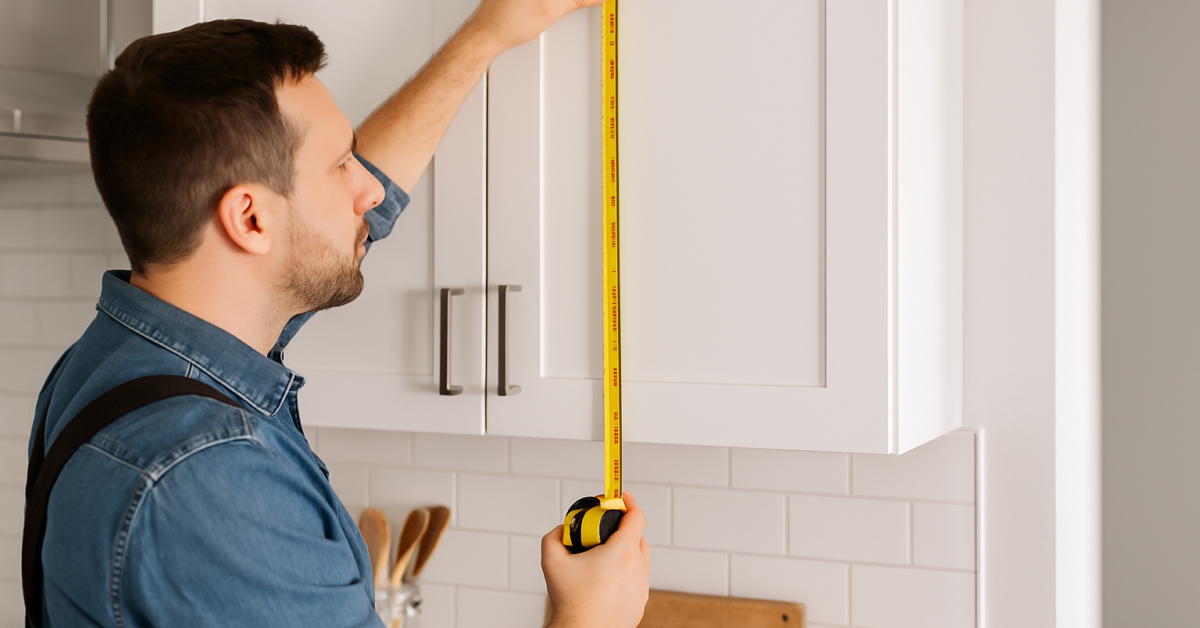
Have you ever wondered what is the height of a kitchen cabinet? Understanding the standard dimensions is crucial for any kitchen renovation or design project. The height of kitchen cabinets impacts not only the aesthetics of your space but also its functionality and ergonomics. As an experienced kitchen designer, I have seen how the right cabinet height can enhance workflow and comfort in the kitchen. In this article, we will explore the typical heights of kitchen cabinets, factors to consider when choosing the perfect height for your needs, and tips for maximizing your kitchen’s potential. Whether you’re a homeowner or a design enthusiast, this guide will provide you with the knowledge you need to make informed decisions about your kitchen cabinets.
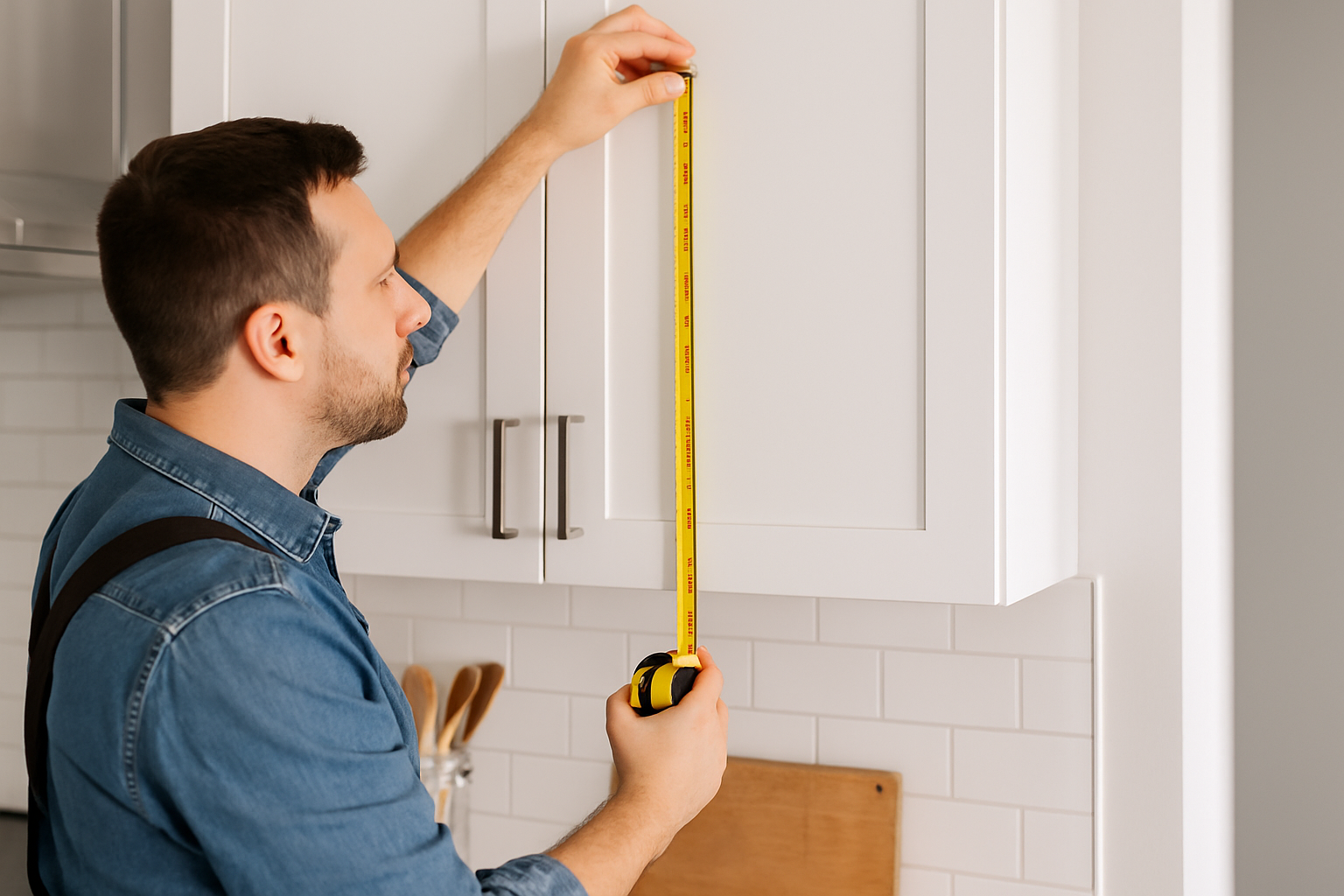
Understanding Kitchen Cabinet Heights
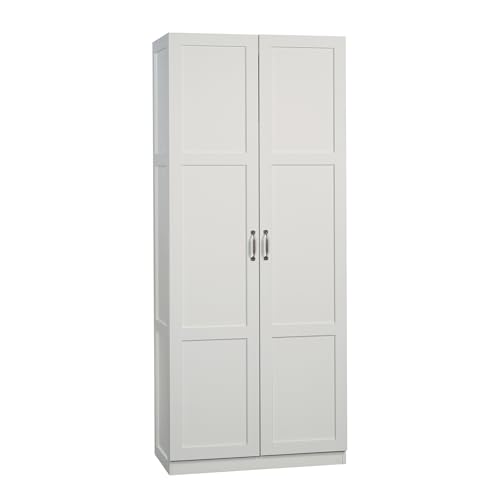
The height of a kitchen cabinet is a crucial aspect of kitchen design, affecting both functionality and aesthetics. Standard kitchen cabinets typically range from 30 to 36 inches in height, with the most common being 34.5 inches. This height allows for comfortable usage of countertops and easy access to items stored within. Kitchen cabinets are usually installed above countertops, providing ample workspace while maintaining a visually appealing design. When planning kitchen layout, it’s essential to consider the ceiling height, as this can impact the overall look and feel of the space.
Standard Heights for Base Cabinets
Base cabinets usually stand at about 34.5 inches tall, excluding the countertop. This height is designed for optimal comfort when preparing food and cooking. It’s important to note that many homeowners choose to add a countertop that can add an additional 1 to 2 inches, bringing the total height to around 36 inches. This standard height accommodates most kitchen tasks without causing strain.
Standard Heights for Wall Cabinets
Wall cabinets usually come in heights of 30, 36, or 42 inches. The height chosen often depends on the ceiling height and the desired look of the kitchen. A standard installation places wall cabinets 18 inches above the countertop, providing easy access while maximizing storage. Choosing the right height can enhance both functionality and aesthetics in your kitchen space.
💡 Consider how often you use your kitchen and what items you store to determine if customizing cabinet heights is necessary.
💡 Evaluate the overall proportions of your kitchen to ensure cabinet heights complement the layout.
Factors Influencing Kitchen Cabinet Height
Several factors can influence the height of kitchen cabinets, including user preferences, kitchen layout, and ergonomic considerations. The average height of an adult can dictate how high base cabinets should be to ensure comfort. Additionally, the overall kitchen style and design can necessitate custom heights to maintain visual harmony. Furthermore, if the kitchen has high ceilings, taller cabinets can create an elegant, spacious feel, while also maximizing storage space.
User Ergonomics
User comfort is paramount in determining cabinet height. For individuals who are taller or shorter than average, customizing cabinet height can help prevent strain during kitchen tasks. Adjusting cabinet heights for ergonomic comfort can greatly enhance the cooking and preparation experience, making it more enjoyable and efficient.
Kitchen Style and Design
The design style of a kitchen can also dictate cabinet height. For instance, contemporary kitchens might lean towards taller cabinets to create a sleek look, while traditional styles may favor shorter, more classic cabinetry. It’s essential to choose a height that complements the overall aesthetic of the kitchen to achieve a cohesive design.
💡 Consult with a kitchen designer to explore customized cabinet heights that reflect both style and functionality.
💡 Take into account the specific tasks you perform most often in the kitchen when determining ideal cabinet heights.
Standard Kitchen Cabinet Heights
The height of kitchen cabinets typically follows standard measurements to ensure usability and aesthetic balance. Most base cabinets are 34.5 inches tall, excluding the countertop, which adds about 1.5 inches. Wall cabinets usually start at a height of 30 inches and can go up to 42 inches, depending on the ceiling height and design preferences. It’s essential to consider the overall kitchen layout when determining the height, as it impacts functionality and accessibility.
Base Cabinet Heights
Base cabinets serve as the foundation of any kitchen setup. Standard heights for these cabinets are generally around 34.5 inches, providing a comfortable working surface for most adults. This height accommodates the typical countertop thickness, allowing for a consistent look and feel across the kitchen space.
Wall Cabinet Heights
Wall cabinets are mounted above the counter and are designed to maximize storage while maintaining accessibility. Standard heights range from 30 to 42 inches. The choice largely depends on the ceiling height and the desired ease of access for users, with higher cabinets requiring step stools for reach.
Adjustable Cabinet Solutions
For those seeking more flexibility, adjustable cabinet systems are available. These allow homeowners to customize the height of their cabinets based on individual needs and preferences. Such systems can be particularly useful in multi-generational households or for those with varying heights.
Key Points:
- Standard base cabinets are typically 34.5 inches tall.
- Wall cabinet heights range from 30 to 42 inches, depending on design and accessibility.
💡 Measure your space before installation to ensure cabinets fit well without crowding the area.
💡 Consider the height of household members; customize cabinet heights for greater accessibility.
💡 Incorporate lighting under wall cabinets to enhance visibility and functionality.
Factors Affecting Kitchen Cabinet Height
Several factors influence the ideal height of kitchen cabinets, including user height, ceiling height, and kitchen layout. User height is crucial; cabinets should be accessible to everyone who uses the kitchen. Ceiling height plays a significant role as well; taller ceilings allow for higher cabinets, which can enhance storage options while maintaining a spacious feel. The kitchen layout, whether it’s L-shaped, U-shaped, or galley, can also dictate cabinet heights for optimal flow and usability.
User-Centric Design
Designing with the user in mind is essential. For families with shorter individuals, lower wall cabinets may be more practical. Conversely, taller users may benefit from higher installations. Take measurements of the primary users to determine an optimal cabinet height that balances comfort and accessibility.
Ceiling Height Considerations
Ceiling height significantly impacts cabinet choices. In kitchens with high ceilings, opting for taller cabinets can create an elegant look while maximizing vertical storage space. However, it’s important to ensure that they remain accessible, possibly through the use of pull-down mechanisms.
Layout and Flow
The kitchen layout greatly influences cabinet height decisions. In open-concept designs, maintaining a consistent height across both upper and lower cabinets is visually appealing. Additionally, ensuring that cabinet heights do not obstruct pathways or appliance access is crucial for a well-functioning kitchen.
Key Points:
- User height should guide personal cabinet height choices.
- Higher ceilings allow for taller cabinets, maximizing storage and aesthetics.
💡 Consult with a kitchen designer to assess how height can enhance workflow and usability.
💡 Incorporate pull-out shelves in lower cabinets for easier access to items without bending down.
💡 Use contrasting colors or materials to visually separate different cabinet heights and enhance aesthetics.
EXPERT TIPS Pro Advice
Customize for Comfort
Consider the average height of users in the household to determine the perfect cabinet height, ensuring comfort and accessibility for all.
Utilize Vertical Space
In kitchens with high ceilings, take advantage of vertical space by installing taller cabinets, but ensure they remain functional and accessible.
Plan for Workflow
Design your cabinet layout to facilitate easy movement and access to appliances, enhancing functionality during cooking and meal preparation.
Incorporate Functional Features
Consider features like pull-down racks or adjustable shelves in higher cabinets to improve accessibility and maximize storage potential.
Consult Professionals
Engage with kitchen design experts to get tailored recommendations for cabinet heights that suit your specific kitchen layout and usage needs.
Frequently Asked Questions
Conclusion
Understanding the height of kitchen cabinets is essential for effective kitchen design and functionality. Standard heights typically range from 30 inches for wall cabinets to 34.5 inches for base cabinets. Customization options are available to cater to individual needs and preferences.
🎯 Key Takeaways:
- Standard base cabinet height is 34.5 inches.
- Wall cabinets usually measure 30 inches in height.
- Kitchen cabinet heights can be customized for specific needs.
- Ceiling height should always be considered when planning cabinet height.
- Proper cabinet height enhances kitchen ergonomics and aesthetics.
Expert Advice: Always assess your cooking habits and physical needs when determining cabinet height. Balancing style and functionality will lead to a more efficient kitchen space that suits your lifestyle.
Take time to evaluate your kitchen design and consider how cabinet height impacts your overall experience in the kitchen.