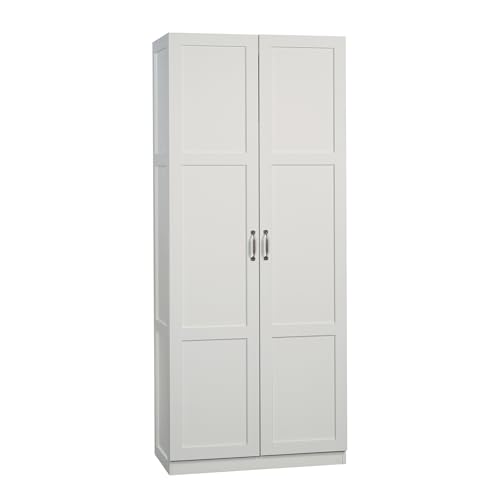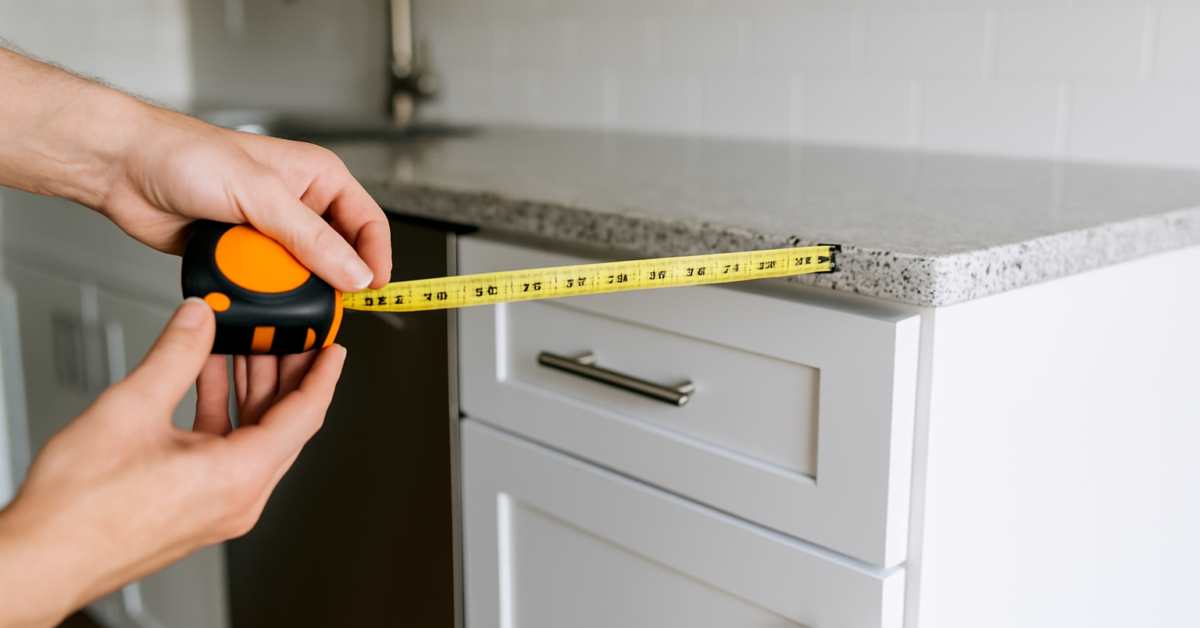
Are you planning a kitchen remodel and wondering what is the depth of kitchen cabinets? Understanding cabinet depth is crucial for both functionality and aesthetics in your kitchen design. Standard kitchen cabinet depths typically range between 12 and 24 inches, depending on their purpose and placement. As a seasoned expert in kitchen design, I will guide you through the essential dimensions and considerations that can impact your kitchen’s layout and usability. In this article, you’ll learn about standard cabinet depths, how to choose the right depth for your needs, and tips for maximizing your kitchen space effectively.
Understanding Kitchen Cabinet Depth
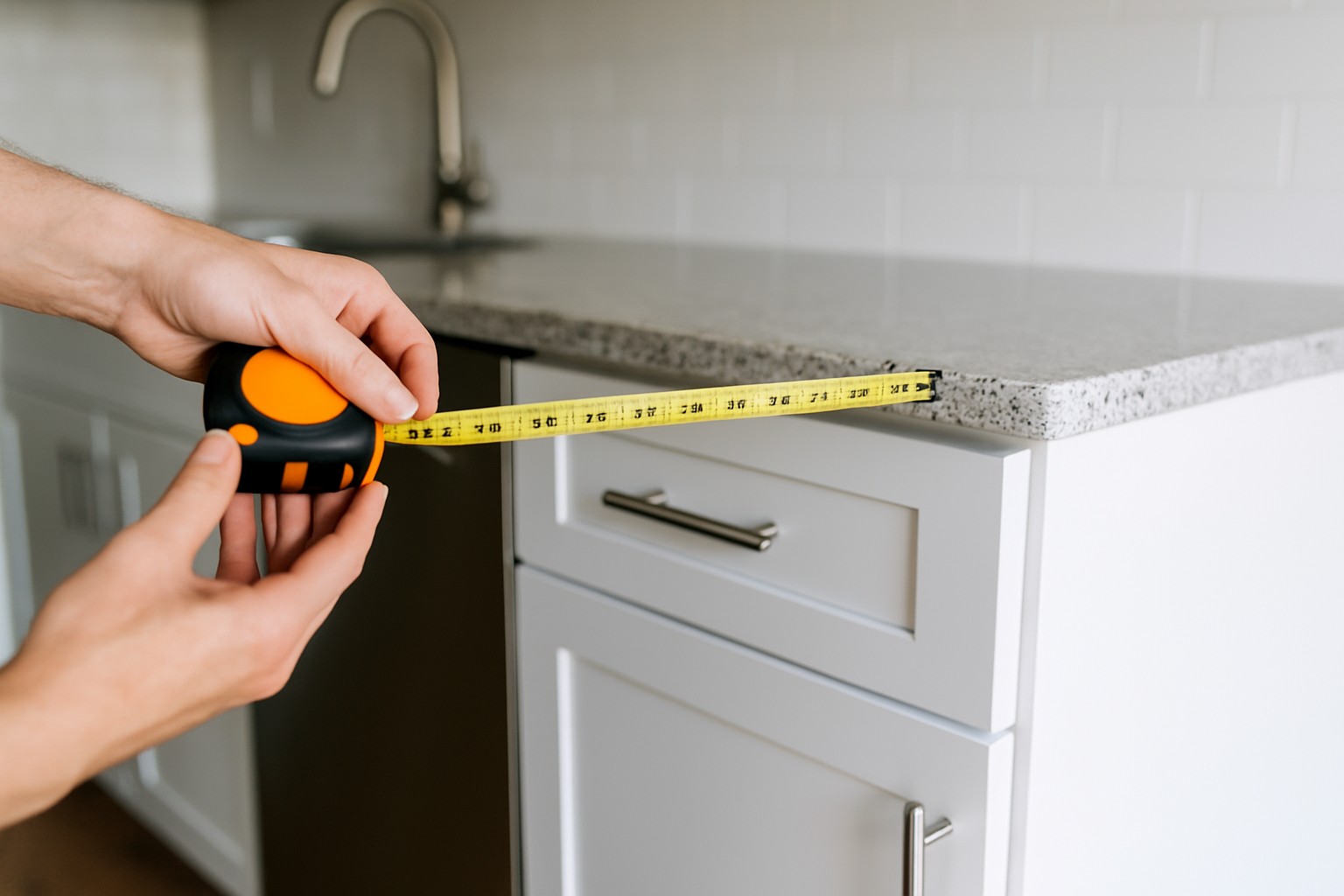
The depth of kitchen cabinets is a crucial factor in kitchen design, influencing both functionality and aesthetics. Standard kitchen cabinet depth typically measures 24 inches for base cabinets and 12 inches for wall cabinets. These dimensions are designed to accommodate common appliances and ensure ease of access. However, variations exist, and understanding these can help in customizing kitchens to meet specific needs and preferences.
Standard Depth Measurements
Base cabinets usually have a depth of 24 inches, which allows for a comfortable workspace and easy access to stored items. Wall cabinets are generally 12 inches deep, providing ample storage without overwhelming the vertical space. These standard dimensions are based on ergonomic principles, ensuring that users can efficiently reach inside cabinets.
Variations in Cabinet Depth
While 24 inches and 12 inches are standard depths, custom cabinets can vary significantly. For instance, some homeowners may opt for deeper base cabinets (30 inches) to accommodate larger appliances or for improved storage capacity. Understanding these variations enables homeowners to tailor their kitchen design to their specific needs.
Key Points:
- Standard base cabinets are typically 24 inches deep
- Wall cabinets usually measure 12 inches in depth
💡 Consider your kitchen layout when determining cabinet depth
The Impact of Cabinet Depth on Kitchen Functionality
The depth of kitchen cabinets plays a vital role in the overall functionality of the kitchen. It affects storage capacity, workflow efficiency, and how appliances fit within the space. When cabinets are too deep, items can get lost in the back, while shallow cabinets may not hold larger items effectively.
Storage Considerations
The depth of cabinets directly impacts storage options. Deeper cabinets can hold larger pots and pans, while shallower cabinets might be better for dishes and smaller items. It is essential to assess what items will be stored to choose the appropriate depth for your needs.
Workflow Efficiency
A well-planned kitchen layout considers cabinet depth to enhance workflow. For instance, having the right depth allows for easy access to frequently used items, reducing the time spent searching for them. Proper cabinet depth also impacts how close you can work to your kitchen appliances.
Key Points:
- Deeper cabinets offer more storage for larger items
- Shallower cabinets improve access and visibility for smaller items
💡 Evaluate your cooking habits to determine ideal cabinet depth
Understanding Standard Kitchen Cabinet Depths
The depth of kitchen cabinets is a crucial factor in kitchen design, impacting both functionality and aesthetics. Standard kitchen cabinet depths typically range from 12 to 24 inches. Base cabinets, which sit on the floor, usually have a depth of 24 inches, while wall cabinets commonly measure 12 inches deep. Understanding these dimensions helps in optimizing storage space and ensuring ease of use.
Standard Depth Measurements
Base cabinets are generally 24 inches deep, allowing ample space for kitchen appliances and countertop usage. In contrast, wall cabinets are typically 12 inches deep, designed to be mounted above the countertops, providing easy access to frequently used items without crowding the workspace.
Custom Depth Options
For unique kitchen layouts or specific needs, custom cabinet depths can be designed. Options may range from 15 to 30 inches for base cabinets and 9 to 15 inches for wall cabinets. Custom depths can improve accessibility for certain appliances or enhance the visual flow of the kitchen.
Key Points:
- Standard base cabinets are 24 inches deep.
- Wall cabinets usually measure 12 inches deep.
💡 Measure your kitchen layout before purchasing cabinets to ensure proper fit.
💡 Consider the depth of appliances to maintain a cohesive look.
💡 Keep clearance requirements in mind when selecting cabinet depths.
Impact of Cabinet Depth on Kitchen Functionality
The depth of kitchen cabinets significantly influences the kitchen’s functionality and user experience. Deeper cabinets can offer more storage space, while shallower cabinets can enhance accessibility. Understanding these impacts is essential for effective kitchen design.
Storage Capacity Considerations
Deeper cabinets provide additional storage for larger kitchen items, such as pots and pans. However, they may require additional organization solutions like pull-out shelves or dividers to maximize space effectively and ensure items are easily accessible.
Accessibility and Ergonomics
Shallower cabinets can be more ergonomic, allowing easier access to items without reaching too far back. This aspect is particularly important for individuals with mobility issues. Balancing cabinet depth with user comfort can lead to a more functional kitchen.
Key Points:
- Deeper cabinets increase storage capacity.
- Shallower cabinets improve accessibility and ergonomics.
💡 Think about your daily kitchen tasks to determine the best cabinet depth.
💡 Use pull-out shelves for deeper cabinets to enhance accessibility.
💡 Evaluate your storage needs based on the types of cooking you do.
EXPERT TIPS Pro Advice
Plan for clearance around appliances
Ensure that cabinet depth allows for appliances to open fully, preventing any obstruction that may hinder functionality.
Utilize vertical space
Consider extending cabinet height rather than depth to maximize storage without compromising kitchen space.
Incorporate multi-functional furniture
Use kitchen islands with varied depths to serve multiple purposes, enhancing both storage and workspace.
Prioritize user experience
Focus on how cabinet depth will impact daily tasks, ensuring a design that supports your cooking and entertaining style.
Frequently Asked Questions
Conclusion
Understanding the depth of kitchen cabinets is essential for effective kitchen design and functionality. Standard depths are typically 24 inches for base cabinets and 12 inches for wall cabinets, but customization is possible. Consider your specific needs and space to optimize storage and usability.
🎯 Key Takeaways:
- Standard base cabinet depth is usually 24 inches.
- Upper cabinets typically have a depth of 12 inches.
- Cabinet depth affects storage capacity and kitchen workflow.
- Customization is available for deeper cabinets.
- Maximizing shallow cabinet storage is achievable with smart organization.
Expert Advice: Prioritize your kitchen’s layout and your personal needs when choosing cabinet depth. Thoughtful planning can create a functional and aesthetically pleasing kitchen space that meets your cooking and storage requirements.
Evaluate your kitchen space and storage needs to determine the best cabinet depth for your home.